





 Portuguese
  English
  Spanish
  4 min of reading
  0 comments


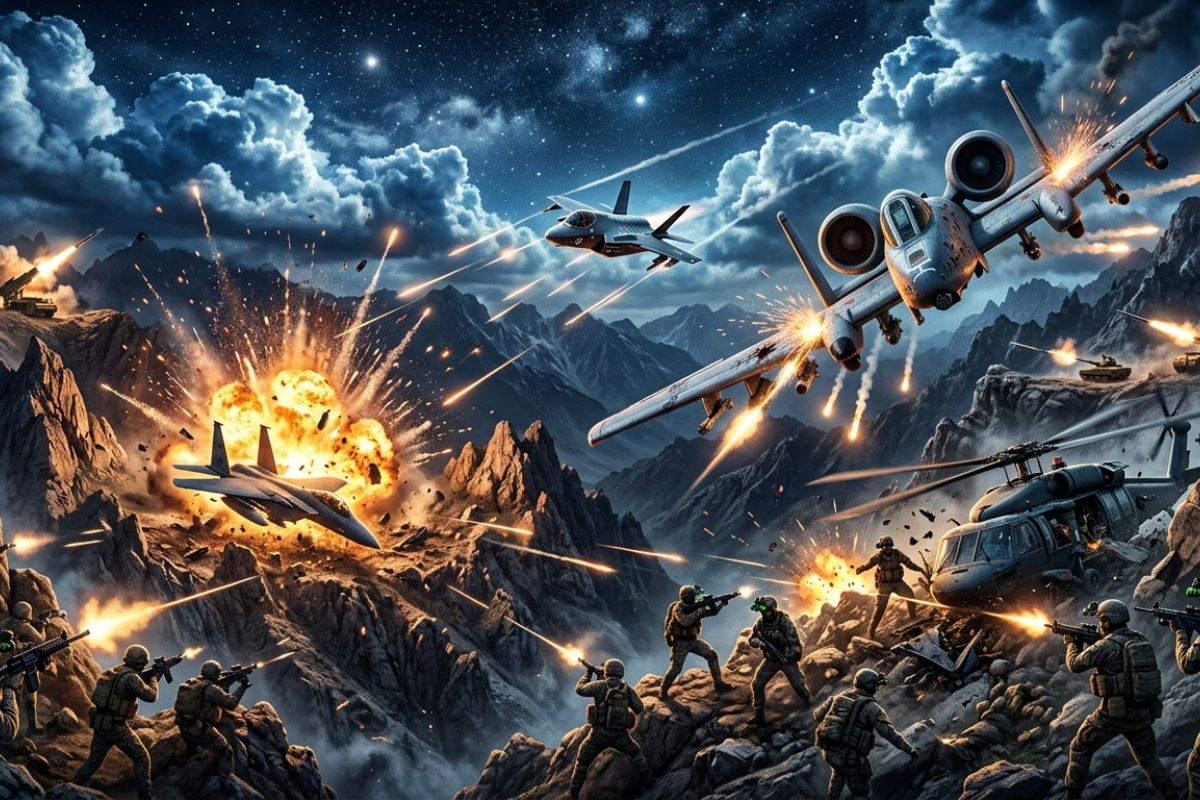
The operation described in the Zagros mountains shows the US losing control for hours, with anti-air ambushes, rescues under fire, and a damaged F35 in the middle of a mission
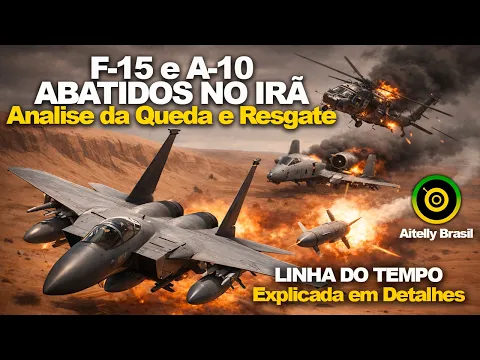
The US entered a dawn that began as just another mission and ended as a sequence of losses and rescues at the limit. The account describes an F15 Strike Eagle hit by a missile, a damaged A10 trying to save the downed pilot, and search and rescue helicopters falling into an ambush.
The thread that stitches everything together is a doctrine repeated as a rule: “no one gets left behind”. However, that night in the mountains, keeping that promise required aggressive decisions, low flights, high risk, and a chain of events that escalated quickly.
The first impact: the F15 Strike Eagle needs to climb and becomes a target
According to the account, the formation of F15 Strike Eagles crosses the border at low altitude, using terrain-following radar to hide in the valleys. The problem arises at the moment of attacking a buried target, when the leader needs to climb and go over the mountains.
-
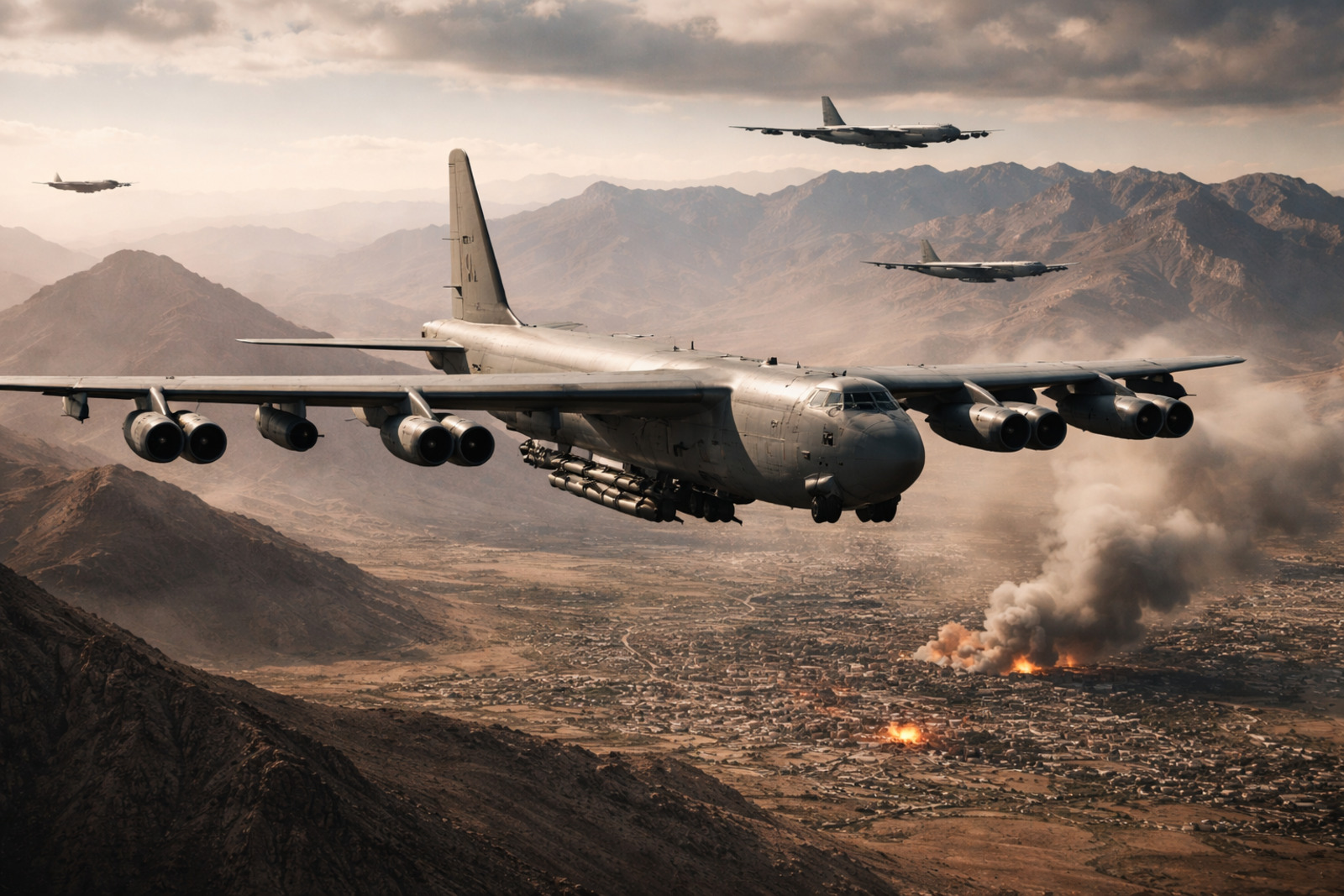
The USA is “filling” the skies of Iran with B-52 bombers just to show that they have “annihilated” the enemy air forces.
-
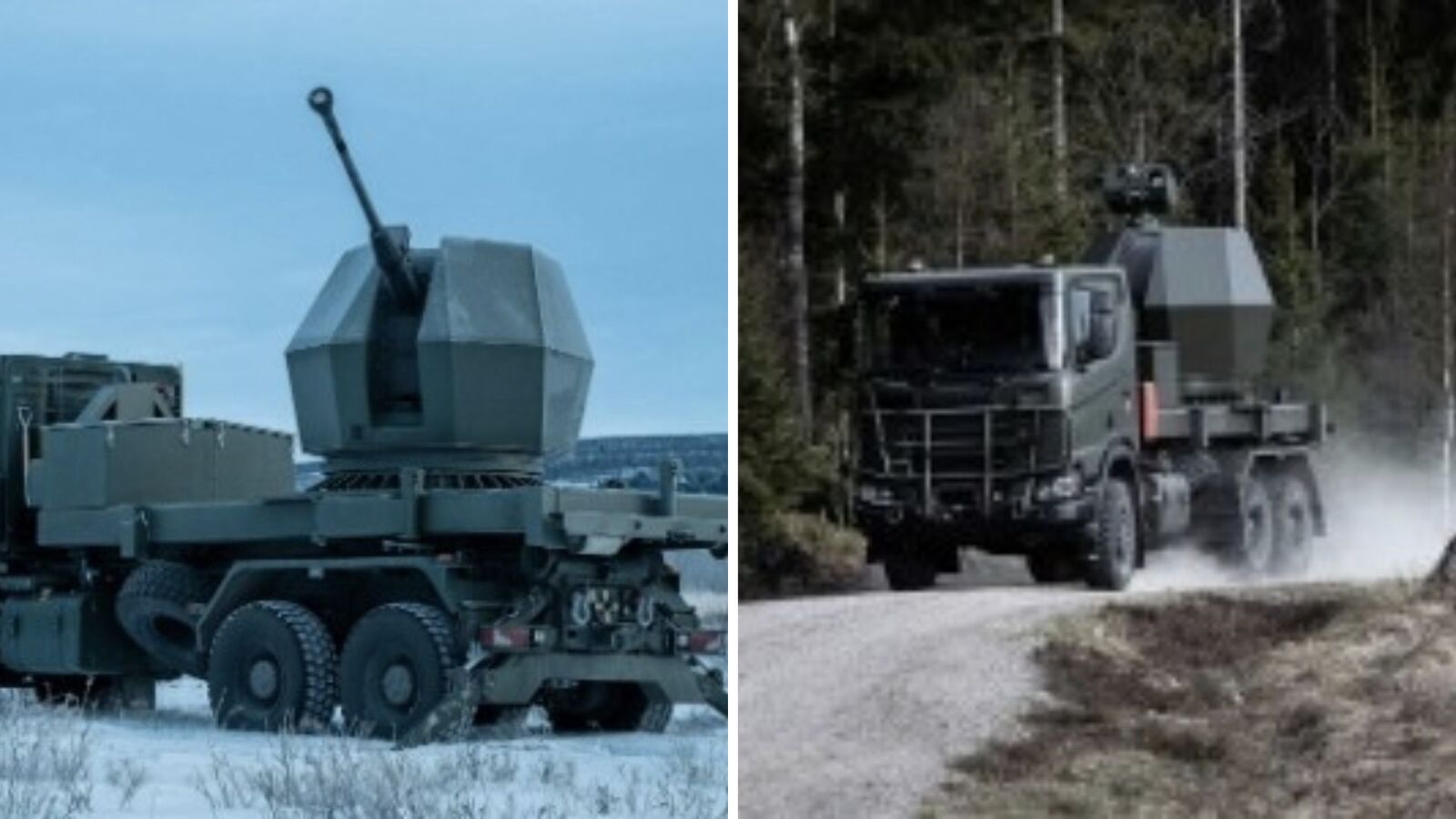
Mounted on a truck, this super 40 mm anti-aircraft cannon faces everything, taking down drones, cruise missiles, aircraft, and can even hit armored vehicles up to 12 km away with mastery.
-
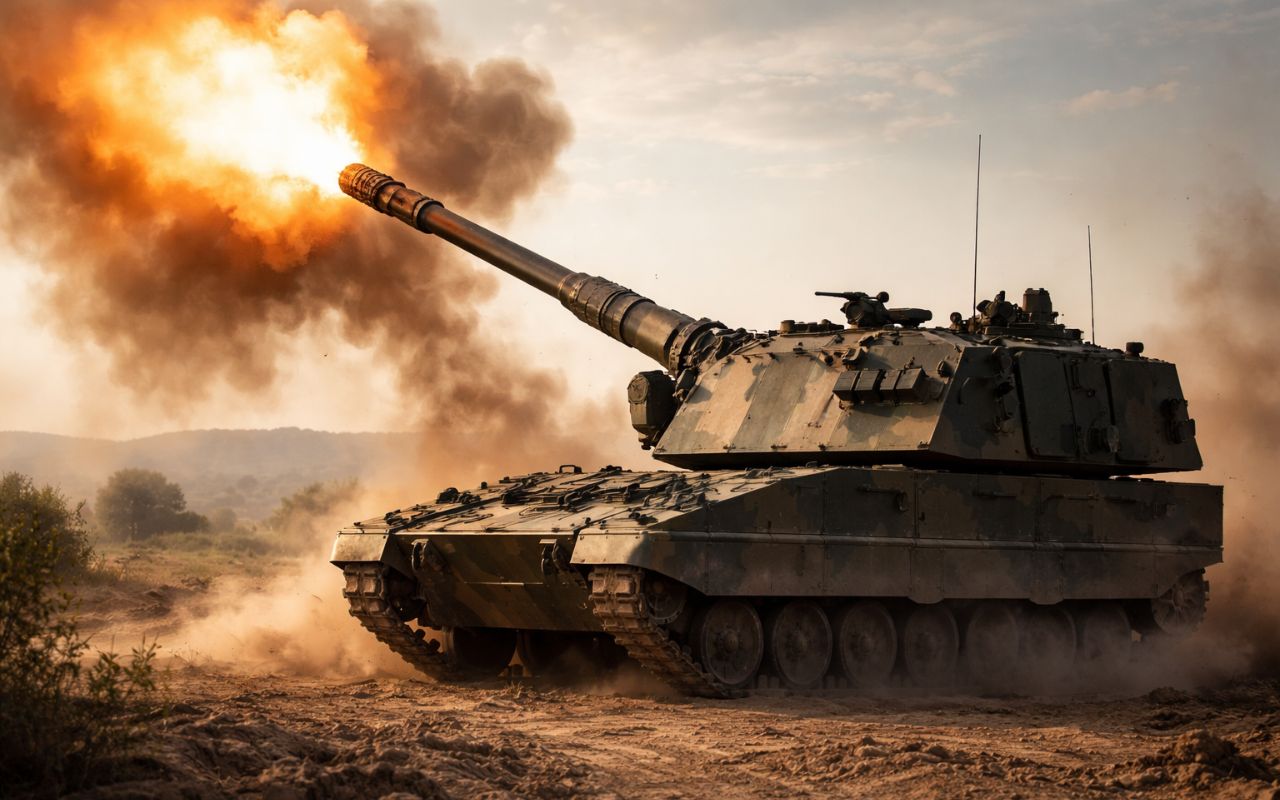
The German “steel monster” weighing 55 tons fires up to 10 projectiles per minute at over 40 km and avoids counterattacks on the battlefield by moving quickly to escape enemy attacks; meet the Panzerhaubitze 2000.
-
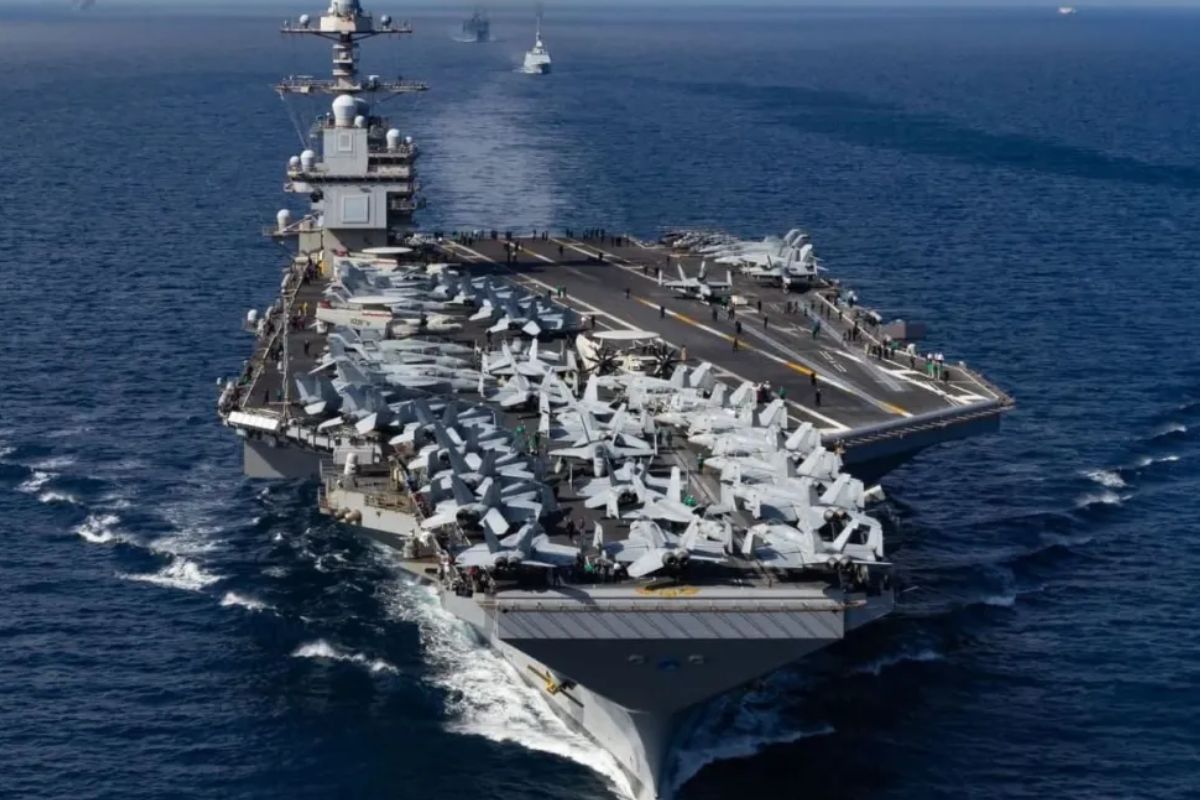
USS Gerald R. Ford, the largest aircraft carrier in the world, returns to sea after a fire in the laundry in the Red Sea; repaired in Crete, it resumes missions of Operation Epic Fury against Iran.

This climb breaks the radar horizon and opens a window for a mobile surface-to-air missile system. The text describes two missiles launched, one deceived by flares and the second detonating by proximity, causing catastrophic hydraulic failure. The crew ejects into total darkness, and the rescue protocol is activated.
US activates the rescue: the A10 goes too low and pays the price
With Iranian forces approaching the downed aviators, an A10 is diverted for the rescue escort mission. The account describes the jet destroying a convoy with a low attack and its 30 mm cannon, but this maneuver exposes the A10.
Flying low, it becomes a target for a heat-seeking shoulder-fired missile. The text notes the A10’s engine being incapacitated, with the pilot still managing to fly the damaged aircraft away from the mountains before the outcome at sea. Here, the central point is clear: the rescue turns into combat, and combat turns into the risk of losing more people.
Helicopters enter the valley and fall into an anti-air ambush
The next stage is the most tense. A dedicated combat search and rescue force is launched, with a command aircraft and two helicopters.
The account describes the penetration below radar coverage, in-flight refueling, and the approach as dawn approaches.
At the moment one helicopter locates the pilot’s signal, the other orbits for coverage and then the ambush occurs: a hidden ZU23 anti-aircraft gun opens fire.
Projectiles pierce the aircraft, injuring the crew and forcing a controlled landing. The mission becomes escape, with everyone focused on the remaining helicopter.
The “no one gets left behind” turns into a race against weight and against the terrain

The rescue described is done at full capacity, with a damaged helicopter and an escape route glued to the terrain. The text depicts the exit at maximum power, low above the tree line and diving back into the valleys to avoid detection.
This is where the doctrine of the US takes practical shape. It is not a catchphrase. It is an operational commitment that comes at a cost, in fuel, risk, and sometimes more aircraft in the air than planned.
And the F35 hit: when the threat is not radar, it is heat
The account also mentions an F35 hit during a sortie. The explanation given is straightforward: there is a difference between radar-guided missiles and heat-seeking missiles.
The F35 is described as highly optimized to reduce radar signature, but that does not mean total invisibility to infrared sensors.
The text points out infrared search and tracking systems as the key to “seeing” thermal anomalies and describes the alert coming from the aircraft’s own infrared camera system, followed by evasive maneuvers and thermal countermeasures.
The conclusion is that stealth is not absolute armor, especially against short-range heat-guided threats.
What this night suggests about the type of war the US faces
The entire narrative points to a scenario where the terrain aids defense, short range becomes a trap, and the mix of cheap weapons and well-positioned tactics can be costly.
In the Zagros, deep valleys and irregular peaks appear as the perfect environment for ambushes, as they hide launchers and nullify part of the advantage of long-range sensors.
At the same time, the insistence of the US to rescue every combatant increases operational risk. And this is not a “mistake,” it is a strategic choice.
Saving a pilot may require exposing more aircraft, and the chain of events that dawn shows how a single crash can pull several other situations to the limit.
Do you think the US should continue applying the “no one gets left behind” even when it increases the risk of losing more aircraft and crews?







Seja o primeiro a reagir!