





 Portuguese
  English
  Spanish
  2 min of reading
  0 comments


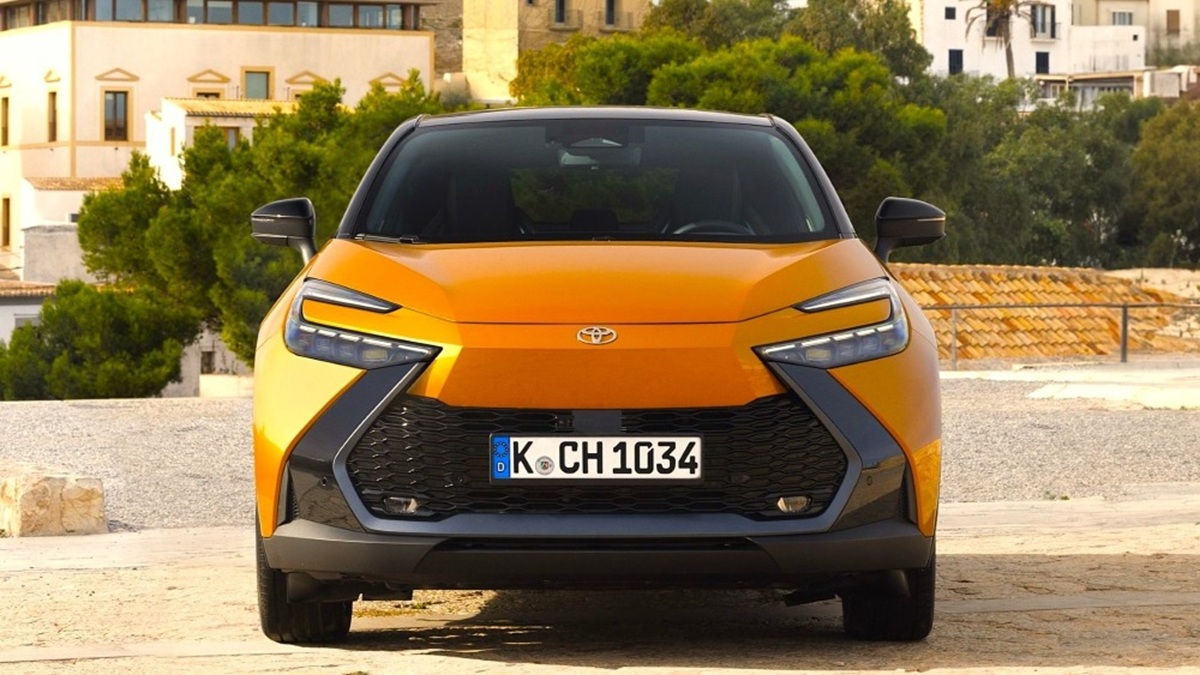
With a Goal to Produce 6.7 Million Hybrid and Plug-in Hybrid Cars Per Year by 2028, Toyota Reinforces a Strategy Based on Global Sales Data, Increasing Participation of These Technologies in the Production Mix and Maintaining World Leadership Achieved Since 2020, Even with Cautious Progress in Electric Vehicles
Toyota has set a goal to produce 6,700,000 hybrid and plug-in hybrid cars per year by 2028, expanding the volume of these technologies by about 30%, which already account for up to 42% of global sales and sustain the brand’s leadership since 2020.
Production of Hybrid Cars as the Central Axis of the Industrial Strategy
The world’s leading manufacturer has established that hybrid and plug-in hybrid cars will continue to be at the center of its strategy. The goal of 6,700,000 units per year by 2028 represents about 60% of the total projected production, reinforcing a positioning already indicated earlier.
This direction had been anticipated months earlier and confirmed with the launch of the new Toyota RAV4, available exclusively with hybrid engines and plug-in hybrid versions, consolidating the prioritization of these technologies in the brand’s global portfolio.
-
Less than a Tera TSI, up to 710 km of range and charging in 9 minutes: the new BYD Song Ultra expands the Chinese brand’s bet on increasingly faster, more technological, and competitively priced electric SUVs.

-
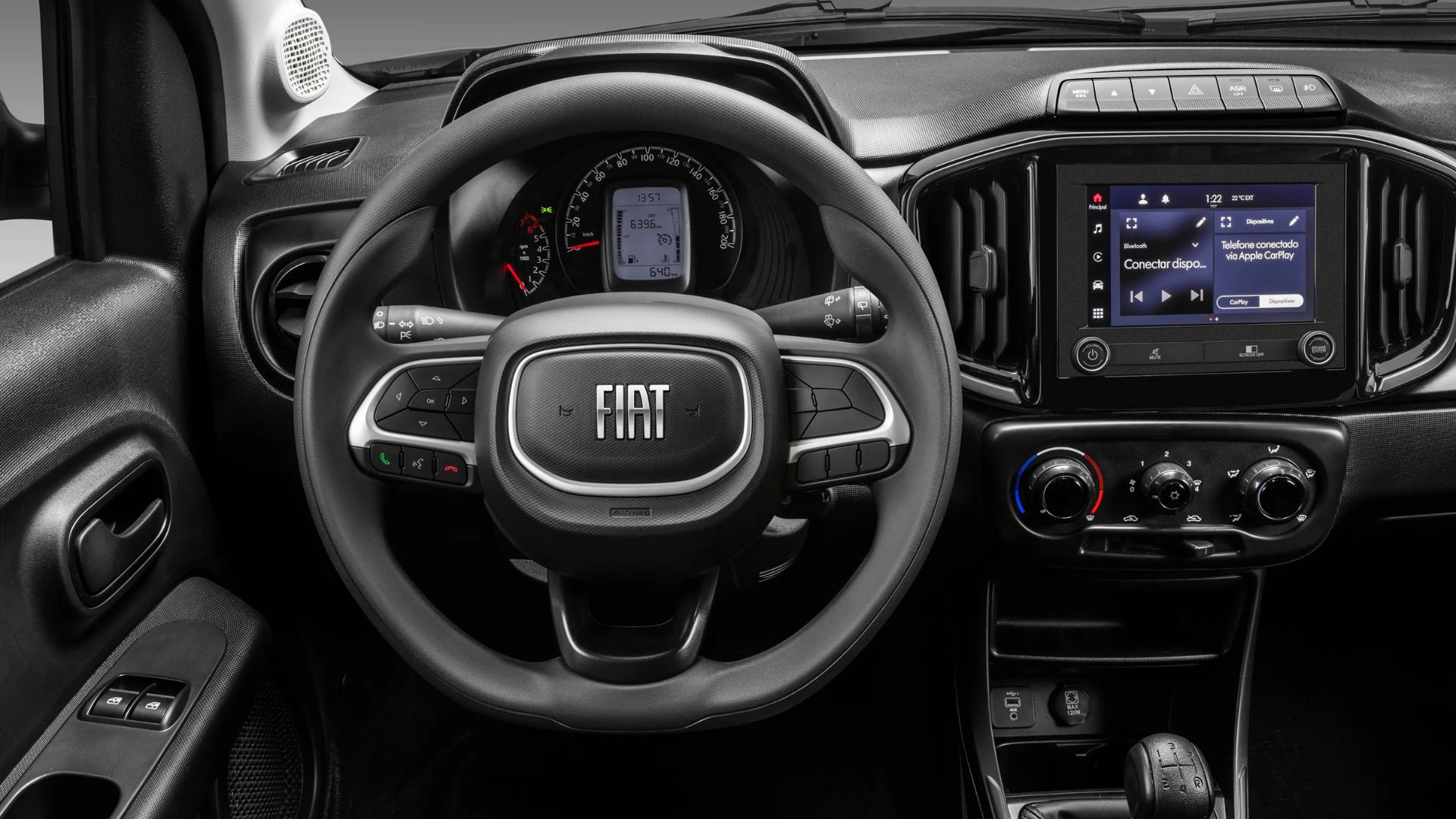
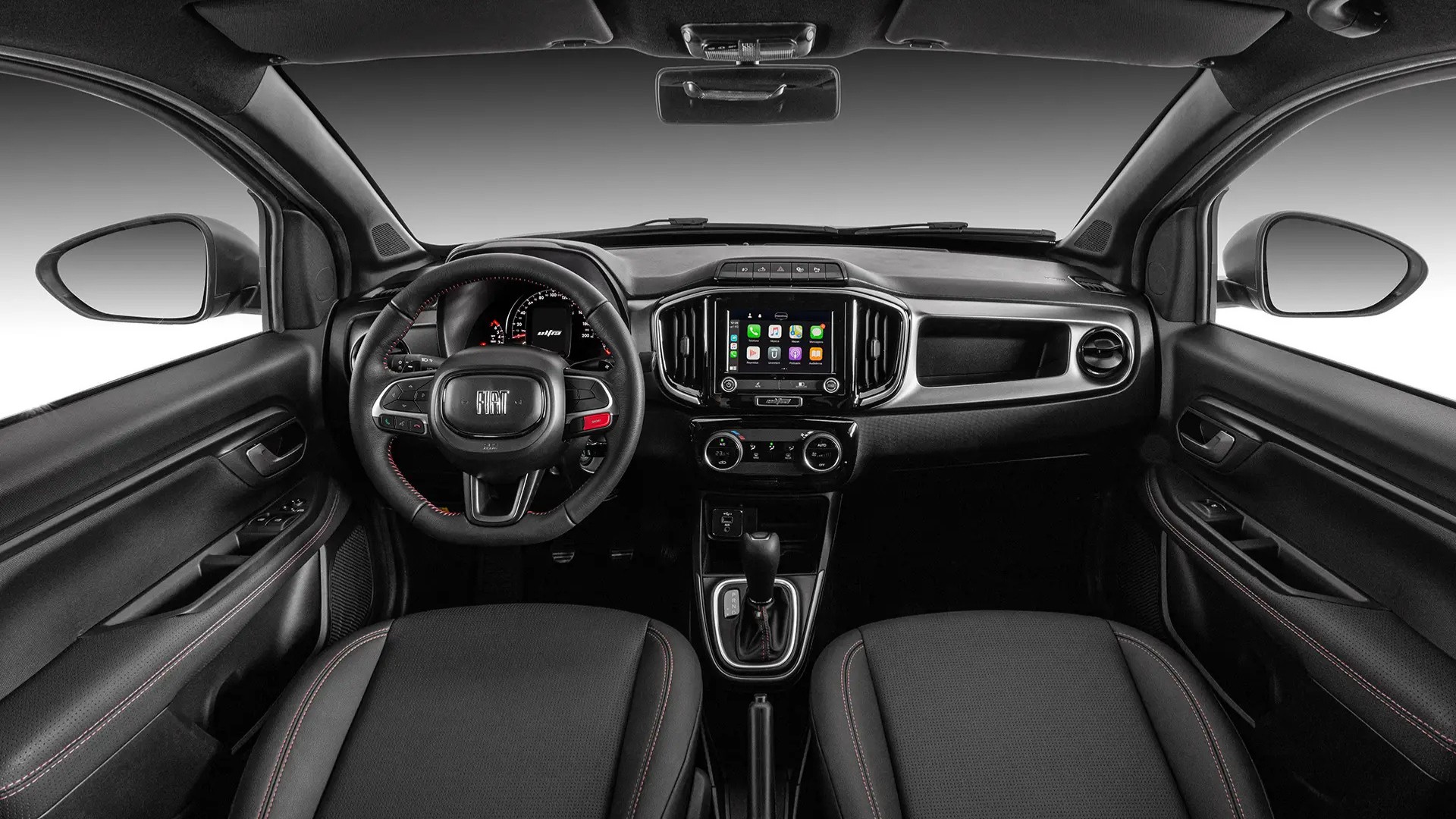
With a 1.0 engine producing 75 hp and costing less than R$ 70,000, Fiat’s car returns to the podium as the cheapest in the country; a temporary promotion for the 2026 Like version reduces the price of the Fiat Mobi.
-
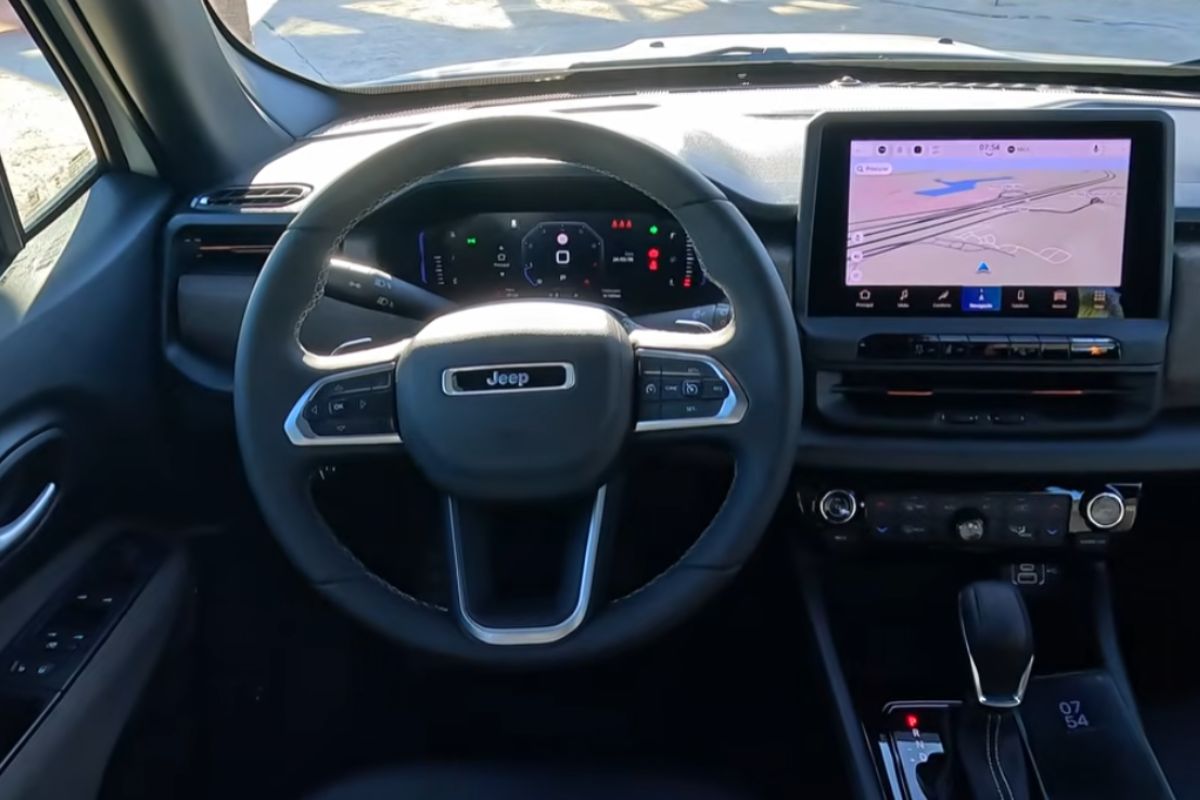
With a mild hybrid system of 48 V, 176 hp and a price of R$ 175,990 in the Sahara version, the new Jeep Renegade changes mostly on the inside, improves slightly in fuel consumption, and remains almost the same car.
-
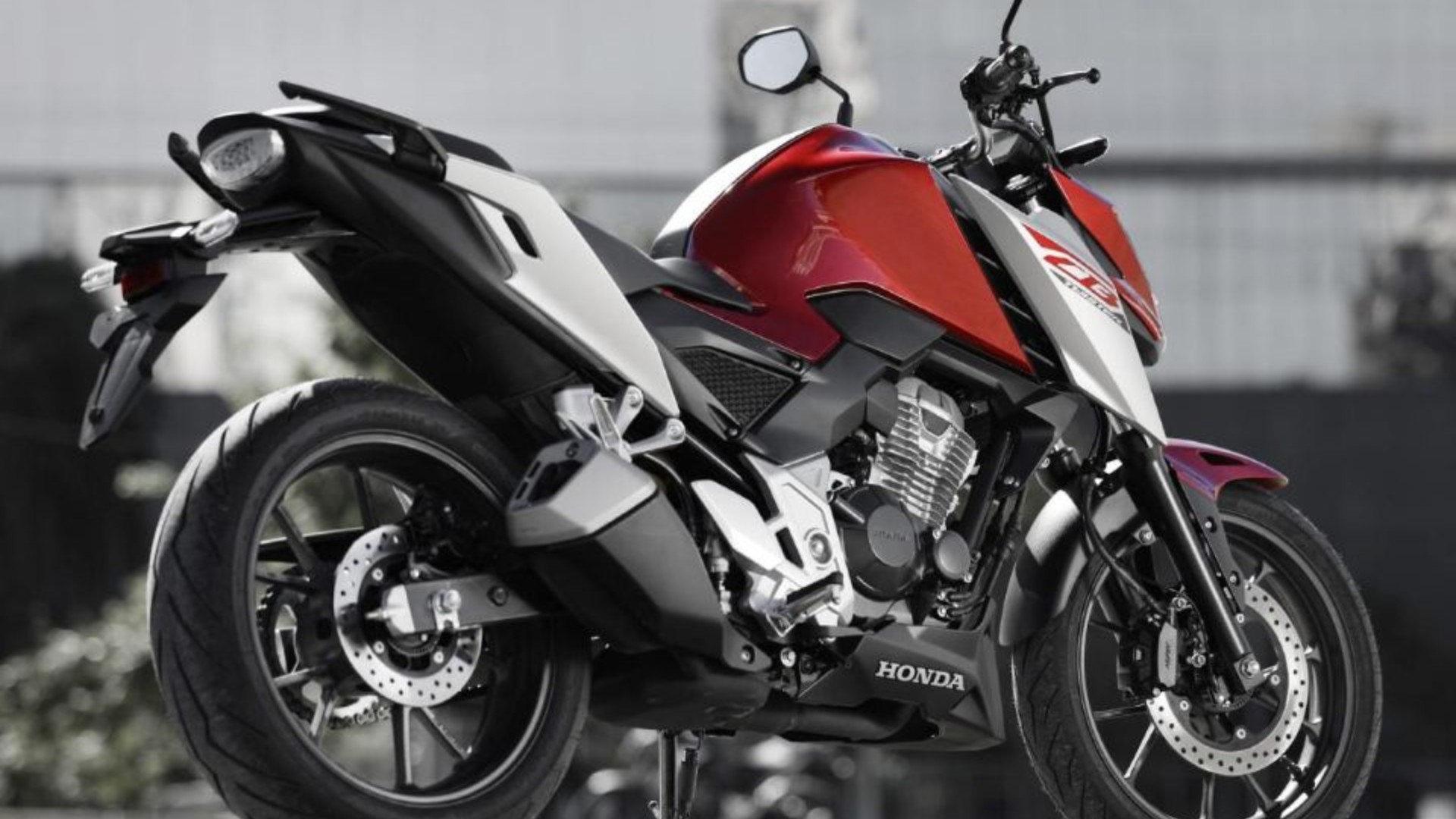
With a 293.5 cm³ engine and a range of up to 400 km with a 14.1-liter tank, the Honda CB 300F Twister 2026 has up to 24.7 hp, an initial price of R$ 25,150, and already exceeds R$ 29,000 in the Fipe Table.

30% Growth Driven by the Commercial Performance of Hybrids
The aim to sell at least 30% more hybrid cars stems from the consistent commercial performance of these models. By 2025, up to 42% of vehicles produced by the Toyota Group were hybrids or plug-in hybrids, equivalent to nearly 5 million units.
In total, the group produced 11.3 million vehicles in 2025, a figure 4.3% higher than recorded in 2015. The automaker aims to reach nearly 5 million hybrids steadily by 2026.
Market Leadership and Regional Performance of Hybrid Cars
In Spain, Toyota was the best-selling brand in 2025, with the Toyota Corolla leading among the most sold hybrids. The model maintained its performance at the beginning of the following year, in a segment also dominated by Yaris Cross and C-HR.
In Japan, hybrid and PHEV cars already represent nearly 50% of the market, largely led by Toyota. In the United States, sales grew 8% in 2025, with 47% of deliveries corresponding to electrified vehicles.
Other Technologies Maintained Alongside Hybrid Focus
Despite the priority on hybrid cars, Toyota will continue to invest in other technologies. The company will proceed with hydrogen-related projects, even in the face of limited commercial results, and will cautiously advance in electric vehicle production.
In China, the world’s largest automotive market, Toyota’s sales grew 0.25% in the last year. In this scenario, hybrid models accounted for nearly 35% of registrations, sustaining the brand’s presence in a heavily electrified market.
Source: hibridosyelectricos









Seja o primeiro a reagir!