






 Portuguese
  Spanish
  2 min of reading
  0 comments


With a Goal to Produce 6.7 Million Hybrid and Plug-in Hybrid Cars Per Year by 2028, Toyota Reinforces a Strategy Based on Global Sales Data, Increasing Participation of These Technologies in the Production Mix and Maintaining World Leadership Achieved Since 2020, Even with Cautious Progress in Electric Vehicles
Toyota has set a goal to produce 6,700,000 hybrid and plug-in hybrid cars per year by 2028, expanding the volume of these technologies by about 30%, which already account for up to 42% of global sales and sustain the brand’s leadership since 2020.
Production of Hybrid Cars as the Central Axis of the Industrial Strategy
The world’s leading manufacturer has established that hybrid and plug-in hybrid cars will continue to be at the center of its strategy. The goal of 6,700,000 units per year by 2028 represents about 60% of the total projected production, reinforcing a positioning already indicated earlier.
This direction had been anticipated months earlier and confirmed with the launch of the new Toyota RAV4, available exclusively with hybrid engines and plug-in hybrid versions, consolidating the prioritization of these technologies in the brand’s global portfolio.
-
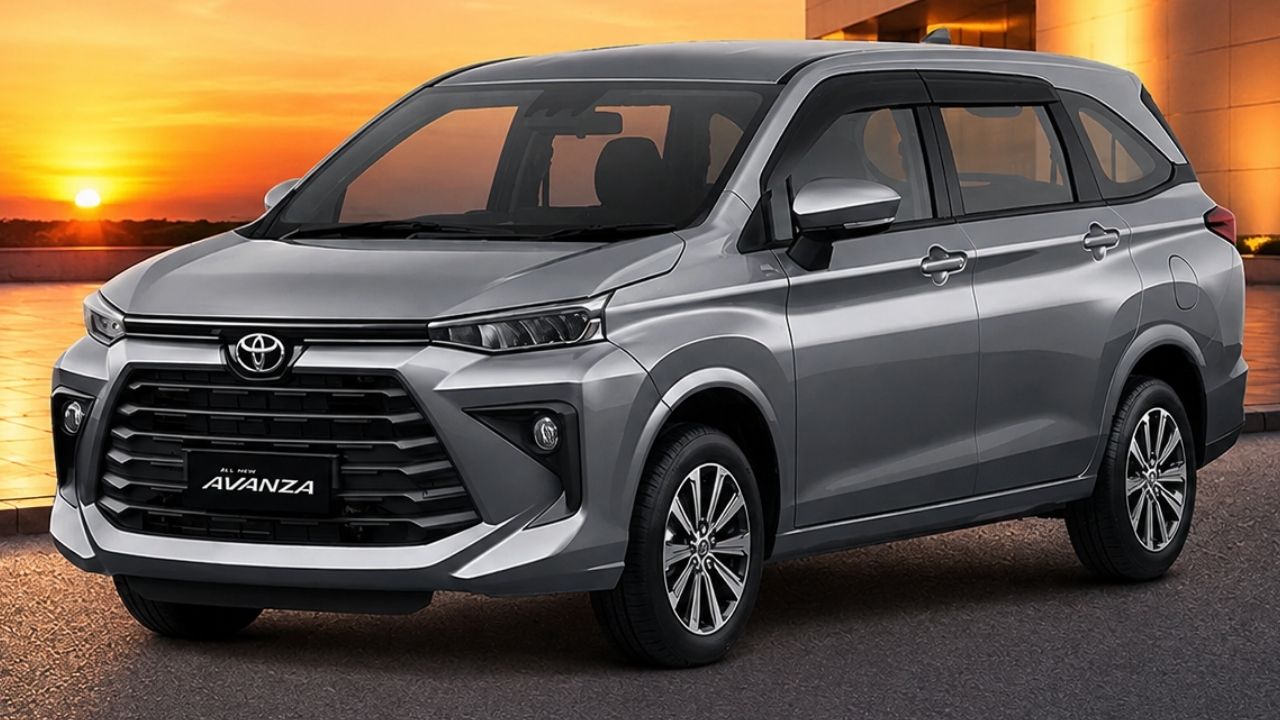
Toyota sells a “Family Spin” cheaper than the Chevrolet Spin in Brazil, with 7 seats and a price starting from around R$ 70,000 in tax-free conversion; Avanza 2026 has a 1.3 or 1.5 engine, manual or CVT transmission, 205 mm ground clearance, and a family proposal that Brazilians don’t have in Indonesia.

-
Five used cars that can handle 100 km per day without breaking the bank, but experts warn that even the most durable ones may hide expensive repairs if they’ve gone years without proper maintenance.

-
Dodge Charger Daytona receives solid-state battery in real test and reignites the race for lighter electric cars, faster to charge and with more range.

-
Hyundai Staria Hybrid arrives as a “premium Kombi” hybrid with 7 or 9 seats, 1.6 turbo engine, 54 kW electric motor, spacious cabin, Relaxation seats, and a work van version with 3 or 6 seats in Europe.


30% Growth Driven by the Commercial Performance of Hybrids
The aim to sell at least 30% more hybrid cars stems from the consistent commercial performance of these models. By 2025, up to 42% of vehicles produced by the Toyota Group were hybrids or plug-in hybrids, equivalent to nearly 5 million units.
In total, the group produced 11.3 million vehicles in 2025, a figure 4.3% higher than recorded in 2015. The automaker aims to reach nearly 5 million hybrids steadily by 2026.
Market Leadership and Regional Performance of Hybrid Cars
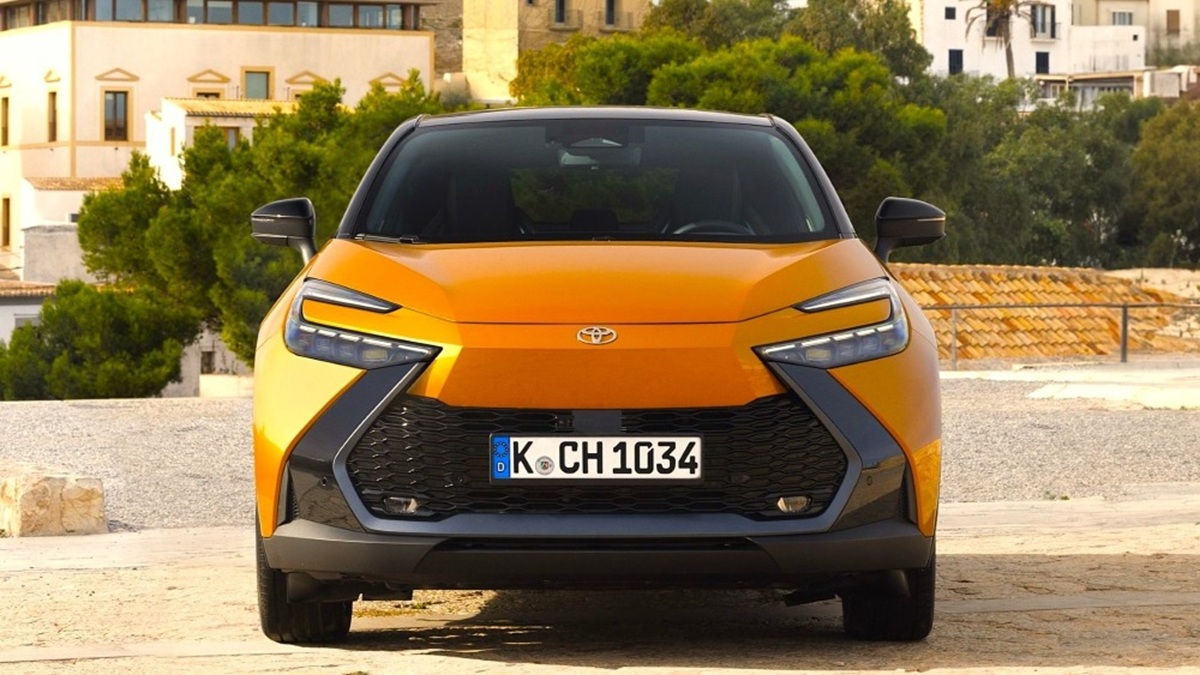
In Spain, Toyota was the best-selling brand in 2025, with the Toyota Corolla leading among the most sold hybrids. The model maintained its performance at the beginning of the following year, in a segment also dominated by Yaris Cross and C-HR.
In Japan, hybrid and PHEV cars already represent nearly 50% of the market, largely led by Toyota. In the United States, sales grew 8% in 2025, with 47% of deliveries corresponding to electrified vehicles.
Other Technologies Maintained Alongside Hybrid Focus
Despite the priority on hybrid cars, Toyota will continue to invest in other technologies. The company will proceed with hydrogen-related projects, even in the face of limited commercial results, and will cautiously advance in electric vehicle production.
In China, the world’s largest automotive market, Toyota’s sales grew 0.25% in the last year. In this scenario, hybrid models accounted for nearly 35% of registrations, sustaining the brand’s presence in a heavily electrified market.
Source: hibridosyelectricos





Be the first to react!