





 Portuguese
  English
  Spanish
  3 min of reading


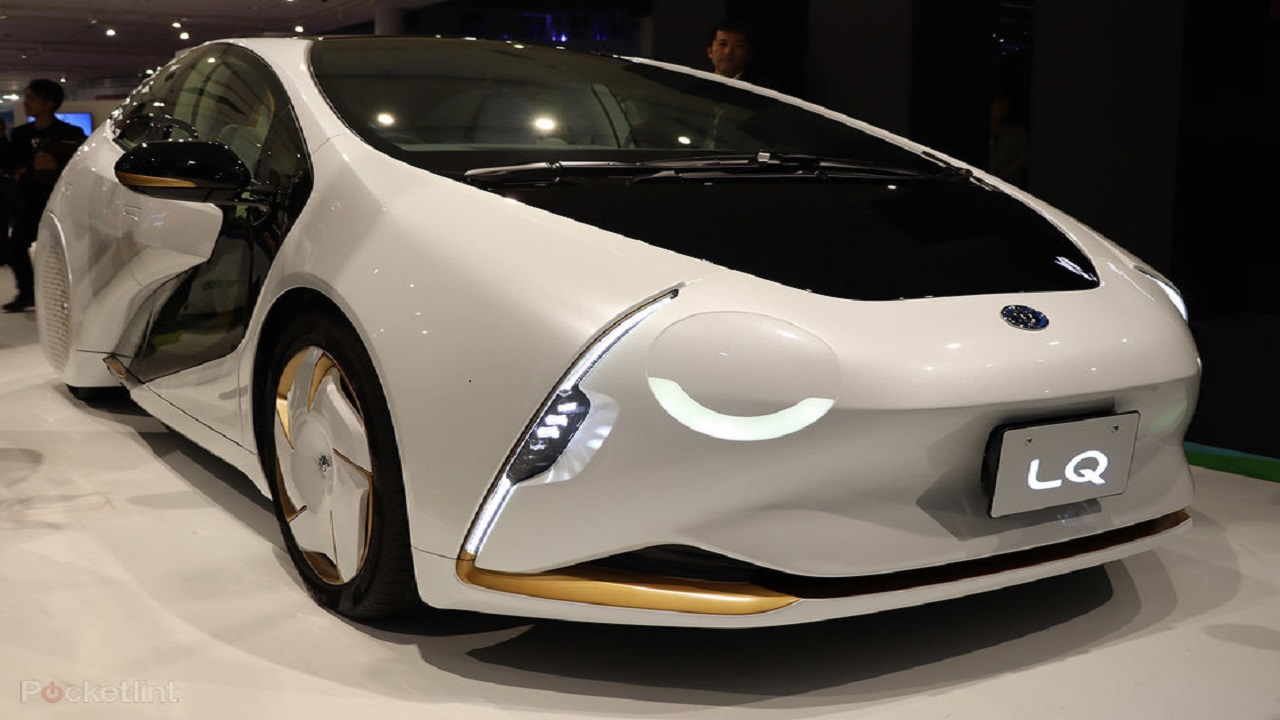
Toyota Is Heavily Investing In New Technology To Develop Its Own Batteries. The Manufacturer Has Finally Revealed Its Electric Car With Solid-State Battery
It is no surprise that Toyota has been intensely working on a solid-state battery. The company recently mentioned the possibility of debuting this technology in 4 to 5 years. So far, there has been no news, considering that in 5 years it is likely that several other automakers will be very close to doing the same. However, the big news now is that Toyota is reportedly planning to unveil the first electric car with a solid-state battery later this year. The model will offer a range of 500 km and a full charge in minutes. And all of this without sidelining the company’s commitment to hydrogen.
Read Also
Toyota’s Solid-State Battery Electric Car Could Boost The Japanese Market
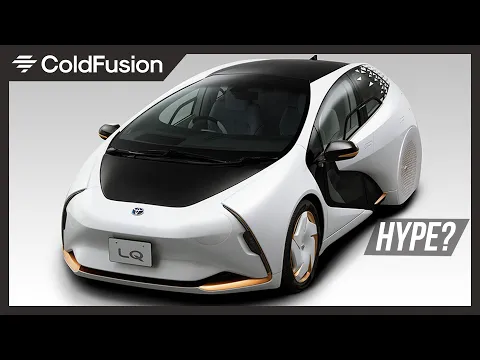

The announcement from Toyota is not limited to the sale of innovative vehicles but has even greater implications. From another perspective, it can be seen how the arrival of the electric car with a solid-state battery could give Japan a chance to gain ground against China, which is currently one of the largest producers of lithium-ion batteries in the world.
It could also enable the Land of the Rising Sun to play an essential role in providing the component again after having pioneered this sector in the early third millennium, with companies like Panasonic and Sony, until the arrival of Chinese giants like CATL.
-
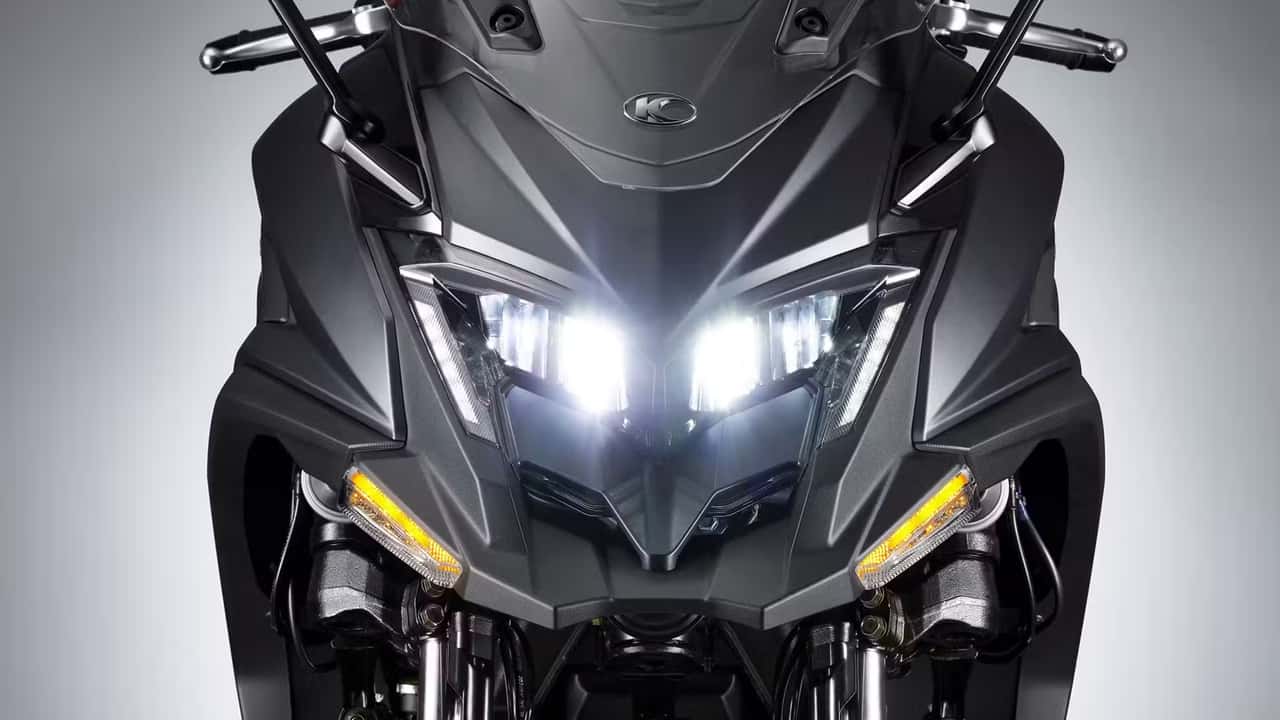
Kymco launches a 3-wheeled scooter with a 52 hp engine, a tilting front, and an audacious proposal to address one of the biggest fears of those who want to ride a motorcycle but still do not trust two wheels.
-
Most drivers make a big mistake on the road without knowing: there is an exact speed that makes the engine work with minimal effort and saves much more fuel, and it is neither 80 km/h nor 100 km/h as many imagine.

-
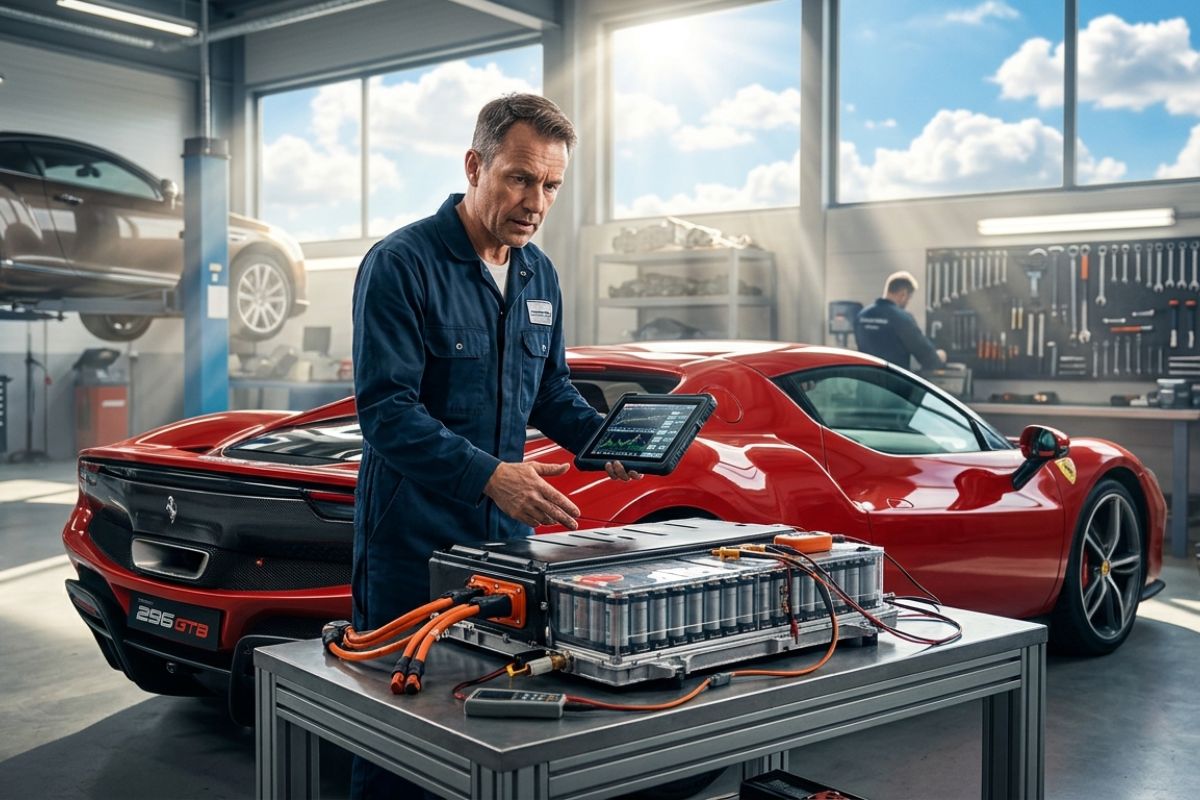
Mechanic explains: Ferrari 296 has a hybrid system management failure that can drain the high-voltage battery to an “irrecoverable” point in the car; recovery requires charging cell by cell on a bench, is risky, and the battery can cost R$ 250,000 imported.
-
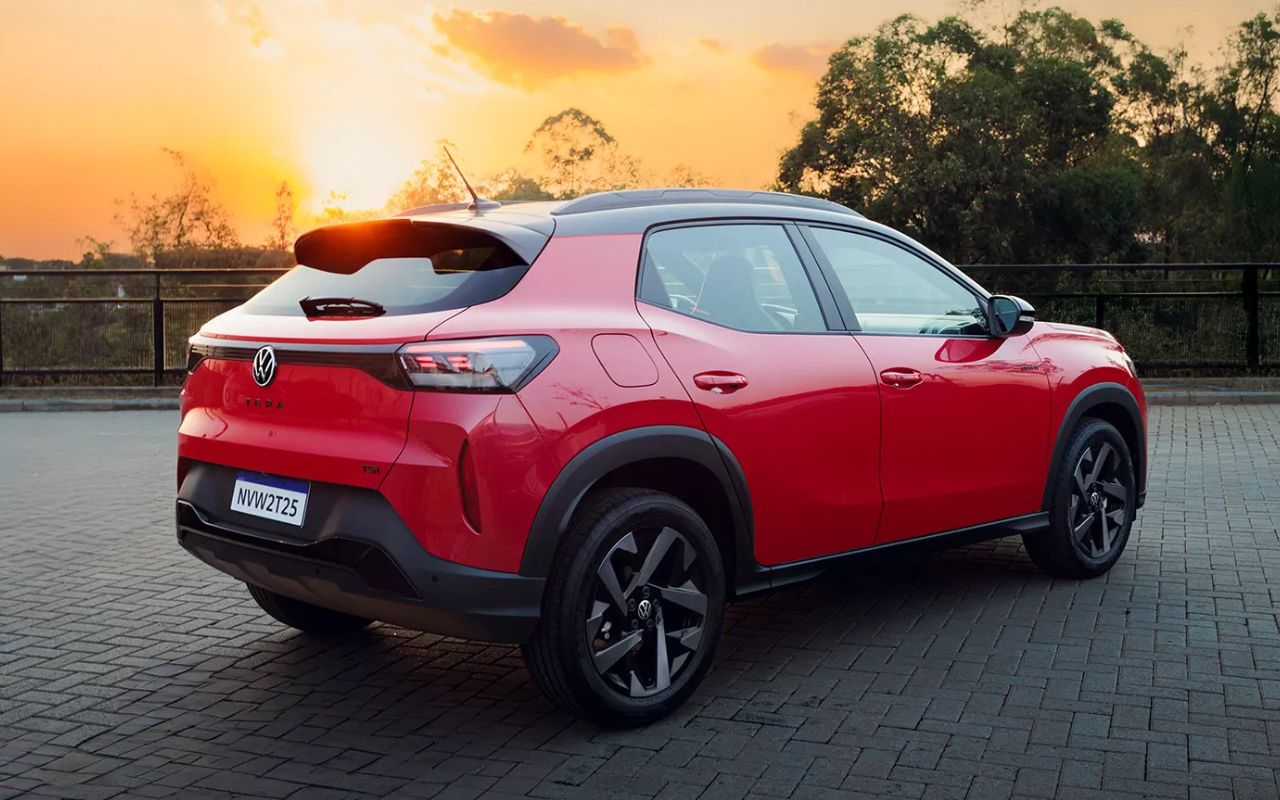
It surpassed the T-Cross, Creta, and Tracker: with nearly 8,000 units sold, the Volkswagen Tera was the best-selling SUV in March 2026.
Advantages Of Solid-State Battery
According to information from the manufacturer itself, Toyota is ready to present the first prototype of an electric car in 2022. Compared to equivalent models that use lithium-ion cells, an electric car with the same-sized battery would travel more than double the distance on a single charge.
This way, designers will have greater freedom as they can utilize space-saving batteries in smaller models without sacrificing performance. In addition, they can also create larger cars like current models, but with superior range.
The company has filed for 1,000 patents regarding solid-state battery technology and, with this substantial shift, it will not only eliminate competition but also force all involved to radically change to meet the new demands.
Japanese Government Invests $20 Billion In Energy Transition
In a way, the Japanese government is involved in the automaker’s operations. The state has already invested around US$ 20 billion to encourage the energy transition. A significant portion of this amount has been directed toward seeking new battery technologies.
The government has also decided to support other areas related to batteries: the creation of induced ones and the supply of raw materials such as lithium, which is in high demand and increasingly difficult to find.
If Toyota really manages to introduce an electric car with solid-state battery in the next 1 to 2 years, it would impact the entire sustainable mobility landscape. However, several companies are moving in the same direction, and it is uncertain whether they will choose to advance by following exactly the plans of the House of the Three Ellipses.







Seja o primeiro a reagir!