





 Portuguese
  English
  Spanish
  5 min of reading
  0 comments


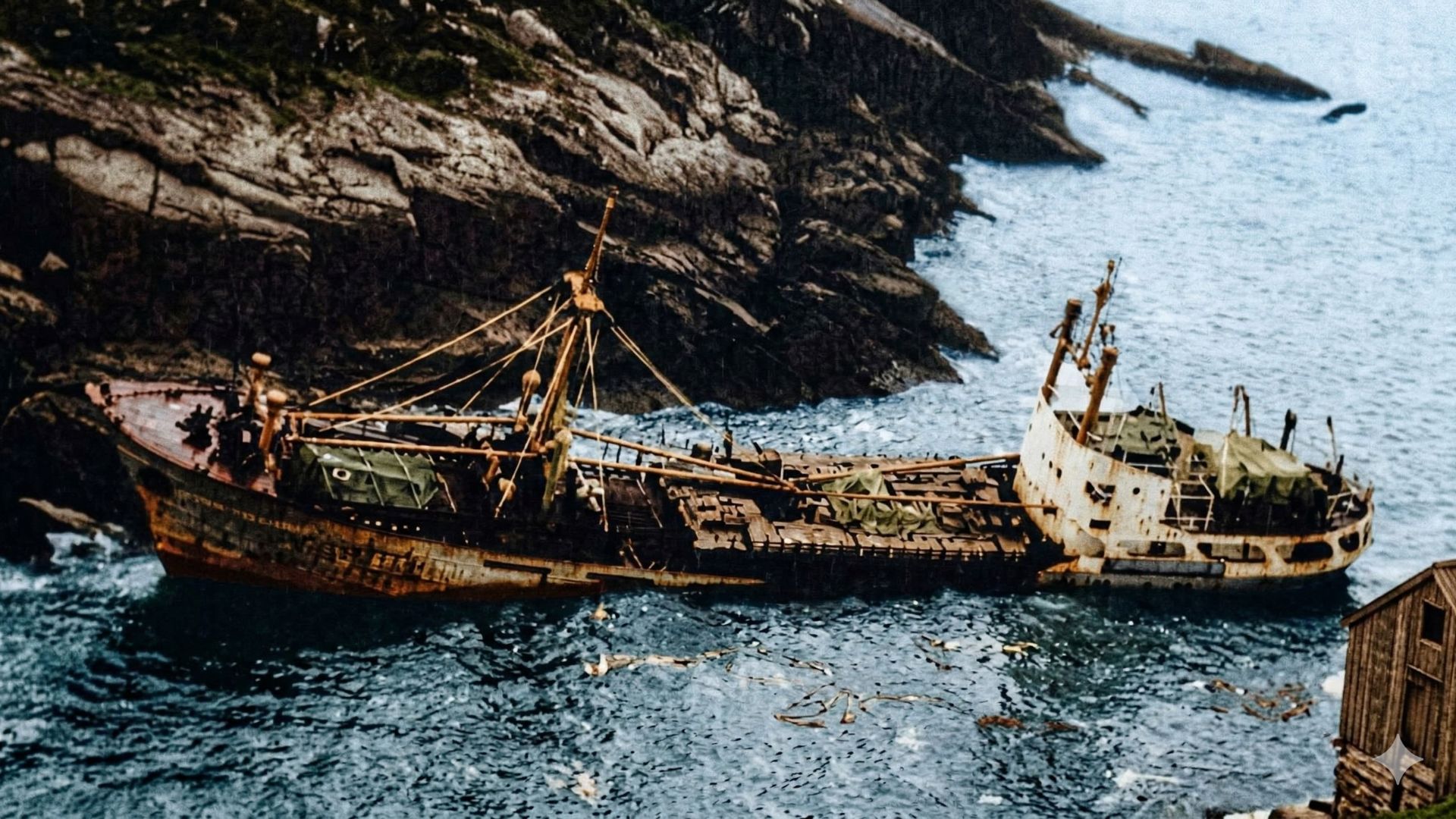
Maritime Mystery in the Northern Coast of São Paulo Blends Science, Historical Tragedies, and Diving Tourism in Ilhabela, Where Rocks Rich in Magnetite Have Confused Ancient Compasses and Contributed to a Series of Shipwrecks. Episodes Marked the History of Navigation in the Region and Still Attract Curiosities and Explorers.
Upon arriving in Ilhabela, on the northern coast of São Paulo, one finds a scene dominated by the intense green of the Atlantic Forest and the sophisticated atmosphere of the Vila, the historical and tourist center of the archipelago.
However, beneath the clear waters that surround the main island lies a past marked by maritime accidents and stories that fueled the nickname of “cemetery of ships”.
For decades, vessels navigating the São Sebastião channel faced navigation difficulties caused by natural phenomena inherent in the region’s geology.
-
These are the drivers who may stop paying tolls on highways in a project that promises to reduce costs for those who live from transportation in Brazil.

-
(Video): Italian pilot lands plane on moving train at 120 km/h and achieves unprecedented feat in aviation, even with a narrow runway and without direct visual contact.

-
It seems to have come out of a science fiction movie: A Brazilian city where it rains almost every day, recording over 4,000 mm per year, driven by climatic factors — a direct result of its strategic location in the Amazon.
-
The water crisis that could change everything this year has already begun; it’s not just about the climate, it affects technology, raises product prices, and can halt entire companies without warning.


Research indicates that the presence of magnetite in the island’s rocks interfered with the functioning of compasses used on ancient ships, altering direction readings and increasing the risk of collisions with the rocky shores.

Historical records indicate that at least ten documented shipwrecks occurred in the vicinity of Ilhabela, consolidating the location’s reputation as one of the most dangerous navigation points along the Brazilian coast during the early 20th century.
Historical Shipwrecks That Marked Ilhabela
Among the maritime accidents recorded in the region, the most well-known episode involves the luxurious Spanish transatlantic Príncipe de Astúrias.
The vessel was on the route between Barcelona, Spain, and Buenos Aires, Argentina, when it suffered a shipwreck in the early morning of March 5, 1916, near Ponta da Pirabura.
The ship was carrying hundreds of passengers and crew when it collided with the coastal rocks.
The impact caused it to sink within minutes.
Historical accounts indicate that hundreds of people died in the disaster, considered one of the greatest maritime tragedies in the history of navigation in South America.
The scale of the accident and the luxury of the vessel led to the incident being frequently compared to the Titanic disaster.

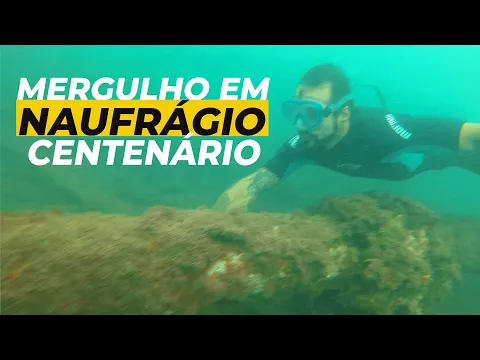
Even today, the location where the transatlantic sank remains one of the most well-known points for historical diving on the Brazilian coast.
Recovered pieces from the ship over the decades help reconstruct the memory of the episode.
Part of these objects is displayed at the Nautical Museum of Ilhabela, where visitors can observe items retrieved from the seabed and learn about the shipwrecks recorded in the region.
Diving Tourism and Underwater Exploration
The past marked by maritime accidents has made Ilhabela one of the most sought-after destinations for divers in Brazil.
Numerous diving spots scattered throughout the archipelago allow the exploration of wrecks and submerged rock formations.
The combination of naval history, marine biodiversity, and relatively clear waters has made the location a reference for underwater tourism.
Diving professionals organize guided expeditions for visitors interested in exploring the remains of ships that lie on the seabed.
Beyond historical exploration, the marine environment also houses fish, turtles, and other species that inhabit the coasts and natural reefs of the island.
From Dangerous Route to National Sailing Capital

If in the past the São Sebastião channel posed risks for navigators, the scenario is quite different today.
The same geographical and climatic conditions that hindered ancient navigation have turned the region into one of the best spots for water sports in the country.
With constant winds and ample waters, Ilhabela has established itself as one of the main sailing centers in Latin America.
The recognition also came through federal legislation, which officially designated the municipality as National Capital of Sailing.
Every year, the archipelago hosts the Ilhabela International Sailing Week, considered the largest sailing event in Latin America.
In the 52nd edition of the competition, more than 120 vessels participated in the races, gathering professional athletes, international teams, and sailing enthusiasts.
The event boosts tourism and reinforces the city’s historical connection to the sea.
Preserved Nature and the Wild Side of the Island
In addition to stories related to navigation, Ilhabela also stands out for its environmental preservation.
About 85% of the archipelago’s territory is protected by the Ilhabela State Park, one of the largest contiguous areas of preserved Atlantic Forest on the Brazilian coast.
The natural richness includes trails, waterfalls, and secluded beaches that attract visitors interested in ecotourism.

While the beaches on the southern part of the island concentrate tourist infrastructure and large crowds, other regions maintain more rustic and preserved characteristics.
On the eastern side of the archipelago, facing the open ocean, are some of the most well-known landscapes of the destination.
Among them are:
- Castelhanos, a heart-shaped beach that is accessible only by 4×4 vehicles or boats.
- Bonete, often listed among the most beautiful beaches in Brazil, where a traditional caiçara community resides.
Access to Bonete can be made by boat or via a trail of approximately 12 kilometers through the Atlantic Forest.
The region maintains a way of life connected to artisanal fishing and the cultural traditions of the São Paulo coastline.
Caiçara Cuisine and Cultural Tradition
The caiçara culture is also expressed in the local cuisine, which preserves traditional recipes passed down through generations.
Typical coastal ingredients, such as fresh fish, seafood, and native leaves, are part of the island’s gastronomic identity.
One of the most famous events on the local calendar is the Shrimp Festival, which reached its 30th edition in 2025.
During the festival, restaurants and cooks from the region present dishes inspired by caiçara cuisine.
Traditional recipes, such as fish prepared in banana leaves and taioba farofa, coexist with contemporary interpretations crafted by chefs who have settled on the island.
The combination of preserved nature, maritime history, and gastronomic culture helps explain why Ilhabela has become one of the most well-known tourist destinations on the São Paulo coast.
Even with its historical reputation as a dangerous area for navigators, the archipelago has transformed its past of shipwrecks into part of its cultural and tourist identity, which now attracts visitors from various parts of Brazil and the world.







-

-

2 pessoas reagiram a isso.