





 Portuguese
  English
  Spanish
  4 min of reading
  0 comments



Can The Court Deny An Increase In Alimony If There Is Misuse Of The Money? Understand What The Law Says And What The Justice Evaluates In These Cases.
Alimony is a right of children, guaranteed by Brazilian legislation, and must be used exclusively to cover food, education, health, housing, and leisure compatible with the family’s reality. But what happens when there are indications that the money is being used for personal purposes such as travel, gyms, or beauty treatments?
According to family law experts, the Justice can, indeed, deny requests for an increase and even determine accountability or review of the amounts if misuse is proven.
What The Law Says About The Use Of Alimony
Alimony is regulated by the Civil Code, especially by Articles 1,694 to 1,710, which establish the so-called need–ability ratio: the amount must be sufficient to meet the needs of the recipient (child) and proportional to the abilities of the provider (parent or guardian who pays).
-
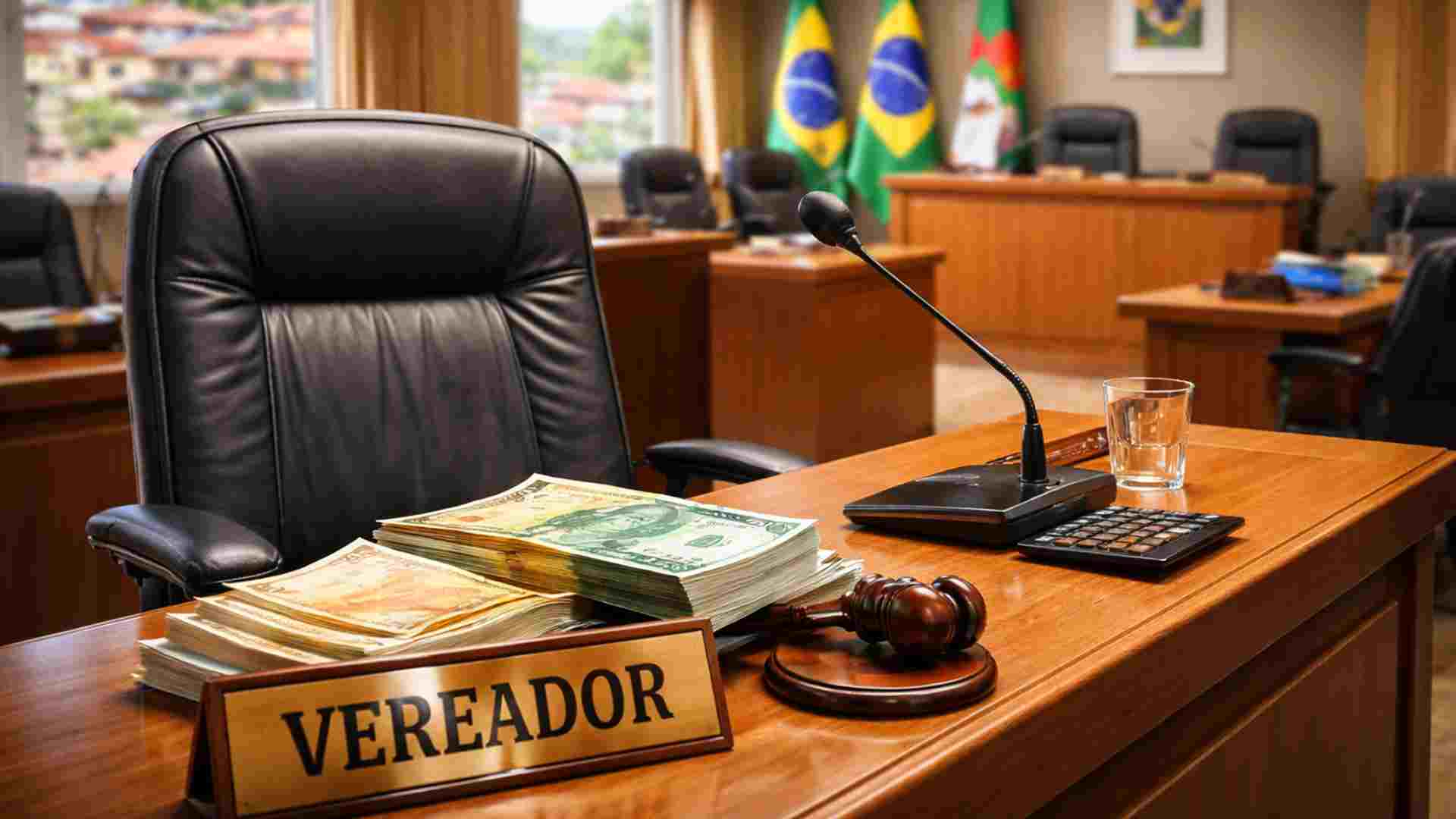
A bill could eliminate councilors in small towns in Brazil and replace fixed salaries with session allowances in municipalities with up to 30,000 inhabitants.
-
As the use of slimming pens grows in Brazil, a silent question arises among taxpayers in the 2026 income tax: why can’t these expenses be deducted and what specific detail could completely transform this rule into an isolated case?

-
He missed work to take care of his sick child, was fired for just cause, and ended up turning the tables in court with a decision that surprises companies.

-
STJ confirms that child support must be proportional to the father’s actual income and not to the mother’s standard of living — the decision reinforces balance in family obligations and prevents abuses in requests for increases.

Misuse occurs when the responsible party administering the alimony allocates the amounts to personal expenses — such as travel, beauty treatments, gym memberships, renovations, or acquisitions that do not directly benefit the child.


According to fictitious lawyer Rafael Monteiro, a specialist in family law, this type of conduct can have judicial repercussions:
“The Civil Code does not require the responsible party to provide monthly accountability, but if there are indications of misuse, the judge can intervene. The alimony is a financial resource intended for sustenance and cannot be used as a supplement to the guardian’s income,” explains Monteiro.
When Can The Court Deny An Increase
A court can deny the request for an increase in alimony when:
- There is no evidence of an increase in the needs of the children;
- The provider proves that the amounts have been misused;
- It is evident that the request seeks to cover the personal expenses of the guardian.
“If the judge perceives that part of the funds is used for purposes unrelated to the child’s support, he may conclude that the current amount is sufficient and deny the requested increase,” says Monteiro.
In more serious cases, the magistrate may also determine accountability, require that the amount be deposited into a child’s exclusive account, or even reassess custody, if there is evidence of bad faith and harm to the children.
Jurisprudence And Precedents
The position of the courts has been clear: alimony cannot be treated as a personal benefit.
The Superior Court of Justice (STJ) reinforces that alimony must strictly serve the interest of the minor and that any deviation from purpose can authorize corrective judicial measures.
In recent rulings, state courts such as TJ-SP and TJ-MG decided that the misuse of funds may justify revision, reduction, or judicial control of alimony, especially when the child’s standard of living does not match the expenses declared by the responsible party.
The Perspective Of Experts
For fictitious lawyer Camila Nogueira, a specialist in family mediation, this type of analysis is becoming increasingly common in family courts:
“Judges have become more stringent when evaluating requests for increases. It is not enough to claim that expenses have increased; it is necessary to prove that the current money is being well applied. When there is suspicion of misuse, the tendency is to deny the adjustment until everything is clarified,” she comments.
She explains that the goal of Justice is not to punish, but to ensure that the amount fulfills its social function.
“Alimony is neither a prize nor a compensation. It belongs to the child and must be used exclusively for their sustenance, education, and well-being,” reinforces Nogueira.
And When Is Misuse Proven?
If there is documentary evidence of misuse — such as bank statements, receipts for personal purchases, photos, or witnesses, the judge may determine:
- Review or reduction of the alimony amount;
- Deposit into a judicial account or in the name of the minor;
- Periodic accountability;
- Alteration of custody, in serious cases.
“Justice has tools to correct distortions, but everything depends on evidence. Claiming misuse without proof is not enough,” emphasizes Monteiro.
The misuse of alimony can indeed lead to denial of an increase, revision of the amount, and even judicial control measures. Although each case is analyzed individually, courts have stressed that alimony is not the income of the responsible party, but the property right of the child.
“The message is clear: those who administer alimony must act responsibly and in good faith. The amount exists to ensure the development of the children — and not to cover the standard of living of those who receive it,” concludes lawyer Rafael Monteiro.










-

-

-

-

-

18 pessoas reagiram a isso.