





 Portuguese
  English
  Spanish
  2 min of reading
  16 comments


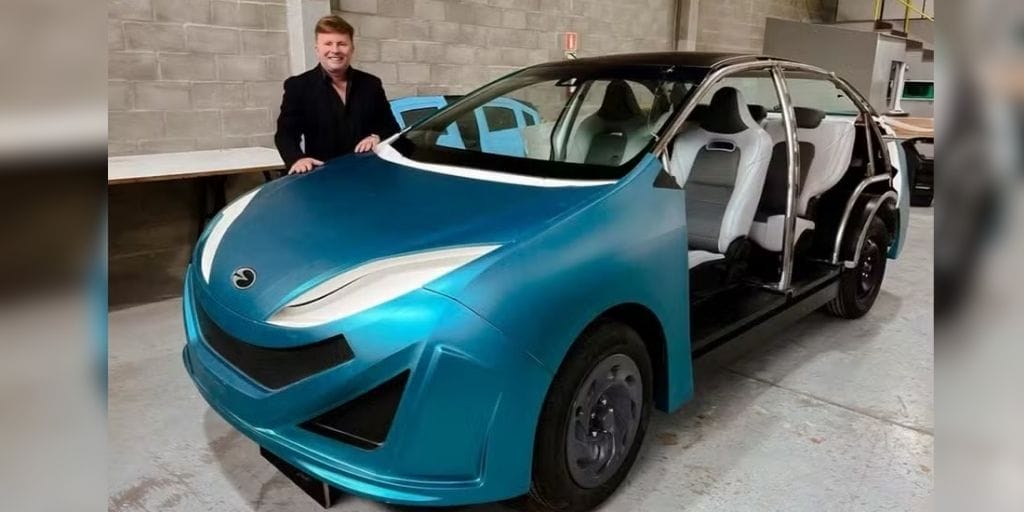

Dramatic Turn In The Automotive Market: Brazilian Company Gives Up Promised Electric Car And Invests In Another Technology With Record Consumption Of 33.3 Km/L.
In a surprising turn, the company Lecar, led by businessman Flávio Figueiredo Assis, self-styled “Brazilian Elon Musk,” announced that it has abandoned plans to launch a 100% Brazilian electric car.
Expectations were high for the electric sedan that promised to revolutionize the market as early as 2024. However, Lecar decided to redirect its efforts towards the development of flex hybrid cars, a decision that shocked many enthusiasts and industry experts.
According to an official statement, Assis confirmed that the prototype Lecar 459, initially set to hit the market in December as an electric vehicle, will be readapted for the new hybrid technology. The company did not disclose details about the hybrid model’s powertrain but has already made bold promises regarding consumption and range.
-
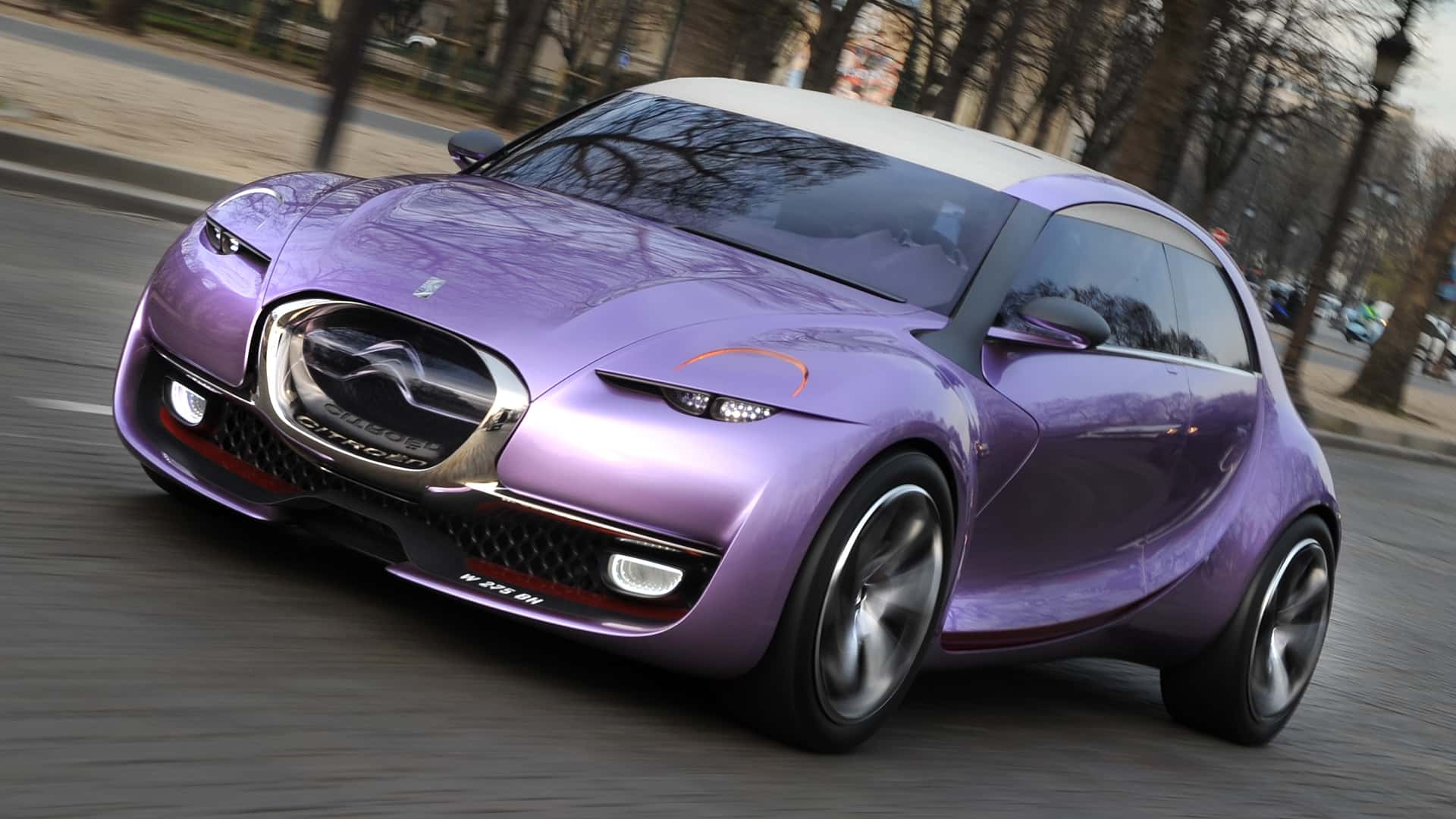
After decades out of the spotlight, Citroën is preparing to bring back the legendary 2CV as a low-cost electric vehicle, betting on the revival of one of the most popular cars in history and aiming to enter the race for affordable compact cars.
-
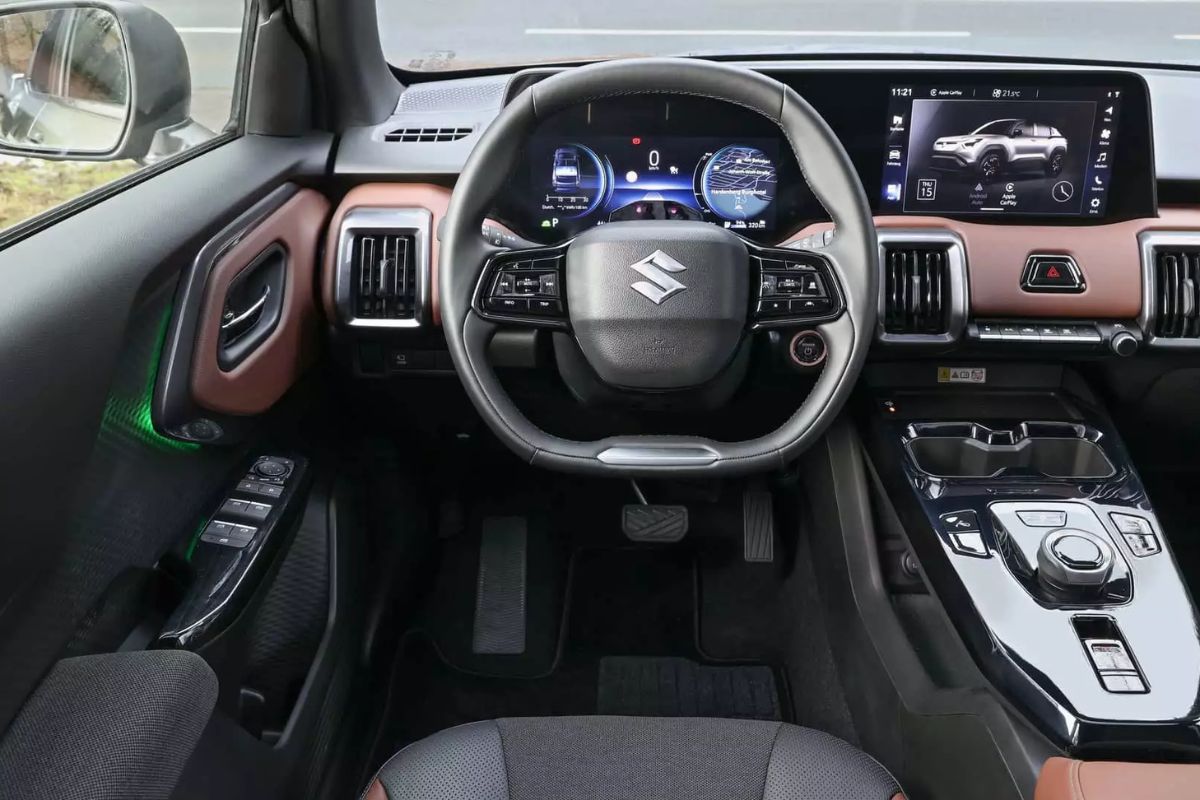
The 2026 electric Vitara arrives in Brazil and proves that Suzuki is not leaving: 4×4 traction, 184 hp, 61 kWh LFP battery, 293 km range, R$ 259,000, and a trunk capacity of 224 L.
-
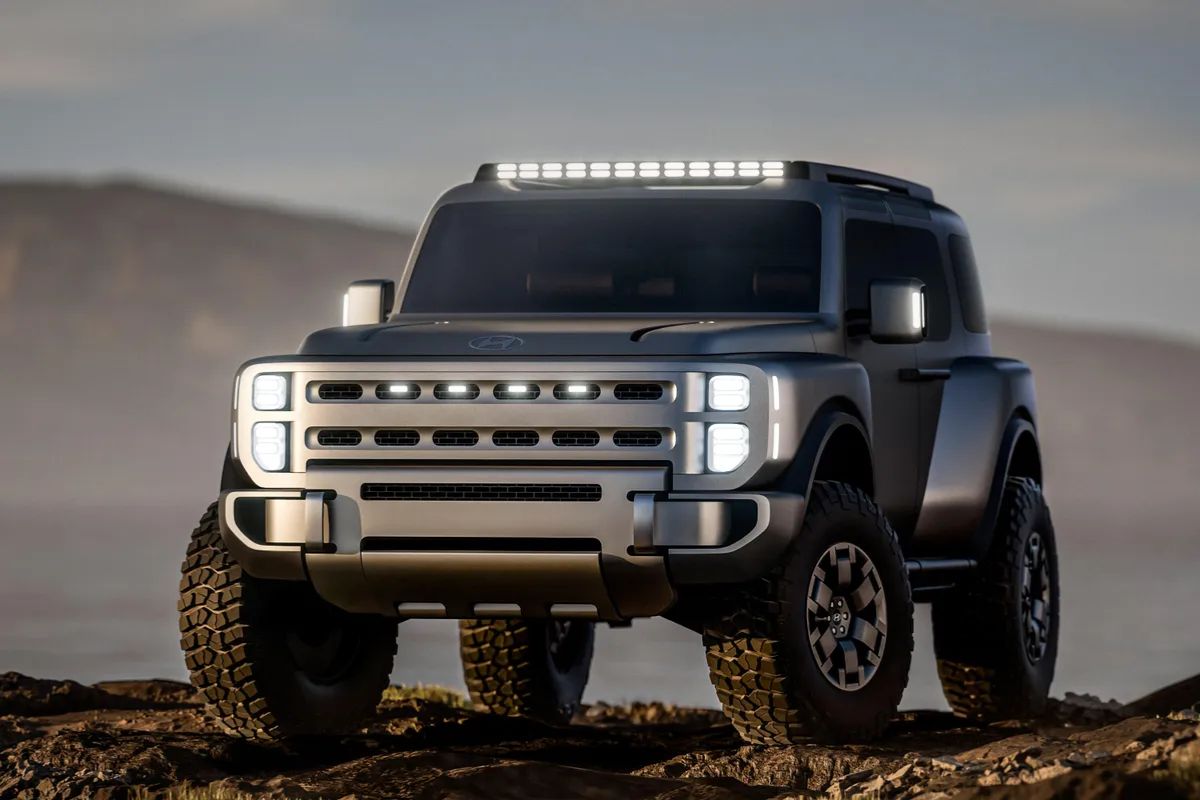
Hyundai has unveiled the Boulder, a square SUV with a body-on-frame design, 37-inch mud tires, and carriage-style doors that seems to be made to take on the Ford Bronco and the Scout Traveller in the United States.
-
The Toyota Hilux is R$ 75.5 thousand cheaper and bets on the 2.8 turbodiesel engine with up to 204 hp and 50.9 kgfm to catch up with the VW Saveiro, which leads with 4,472 sales.

The Reason For The Change In Course
The decision to change direction was justified by Lecar with the claim that electric vehicles are not yet “a beneficial reality for the market.” According to the brand, the prevalence of electric cars could bring more troubles than real solutions for mobility.
The company even criticized the technology it once supported, pointing out that, even with more modern engines and batteries, the concept of the electric car has remained unchanged since 1890, and that the technological limits of batteries are nearing their peak.
According to Lecar, the focus will now be on the hybrid sedan that could drive 1,000 km on 30 liters of ethanol, which means an average consumption of 33.3 km/l. This promise places the Lecar 459 in a prominent position in the hybrid vehicle market, offering a mobility option that combines fuel efficiency with a lighter environmental footprint.
With the change in direction, Lecar is betting on a flex hybrid technology that may better adapt to the needs of the Brazilian market. The promise of a vehicle with high fuel efficiency and less dependence on electric charging infrastructures could be a significant differentiator.
The History Of Lecar And Its Ambitions
Founded in 2022, the Gaúcha company Lecar was born with the ambitious promise of becoming a Brazilian manufacturer of electric vehicles, inspired by Tesla. Assis expressed interest in taking over the former Ford factory in Camaçari (BA) during negotiations with the Chinese BYD. However, the turnaround in Lecar’s plans shows a rapid flexibility and adaptation to market realities.






Parabéns a esse brasileiro, precisamos de mais gente como esse.
E melhor o Brasil continuar plantando café, cana de açúcar, cacau deixa tecnologia para quem sabe
Discordo, veja o que é a Embraer hoje! Poucos países projetam e constroem aviões de médio e grande porte, e ela está entre as quatro mais importantes e tecnológicas do mundo.
Agora tem uma chance de ter sucesso. A depender do preço final do veículo. O carro 100% elétrico, para a realidade brasileira é uma bobagem.
Carro elétrico para quem anda muito longe não funciona, melhor é o híbrido, o Brasil foi pioneiro na fabricação de carro elétrico pela Gurgel em 1980, na época o governo não deu incentivo para a Gurgel e nem financiamento.