





 Portuguese
  English
  Spanish
  3 min of reading
  0 comments


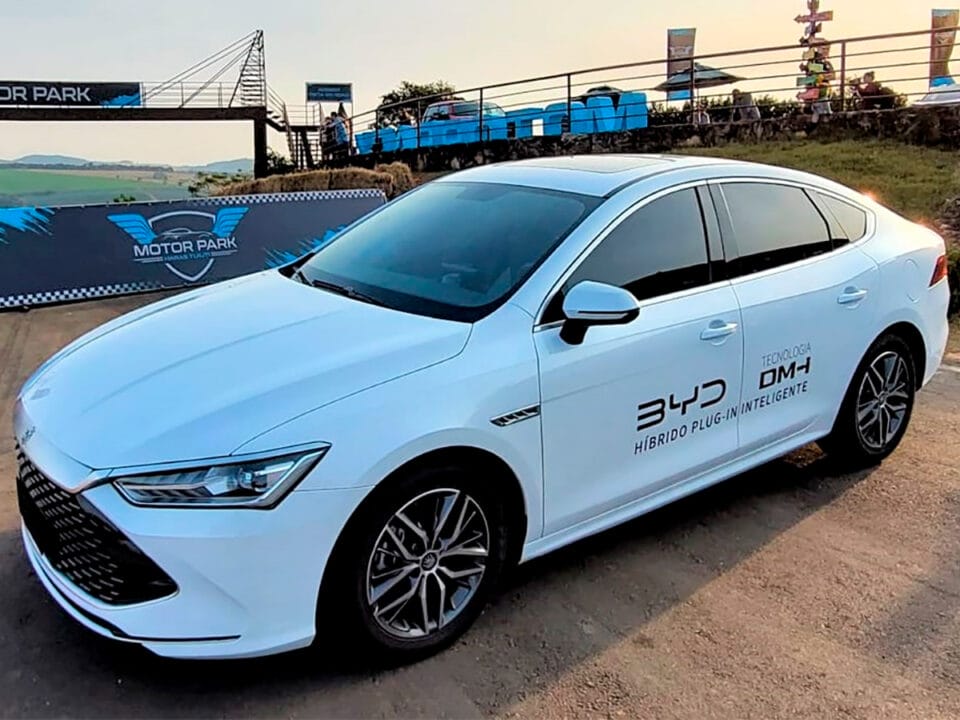
BYD, Leader In Electric Cars, Reveals That The Ethanol Hybrid Car Is The Future Of Fuel In Brazil, Marking A New Era
BYD, the undisputed leader in electric car sales in Brazil, is redirecting its market strategy to emphasize the potential of ethanol-powered hybrid cars. Although known for dominating the pure electric vehicle market, BYD sees hybrids as the next frontier for automotive sustainability in the country. fuel
BYD Brazil’s president, Tyler Li, highlighted this vision during the Web Summit Rio, following productive discussions with the government about the emerging category of “bioelectric” cars.


The Synergy Between Ethanol And Electricity
According to Tyler Li, the combination of ethanol with hybrid technology represents an unmatched green solution, especially for Brazil. Unlike other major economies such as China, the USA, and Europe, which still rely considerably on combustion vehicles, Brazil has the unique advantage of ethanol, a biofuel that significantly reduces CO2 emissions.
-
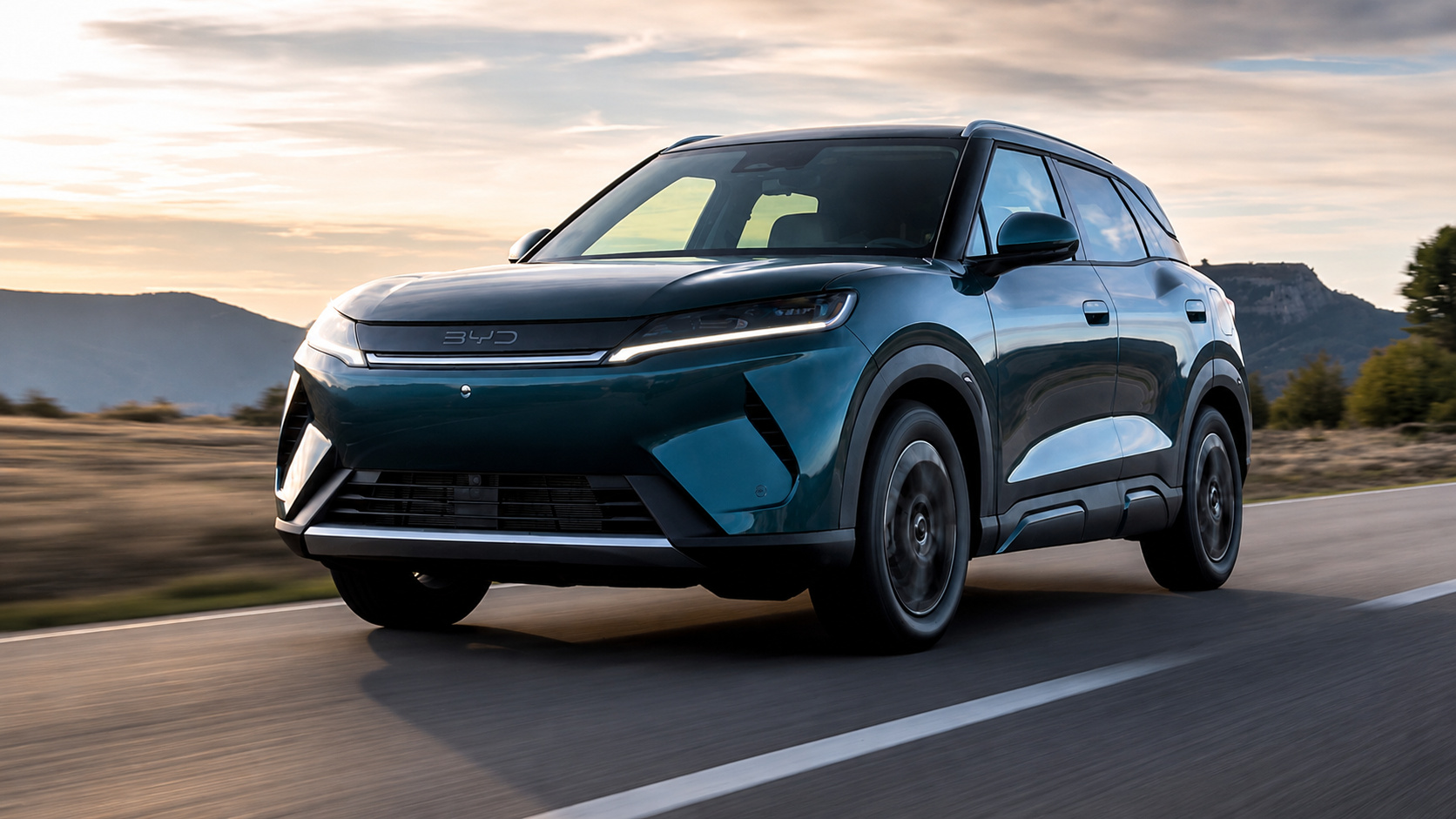
BYD Atto 2 DM-i flex prepares to debut in Brazil with a plug-in hybrid engine, national assembly in Camaçari, competitive pricing, and targets Creta and T-Cross in a battle that promises to heat up the compact SUV market.

-
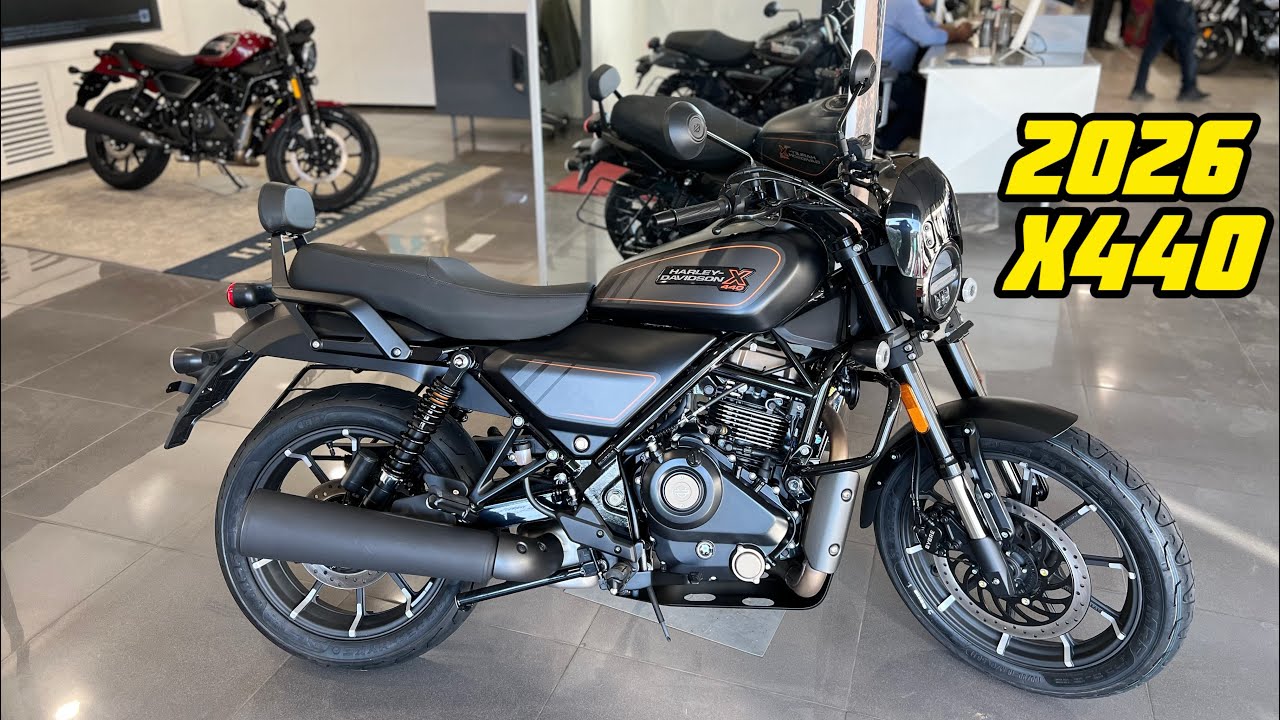
Harley-Davidson created an entry-level motorcycle that seems impossible for those who only know the brand’s big bikes: the X440 uses a 440 cc single-cylinder engine, delivers 27 hp, 38 Nm, a declared fuel consumption of 35 km/l, and showcases a small, rational, and much more accessible Harley in India.

-
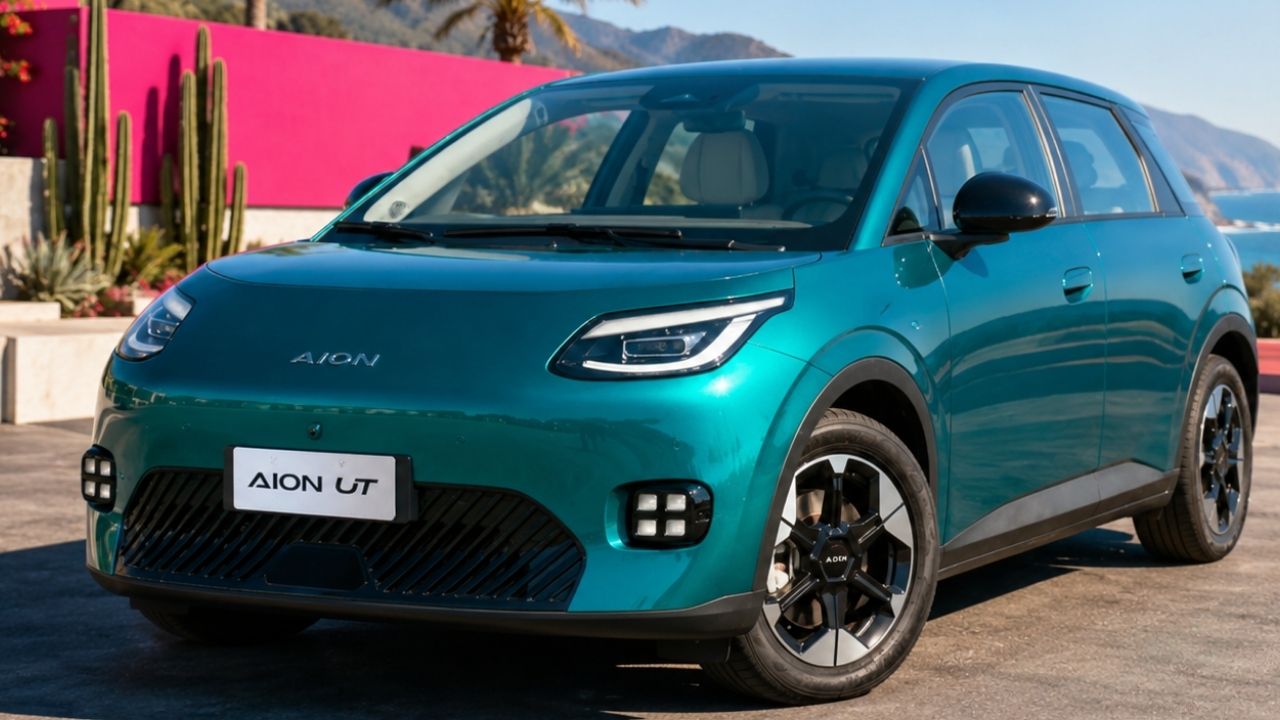
GAC Aion UT lands in Brazil for R$ 135,990 as the most affordable electric car in the country with over 200 hp, surpasses BYD Dolphin in size, features a 360 camera, and offers up to 310 km of range to challenge Chinese rivals.
-
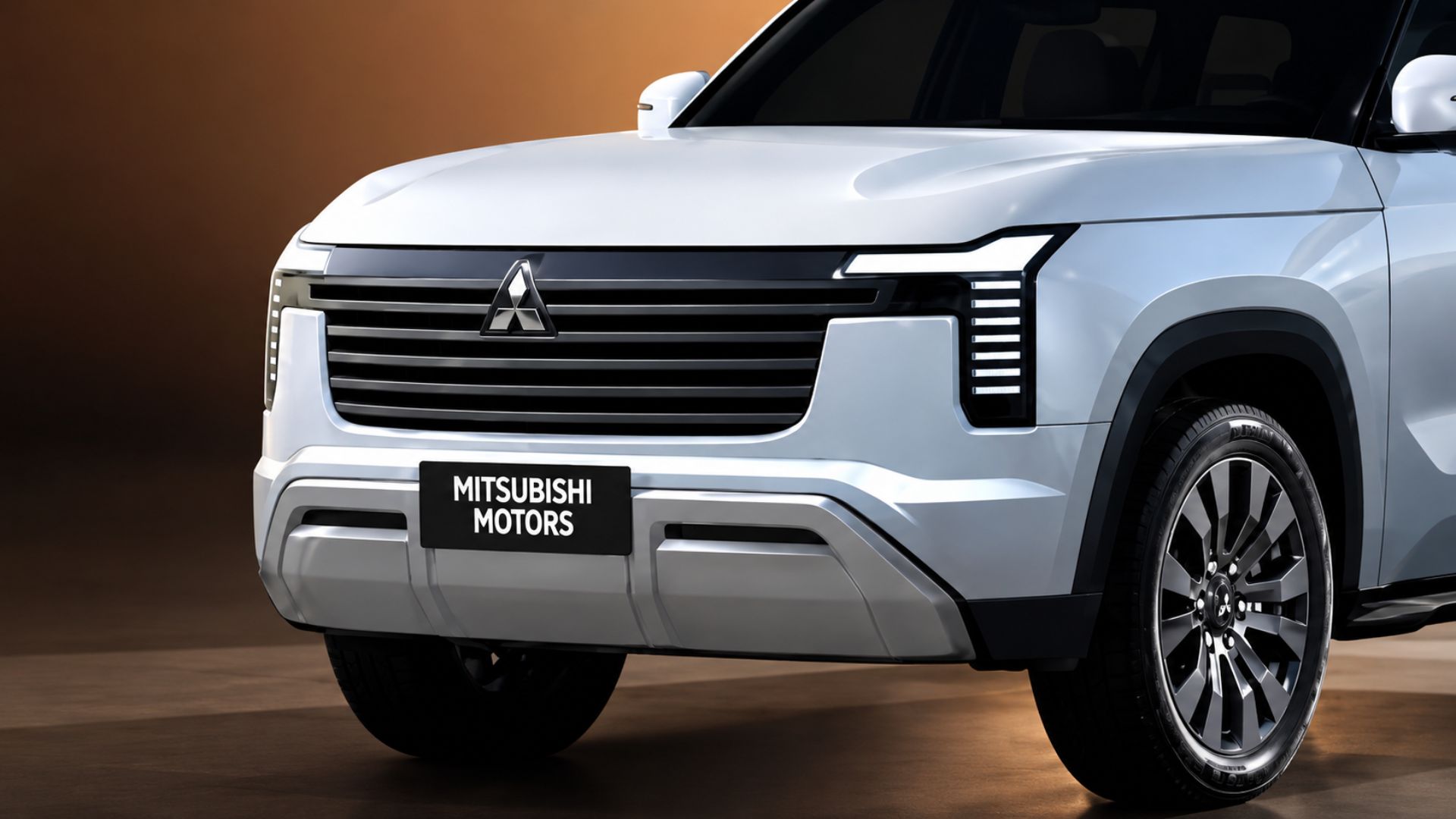
Mitsubishi confirms the triumphant return of a car beloved by Brazilians that was discontinued after almost 40 years, based on the Triton, 4×4, and targets rival Toyota Land Cruiser in a plan of 13 SUVs.

Furthermore, integrating ethanol into hybrid systems can further decrease dependence on combustion engines, notably reducing environmental impact. fuel
Alignment With Government Policies
This approach aligns with federal government policies promoting ethanol as a viable and more ecological alternative to total electrification. Burning ethanol can emit up to 90% less CO2 compared to gasoline.
This political alignment not only reinforces BYD‘s commitment to sustainable development but also positions the company at the forefront of automotive innovation in Brazil, both in electric and hybrid car production.
Expansion Of Local Production And Future Launches
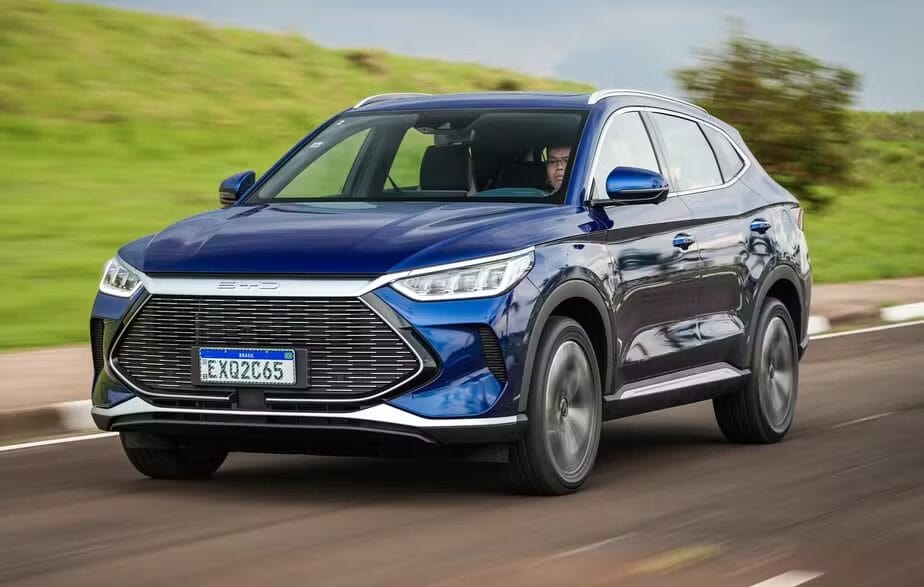
Preparing for a new era, BYD plans to expand its production of electric and hybrid vehicles in Brazilian territory. The planned complex in Caçamari, Bahia — formerly a Ford plant — will be the center of this innovation. In addition to the already known electric car models Dolphin Mini, Dolphin, and Yuan Plus, the hybrid Song Plus will receive updates to run on ethanol.
The company also has ambitious plans to locally produce batteries, utilizing Brazilian natural resources like lithium.
The Promising Future Of Bioelectric Hybrids And The Role Of Fuel Against Electric Cars
Soon, BYD will expand its hybrid lineup in Brazil. Testing is underway for the mid-size sedan King, which will feature a plug-in hybrid system. Additionally, the mid-size pickup Shark, also equipped with PHEV technology, will arrive in the Brazilian market in August. BYD is not only adapting its market strategy to the Brazilian context but also paving the way for a more sustainable and innovative future in the automotive industry.
This new focus on bioelectric hybrid vehicles against electric cars highlights BYD’s commitment to technological advancement and environmental sustainability, promising to transform the Brazilian automotive landscape with solutions that combine technology, ecology, and economy.
Source: Motor1







Be the first to react!