





 Portuguese
  English
  Spanish
  6 min of reading
  0 comments


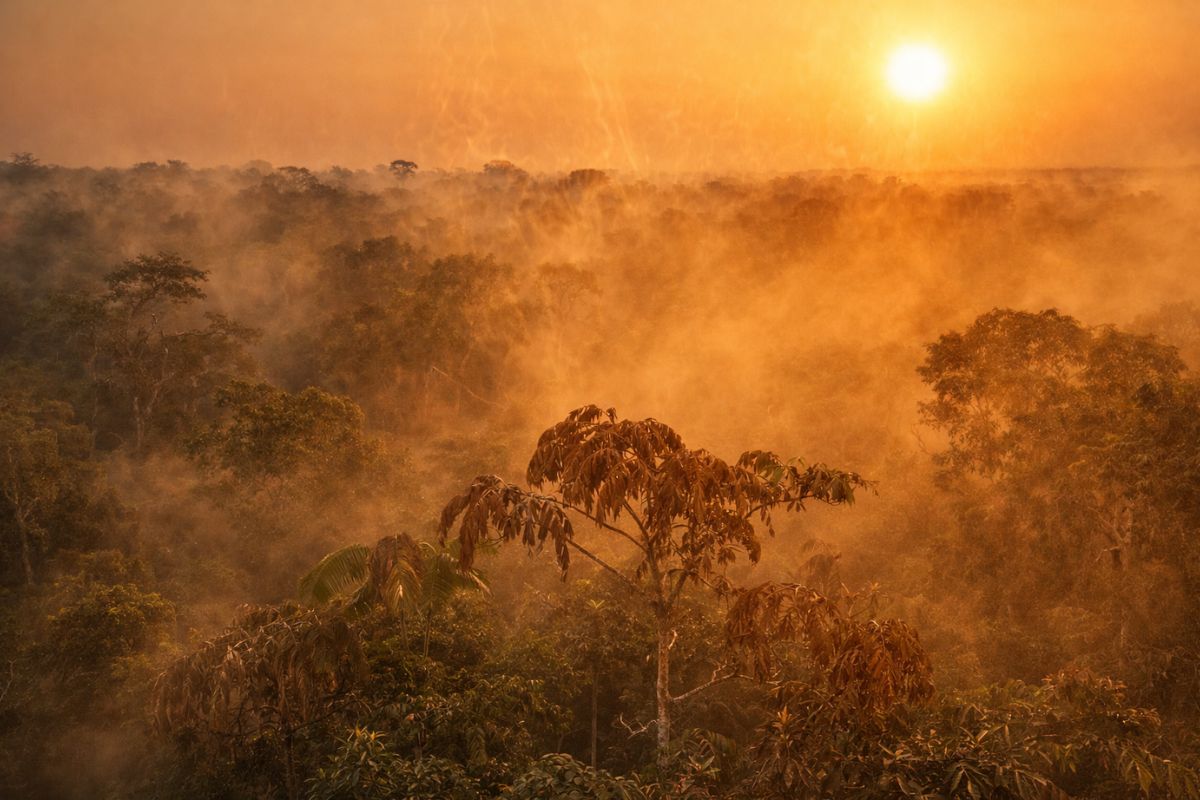
Scientists measured more than 500 thousand trees in 813 forests in the tropics and discovered that above 32°C of daytime temperature, carbon stocks plummet, that each additional degree releases four times more CO₂, and that 0.01% of the leaves of the canopy already exceed the critical temperature of 46.7°C at least once a year, a number that could rise to 1.4% with future warming.
Tropical forests hold the equivalent of 25 years of fossil fuel emissions just in their trees. Amazon, Congo, Southeast Asia: together, these regions are the planet’s largest natural brake against global warming. But this brake is heating up.
And the question that scientists from at least three continents are trying to answer is straightforward: can tropical forests survive the heat that is coming? To find out, teams of researchers set up experiments in Brazil, Australia, Puerto Rico, Rwanda, and even inside a giant greenhouse in the Arizona desert. The results, published in the journals Science and Nature, are not encouraging.
Is there a limit temperature for tropical forests?
Yes. And it is lower than it seems.
-
The silent villain of the home office sits on the desk, stays on all day, and can increase the electricity bill.

-
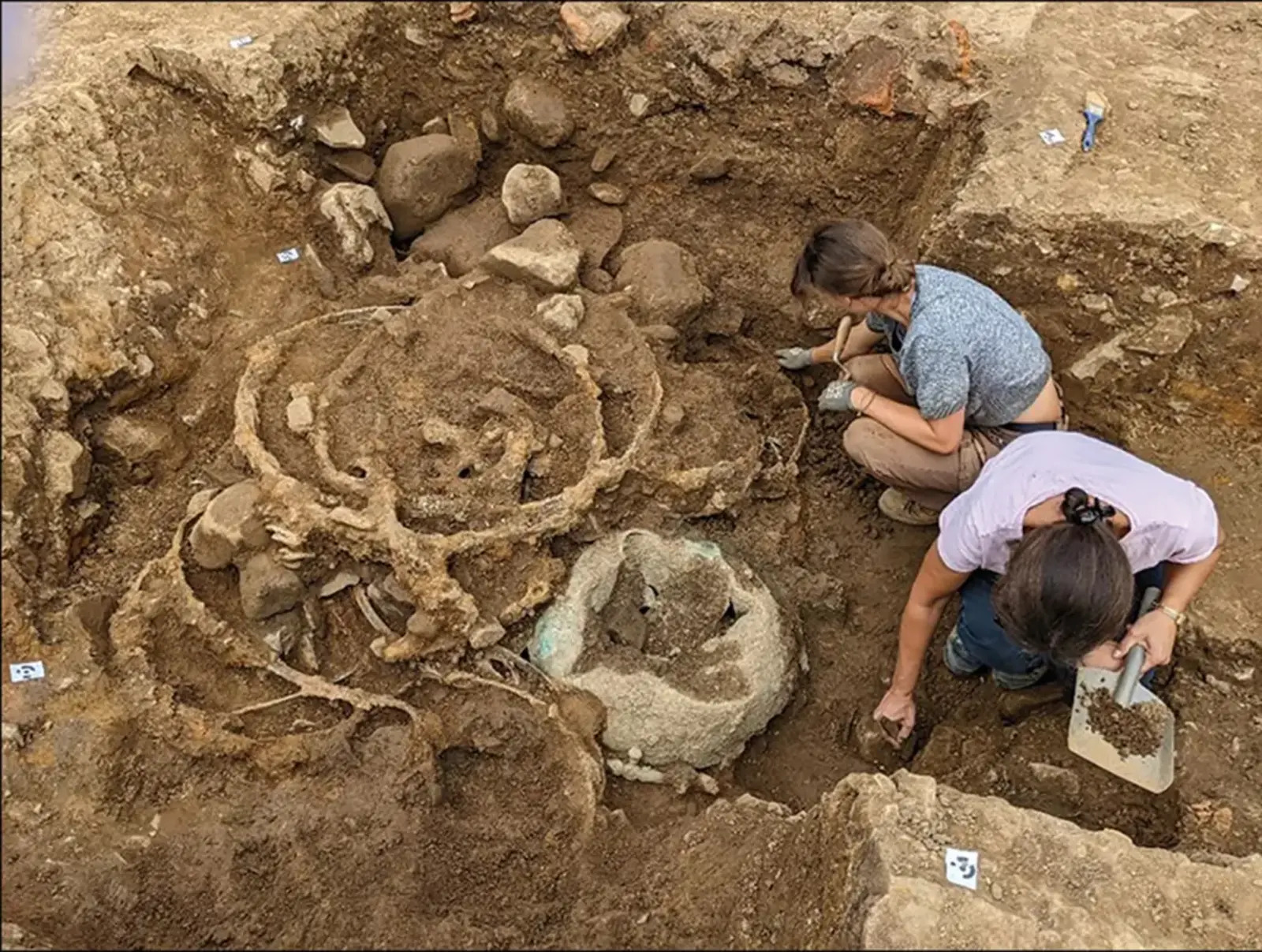
Archaeologists are excavating Iron Age treasure in England and have found, among 950 metal pieces, rare remains of four-wheeled carts that could change what was known about transport and wealth in ancient Britain.
-
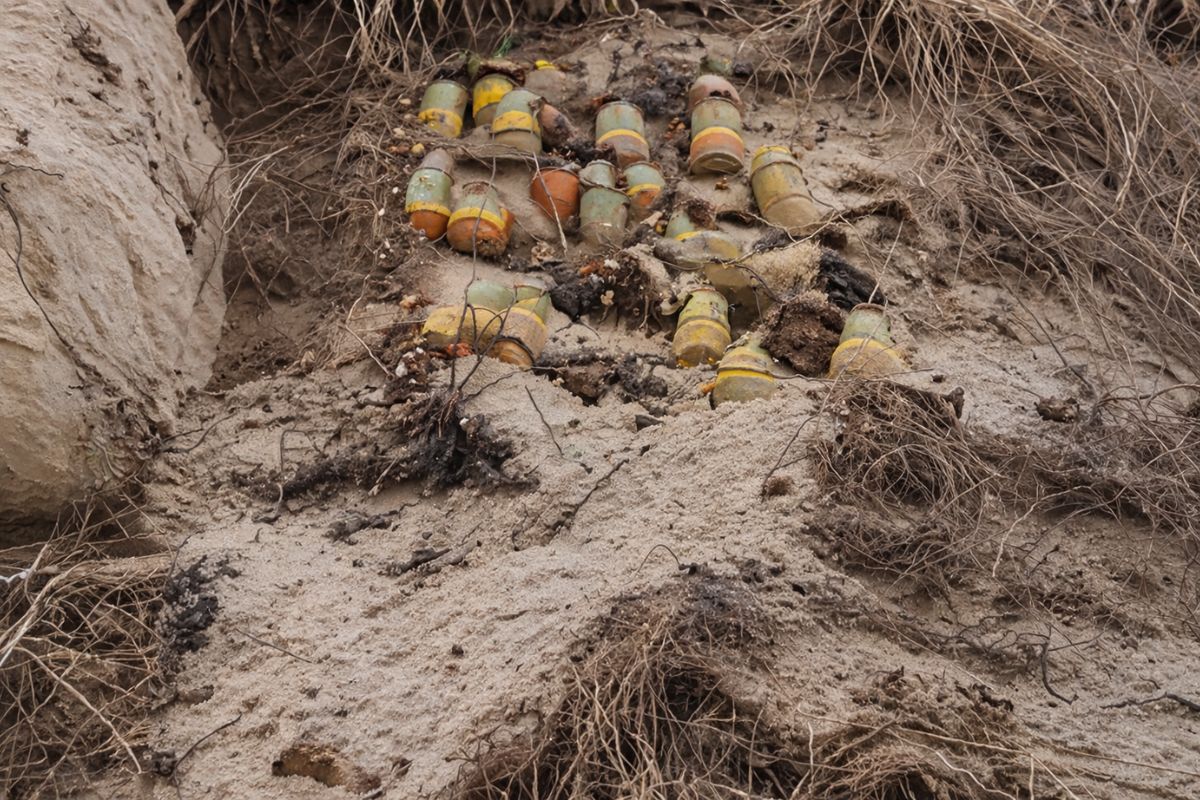
More than 150 World War II phosphorus grenades were found buried in the sand of a beach in northeast England, and one person was burned after touching the artifacts that ignite spontaneously upon contact with air.
-
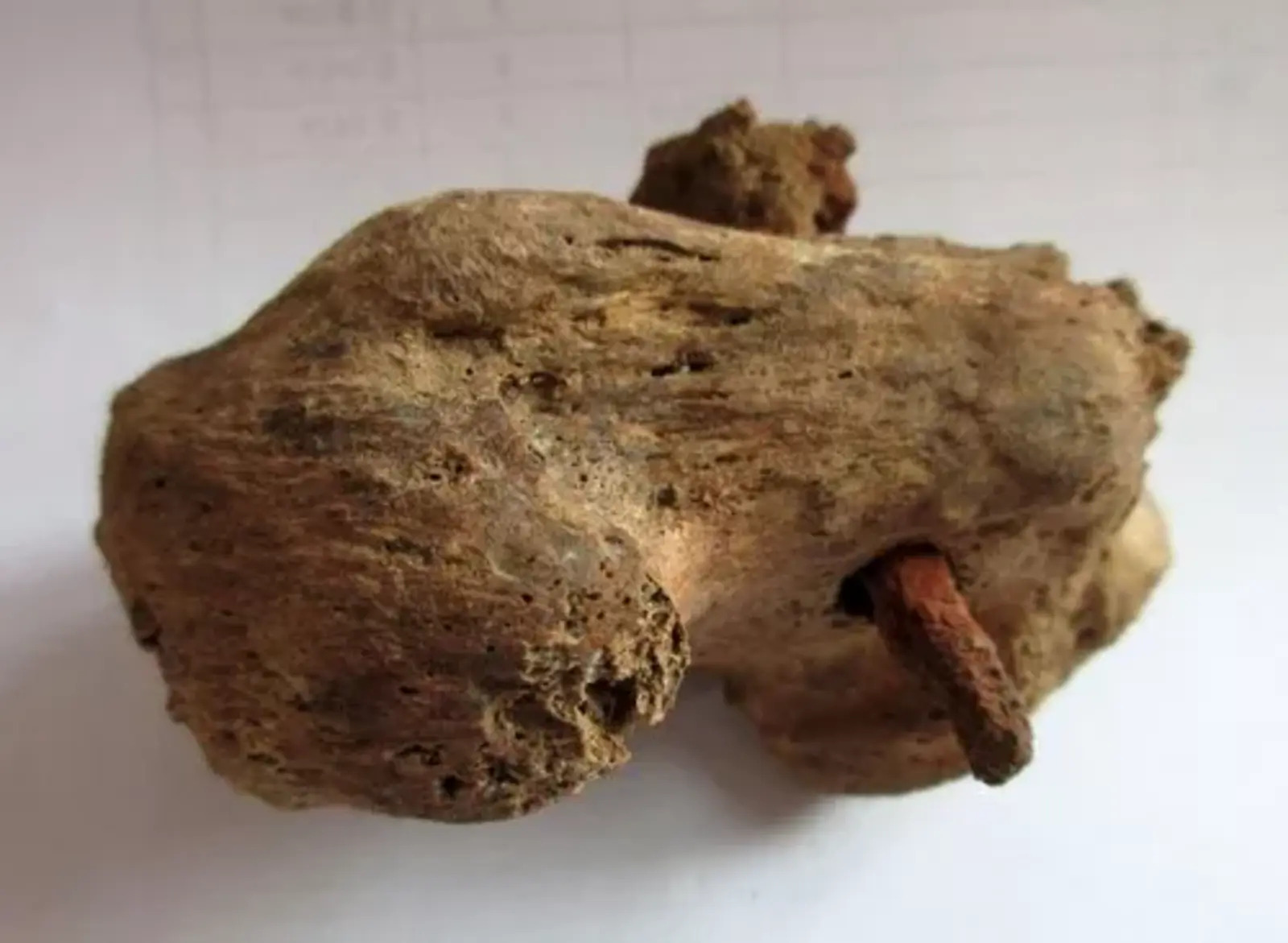
Archaeologists are surprised by a skeleton found with 13 nails, including one through the heel, revealing one of the rarest findings on crucifixion ever seen in the region.
When daytime temperatures exceed 32°C for prolonged periods, the carbon stock of tropical forests begins to drop rapidly. Each degree above this limit releases four times more CO₂ than would be released below it. The discovery came from an international team that measured over 500 thousand trees in 813 forests in the tropics, in the first study to analyze long-term climate sensitivity based on direct observation of entire forests around the planet.
Brazilian researcher Beatriz Marimon, from the State University of Mato Grosso, who studies some of the hottest tropical forests in central Brazil, participated in the work. “If we limit global warming to 2°C above pre-industrial levels, that pushes almost three-quarters of tropical forests beyond the heat limit we identified”, the authors warned. And Marimon made an important addition: intact forests can withstand some climate change, but at the same time face immediate threats from fire and fragmentation. Protecting and connecting the remaining forests is the first condition for any adaptation.
The study also revealed that, in the long term, temperature is the factor that most affects the carbon stock of forests, reducing tree growth. Drought appears as the second most important factor, directly killing trees.
Why are tropical forests so vulnerable to heat?
Tropical species evolved in environments where the temperature hardly varies throughout the year. Unlike temperate forests, where trees face freezing winters and hot summers and have developed tolerance to wide fluctuations, tropical species operate within a very narrow temperature range. Any small change already represents a large proportion of what they are used to enduring.
Martijn Slot, a plant ecologist at the Smithsonian Tropical Research Institute in Panama, explains that the issue is especially urgent for taller species. “The trees that form the canopy now, during their lifetimes, will face quite significant temperature changes.” These are trees that can live for centuries but are exposed to warming that advances in decades.
What happens when leaves exceed 46.7°C?
The photosynthesis machinery of tropical trees begins to fail around 46.7°C on the leaf surface. Slot describes the process directly: when leaves exceed this limit, they die, turn brown, can no longer photosynthesize, and stop transpiring. “They basically stop sweating and, therefore, stop cooling themselves”, he said in a press conference about the study.
To measure how close the canopies of tropical forests are to this limit, researchers combined three data sources: thermocouples installed directly on tree leaves in various locations in the tropics, pyrgeometers that measure thermal radiation, and images from NASA’s ECOSTRESS satellite, specifically designed to measure surface temperatures with high resolution.
The result is concerning: the peak temperature in the canopy reaches 34°C in dry periods, but the tail of the distribution already exceeds 40°C. And 0.01% of the leaves at the top of the canopy already exceed 46.7°C at least once a year. In field heating experiments, where researchers artificially increased leaf temperatures by +2°C in Brazil, +3°C in Puerto Rico, and +4°C in Australia, leaves exceeded the critical limit 1.3% of the time. And for temperatures above 43.5°C, the number jumped to 11%.
It seems small. But the problem is the cascading effect. If the upper layer of the canopy dies, it is replaced by the lower layer, which has even lower heat tolerance. And without transpiring leaves at the top, the forest loses its ability to cool itself. Experiments showed a 27% drop in transpiration when leaves stay above 46.7°C for prolonged periods. Warming feeds on itself: dead leaves generate more heat, which kills more leaves.
Can tropical trees simply adapt?
Three possible paths: migrate, evolve, or acclimate. None of the three is guaranteed.
Tropical species in the Americas are not migrating fast enough to keep up with warming. Climbing mountains or moving away from the Equator takes generations, and tropical trees can take decades to start reproducing. Genetic evolution at this speed is practically impossible. Scientists are skeptical that migration will solve the problem.
That leaves acclimation: adjusting physiology within the same generation. To test this, Kristine Crous from Western Sydney University heated leaves of four species in tropical forests of Australia to 4°C above ambient temperature for eight months. The result: photosynthesis dropped by up to 35%. And the most sensitive species were precisely the longest-lived ones, those that form the canopy of ancient forests. “Unfortunately, the longest-lived species of primary forests are the most sensitive,” Crous said.
In Rwanda, eco-physiologist Myriam Mujawamariya conducted experiments with 16 species transplanted between areas of different altitudes, with a 5°C difference in average temperature. Two high-altitude species showed no increase in the ideal photosynthesis temperature after growing in warmer grounds. The slow-growing trees, which are the largest and most important in primary forests, had 30% lower photosynthesis in the warmer plots. “It’s not good news,” summarized Mujawamariya.
Is there any good news?
Yes, and it comes from two unlikely places.
In Biosphere 2, a complex of giant greenhouses built in 1991 in the Arizona desert, tropical trees grow up to 27 meters tall within a controlled environment. A team led by Marielle Smith, an ecosystem ecologist at Bangor University, measured CO₂ levels inside the greenhouse under different temperatures. Even at 43°C, photosynthesis was not harmed. This suggests that, under conditions where humidity is maintained and CO₂ is elevated, some species may be more resilient than field tests indicate.
And in Peru, there is a natural laboratory that no scientist could replicate. The Boiling River, known locally as Shanay-timpishka, is fed by superheated groundwater that rises from deep faults and pushes air temperatures up to 11°C above neighboring areas. The heat and humidity are so intense that visitors risk heatstroke. When eco-physiologist Alyssa Kullberg, now a postdoctoral researcher at the Swiss Federal Institute of Technology, first entered the hottest part of the forest around the river, what struck her most was the strange uniformity of the environment. Far fewer species grew there than in the cooler areas nearby, an impression later confirmed by a study published in Global Change Biology.
The forest around the Boiling River survives. Different, impoverished in diversity, more uniform, but alive. It is the closest portrait we have of how a tropical forest reorganizes under extreme heat: it does not disappear completely, but loses complexity, loses species, and loses part of its ability to function as a reservoir of carbon and biodiversity.
Is there still time?
If global temperatures rise by 2°C, three-quarters of tropical forests exceed the 32°C limit. If it rises by 3.9°C, the model indicates a possible point of no return in the metabolic function of trees. And this scenario is within high emission forecasts.
But it is not inevitable. Christopher Doughty from Northern Arizona University and lead author of the Nature study emphasized: “Our model is not destiny. It suggests that with basic climate mitigation, we can address this issue.” The 3.9°C scenario only materializes in the most pessimistic emission pathways. In low emission scenarios, the limit remains out of reach.
The researchers’ conclusion is that tropical forests have the capacity to adapt to some climate change, partly due to high biodiversity: more heat-tolerant species grow well and replace the less adapted over time. But this replacement takes decades and requires that the forests remain intact, without fragmentation, without fire, and without accelerated deforestation.
The limit has not yet been crossed irreversibly. But the leaves at the top of the oldest trees are already cooking, and they are precisely the ones that hold the system up.
With information from Science, Nature, and Carbon Brief.







Seja o primeiro a reagir!