





 Portuguese
  English
  Spanish
  3 min of reading


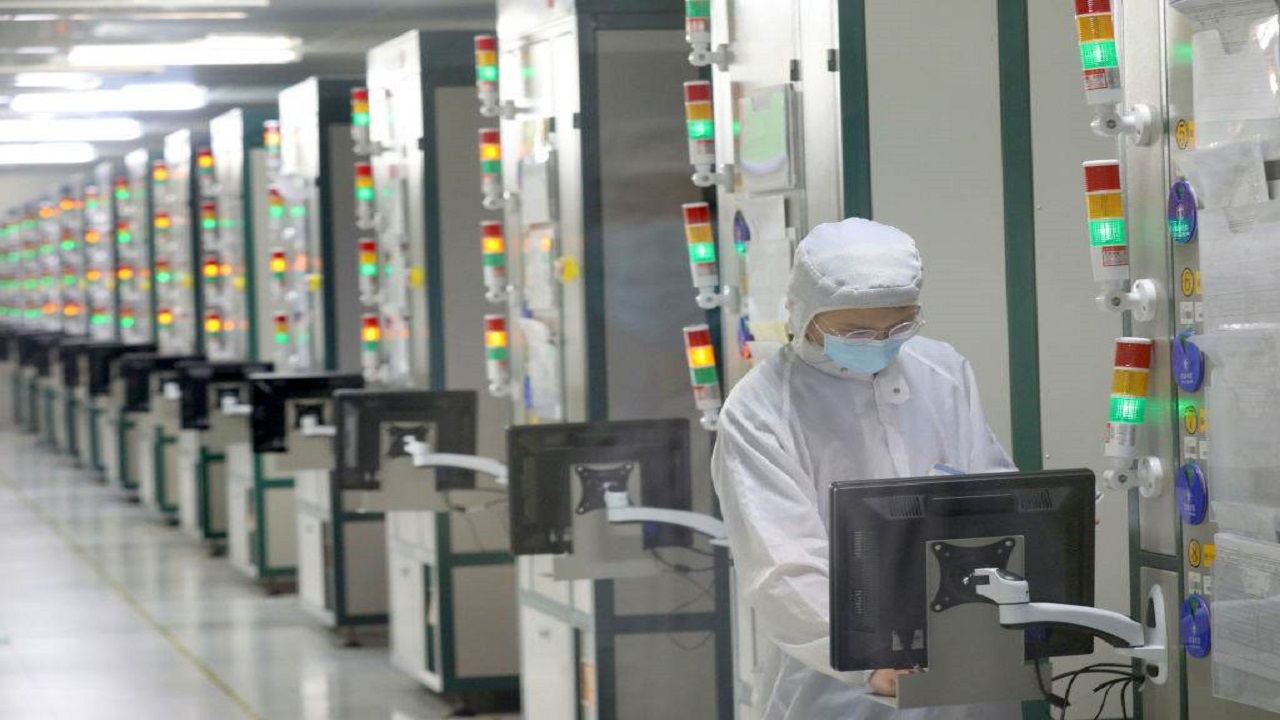
The Total Investment in the New TMSC and Sony Factory Project Is Estimated at 800 Billion Yen (US$ 38 Billion), the Japanese Government Will Provide Up to Half of the Amount in an Effort to Resume Automotive Sector Activities
Taiwan Semiconductor Manufacturing (TMSC), the world’s largest chip manufacturer, and the Sony Group are considering jointly building a semiconductor chip factory in western Japan amid a global chip shortage. Japan’s top automotive parts manufacturer, Denso, is also looking for ways to participate in the investment. Toyota Motor is the only automaker that still manages to obtain supplies steadily, taking advantage of the demand for chips used in its automotive parts.
Read Also
Sony Reuses Semiconductors to Navigate the Automotive Industry Crisis
Sony may also have a minority stake in a new company that will manage the factory, which will be located in Kumamoto Prefecture, on land owned by Sony and adjacent to the sensor factory.
The factory will produce semiconductors used in camera image sensors, as well as chips for automobiles and other products, and is expected to become operational in 2024. The plans for the facility – which would be TSMC’s first chip production operation in Japan – come at a time when the global technology industry is facing an unprecedented semiconductor shortage and supply chain disruptions.
-
Less than a Tera TSI, up to 710 km of range and charging in 9 minutes: the new BYD Song Ultra expands the Chinese brand’s bet on increasingly faster, more technological, and competitively priced electric SUVs.

-
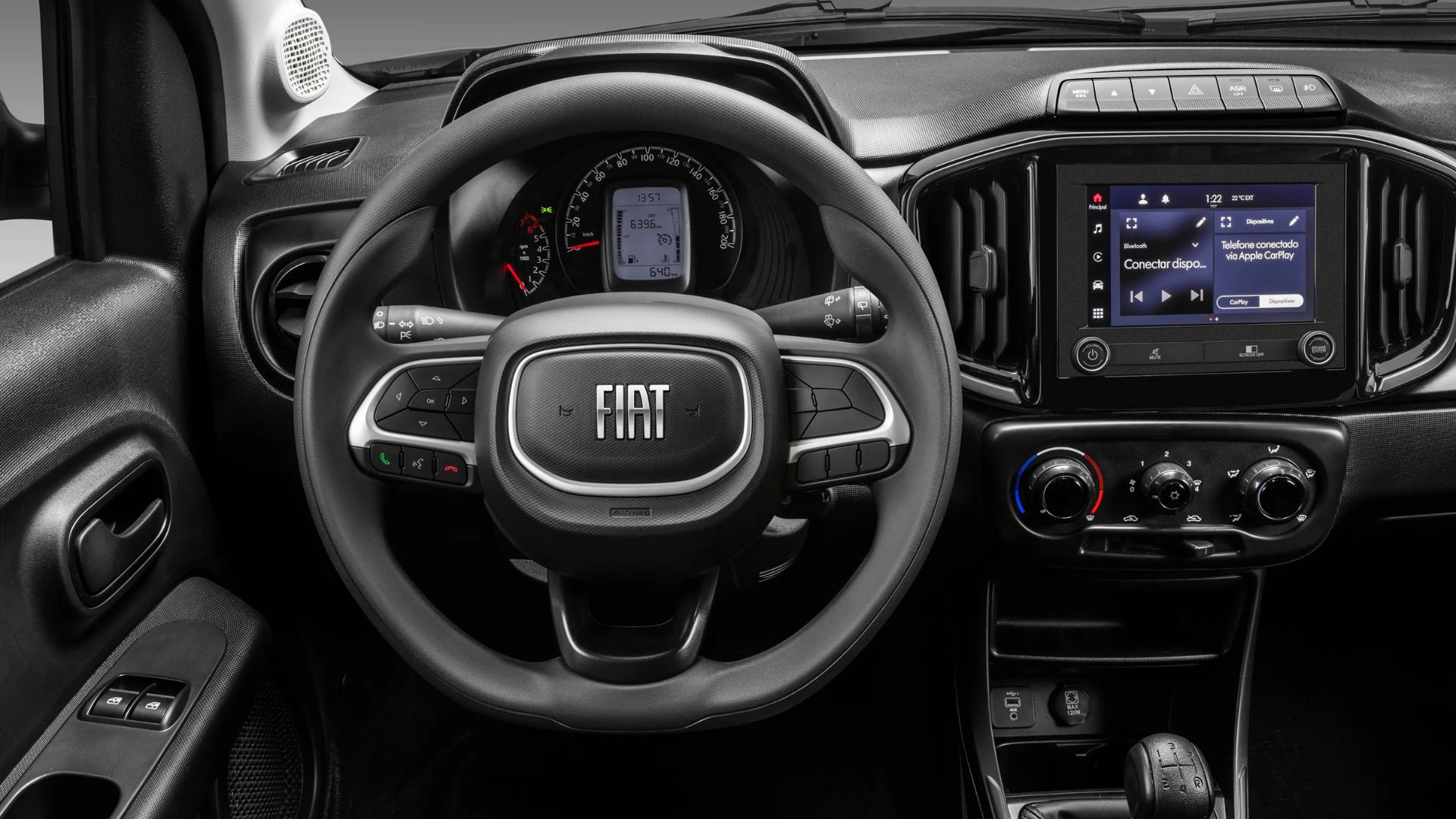
With a 1.0 engine producing 75 hp and costing less than R$ 70,000, Fiat’s car returns to the podium as the cheapest in the country; a temporary promotion for the 2026 Like version reduces the price of the Fiat Mobi.
-
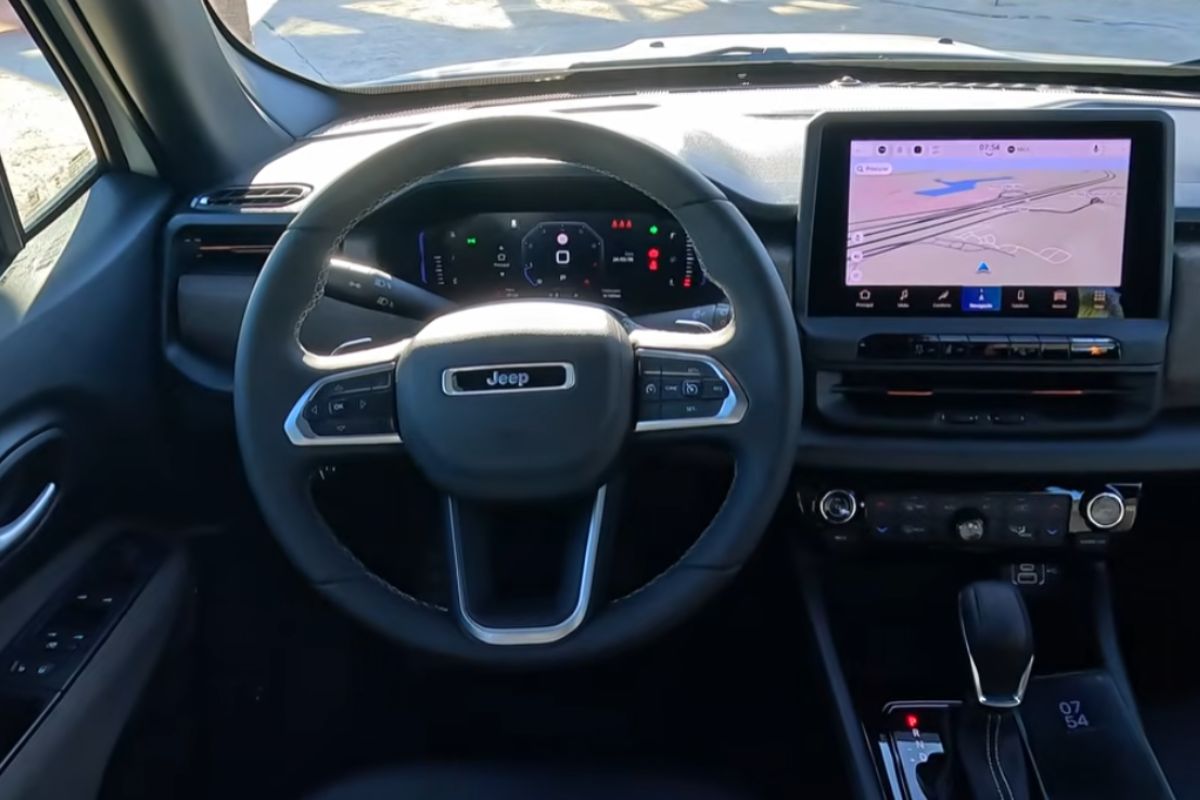
With a mild hybrid system of 48 V, 176 hp and a price of R$ 175,990 in the Sahara version, the new Jeep Renegade changes mostly on the inside, improves slightly in fuel consumption, and remains almost the same car.
-
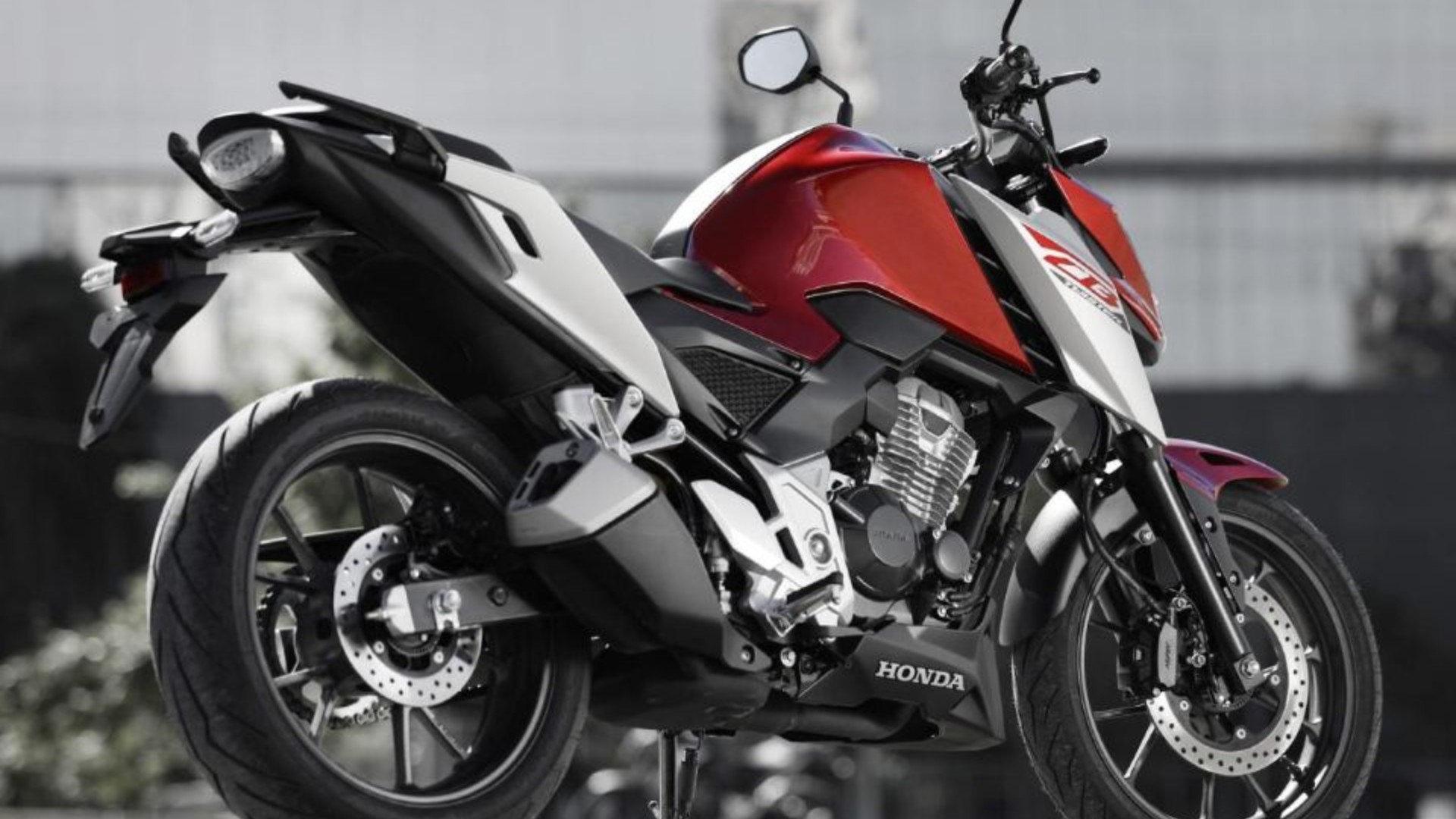
With a 293.5 cm³ engine and a range of up to 400 km with a 14.1-liter tank, the Honda CB 300F Twister 2026 has up to 24.7 hp, an initial price of R$ 25,150, and already exceeds R$ 29,000 in the Fipe Table.

TSMC confirmed in July that it was “actively reviewing” the plans for the project. The Japanese government, increasingly concerned about maintaining supply chain stability amid the chip shortage and rising tensions around the Taiwan Strait, will support the project with subsidies.
Japanese chipmakers abandoned the race to develop large-scale chips in the 2010s and instead outsourced the production of cutting-edge semiconductors to companies like TSMC. By accepting direct investment from the Taiwanese company, Japan hopes to resume the production of advanced products in the country with Sony.
Sony and TSMC Partnership for Semiconductor Production Could Alleviate Automotive Industry Crisis
Sony controls half of the global market share for sensors used in smartphones and cameras, with manufacturing bases in Kumamoto and Nagasaki prefectures. Sensors are manufactured in-house, but the semiconductors that process the images are sourced from third parties, including TSMC.
Sony CEO Kenichiro Yoshida previously stated that the ability to acquire semiconductors consistently is important for maintaining Japan’s international competitiveness. As the global semiconductor shortage worsens, TSMC’s presence, which has the largest share of the global contract manufacturing market, is growing.
At the request of the U.S. government in 2020, TSMC decided to build a US$ 12 billion factory in Arizona. In February, the company announced that it would establish a research base in Tsukuba, Ibaraki Prefecture.
The Japanese government plans to subsidize half of the total cost of the project. The funding will be included in the supplementary budget for the 2021 fiscal year, which will be finalized after the lower house elections on October 31.
Japan to Have Priority in Semiconductor Supply
In exchange for subsidies, the government will seek a commitment that chip supply for the Japanese market will have priority. As tensions between China and the U.S. rise, semiconductors are increasingly important for economic security, as they underlie various industries.
Even in the Brazilian automotive market, the semiconductor crisis is considered a “unprecedented” crisis, coupled with declining demand in the domestic market due to the worsening pandemic, which led to the total or partial halt of 13 of the 23 car manufacturers in the country, totaling 29 halted plants out of 58.
Data is from Anfavea (National Association of Motor Vehicle Manufacturers). With production halts in the Brazilian market, industry experts estimate that up to 300,000 vehicles may not be produced this year. And between 60% and 70% of the approximately 105,000 direct employees in the sector are currently at home.








Seja o primeiro a reagir!