Portuguese
  Spanish


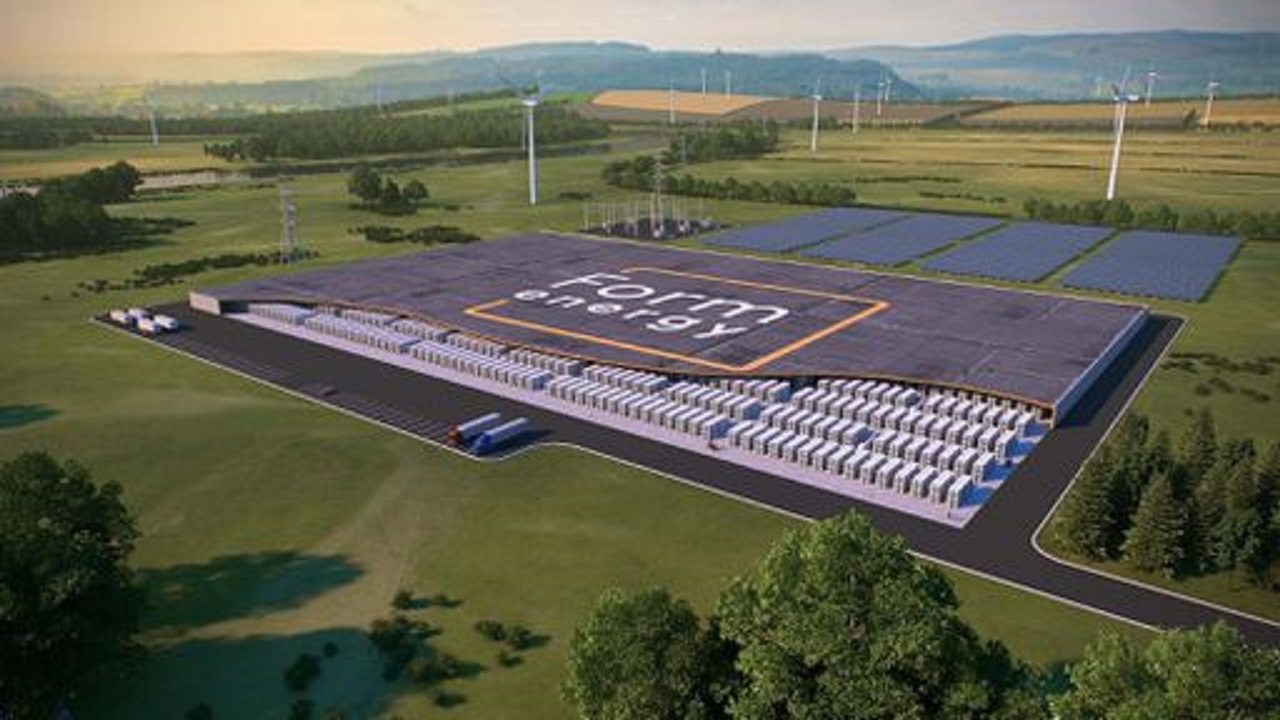

Form Energy Creates Iron-Air Battery That Has A Price 10 Times Lower Than A Lithium Battery And Can Store Renewable Energy For 100 Hours
Form Energy, a battery manufacturer in the U.S., announced the creation of an iron-air battery that can retain electricity for about 100 hours. According to the company, the battery can be used to store renewable energies, such as wind and solar power, and will be priced 10 times cheaper than a lithium battery.
Also Read
Iron-Air Battery Could Surprise The Electric Vehicle Market

Iron-air batteries utilize oxygen to convert the iron present in the cell into rust and then transform it back into iron, allowing renewable energies to be stored in batteries for much longer and more efficiently than lithium batteries.
-
Fired during apartheid and with a little borrowed money, an electrician started with a borrowed truck and transformed electrical services into a group connected to energy, real estate, and infrastructure in South Africa.

-
Wood has ceased to be just a construction material in Yale research and has become insulation for electrical transformers that face intense heat, aging, and increasing pressure from the renewable energy-powered grid.
-
More than 1,000 residents of a remote island in Kiribati now have clean water and electricity with solar systems operated by the community itself.
-
Ceará brings together 7 giants and R$ 66 billion to transform Pecém into the largest green hydrogen hub in Brazil, with final decisions expected by the end of 2026.

According to Mateo Jaramillo, CEO and co-founder of Form Energy, the company conducted a comprehensive review of available technologies and innovated iron-air batteries to optimize them for renewable energy storage over several days in the electrical grid.
With this type of technology, the company was able to provide clean energy when and where it is needed, even during several days of extreme weather or outages in the grid.
Iron-Air Batteries Can Be Rethought In The Near Future For The Automotive Industry
The idea of using such durable batteries in electric cars or smartphones is wonderful, but the cells are still too large. On average, each of the batteries is the size of a washing machine. They operate in huge sets and can store larger amounts of renewable energy for long periods.
Like conventional AA batteries, iron-air cells are stacked inside a non-flammable electrolyte made from water. When combined in an area of 4,000 m², these thousands of batteries, cheaper than lithium ones, could generate up to 1 MW of electricity, equivalent to powering 1,500 homes.
According to Greg Ludkovsky, head of R&D at ArcelorMittal, renewable energy storage technology has the potential to overcome the issue of intermittent supply and also smooth out peaks in the distribution of clean energy, as unlike lithium, the iron-air battery “breathes” oxygen when it is discharged.
Batteries Capable Of Storing Renewable Energies vs Cost-Benefit
Batteries with current technologies, such as lithium ones, average a price of US$ 80 (R$ 400) per kWh of storage. According to the company, the new cells can be sold for less than US$ 6 (R$ 30).
Moreover, as they are produced from a cheap, safe, and renewable material, they could become a viable source of electricity throughout the year. Form Energy estimates that the first plant made with iron-air batteries in the U.S. will be operational by 2025. The company’s idea is to implement similar solutions in various locations across the country to reduce electricity costs and ensure continuous supply.
According to Jaramillo, one point to consider is the unit cost, given that we need to talk about large quantities to provide intermittent and high-quality supply. Batteries with the new cells could be the key to the gradual replacement of fossil fuel-based polluting systems.

Graduated in Journalism and Marketing, he is the author of over 20,000 articles that have reached millions of readers in Brazil and abroad. He has written for brands and media outlets such as 99, Natura, O Boticário, CPG – Click Petróleo e Gás, Agência Raccon, among others. A specialist in the Automotive Industry, Technology, Careers (employability and courses), Economy, and other topics. For contact and editorial suggestions: valdemarmedeiros4@gmail.com. We do not accept resumes!