





 Portuguese
  English
  Spanish
  3 min of reading


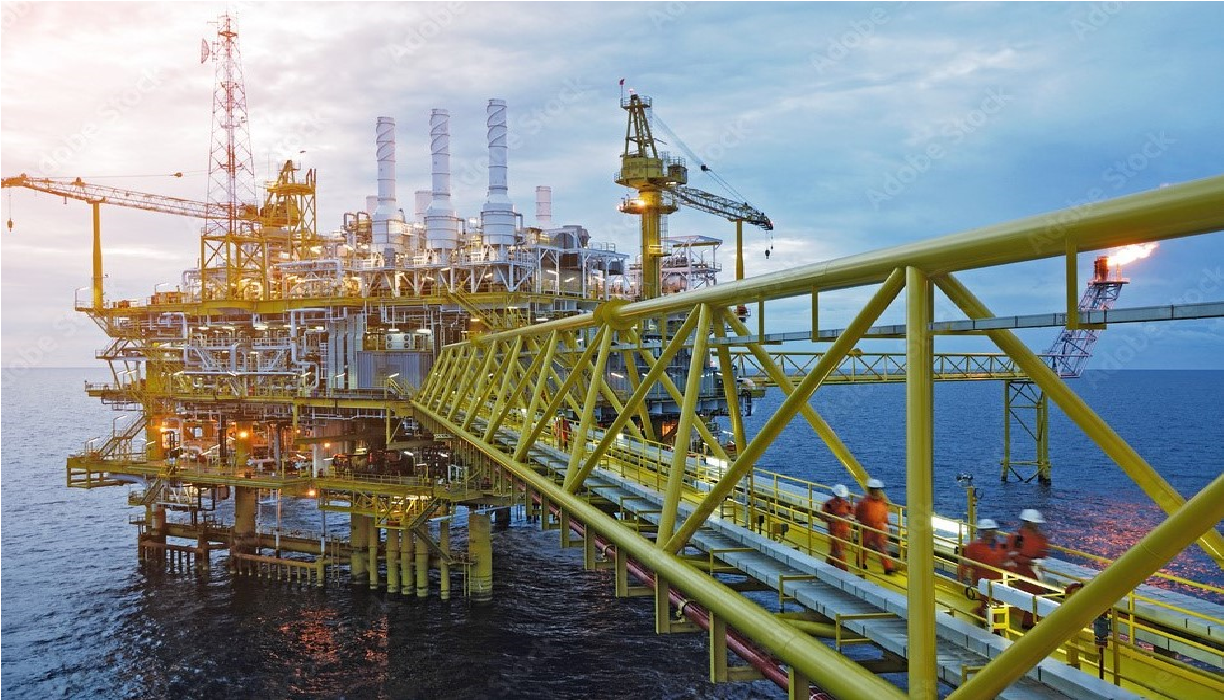
Increase in Petroleum Imports Led to a Reduction in the Positive Balance of Brazilian Trade
According to data from Icomex (Foreign Trade Indicator) released on Wednesday (22) by FGV (Getúlio Vargas Foundation), the turbulent scenario that Petrobras is experiencing caused Brazilian importers to increase their external purchases of petroleum and derivatives in May, thereby reducing the positive balance of Brazilian trade.
In one year, product prices nearly doubled, while demand also grew during the period. Thus, in May, the balance of Brazilian trade was R$ 25.2 billion, which corresponds to a reduction of R$ 18.5 billion compared to the same month last year. For the year-to-date from January to May, the surplus varied from R$ 137 billion in 2021 to R$ 130.8 billion in 2022. In terms of volume, there was an 8.1% drop in exports comparing May 2021 to May 2022, while imports increased by 3.2%.
According to FGV’s assessment, in May this year, the main contributors to the increase in import volume were petroleum derivatives (diesel oil, naphthas, coal), petroleum, and products related to fertilizers. The foundation explains that importers, wary of the international context and the current turbulence in the Brazilian petroleum market, may have anticipated their purchases.
-
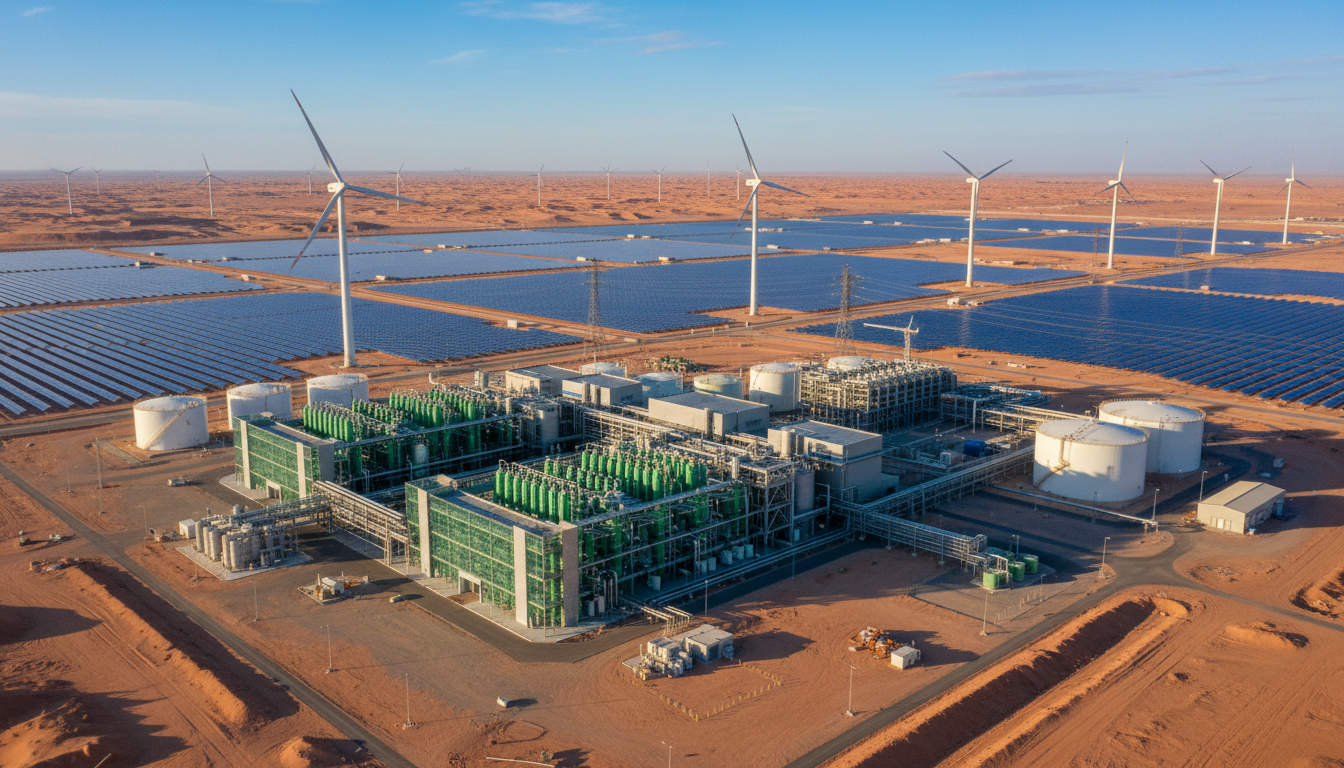
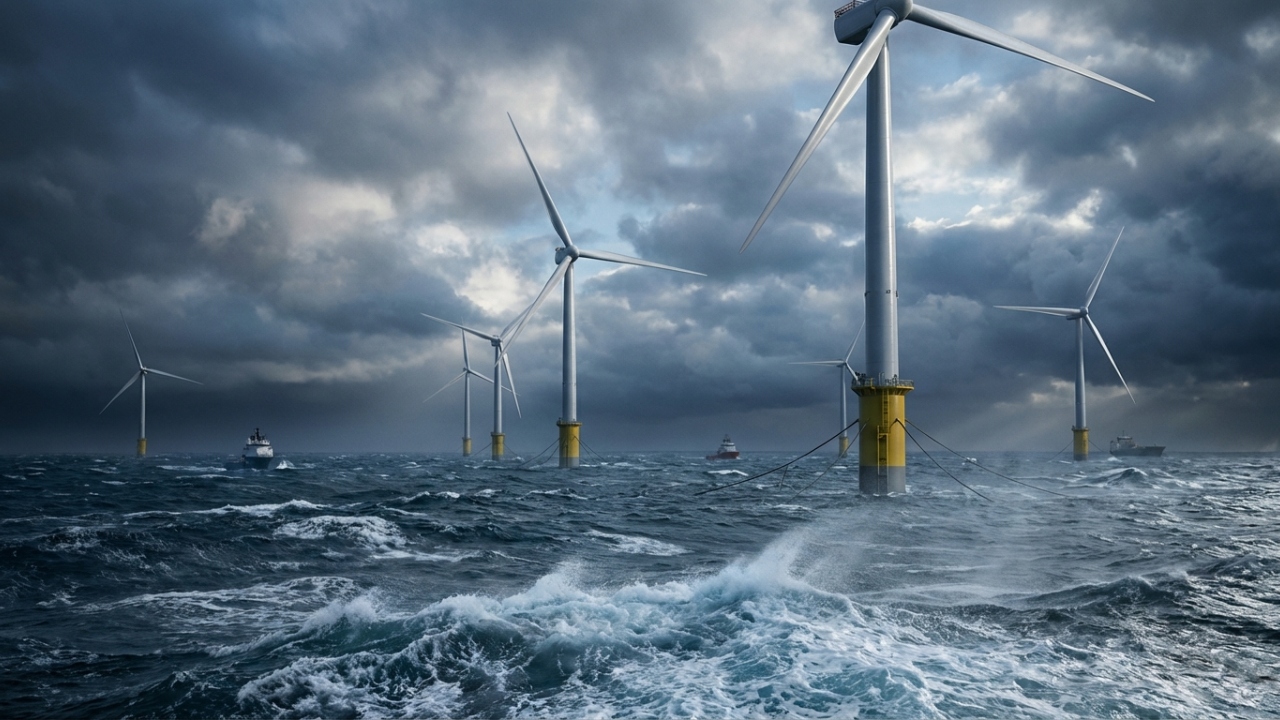
In the Saudi Arabian desert, the world’s largest green hydrogen plant is 80% complete and will use 4 gigawatts of solar and wind energy to produce 600 tons of clean fuel per day when it opens in 2027.
-
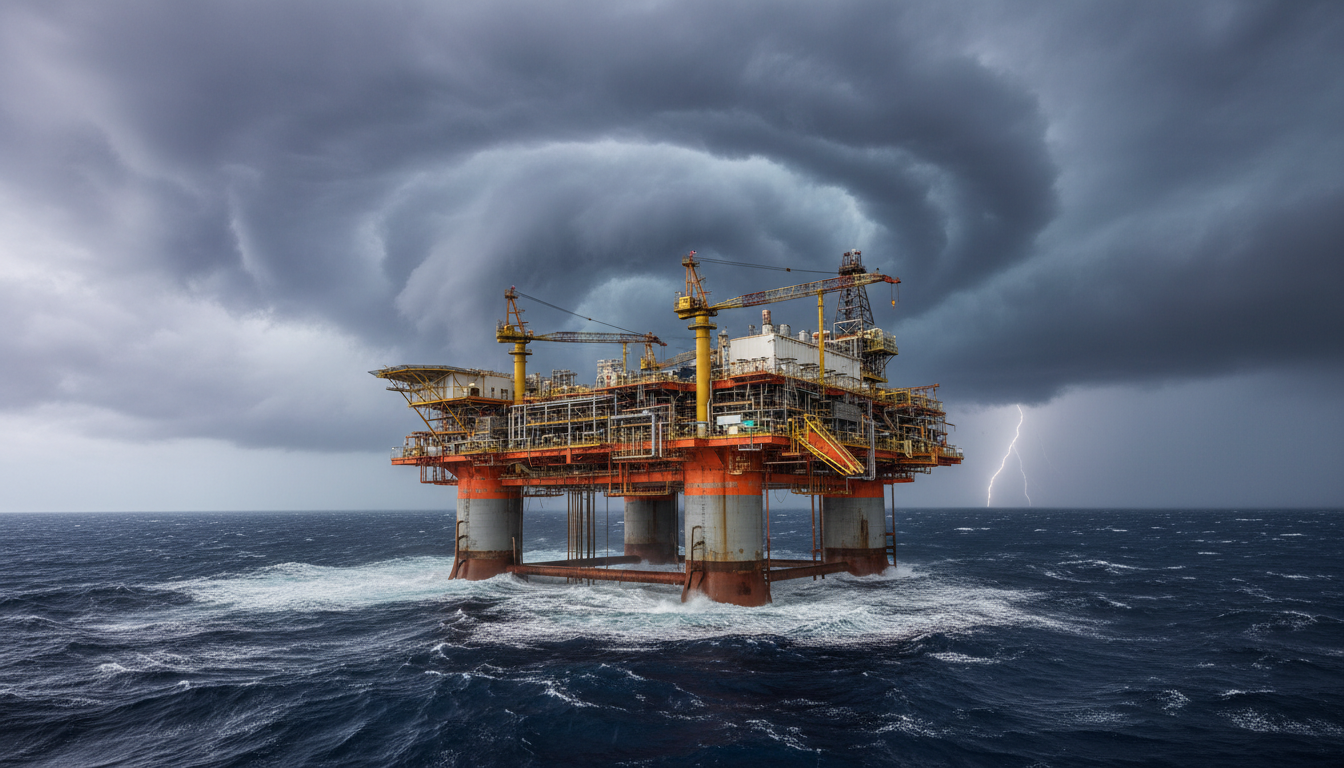
Sixteen years after the largest environmental disaster in oil history, BP has just received approval to open its first new field in the Gulf of Mexico, and the 10 billion barrels are 10 kilometers below sea level.
-
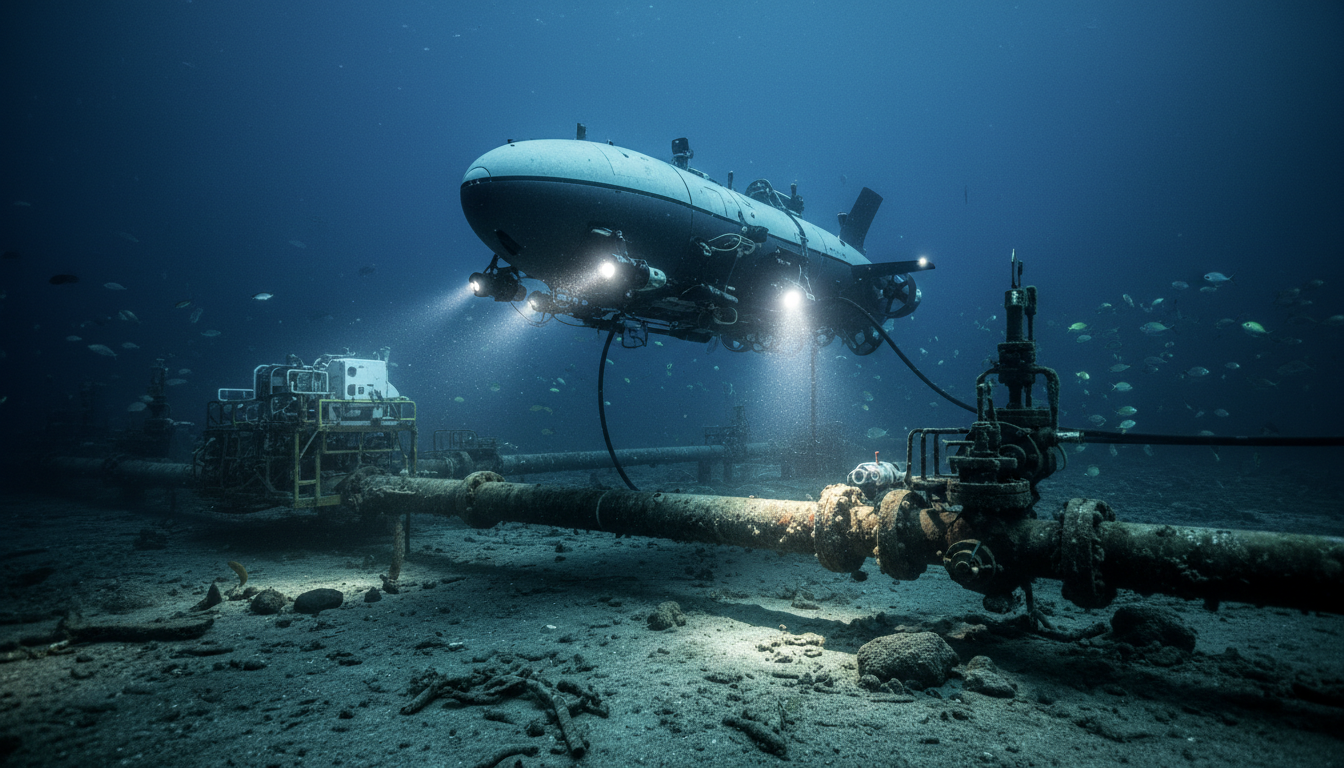
An Italian company has created an underwater drone that lives on the ocean floor for 12 consecutive months without returning to the surface, and the embedded artificial intelligence allows it to inspect and repair oil pipelines on its own.
-
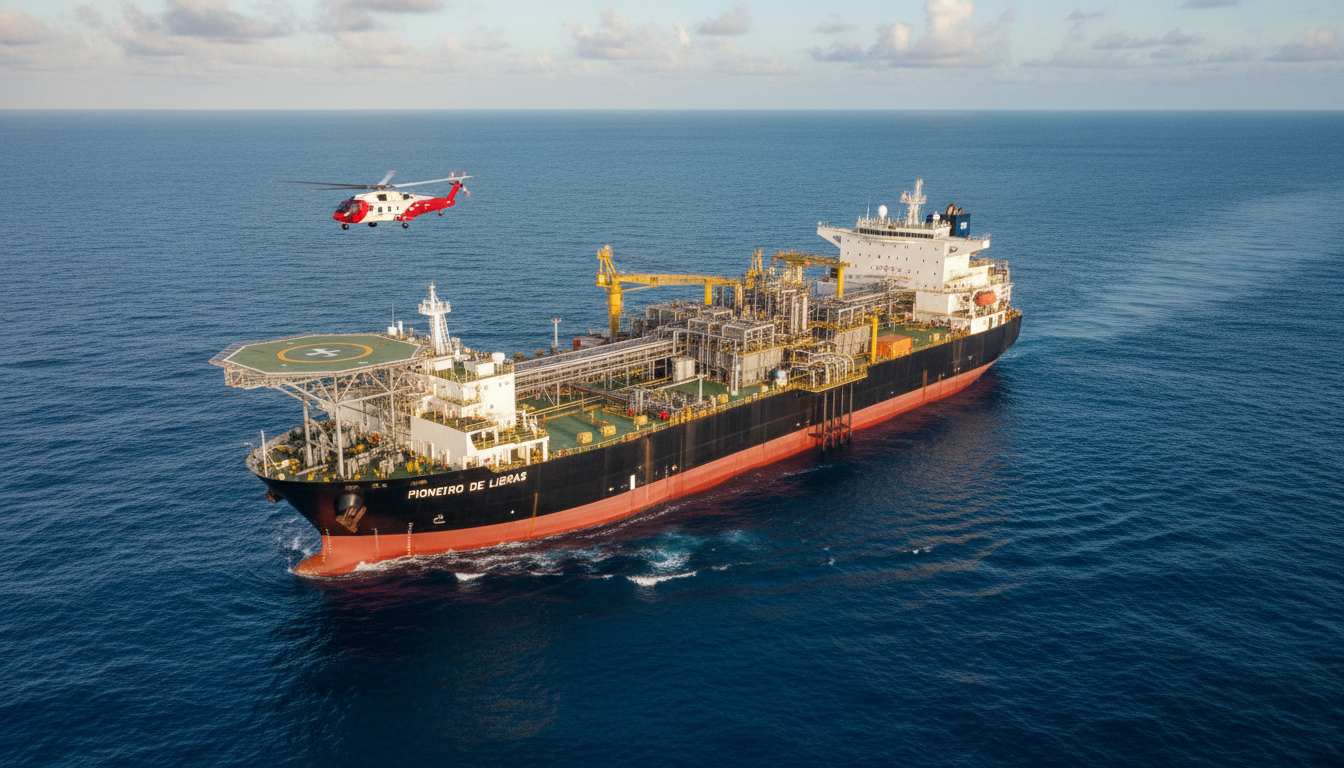
With the war silencing the wells of Iran, Brazil set a record of 5.3 million barrels per day and rose in the global oil ranking without anyone noticing — the pre-salt now accounts for 80% of everything that comes from the seabed.
On the other hand, the report states that it is premature to conclude that a change in the trend of imports has begun. Regarding exports, the text mentions that the WTO (World Trade Organization) revised its forecast for international trade growth from 4.7% to only 3% in 2022 due to the war in Ukraine, the slowdown in growth in China, and rising inflation, which lead to interest rate hikes and dampen demand growth.
Furthermore, the report emphasizes that the surplus of Brazilian trade in 2022 has the potential to be greater than that of 2021, should the variation in import volume decelerate in light of rising commodity prices.
Trade Balance of Petroleum and Derivatives Is Related to the Reduction of Surplus in Recent Months
In recent months, the trade balance of petroleum and derivatives has been responsible for a reduction in Brazil’s surplus, as the positive balance varied from US$ 2.8 billion in February to only US$ 88 million in May. This sector also accounted for 13% of total exports and 15% of imports.
In terms of values, exports of petroleum and derivatives grew by 23.9% in May 2022 compared to the same month last year; however, imports increased by 109%.
The increase in exports can be justified by a rise of 53.8% in prices, although the exported volume decreased by 19.4%. Imports, on the other hand, experienced a price increase of 92.8%, while the imported volume also saw an increase of 6.8%.
Between January and May 2022, there was an overall increase in the volume of Brazilian exports to almost all markets, except China (-13.1%) and Asia excluding China (-2.4%). Increases were noted in the volume sold to the United States (3.2%), European Union (11%), Argentina (7.6%), and other countries in South America (12.2%).
The volume imported by Brazil, on the other hand, fell in all markets except for purchases from China, which grew by 2.8%. Decreases were recorded in orders from the United States (-1.4%), European Union (-1%), Argentina (-2.4%), other South American countries (-13.7%), and other Asian countries (-12.5%).
China Is the Main Responsible for Sustaining the Surplus of the Brazilian Trade Balance
Although Brazilian exports to China have decreased, the country remains the main contributor to the positive balance of Brazil’s trade, with a surplus of US$ 14.4 billion. However, according to FGV, if the trend of decreasing exported volume continues, the country may end the year with reduced shipments to the Chinese.
As for the United States, there was an increase in Brazilian exports due to, for example, increased sales of crude oil, semi-manufactured iron, unroasted coffee, among other products. Still, Brazil reported a deficit of US$ 7 billion with the country, which is the second main destination for our exports and origin of our imports.



Seja o primeiro a reagir!