Portuguese
 Spanish


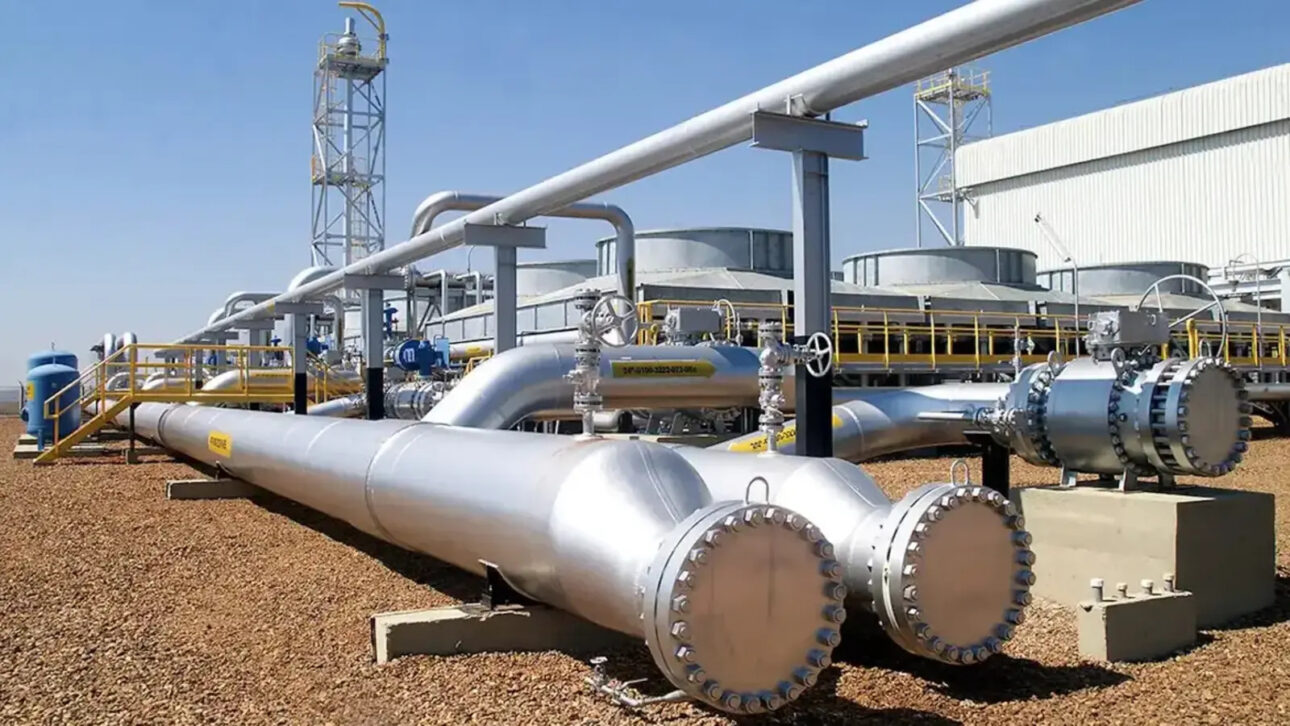

Proposal submitted to Brazil’s oil and gas regulator, the ANP, calls for a 50% cut in tariff revenue in 2027, but a R$5.4 billion error reduces the estimated savings as the pipeline operator seeks to recover investments and extend payments through 2055
A proposal to lower natural gas tariffs in Brazil has come under discussion after a billion-real error was found in calculations by Transportadora Associada de Gás (TAG). The company had projected savings of R$5.5 billion over 30 years, but including previously omitted costs brings that figure down to R$130 million. The information was reported by Fecombustiveis.
The discrepancy appears in a spreadsheet submitted to Brazil’s National Agency of Petroleum, Natural Gas and Biofuels (ANP). The document is part of a proposal to change the compensation structure for the pipelines the company operates in the Northeast.
According to a report published by the news agency eixos on November 25, the calculation left out operating and maintenance expenses for part of Gasene, a system connecting Brazil’s Southeast and Northeast regions.
-
Houthis attack Saudi Arabia’s largest oil refinery, capable of processing 550,000 barrels per day, as satellite images reveal smoke covering 600 square kilometers

-
Canada approves $10 billion oil megaproject 500 km offshore, with a floating production platform, billions in revenue and production expected to last 20 years
-
PRIO receives Cade approval for $3.35 billion purchase of Equinor’s final 20% stake in Campos Basin, potentially taking full control of two oil fields off Rio de Janeiro
-
Sirius adopts Brazilian magnetic resonance technology to probe microscopic structures in oil-bearing rocks, map hydrocarbon flow and expand research into geological CO₂ storage
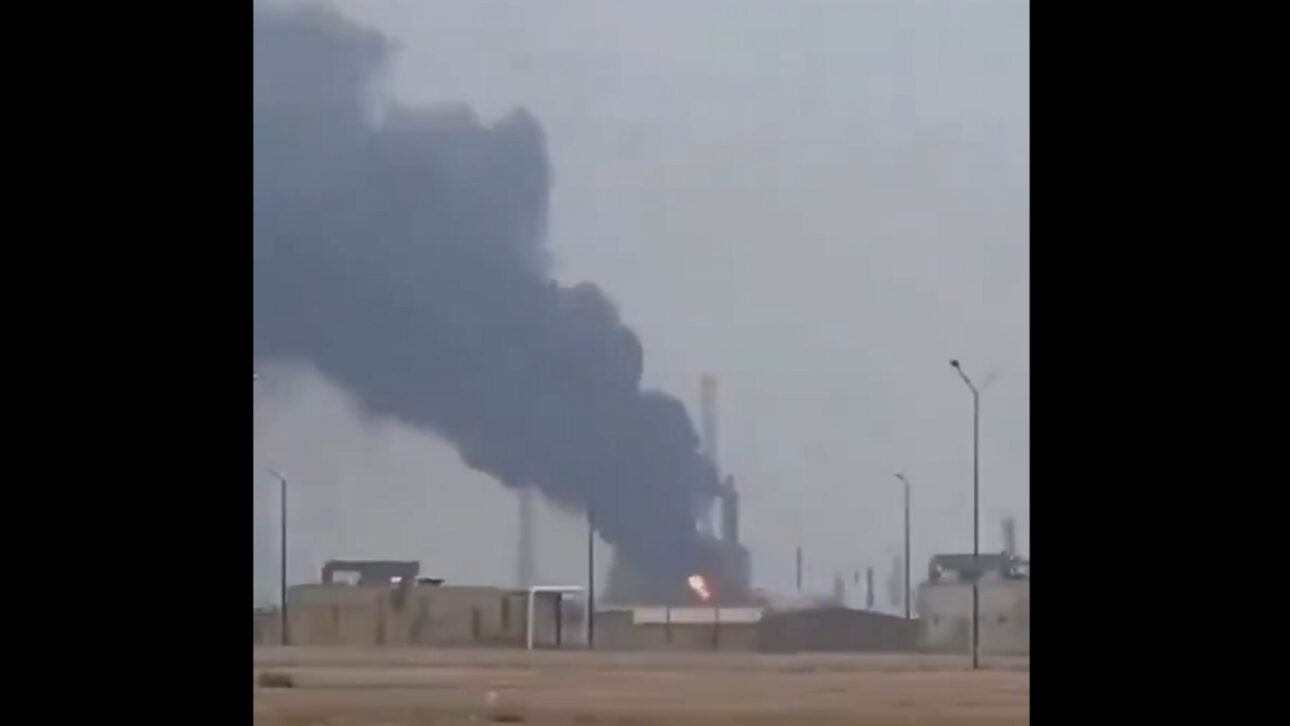



TAG acknowledged the error on Wednesday (25), said it had corrected the spreadsheet and maintained that the problem does not undermine the benefits of its proposal.
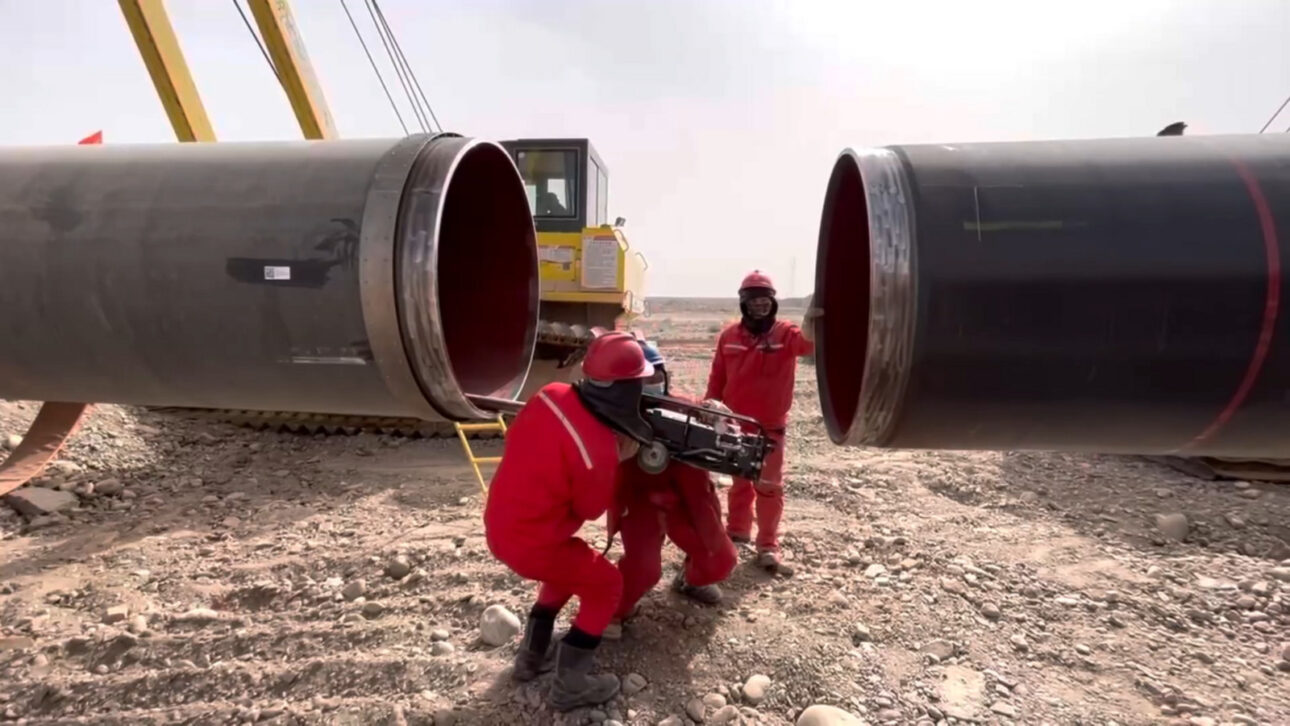
R$5.4 billion error changes projected savings for the pipelines
The identified problem begins in 2035. From that year onward, the spreadsheet stops counting operating expenses for the southern section of Gasene, even though the projection itself shows costs for that infrastructure continuing through 2055.
Those costs amount to approximately R$5.4 billion. Once they are included, the cumulative savings originally announced by the pipeline operator fall from R$5.5 billion to just R$130 million over three decades.
The two Gasene sections have contracts with Petrobras that expire in November 2033. Sources interviewed by eixos said there was no technical justification for excluding expenses for one of them.
Despite the discrepancy, TAG submitted a new economic assessment.
The pipeline operator said that, after the correction and using a present-value comparison, the proposal would generate approximately R$8.7 billion in benefits for users across the 2026–2040 tariff cycles.
This calculation accounts for the time value of money and uses the regulatory rate of return on capital. Therefore, it is not the same as comparing cumulative savings over 30 years.
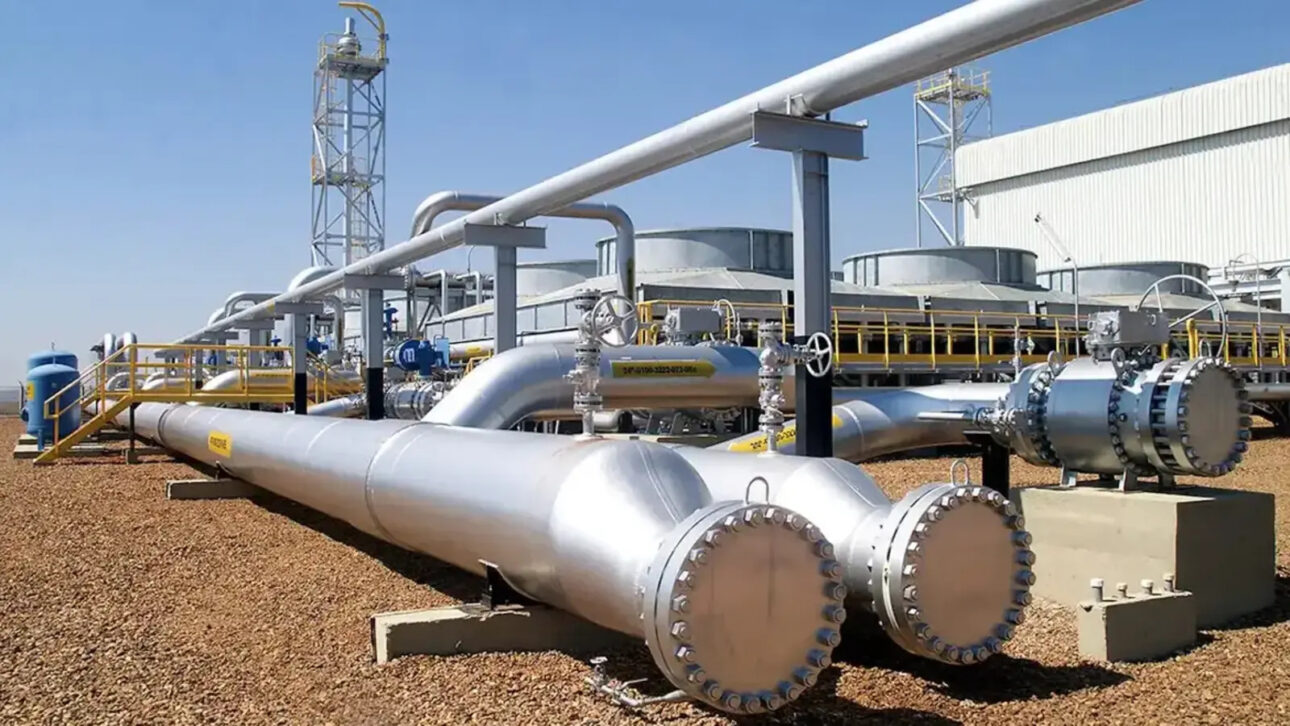
Natural gas tariffs: proposal calls for 50% lower revenue in 2027
TAG’s proposal calls for reducing the revenue included in the 2027 tariff calculations from R$6.3 billion to R$3.2 billion.
That would amount to a reduction of nearly 50% in the first year, but it does not mean consumers will see an equivalent drop in the charges for pipeline transportation.
The difference lies in how pipeline compensation works. Tariffs must cover operating expenses and provide returns on investments that companies have yet to recover.
TAG plans to spread the recovery of those investments over a longer period by extending the regulatory depreciation of the assets through 2055.
In practice, the amount included in annual compensation would be lower, but payments would continue for longer.
The company says its proposal does not change the terms of its old contracts with Petrobras or the pipeline operator’s rights.
TAG seeks to restore R$4.1 billion after ANP decision
Another key issue concerns the Northeast Network, built by Petrobras and later transferred to TAG, which the state-owned company sold in 2019.
The network’s old contract expired in December 2025. In October 2026, Brazil’s oil and gas regulator, the ANP, decided to set its regulatory asset base to zero after determining that the investments had already been recovered.
The decision is detailed in an official ANP announcement.
To reach its conclusion, the agency used the Recovered Capital Method (RCM), which measures how much of the original investment has already been remunerated through previous payments.
TAG wants the method to be abandoned and proposes adding R$4.1 billion back to the Northeast Network’s asset base.
With the change, annual revenue from the network would be close to R$1 billion, compared with about R$450 million under the agency’s decision.
Before the old contract ended, the corresponding revenue was R$2.1 billion a year.
The pipeline operator also wants to establish the rules for Gasene and the Pilar–Ipojuca pipeline sooner. Their contracts expire in 2033 and 2031, respectively.
Petrobras keeps contracts in place as ANP accepts comments through December
The proposal was not negotiated in advance with Petrobras. TAG says the state-owned oil company’s financial obligations under contracts still in force would be preserved.
Part of the initial reduction would be funded by the balance in the regulatory account, which is used to adjust differences between amounts charged and amounts actually owed.
Technical staff at Brazil’s oil and gas regulator, the ANP, already expects to return R$435.5 million to users in 2027 and 2028 through this mechanism.
Petrobras also set aside R$3.6 billion in its third-quarter balance sheet, related to guarantees it assumed when it sold TAG and to rules that apply after the Malha Nordeste contract expires.
The proposal remains under regulatory review. The ANP rejected pipeline operators’ requests to suspend the tariff review, while requests for reconsideration remain under review.
According to an agency notice published Nov. 23, Public Consultation No. 25/2026 is open for comments through Dec. 2.
The consultation covers allowed revenues, operating costs and natural gas transportation tariffs for the 2026–2030 cycle.
TAG also proposed forming a working group with the ANP to seek a consensual solution by March 2027.
If the agency decides to move forward with the agreement, its terms will still need to undergo public consultation before any potential approval.
This article was prepared based on data and information published by Fecombustiveis, Eixos and Official ANP notice.