





 Portuguese
  English
  Spanish
 3 min of reading


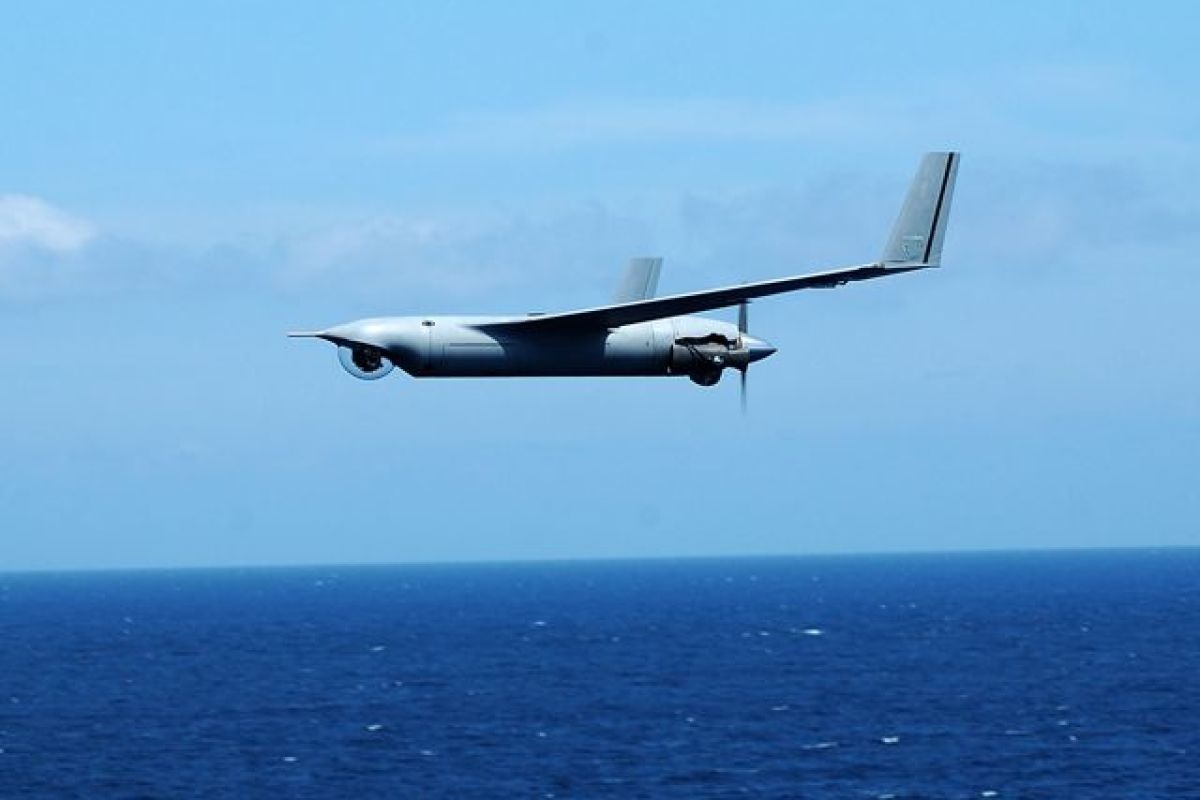
The Scientific Article Published by IEEE Access Was Produced by Two Students from the Graduate Program in Operational Applications (PPGAO) at the Instituto Tecnológico de Aeronáutica (ITA).
The work is pioneering and aims to assist in the modernization of operations for the Brazilian Air Force (FAB), contributing to the field of engineering. Additionally, the article highlights the importance of technological innovation for the improvement of military processes.
The study combined researchers from IEAV, professors from NLDA, and the University of Twente to create a methodology that uses Artificial Intelligence (AI) for autonomous missions to locate target vessels. This methodology uses drones to locate the target, increasing the ability to locate and track high-value assets.
This article examines the critical mission of maritime UAV planning using a neural network. It offers an operational insight into the subject, with emphasis on safety and compliance with established requirements for maritime UAV systems. The research results showed that, when applied to maritime operations, the neural method can provide an accurate and comprehensive analysis of the tasks associated with the operation, enabling more efficient planning.
-
São Paulo surprises the world with a colossal railway network project that promises over 1,000 km of tracks, R$ 194 billion in investments, and 40 projects connecting the capital to the interior with fast and sustainable trains.

-
The world’s largest escalator, measuring 905 meters in China, reduces urban travel time from 1 hour to about 20 minutes and transforms mobility in mountainous regions with an engineering solution adapted to the terrain.

-
A R$ 300 million logistics giant is taking shape in Serra with over 100,000 m² and raises a question: how can this transform e-commerce and distribution in the state?

-
Could Uber Rides Lose Minimum Fare? Understand What’s Happening!


Lieutenant Colonel Aviator Geraldo Mulato de Lima Filho Is Being Guided by Professor Angelo Passaro in the Graduate Program in Space Sciences and Technologies (PG-CTE) at ITA.
He discovered that drones have been used for decades for various maritime purposes, such as monitoring pollution from oil spills and ship discharges, in the United States, Japan, Pakistan, Spain, India, and China.
Artificial Intelligence has been utilized in autonomous missions like anti-submarine tasks, but it shows limitations in performing this task. However, AI has been demonstrating great progress in less complex missions, delivering better results than humans. Lieutenant Colonel Lima Filho recently expressed this.
The algorithm developed during the study can contribute to the Maritime Patrol and Aerospace Reconnaissance Air Force, according to a working group. Colonel Aviator Sérgio Rebouças, Coordinator of the Operational Analysis and Logistics Engineering Area (AO-EL) of PPGAO, highlighted the importance of universities for research, as they provide experiences and opportunities for learning advanced techniques and technological innovation.
Moreover, he argues that artificial intelligence and machine learning techniques should be integrated into the operational management and decision support systems of the Brazilian Air Force to contribute to the organization’s core activities.
The article titled “Critical Time UAV Maritime Mission Planning Using a Neural Network: An Operational View” was written by Lieutenant Colonel Lima Filho, Captain Aviator Guilherme Moura Delfino, Professor Angelo, Professor Dr. Leandro de Santana, and Professor Dr. Herman Monsuur.
This concerns the application of flight control software in autonomous systems for unmanned aerial vehicles. It describes the main challenges encountered in the deployment of this type of system, as well as discusses some technological solutions that have been adopted to enable the safe and reliable operation of drones. Possible improvements that could be implemented in the future to make this system even more capable are also discussed.








Seja o primeiro a reagir!