





 Portuguese
  English
  Spanish
 3 min of reading


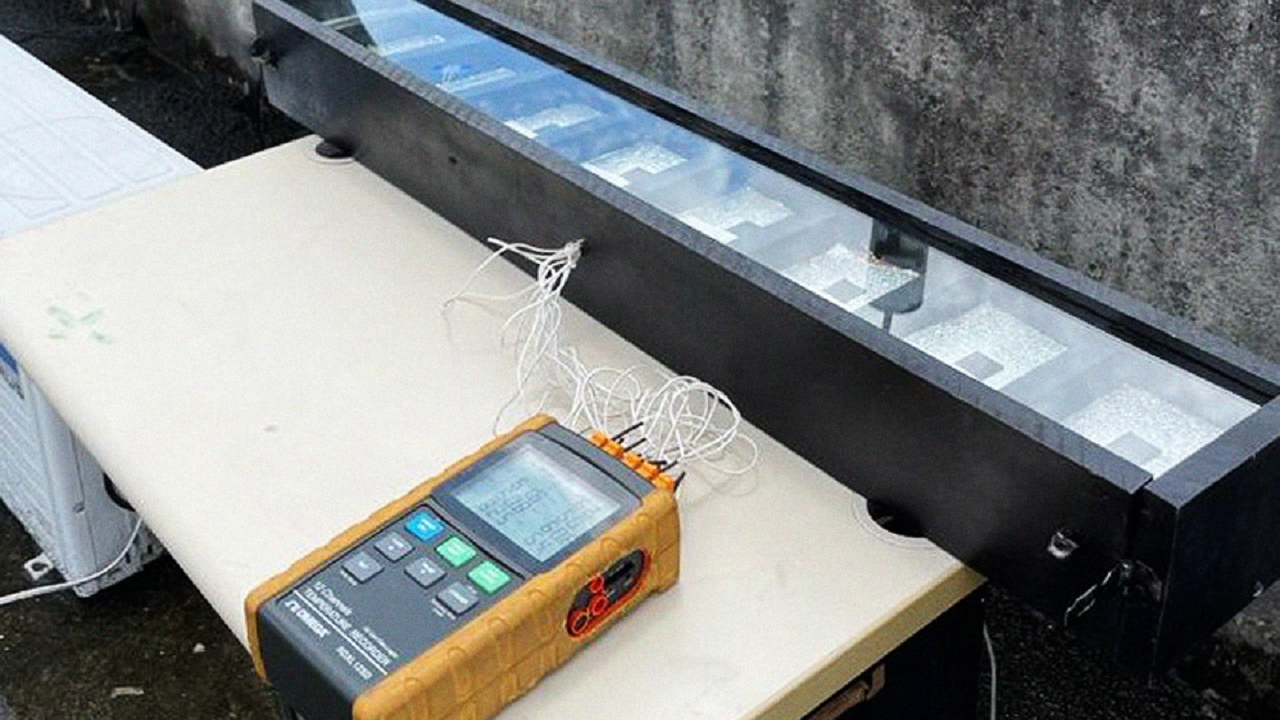
Seeking Greater Efficiency And Sustainability, The Federal University Of Ceará Proved That It Is Possible To Manufacture Solar Panels From Cashew Nuts. The Waste Can Still Reduce Production Costs
Solar energy, a renewable and non-polluting source, is generated by sunlight and solar heat. This renewable energy source is captured by solar panels, and for the manufacturing of this equipment, scientists from the Federal University of Ceará (UFCE) are using a viscous and dark liquid leftover from the processing of cashew nuts, which is called LCC.
Read Other Related News
Federal University Of Ceará Project May Be More Effective And Make Solar Panels Cheap
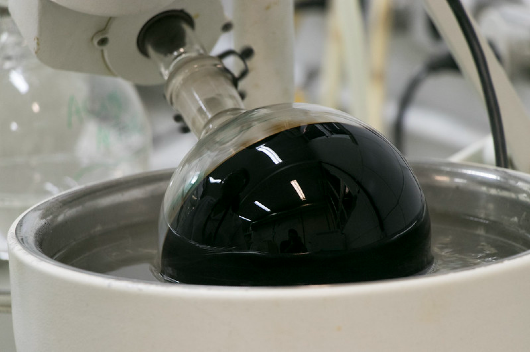
The research conducted by the Federal University of Ceará showed the possibility of producing more efficient solar panels from cashew nut waste, as explained by Nivaldo Aguiar, a professor in the Graduate Program in Materials Engineering and Science.
According to the researcher from the Federal University of Ceará, this residue from the cashew nut processing harms the environment, as it leaves the soil barren, making agriculture difficult. Industries that have no means or anything to do with the cashew nut waste typically store it in large reservoirs.
-
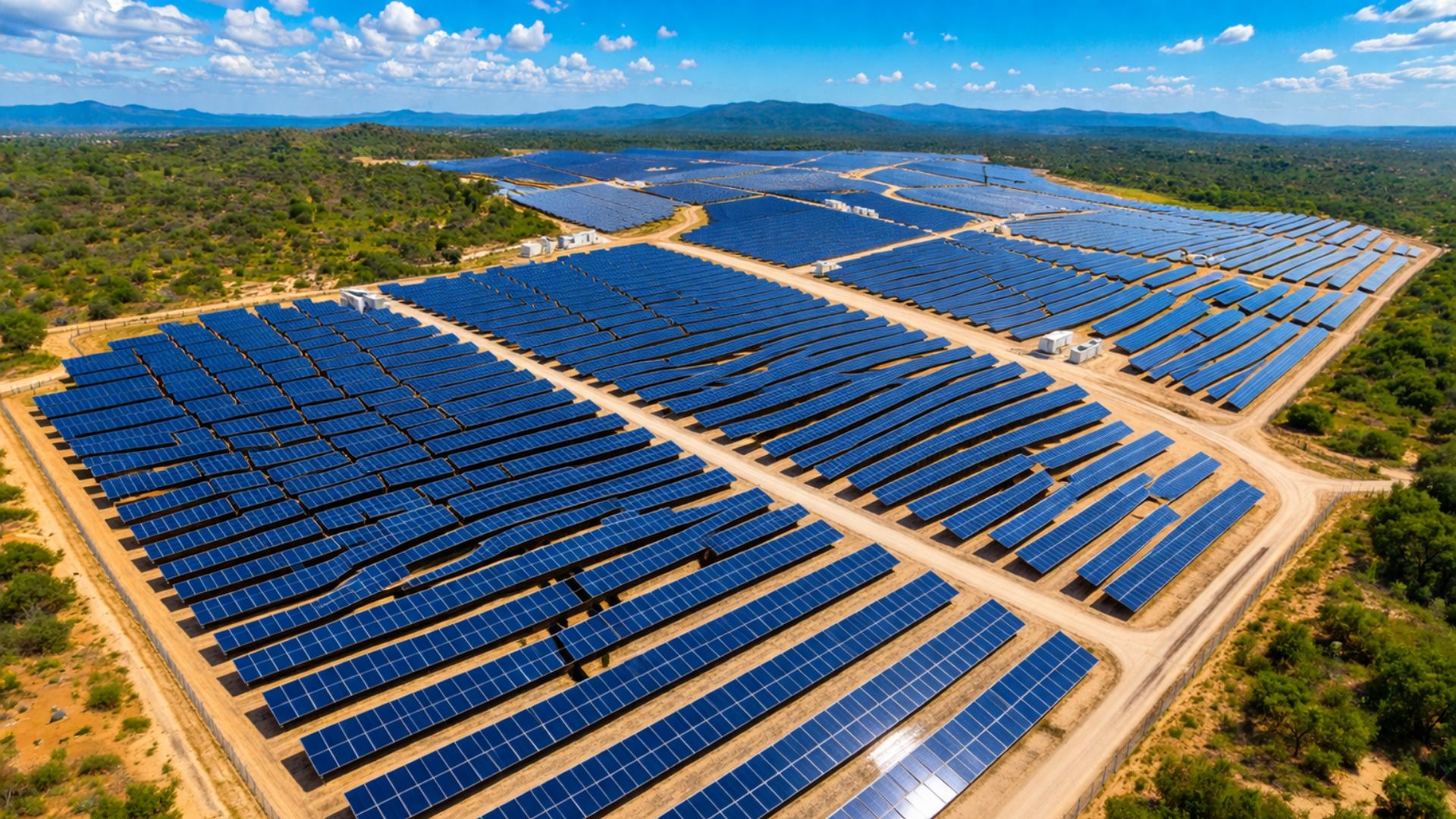
The Sol do Agreste Photovoltaic Complex begins operations in Pernambuco and accelerates the expansion of solar energy in Brazil, directly impacting the reduction of emissions and strengthening the sustainable energy matrix.
-
The Sol do Agreste Photovoltaic Complex begins operations in Pernambuco and accelerates the expansion of solar energy in Brazil, directly impacting the reduction of emissions and strengthening the sustainable energy matrix.
-
Renewable energy advances over protected areas in Brazil, and a survey by the Energy Transition Observatory reveals silent impacts that challenge environmental conservation and pressure sensitive traditional territories.

-
Rio Grande do Sul accelerates energy transition: State invests in renewable technologies and consolidates decarbonization strategies and pathways to attract billions in new industrial investments.


In addition to providing a “cleaner” destination, the researcher from the Federal University of Ceará states that the application of the waste in solar energy generation can also reduce the manufacturing cost of solar panels. The institution’s researchers have been working with the utilization of cashew nut waste for about three years. In the next phase of the research, the scientists plan to register the patent for the system and also conduct cost tests.
Ceará Advancing In Innovative Research


In addition to the Federal University of Ceará, which is developing solar panels, researchers at IFCE are studying the reuse of some substances from banana peels. One of the missions is to use the banana peel as part of the composition of packaging or as a substitute for products made from petroleum. Through the study of banana peels, a substance known as lignin has been found.
According to researchers, this substance can be applied in the pharmaceutical, product, and food industries, which use petroleum derivatives to manufacture pesticides, additives, among others.
According to the researchers, it is possible to find this substance in other fruits, but banana production and planting is more predominant in the Iguatu region, where the studies continue, thereby favoring its use in the research.
Can Tangerine Produce Biogas?
The Master’s Professional Program In Urban And Environmental Engineering At The Technical Scientific Center Of PUC-Rio revealed that the peels of the famous tangerine, which are discarded, can be transformed into biogas, potentially replacing fossil fuels.
According to the author, Rafael Vieira de Carvalho, if the tangerine waste is treated properly, it will be capable of generating clean energy and fertilizer, potentially boosting the economy, reducing impacts, and being one of the best allies in the search for a more sustainable future.
Biogas can be found through a test called BMP, in which the peels are crushed, mixed, and stored in devices that measure the gas volume for about 21 days.








Seja o primeiro a reagir!