Portuguese
  Spanish


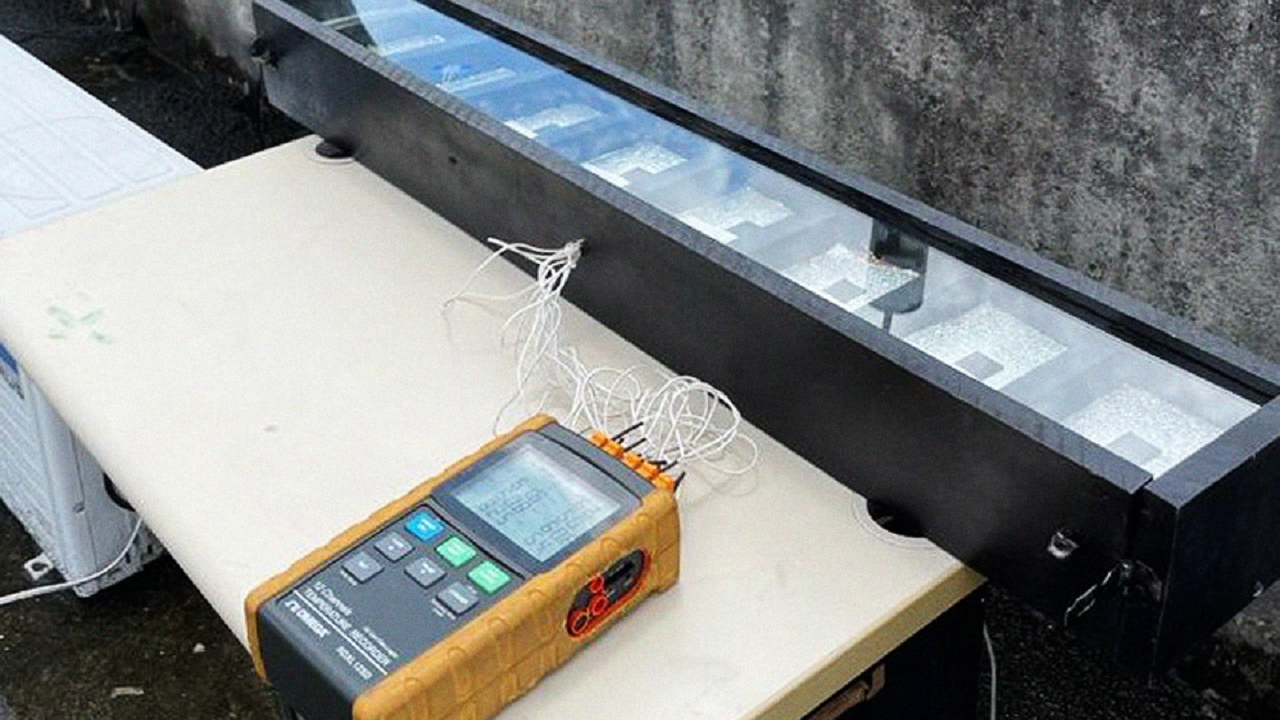

Seeking Greater Efficiency And Sustainability, The Federal University Of Ceará Proved That It Is Possible To Manufacture Solar Panels From Cashew Nuts. The Waste Can Still Reduce Production Costs
Solar energy, a renewable and non-polluting source, is generated by sunlight and solar heat. This renewable energy source is captured by solar panels, and for the manufacturing of this equipment, scientists from the Federal University of Ceará (UFCE) are using a viscous and dark liquid leftover from the processing of cashew nuts, which is called LCC.
Read Other Related News
Federal University Of Ceará Project May Be More Effective And Make Solar Panels Cheap
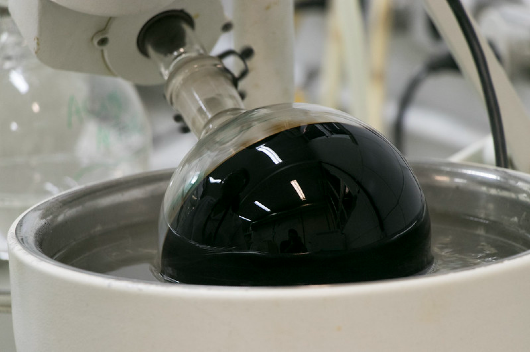
The research conducted by the Federal University of Ceará showed the possibility of producing more efficient solar panels from cashew nut waste, as explained by Nivaldo Aguiar, a professor in the Graduate Program in Materials Engineering and Science.
According to the researcher from the Federal University of Ceará, this residue from the cashew nut processing harms the environment, as it leaves the soil barren, making agriculture difficult. Industries that have no means or anything to do with the cashew nut waste typically store it in large reservoirs.
-
Fired during apartheid and with a little borrowed money, an electrician started with a borrowed truck and transformed electrical services into a group connected to energy, real estate, and infrastructure in South Africa.

-
Wood has ceased to be just a construction material in Yale research and has become insulation for electrical transformers that face intense heat, aging, and increasing pressure from the renewable energy-powered grid.
-
More than 1,000 residents of a remote island in Kiribati now have clean water and electricity with solar systems operated by the community itself.
-
Ceará brings together 7 giants and R$ 66 billion to transform Pecém into the largest green hydrogen hub in Brazil, with final decisions expected by the end of 2026.



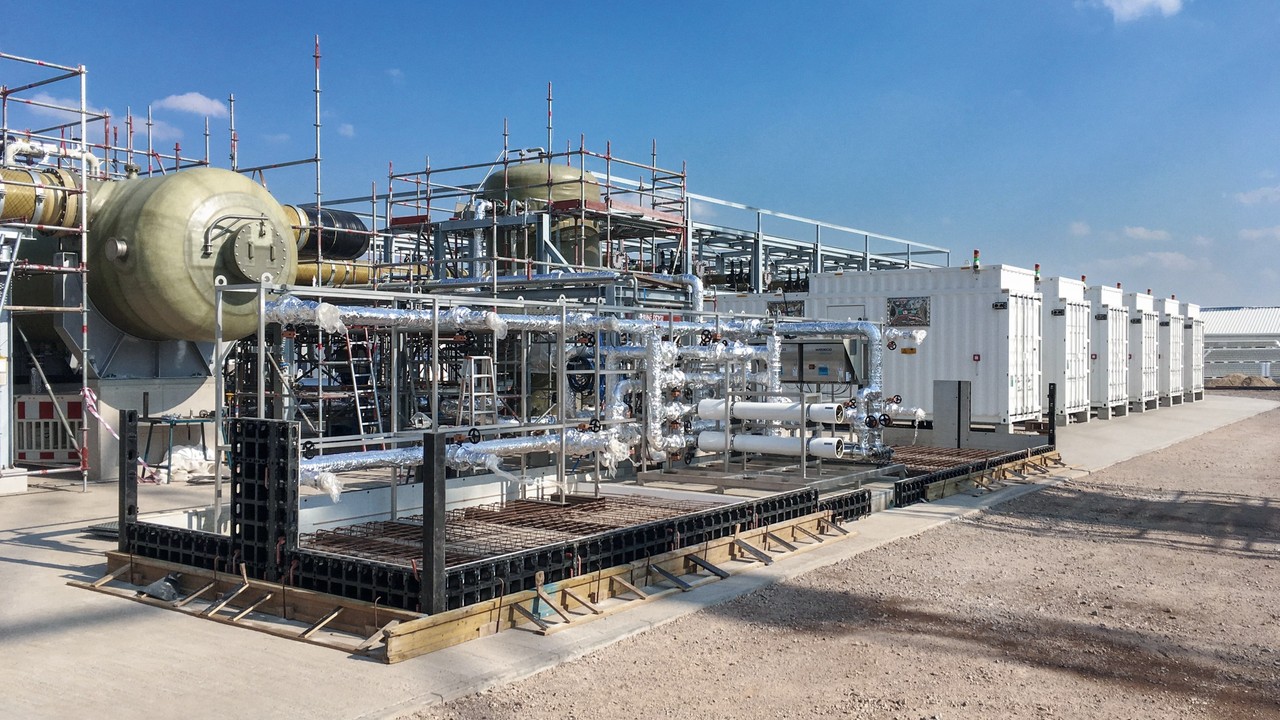
In addition to providing a “cleaner” destination, the researcher from the Federal University of Ceará states that the application of the waste in solar energy generation can also reduce the manufacturing cost of solar panels. The institution’s researchers have been working with the utilization of cashew nut waste for about three years. In the next phase of the research, the scientists plan to register the patent for the system and also conduct cost tests.
Ceará Advancing In Innovative Research


In addition to the Federal University of Ceará, which is developing solar panels, researchers at IFCE are studying the reuse of some substances from banana peels. One of the missions is to use the banana peel as part of the composition of packaging or as a substitute for products made from petroleum. Through the study of banana peels, a substance known as lignin has been found.
According to researchers, this substance can be applied in the pharmaceutical, product, and food industries, which use petroleum derivatives to manufacture pesticides, additives, among others.
According to the researchers, it is possible to find this substance in other fruits, but banana production and planting is more predominant in the Iguatu region, where the studies continue, thereby favoring its use in the research.
Can Tangerine Produce Biogas?
The Master’s Professional Program In Urban And Environmental Engineering At The Technical Scientific Center Of PUC-Rio revealed that the peels of the famous tangerine, which are discarded, can be transformed into biogas, potentially replacing fossil fuels.
According to the author, Rafael Vieira de Carvalho, if the tangerine waste is treated properly, it will be capable of generating clean energy and fertilizer, potentially boosting the economy, reducing impacts, and being one of the best allies in the search for a more sustainable future.
Biogas can be found through a test called BMP, in which the peels are crushed, mixed, and stored in devices that measure the gas volume for about 21 days.