





 Portuguese
  English
  Spanish
  4 min of reading


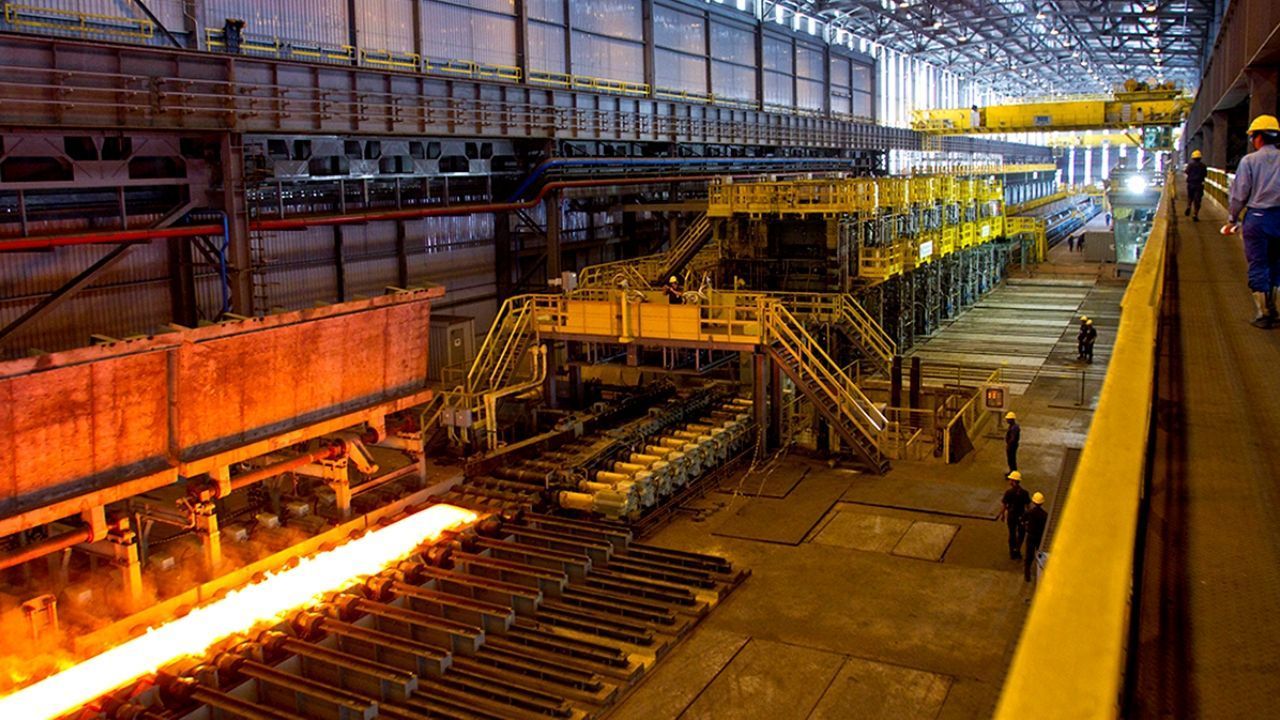
Usiminas President, Sergio Leite de Andrade, Said He Is Optimistic About the Resumption of the Brazilian Economy, Especially in the Automotive, Construction, and Infrastructure Sectors
According to Sergio Leite de Andrade, president of Usiminas, the increase in demand for the company’s products and signs of growth in the automotive industry, construction, and infrastructure are factors that make him optimistic. In an interview with Jornal O Tempo, the group president addressed various topics, some of which are described below. Check it out!
Also See Other News of the Day:
- Job Openings to Work at the Macaé Thermoelectric Plant Announced by EDF Norte Fluminense
- Solstad Offshore Announces Contract Extensions with Oil Giants Total and Equinor for Marine Support Services in Brazil
- UK Offshore Multinational Company Expands Contracts to Brazil
“We made three important decisions. Due to the prospects of the Brazilian economy and significant signs of a return to growth, we decided to resume operations at blast furnace number one at the Ipatinga Plant, restart electric arc furnace number 1 at the Ipatinga plant, and also resume our operations in the rolling mills in Cubatão. We also decided to increase our investment level this year, from R$ 600 million to R$ 800 million due to good financial results. We are entering the second half with positive expectations.”
“Usiminas Mining had an excellent result in the second quarter. We had a record EBITDA in the company’s entire history, amounting to R$ 380 million. Our mining unit continues at a steady, solid pace. In the following quarter, we obtained the license for a significant investment in mining, which involves the dry stacking of tailings, amounting to R$ 160 million. We intend to put this equipment into operation in the first quarter of 2021. With it, we will close the operation of our last dam, the Samambaia. In the steel sector, we are observing a recovery in the economy. Macro numbers have indicated this.”
-
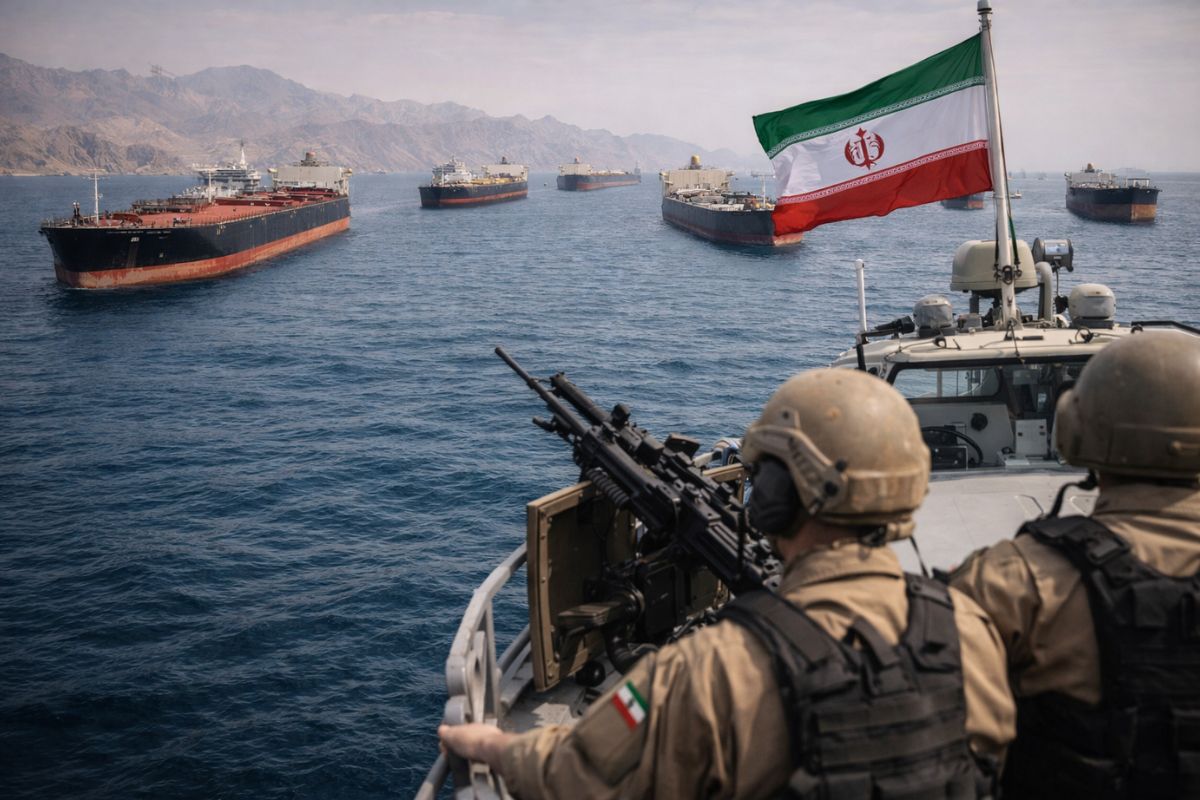
Only 7 ships have crossed the Strait of Hormuz in the last 24 hours when the normal is 135 per day, and the United Arab Emirates confirms that 230 oil tankers loaded with oil are ready to depart but are prevented from leaving while Iran turns the waterway into a sovereign control post.
-
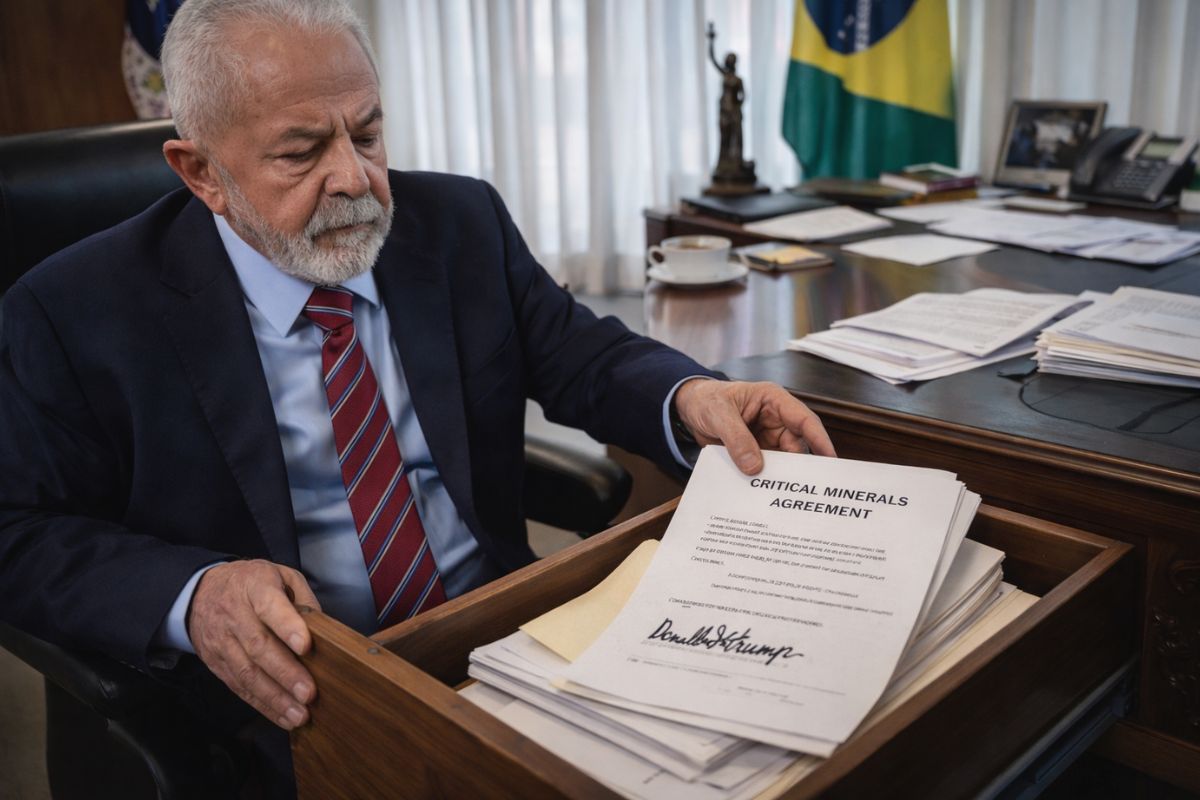
Trump sent a treaty on critical minerals to Lula in early 2026, and the document is sitting in the president’s drawer unsigned because the Brazilian government considers the proposal too generic and refuses to turn the country into a mere exporter of raw materials.
-
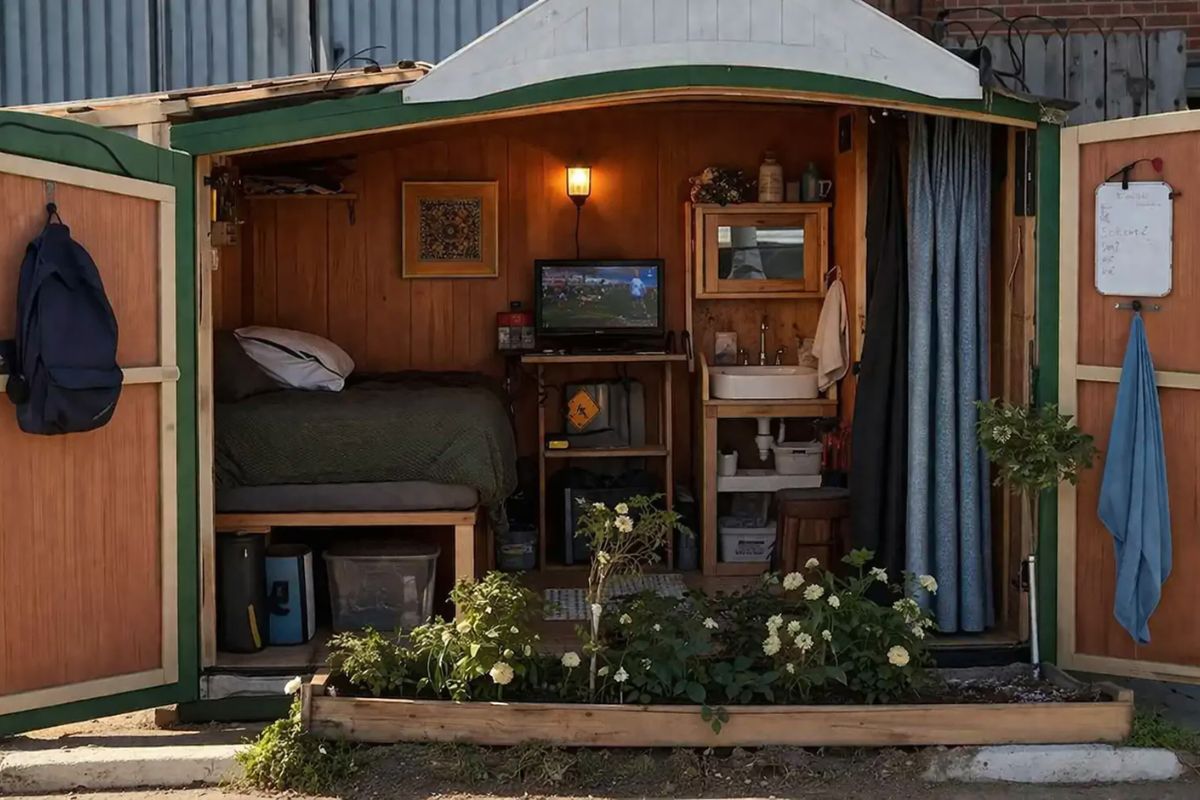
A homeless person in Los Angeles built their own wooden house with a garden at the entrance, a bed, a television, and a bathing area, and is now selling identical mini houses for $150 to other homeless individuals who prefer anything over returning to plastic tents.
-
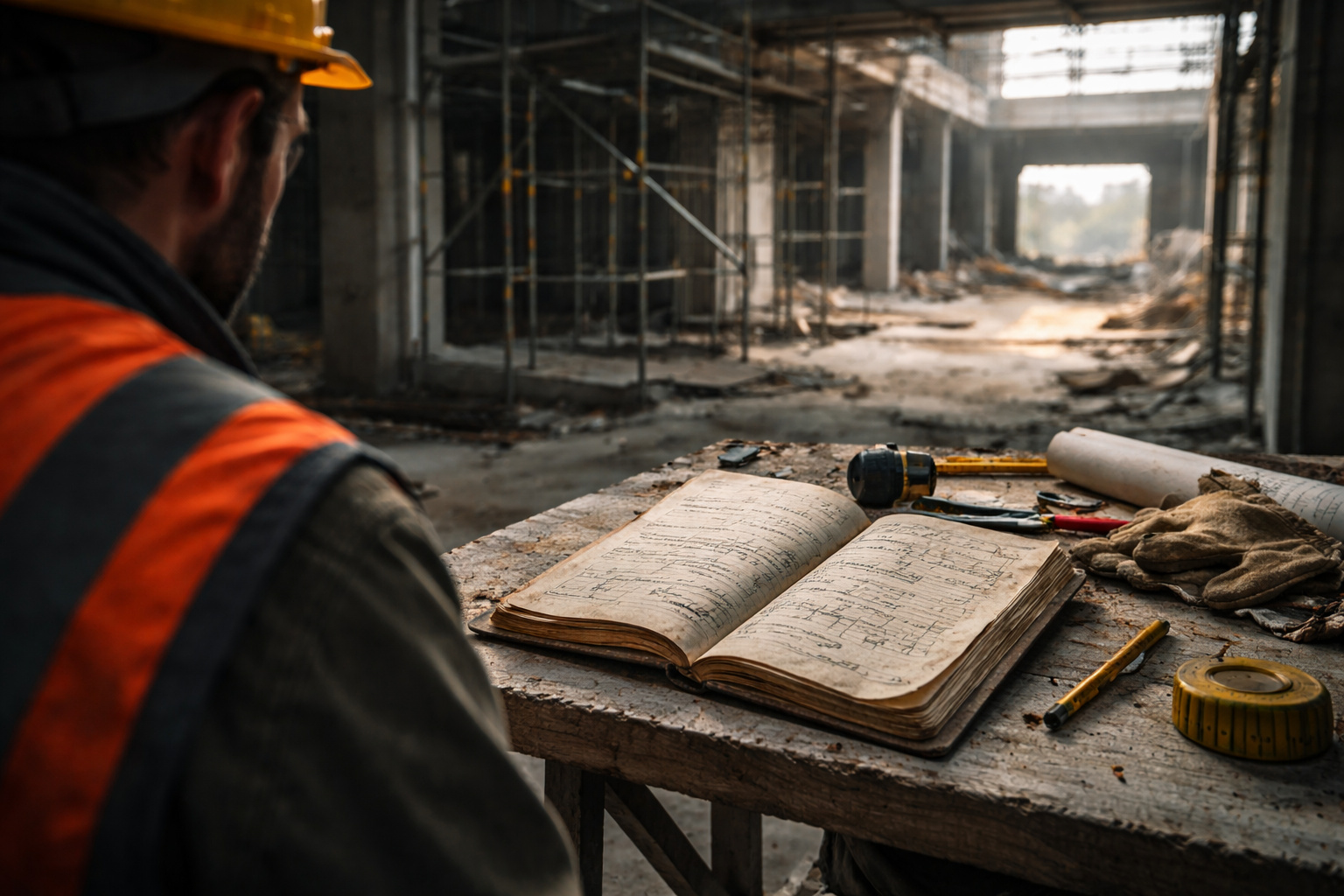
The lack of labor in the construction industry is already well-known, but a less visible effect worries companies: the loss of knowledge during the execution of projects, points out a specialist.
Regarding the investments mentioned above, the recovery of the industry, customer demand for the company’s products, and overall optimism, the president was asked whether there would be new hires to expand the company’s workforce, and he stated no. In one part of the interview, the president said, “This recovery will not mean hiring personnel.” Elsewhere, he provided the current number of employees. “In the five companies, we are 13,000 employees, and we have another 5,000 to 6,000 employees from partner companies. We are a universe of 18,000 people, with a greater concentration in Usiminas Siderurgia. In mining, we have about 1,200 employees, in Solutions as well. In Usiminas Mecânica, we are moving toward that level. In Unigal, there are about 330. And the others are at Usiminas.”
Has the dollar contributed to the company? The dollar gives Usiminas a clear advantage in mining. The company is strongly export-oriented. In the case of steelmaking, the most suitable dollar rate for us would be close to R$ 4. We have a cost in steelmaking, a strong dollar impact that burdens our cost by more than 60%. I emphasize that iron ore is purchased in dollars, even though it is a completely Brazilian product, just like coal and other inputs. For us, today, the dollar is valued. Overall, if one company benefits, another is harmed, but we must find the balance point. In the Brazilian economy, this point is between R$ 4 and R$ 4.50, not above 5.
Finally, the president commented on investments in innovation. “Innovation is an extremely important topic for us. We went through a tough time in 2016. After a year, in July 2017, when we moved from a negative EBITDA to R$ 1.8 billion, we began to focus on strategic planning and building the future. From then on, we started discussing innovation. In 2018, we created an innovation directorate. We have a research center that allows us to stay at the cutting edge in terms of products, but we are also working in this field in a broader way. We are mobilizing all our employees to generate ideas that can lead to prompt implementation, for both small and large improvements. Recently, we awarded our employees in an internal program that generated over 300 innovative ideas. The top six ideas brought a gain of R$ 25 million per year. We are having extensive interaction with startups, with over 20. It has been a very rich discussion. We are also collaborating with innovation centers at Senai and universities. We are experiencing a surge in innovation. The InovaAí program has mobilized all personnel; it is the watchword for building the present and future of the companies.”




Seja o primeiro a reagir!