





 Portuguese
  English
  Spanish
  4 min of reading
  0 comments


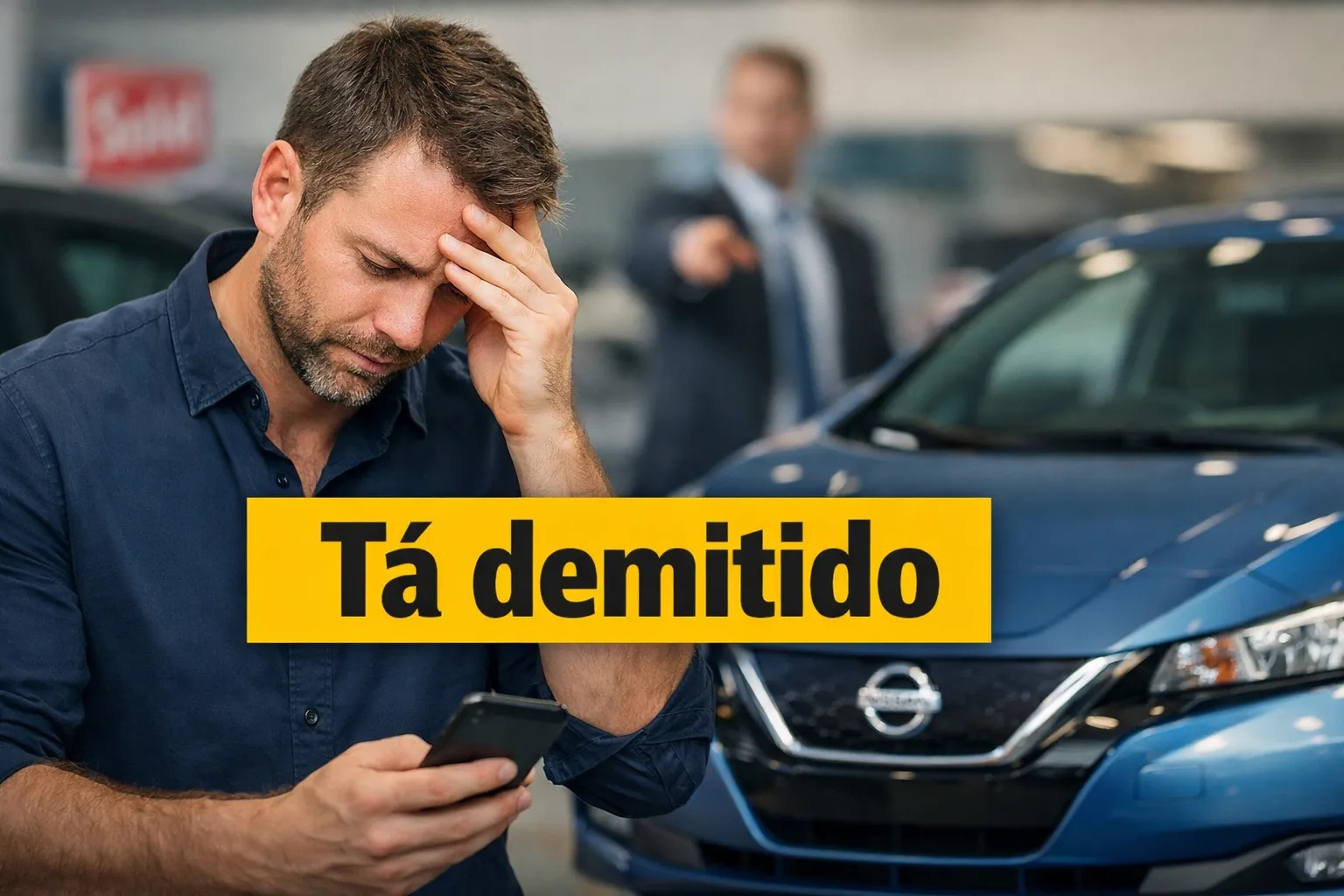
Viralization Of Short Video On Social Media Exposes Criticism Of Product, Results In Professional Termination And Raises Debate About Limits Between Personal Opinion, Corporate Image, And Labor Responsibility.
A 35-second video published on TikTok changed the routine of a car salesperson in the United States by going viral with over 12 million views, after he stated that the Nissan Leaf is the most rejected model, an episode that culminated in his dismissal and expanded the debate about digital conduct.
The author of the recording is Ali, known on social media by the profile @keys.approvals, who posted the content on his personal account, outside of work hours, sharing his daily experience selling vehicles at a North American dealership.
In the video, Ali claims there is a car that, regardless of the customer’s urgency to buy a vehicle, always ends up being rejected, describing the model as something that pleases no one who visits the store.
-
‘We will not survive,’ says Toyota’s CEO: the manufacturer of the world’s best-selling cars like Corolla and Yaris Cross feels the weight of its own perfectionism and rushes to avoid being ‘swallowed’ by China.
-
Cheaper than a latest-generation iPhone, these 5 used cars combine low maintenance, easily found parts, and prices starting from less than R$ 8,000.

-
Amid the tension between the US and China, Democratic senators warn Trump about the risk of an irreversible crisis by allowing Chinese automakers in the country.

-
It became R$ 10,000 cheaper! The new version of the Citroën C3 features new tires, reduces consumption, improves comfort, and enters the competition among popular cars.

For almost the entire recording, the salesperson avoids mentioning the name of the car, creating suspense and reinforcing his negative perception of the product, until, in the final seconds, the image of the Nissan Leaf appears discreetly.
The post quickly spread across social media, accumulating millions of views and generating a flood of comments, with users who agreed with the salesperson’s assessment and others who criticized his professional stance.
Just a few days after going viral, Ali returned to TikTok with a new video, this time informing that he had been dismissed from the dealership where he worked, stating that he was called for a conversation in the office.
According to the salesperson himself, the official justification presented by the company for the termination was performance, although he claims to believe that the viral video was the determining factor for his dismissal.
The company did not publicly confirm the exact reason for the dismissal, but the case gained attention by raising questions about the limits between personal opinion, social media, and the responsibility of representing a brand.
Social Media, Professional Link, And Impact On Corporate Image
The episode reignited a discussion increasingly common in the job market about the possibility of an employee being fired for content posted on personal profiles, even outside of work hours.
According to experts, in many countries, including the United States, companies can dismiss employees when they believe that a public post harms the image of the brand or undermines consumer trust.
Even when the content is not posted during working hours, social media are open environments, and companies monitor the digital behavior of those who represent them more closely.
Expert Evaluation On Stance And Professional Responsibility
According to career management and professional relocation expert Claudio Riccioppo, when working to represent a brand, the professional needs to believe in it or, at least, respect it in their daily activities.
Claudio Riccioppo explains that the product sold will not always be the best on the market, but the employee’s role is to defend the company in the best possible way, preserving the business’s image in front of the public.
In the expert’s view, what is at stake is not just an individual opinion, but the responsibility to safeguard the reputation of the organization that the professional represents daily.
Riccioppo assesses that if the employee no longer believes in the product they sell, the most appropriate path would be to resign and seek another opportunity, even with a competing company.
Openly criticizing the brand or a product on social media, especially with a large reach, can be interpreted as a breach of trust, loyalty, and alignment between employee and employer.
Possible Impacts In The Brazilian Labor Context
In Brazil, similar situations could even justify a dismissal for just cause, based on article 482 of the CLT, which provides for termination due to conduct incompatible with the continuation of the employment relationship.
When public content affects the company’s reputation or generates distrust among consumers, the employer can claim that there is damage to the institutional image and act to prevent it.
The case also serves as a warning for professionals about the need for caution when exposing criticisms about the work environment, as form, reach, and the chosen channel can lead to direct consequences in their careers.
Even legitimate opinions or personal frustrations, when published on social media, can exceed individual scope and impact contractual relations, reputations, and future opportunities in the market.









Seja o primeiro a reagir!