





 Portuguese
  English
  Spanish
  3 min of reading


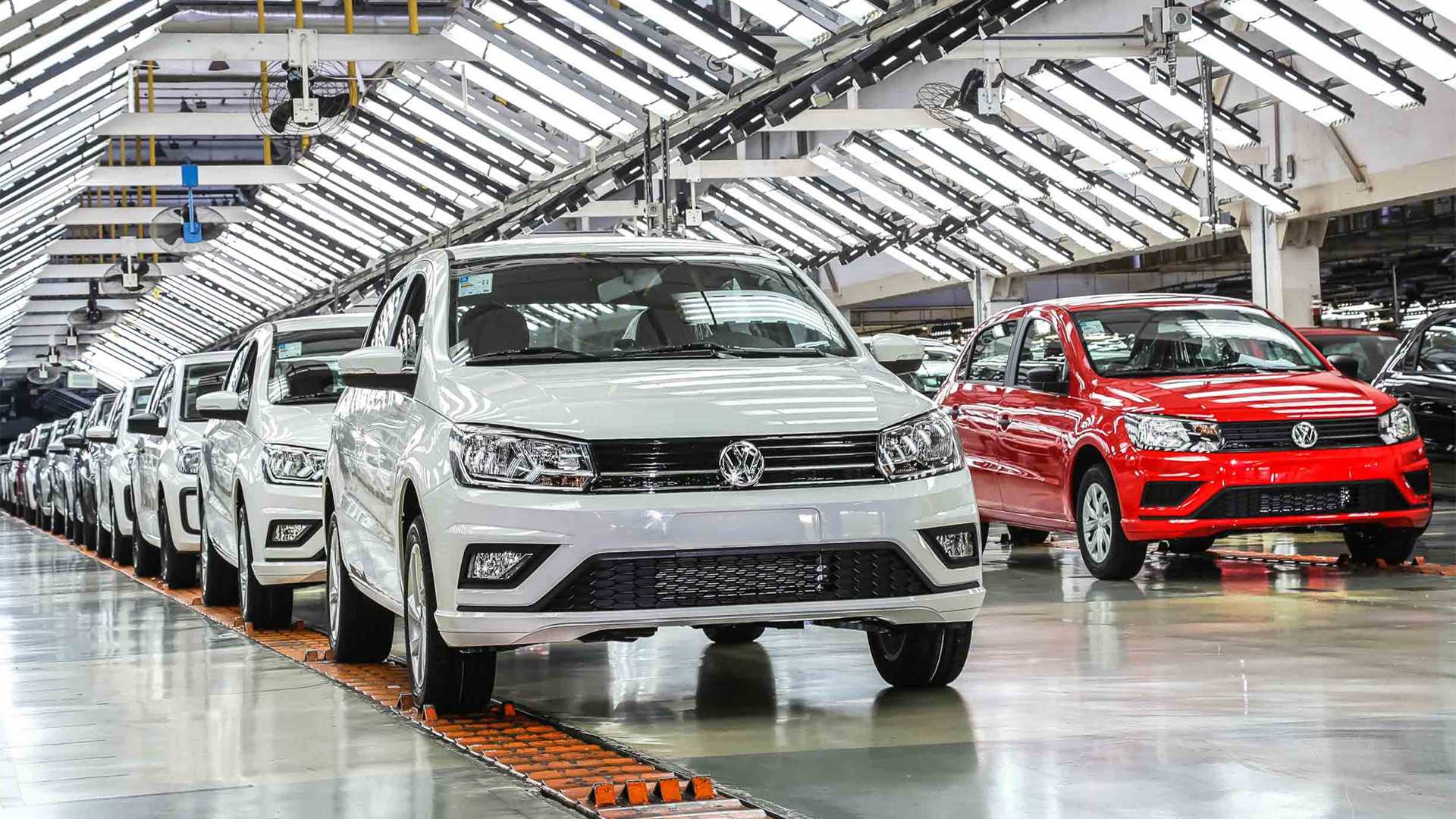
Volkswagen President Talks About Investments in the Gol and the Announcement of Investments in Factories in the Second Half
The President and CEO of Volkswagen, Pablo Di Si, stated in an exclusive interview that the brand will announce, in the second half, investments in factories and in the compact segments (new Gol or its replacement), pickups (new Saveiro), and SUVs. The executive mentioned that Volkswagen took 10 years to enter the SUV segment. According to him, the Taos and Volkswagen will compete for segment leadership with the Compass and Jeep. See also: Volkswagen Places About 2,200 Employees on Collective Vacation Due to Lack of Production Material in the Interior of São Paulo
- Ford Launches Service for Consumers Who Want to Drive a New Car Every Year by Paying Just One Monthly Fee
- New Solar Energy Complex in Piauí Promises to Generate 3,600 Jobs
- Energisa to Inaugurate the First Artificial Intelligence Center in the Electric Market to Develop Solutions for the Brazilian Electricity Industry
- Enel X, a Company of the Enel Group, Partners with Banco Itaú for Electric Car Sharing Service in Brazil
- 1700 Free Online Courses Offered by U.S. Universities Such as Harvard, Michigan, Stanford, and Others
Announcement of New Investments by Volkswagen in Factories in Brazil
The interview was conducted at the Goodyear test track in Americana (SP) during a presentation of the SUV Taos. Pablo Di Si stated that he has already invited the new global CEO of Volkswagen, Ralf Brandstätter, to participate in the event in the second half. On that occasion, Volkswagen will announce its new cycle of investments in the country’s factories.
It is still a secret whether the car that will replace the current Gol will keep this name or if it will inaugurate a new family. Market analysts believe that the name Gol will be maintained, but the car is expected to have a new proposal, becoming a crossover. In that case, the new Gol could compete directly with the Fiat Pulse (SUV of the Argo).
-
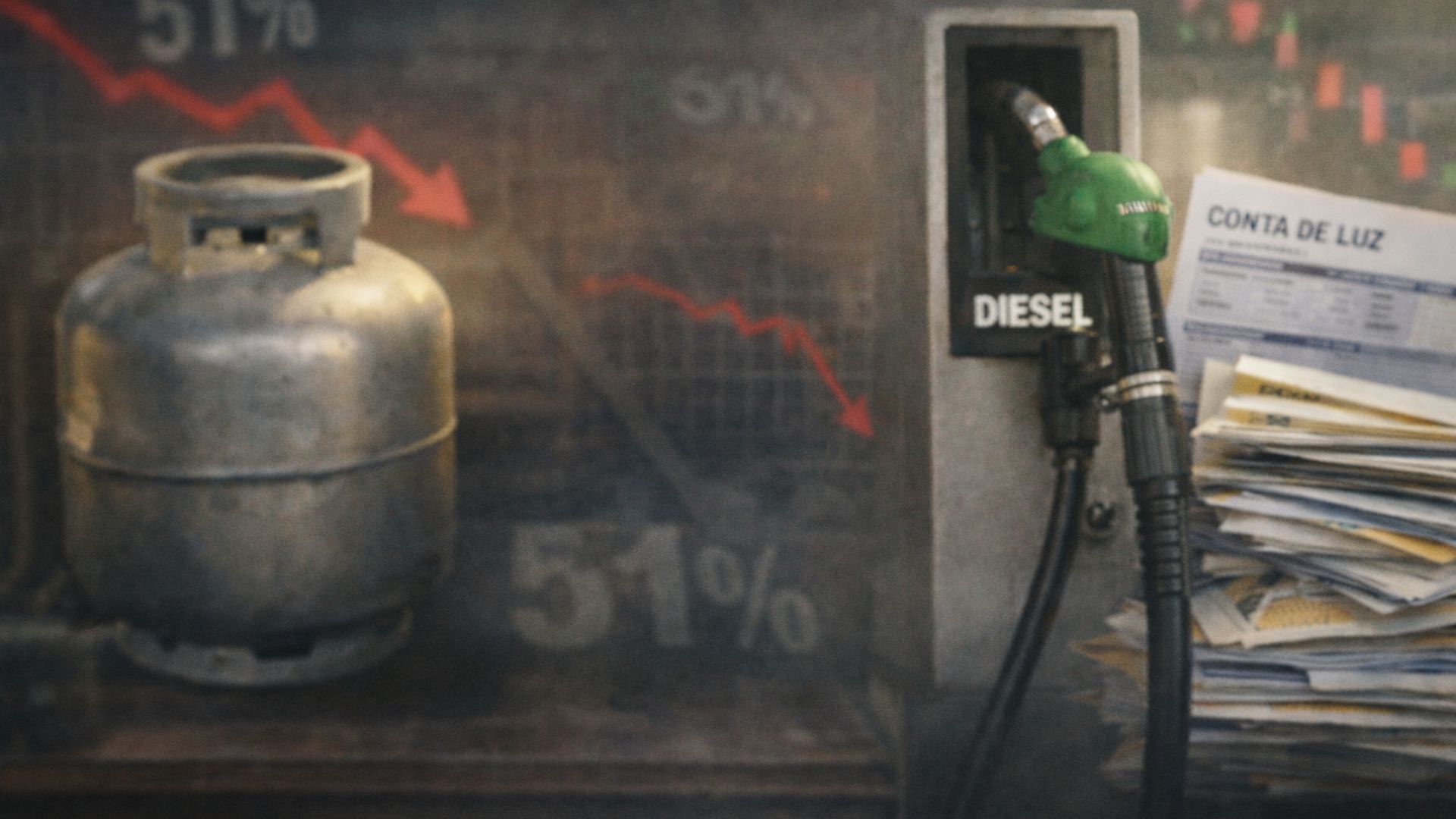
The Lula government is pursuing re-election and is therefore preparing a package with discounts of up to 80% on debts, subsidies for diesel, gas for 15 million, and energy, after reaching 51% disapproval six months before the election.
-
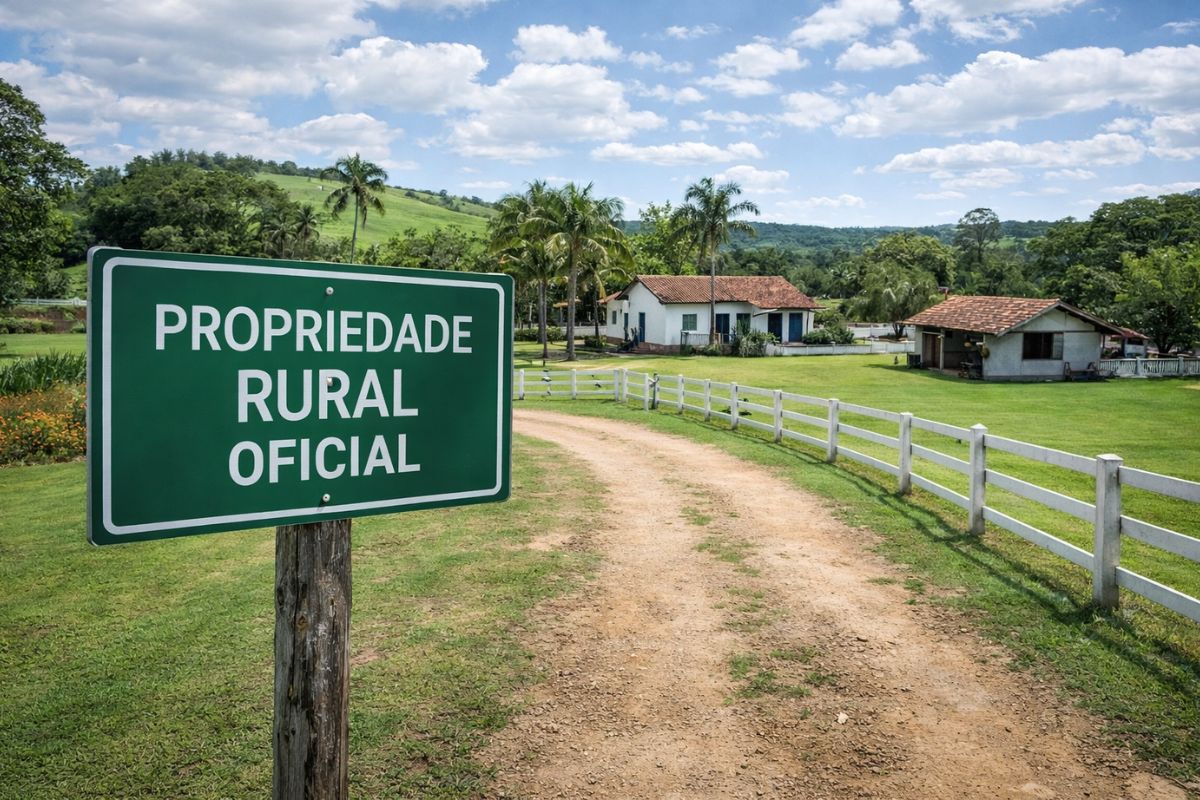
The chamber approves a project that transforms plots of up to 2,000 square meters into official rural properties, allowing thousands of small producers who were invisible to the government to now access credit, tax exemptions, and technical assistance.
-
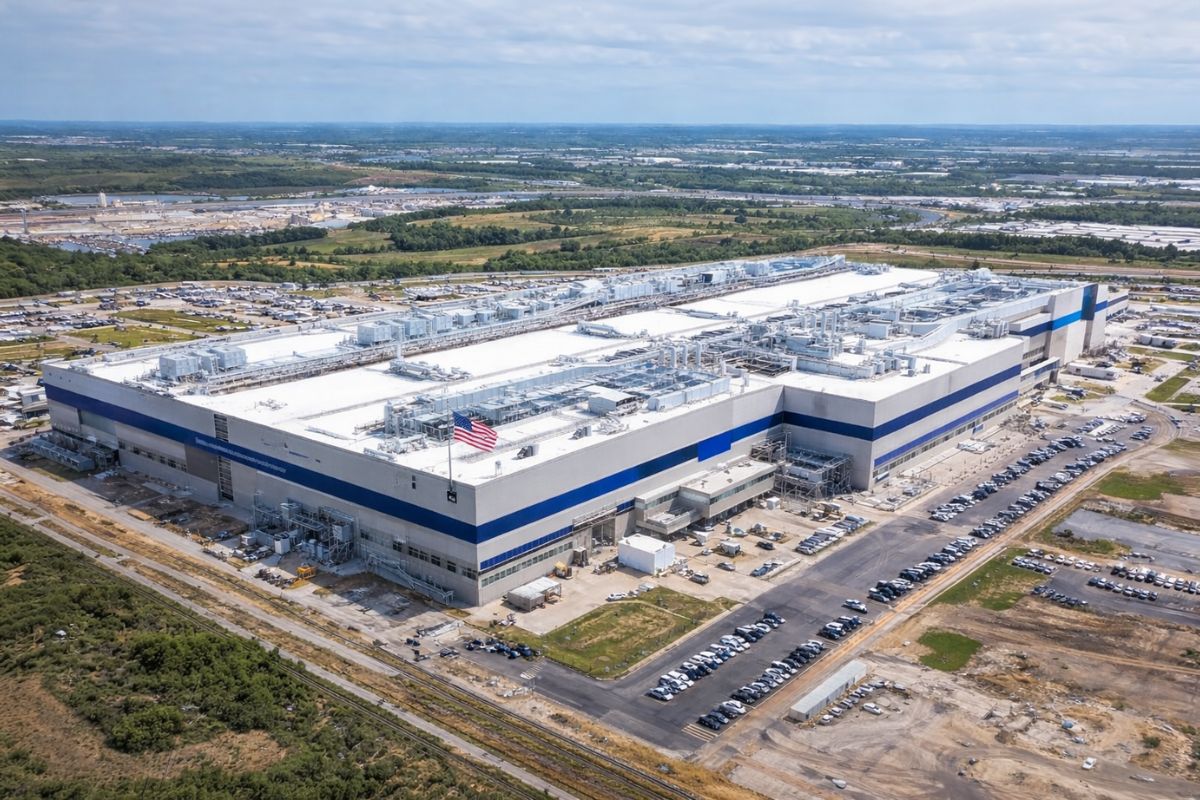
Factory 52, in the USA, cost over $5 billion, covers 270,000 square meters, and manufactures cutting-edge chips: it was named Project of the Year by the world’s largest engineering magazine, marking the global race for semiconductors.
-
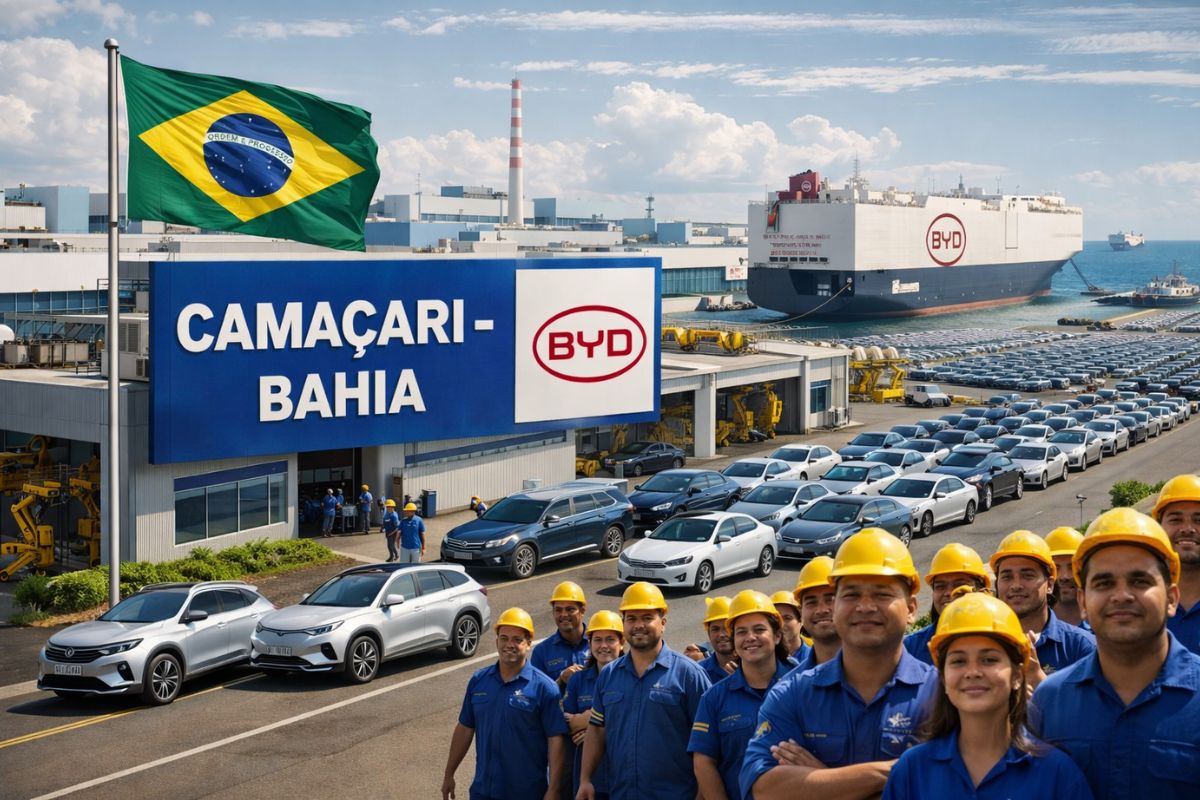
While BYD lays off 100,000 in China due to falling profits, the factory in Brazil remains strong: the unit in Camaçari, Bahia, could generate up to 20,000 jobs and become an export hub for all of Latin America.
See Also: Volkswagen Affirms That It Will Use Only Ethanol in Its Entire Brazilian Truck Fleet
Focused on reducing CO2 emissions, the vehicle manufacturer Volkswagen claims it will use only ethanol in its truck fleet, avoiding the emission of 1,700 tons of gases per year and committing to its Global Program. According to Pablo Di Si, President & CEO of Volkswagen in Latin America, ethanol is a low-carbon biocfuel and also a renewable and clean energy source. It has sustainability throughout its chain, taking into account the well-known “well-to-wheel” concept, from its acquisition, transportation, and refining, to its use in trucks’ engines and exhausts.
Ethanol is essential when it comes to reducing carbon emissions from the automotive industry. Volkswagen, recognizing the importance of ethanol, will supply its flex-fuel trucks in its internal fleet with the biocfuel.
This is an initiative that, like others that are to come, is part of the Volkswagen Group’s Global Way to Zero Program, which aims to achieve greater environmental efficiency and sustainability focused on carbon neutrality. It also states that using ethanol in the truck fleet ensures better air quality and a better quality of life for the population.
Always thinking about sustainability, Volkswagen created the e-Delivery, the first electric truck with mass production in Brazil, which is being manufactured in Resende (RJ).







Seja o primeiro a reagir!