





 Portuguese
  English
  Spanish
  2 min of reading


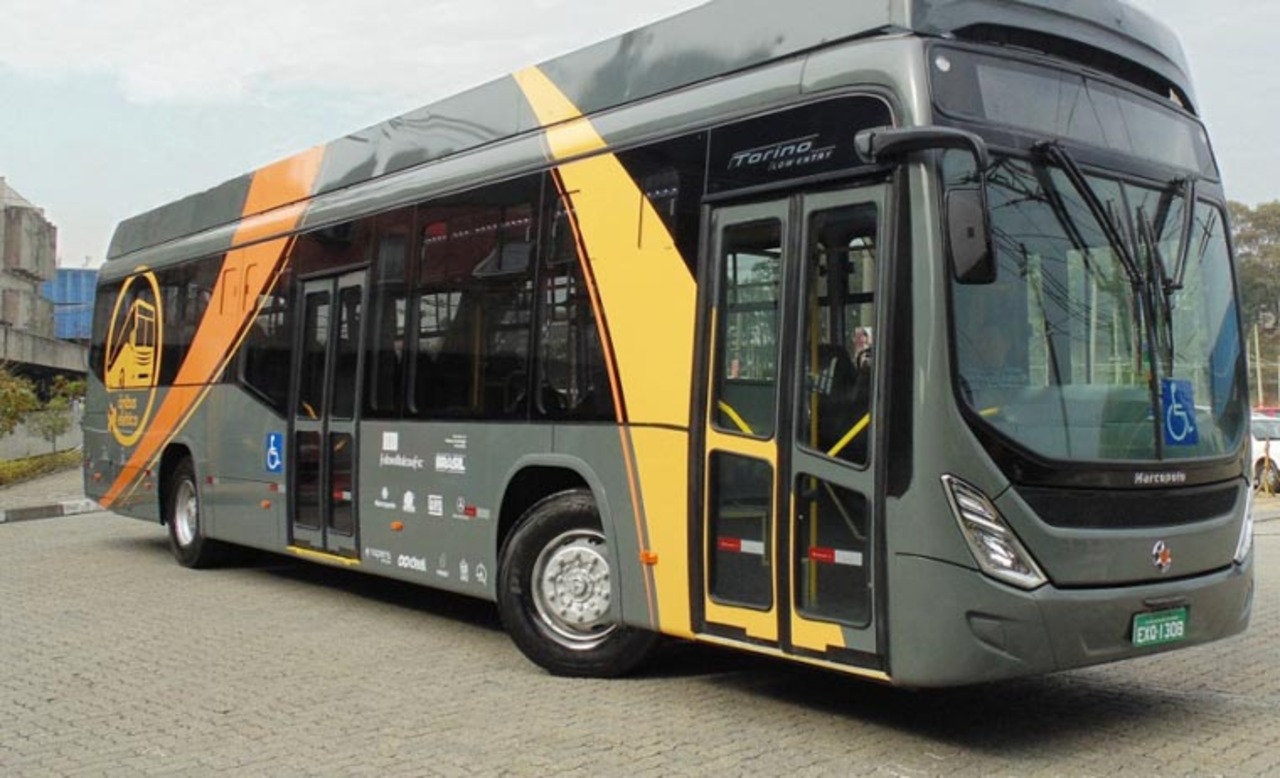
The Solar Bus from WEG Can Move Through Solar Energy Capture, Dispensing the Use of Fuel.
The solar bus, also known as the eBus, made by WEG in partnership with UFSC, has been in use since 2017 and is capable of covering a distance of 50km between the university campus and the Solar Photovoltaic Research and Training Center. Over 30 thousand passengers have already used the bus, including professors, students, and staff of the institution.
Also Read
The Idealization of the Project by WEG
In 2016, researchers, professors, and students had the idea, but to put it into practice, they had to create a crowdfunding campaign to raise funds. The purpose of the campaign was also to keep the vehicle running, as well as to pay the salaries of two drivers who still operate the bus route today.
Knowing about the illustrious idea, WEG and the Ministry of Science, Technology, Innovations, and Communications decided to support the project, donating about R$1 million to the developers of this achievement for the technological development of the eBus.
-
Historical drought and lack of snow in the Norwegian Alps threaten the largest clean energy reserve in Europe and could drive up electricity prices.

-
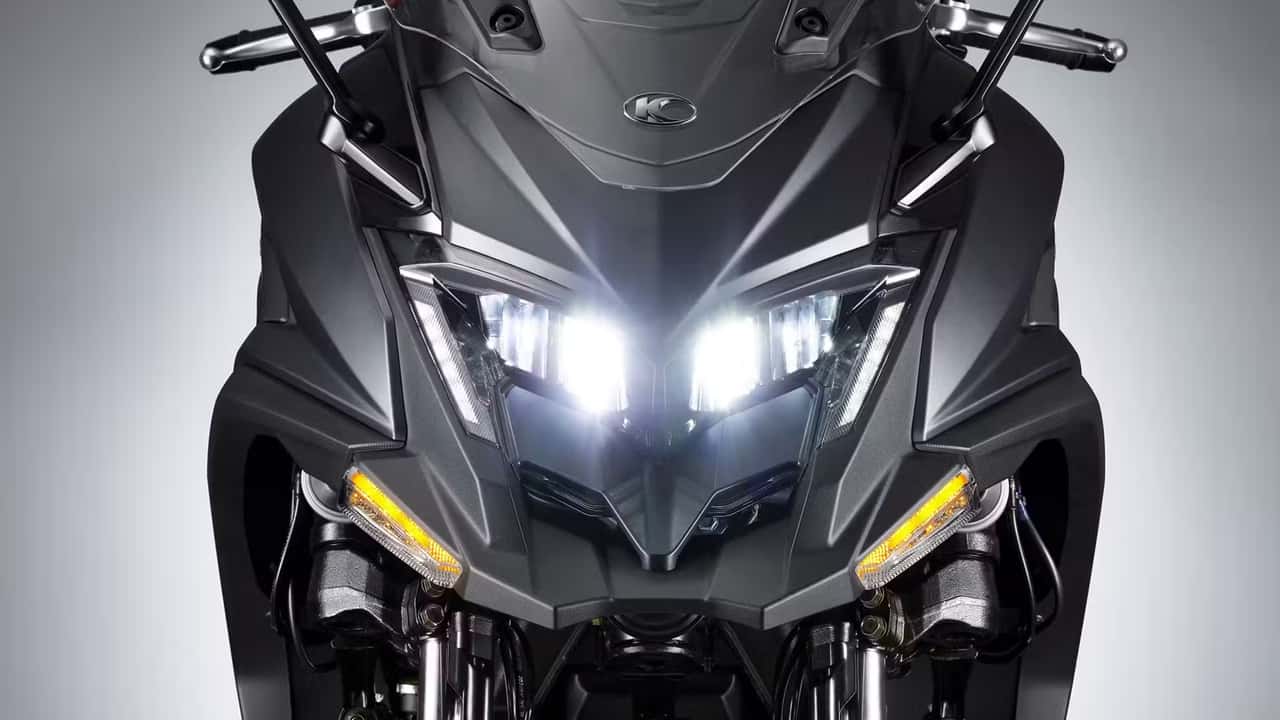
Kymco launches a 3-wheeled scooter with a 52 hp engine, a tilting front, and an audacious proposal to address one of the biggest fears of those who want to ride a motorcycle but still do not trust two wheels.
-
Most drivers make a big mistake on the road without knowing: there is an exact speed that makes the engine work with minimal effort and saves much more fuel, and it is neither 80 km/h nor 100 km/h as many imagine.

-
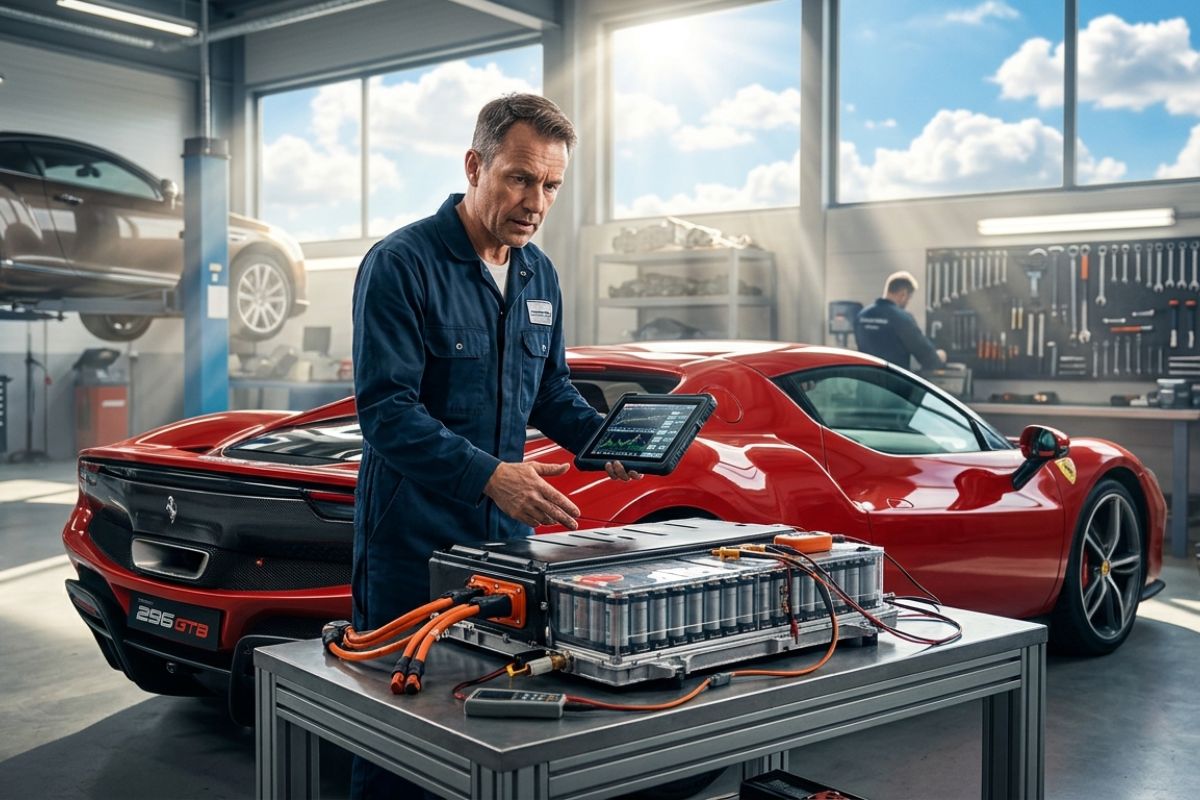
Mechanic explains: Ferrari 296 has a hybrid system management failure that can drain the high-voltage battery to an “irrecoverable” point in the car; recovery requires charging cell by cell on a bench, is risky, and the battery can cost R$ 250,000 imported.
Advantages and Differentiation of the eBus
Electric Propulsion System
WEG was responsible for the development and implementation of the bus system, as well as other structural components of the vehicle. The electric propulsion system is responsible for transferring the accumulated energy from the batteries to the traction inverter, taking control of the motor, generating the necessary force for the vehicle to move.
Regenerative Braking System
When the vehicle is braked, the energy generated during braking is always redirected back to the batteries, being reused and optimized.
Productive Displacement: The eBus has an integrated Wi-Fi network, as well as a meeting table attached inside the vehicle for professors and students to use.








Seja o primeiro a reagir!