






 Portuguese
  Spanish
  2 min of reading


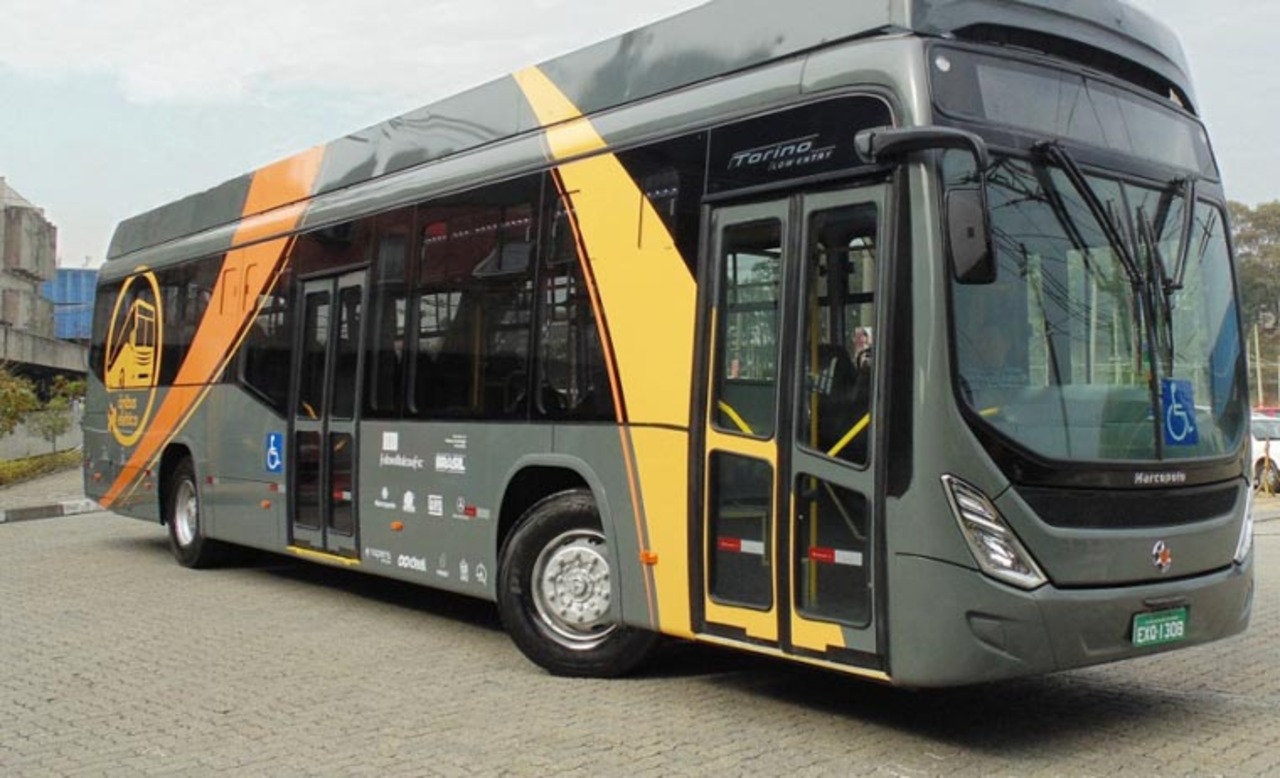
The Solar Bus from WEG Can Move Through Solar Energy Capture, Dispensing the Use of Fuel.
The solar bus, also known as the eBus, made by WEG in partnership with UFSC, has been in use since 2017 and is capable of covering a distance of 50km between the university campus and the Solar Photovoltaic Research and Training Center. Over 30 thousand passengers have already used the bus, including professors, students, and staff of the institution.
Also Read
The Idealization of the Project by WEG
In 2016, researchers, professors, and students had the idea, but to put it into practice, they had to create a crowdfunding campaign to raise funds. The purpose of the campaign was also to keep the vehicle running, as well as to pay the salaries of two drivers who still operate the bus route today.
Knowing about the illustrious idea, WEG and the Ministry of Science, Technology, Innovations, and Communications decided to support the project, donating about R$1 million to the developers of this achievement for the technological development of the eBus.
-
New Honda HooRide 125 scooter debuts in China with ADV styling, 17-inch wheels, TFT panel, Smart Key, and fuel consumption of up to 47.17 km/l, aiming to resemble an urban X-ADV with a 125 engine, CVT transmission, and an economical proposal for cities.

-
Volkswagen focuses on ethanol and tests a Saveiro 100% alcohol-powered with a recalibrated engine; the project may ensure tax reduction, targets corporate fleets, and revives technology that lost ground since the arrival of flex-fuel vehicles in 2003.

-
Keeping your foot lightly on the brake pedal while driving may seem harmless, but mechanics warn: this habit generates constant heat, wears out the pads too quickly, and can warp the discs, making braking expensive and dangerous.

-
The YouTuber Mark McCann bought a Bugatti Veyron for almost $1.2 million, but discovered that the supercar’s gearbox is so damaged that even Bugatti itself won’t accept to repair it, and the repair could cost a fortune.


Advantages and Differentiation of the eBus
Electric Propulsion System
WEG was responsible for the development and implementation of the bus system, as well as other structural components of the vehicle. The electric propulsion system is responsible for transferring the accumulated energy from the batteries to the traction inverter, taking control of the motor, generating the necessary force for the vehicle to move.
Regenerative Braking System
When the vehicle is braked, the energy generated during braking is always redirected back to the batteries, being reused and optimized.
Productive Displacement: The eBus has an integrated Wi-Fi network, as well as a meeting table attached inside the vehicle for professors and students to use.




Be the first to react!