Portuguese
  Spanish


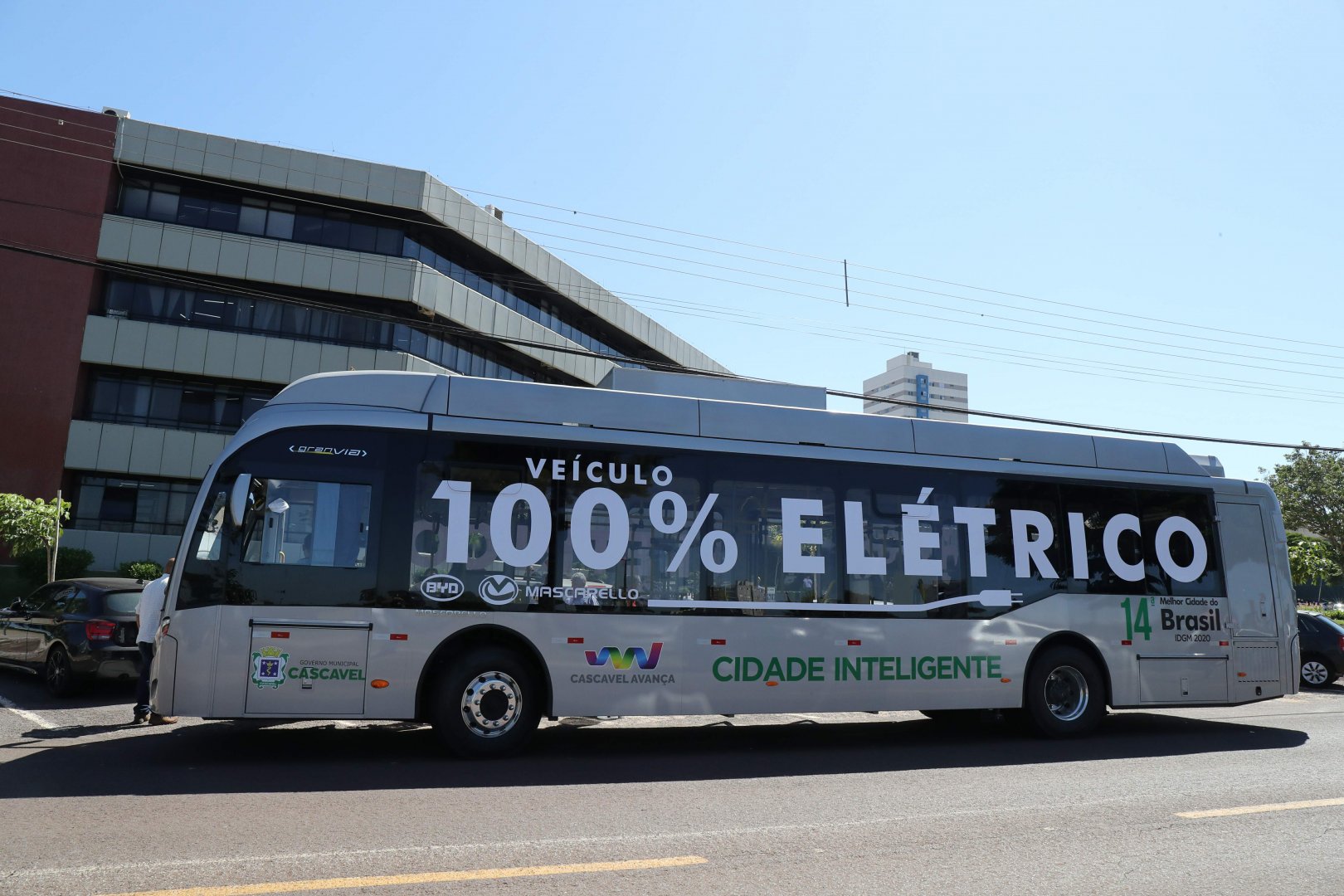

Electric Buses in SP Will Receive Over 1 Billion Reais in Investments
This Thursday (10), an alliance between 17 investors and manufacturers was announced, aiming to inject around R$ 1 billion in investments to finance the increase of the electric bus fleet in four cities in Latin America: São Paulo – SP, Medellín (Colombia), Santiago (Chile), and Mexico City. The investments in the electric bus fleet aim to permit the circulation of over 3,000 of these vehicles.
Read Also
According to the Alliance, All of Latin America Already Has Electric Buses in Circulation; Investments Will Enhance This Sector
According to the alliance proposing the investments, there are currently around 1,962 buses in operation across Latin America – meaning that investments in this sector will increase the number of electric buses by up to 150%.
The Zebra Alliance (Zero Emission Bus Rapid – deployment Accelerator) includes investors such as BNDES (National Bank for Economic and Social Development), Enel (which controls Eletropaulo), and EDP Brazil (another holding in the electric vehicle sector), along with manufacturers like BYD, Eletra, and Foton.
-
Latin America’s Largest Port Invests $400 Million in Rail System with Trains Up to 2.4 Kilometers Long
-
New Smart Radar Begins Issuing Fines to Solo Drivers in Carpool Lanes, Uses Cameras to Count Occupants, Changing Traffic Enforcement Rules on Busy European Roads

-
Why can the crane operator only obey the correct signalman on the construction site: among dozens of workers, a hand raised by the wrong person can confuse the maneuver and turn a load of tons into an immediate risk.
-
What changes with the new public transportation rules that can reduce pressure on fares and pave the way for zero fare in Brazil?

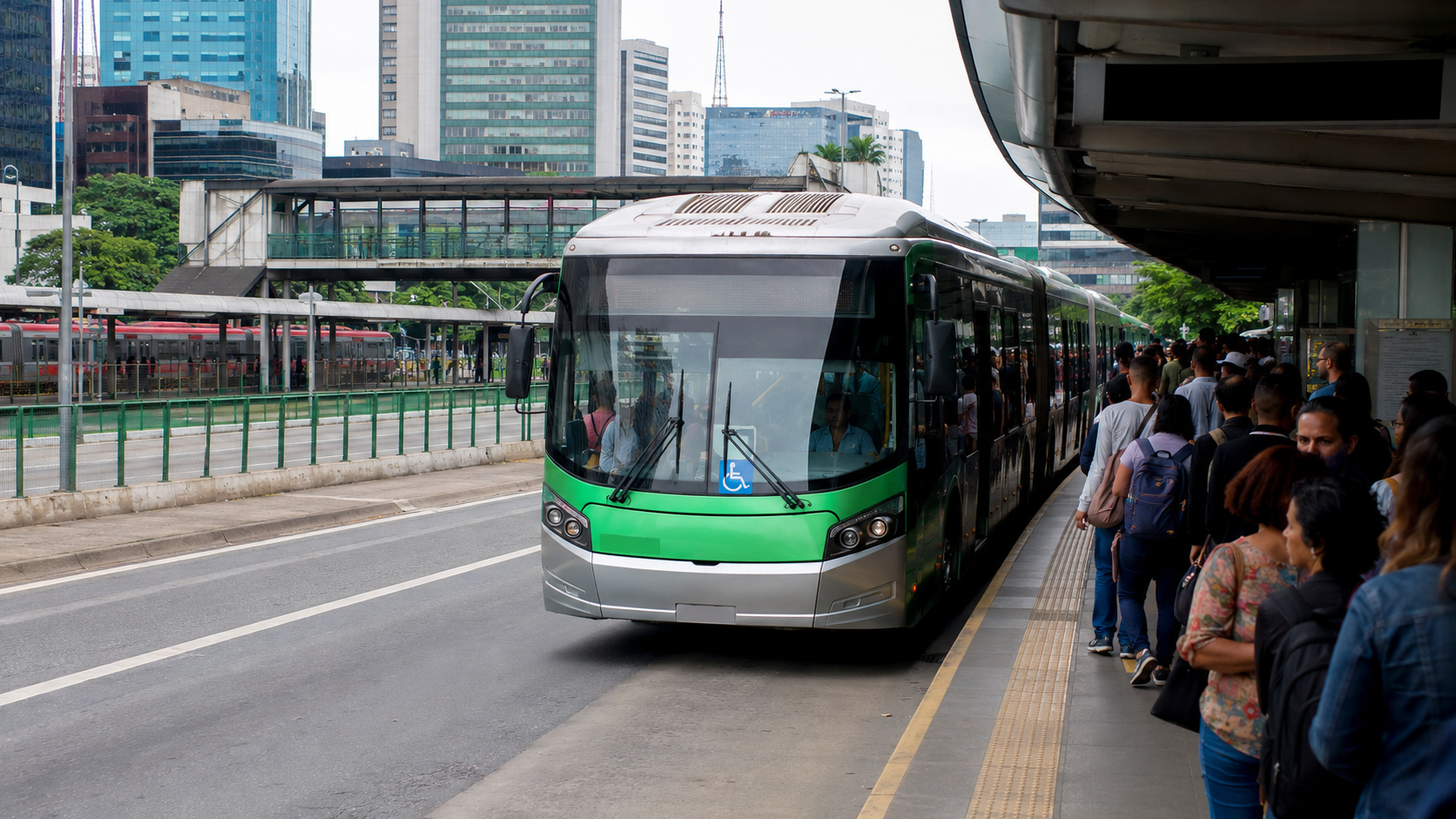
São Paulo – SP Has 1.5% of All Electric Bus Fleet in Circulation in the City
In São Paulo – SP alone, there are 217 electric buses in circulation, which accounts for 1.5% of the entire fleet, preventing the emission of over 25,000 tons of CO2 annually. In the city of SP, about 61% of greenhouse gas emissions come from public transport, which consists of diesel-powered buses.
In Chile, specifically in Santiago, there is the largest fleet of electric buses, with over 770 buses that emit zero gases. Investments in this area promise less polluting vehicles within up to 12 months, with the possibility of putting them into circulation in up to 18 months.