Portuguese
 Spanish


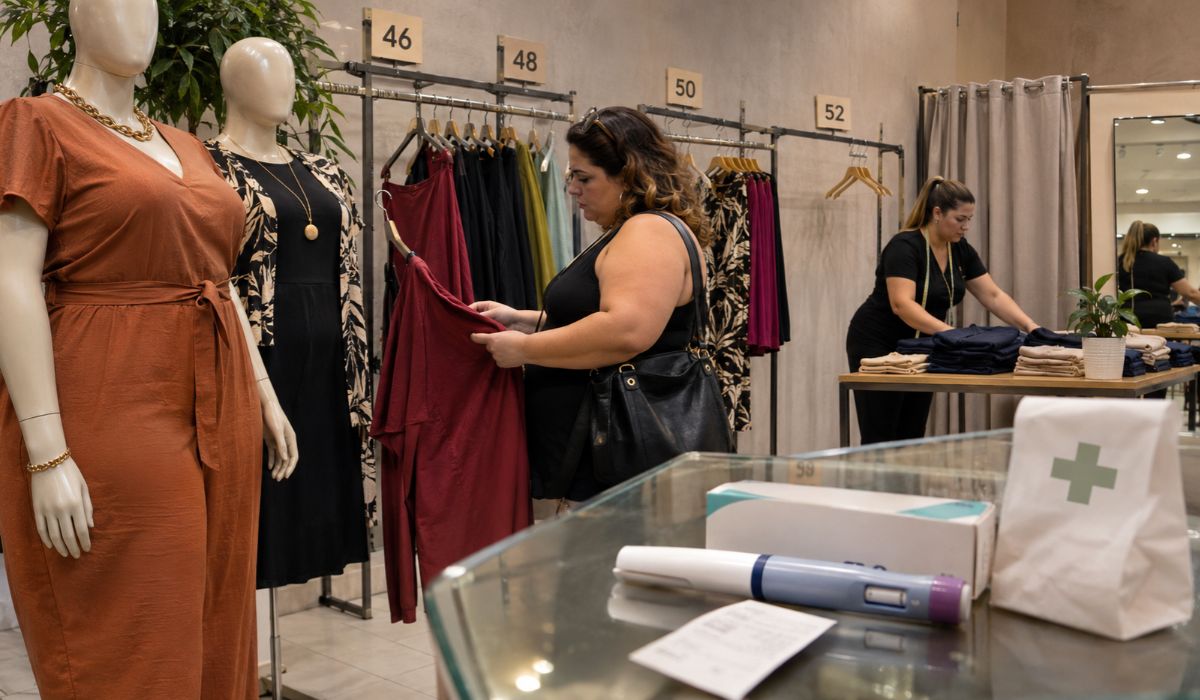

IEMI projects sales will fall from 188 million to 166 million items in 2026, while revenue could decline from R$18.2 billion to R$16.7 billion. Specialty chains are already adjusting stores and collections.
Weight-loss injection pens are driving changes that extend well beyond pharmacies. In Brazil, the plus-size clothing market is undergoing a transformation that is already showing up in sales projections, fewer specialty stores and even the sizes brands offer.
A survey by IEMI – Market Intelligence projects that the sector could sell 22 million fewer items in 2026, a decline of about 12% from last year.
Revenue is also expected to feel the impact. The segment is projected to fall from R$18.2 billion in 2025 to R$16.7 billion in 2026, a decline of R$1.5 billion.
-
End of Brazil’s 6-on/1-off work schedule could reduce home deliveries by 35,000 annually and increase construction labor costs by 10%, industry warns

-
Of every R$100 in Brazil’s financial wealth, nearly R$40 belongs to the richest 1%, while the poorest half gets just R$2
-
OAB-SP study says hiring workers through their own companies could cost Brazil up to R$200 billion a year and shift more than 1 million formal employees out of the CLT system
-
Tax reform could push prices higher as early as 2027, finance minister admits; Central Bank has not factored potential shock into forecasts, and Senate questions 11.3% rate


The shift comes as weight-control medications gain popularity, but they are not the only explanation. Changes in the options offered by major retailers and rising operating costs are also reshaping a market that had room to grow for years.
Plus-size market could sell 22 million fewer clothing items in just one year
The 2026 projection signals a significant shift in a segment that generates billions of reais in Brazilian retail.
About 188 million plus-size clothing items were sold in Brazil in 2025. This year, the volume is expected to fall to 166 million, according to IEMI.
The projected 12% drop in sales is even more striking when compared with the broader apparel market, which is expected to grow 2% in 2026.
In other words, while overall clothing sales may rise, the segment specializing in larger sizes faces a very different outlook.
The survey also shows that this shift did not begin recently. In 2023, plus-size clothing accounted for 7% of Brazil’s apparel retail market. That share fell to 6% in 2025 and could reach 4% over the next two years, according to the consulting firm’s estimates.
For Marcelo Prado, IEMI’s director, the growing popularity of weight-loss injection pens is one significant factor behind the shift.
But the executive also points to another trend: mainstream fashion chains have begun offering larger sizes, often up to Brazilian size 52, while stretchier fabrics have expanded shopping options beyond specialty stores.
In practice, some consumers who once relied on dedicated stores can now find clothes that fit them at mainstream chains.
Renner cuts Ashua stores as traditional brands shut down operations
The changes are already reflected in decisions by well-known companies in the plus-size fashion market.
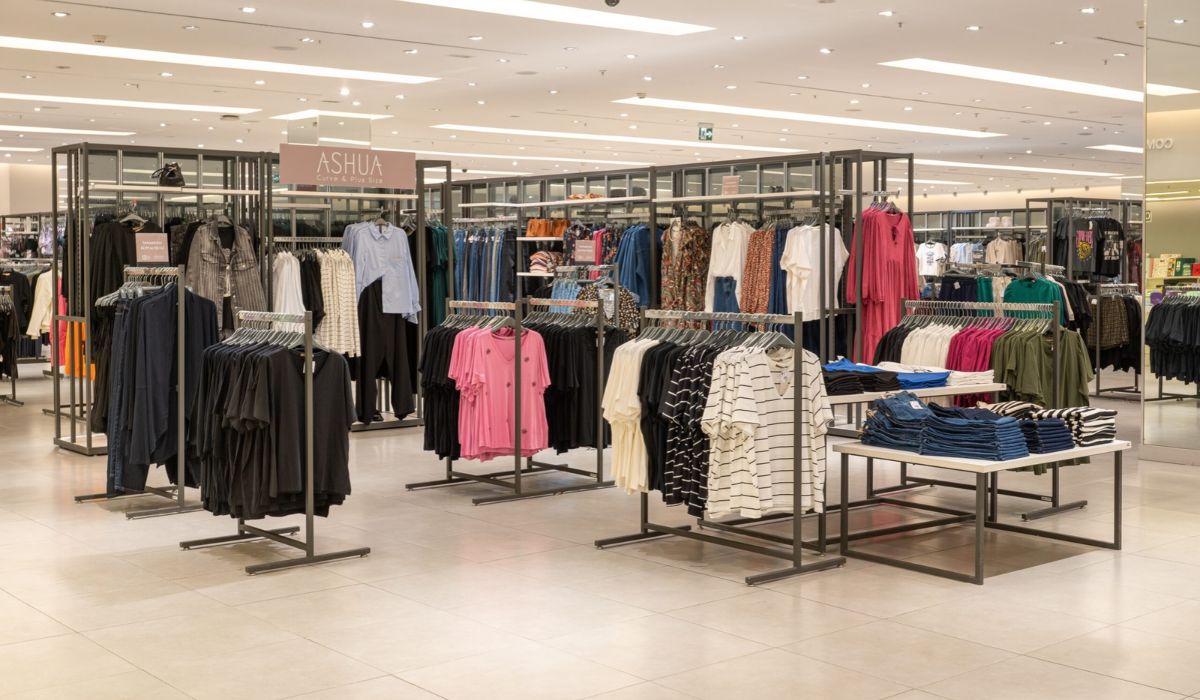
Ashua, Renner’s specialty brand, went from 18 to 15 standalone stores in the 12 months through September 2026. But the reduction does not mean the company is exiting the segment.
The company has expanded its presence in dedicated spaces inside Renner stores, known as shop-in-shop locations. Ashua now has 61 locations in this format, 12 more than in September 2025.
This marks an important shift in its sales strategy. Rather than relying only on standalone stores, the brand can offer its collections inside stores that already attract shoppers with a range of profiles.
Another company that had to rethink its business was Camisaria Varca, founded in 1939 and specializing in men’s clothing in larger sizes.
The chain closed locations in Curitiba, Porto Alegre and São Paulo, and announced that it would cease operations in Belo Horizonte. Its announced plan calls for keeping one physical store in the Pinheiros neighborhood of São Paulo and continuing to sell online.
Varca also decided to reduce its offerings in the largest sizes, adjusting its catalog to observed demand.
The company said the shift in its customer base had begun before weight-loss injection pens became widespread, particularly because of bariatric surgery. The spread of the medications is said to have accelerated the change.
The retailer also cites high operating costs, taxes, payroll expenses and high interest rates as factors that made it difficult to keep its stores open.
Kauê Plus Size, a chain that once operated 16 locations, permanently shut down in February 2026, after 39 years in business. At the time, it still had eight physical stores and an online operation.
These examples show the pressure facing traditional companies, although it is not possible to attribute all the closures solely to weight-loss medications.
How are weight-loss injection pens changing clothing purchases?
The growth of the market for weight-management medications has drawn the attention of companies that, until recently, did not seem directly connected to the pharmaceutical industry.
Close-Up International Brasil, a consulting firm, estimates that Brazil’s formal market for these pens could generate R$ 20 billion in 2026.
Some retail changes are linked to the behavior of consumers who start looking for smaller sizes after losing weight.
In this scenario, someone who previously bought size 60 clothing, for example, might switch to size 52 and find more options at mainstream stores.
But the relationship is not automatic. Not everyone who uses these medications experiences the same changes in body size, and the fashion market also responds to prices, trends, shopping habits and product availability.
IEMI’s research identifies a shift in sales in the segment but does not show what share of the projected decline was directly caused by the use of weight-loss injection pens.
Another important point is that the trend is not playing out in the same way across all chains.
C&A told UOL that it has not yet seen a significant decline in the plus-size category in its operations, although it has noticed increased demand for smaller sizes.
The company offers clothing in sizes 34 to 54 and tracks changes in consumer habits to adjust its collections.


Sportswear gains ground as retailers rethink their strategies
While specialized brands face difficulties, another apparel segment is drawing attention for the size of its market: sportswear.
Brazil sold approximately 680 million sportswear items in 2025, generating R$26.4 billion in revenue, IEMI figures show.
Part of this market is driven by the growing popularity of clothing that can be worn for both physical activity and everyday life, a trend known as athleisure.
The shift is also linked to the expansion of gyms. The number of these businesses rose from approximately 4,000 in 2000 to 60,000 in 2025, while memberships increased from 900,000 to 10.3 million, Marcelo Prado said.
For retailers, these changes call for close attention to consumer behavior. Someone who stops buying a particular size does not necessarily spend less on clothing: they may start buying other sizes, update their wardrobe or seek out different styles.
This is one of the issues companies will need to monitor as they plan inventories and collections for the coming years.
The Brazilian Textile Retail Association (ABVTEX) says changes in body size and habits may affect both how often people shop and demand for different clothing categories.
In the plus-size market, the need to adapt is already reflected in a mix of smaller stores, shop-in-shop locations within major chains, online sales and adjustments to size ranges.
For now, IEMI’s figures are projections for 2026. The actual result will depend on sales for the rest of the year, but the forecast of 166 million items sold already serves as a benchmark for retailers’ decisions on inventory, physical locations and investment.