





 Portuguese
  English
  Spanish
  5 min of reading
  0 comments


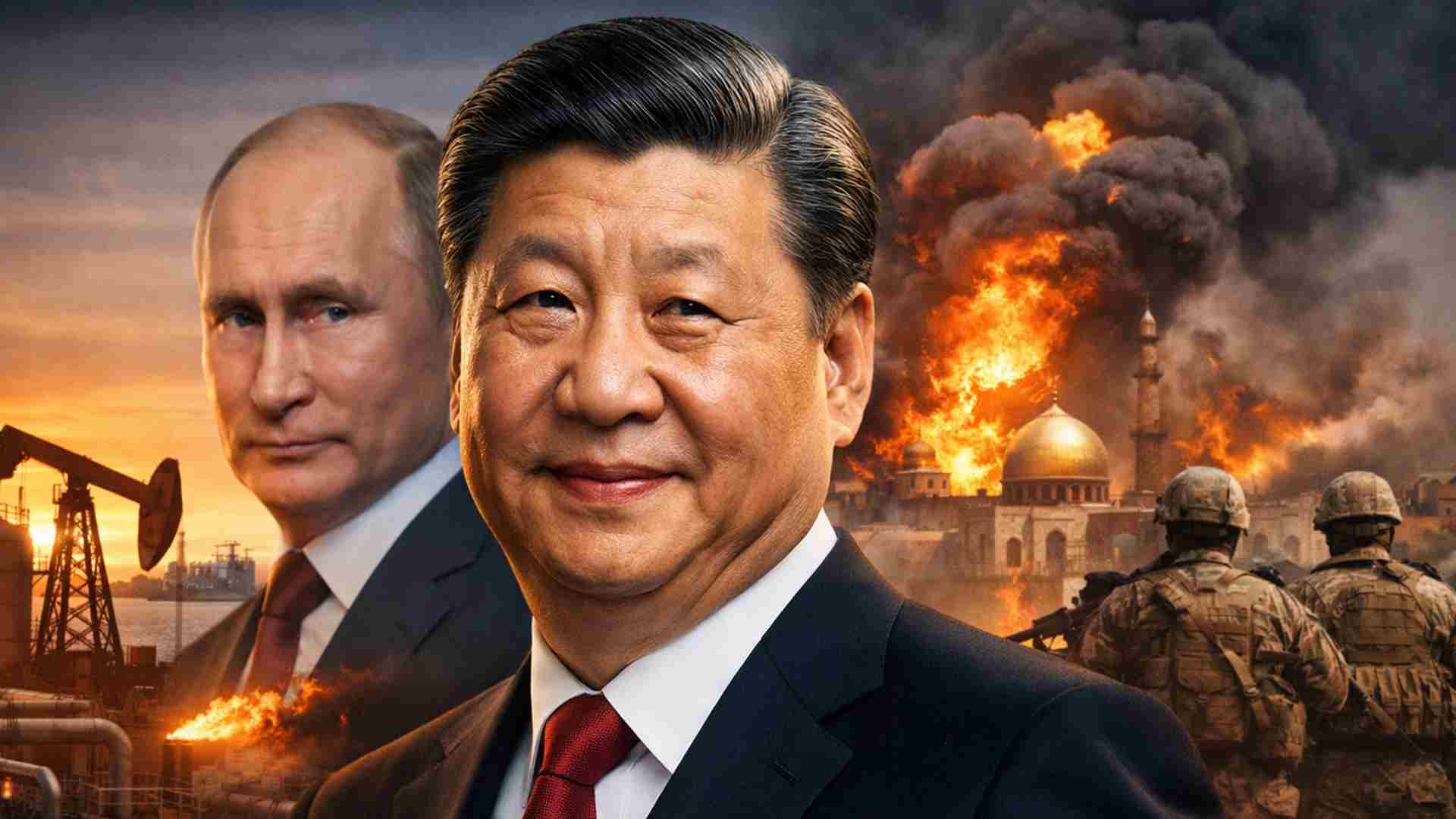
When analyzing the crisis involving Iran, the United States, China, and Russia on Flow, Oliver Stuenkel pointed out that a potential military escalation in the Strait of Hormuz could affect oil prices, reposition global alliances, pressure Europe, and expand Beijing’s strategic space in Asia.
The possibility of a deeper military involvement of the United States in Iran, with troop deployments and attempts to control strategic points like the Strait of Hormuz, was presented by Oliver Stuenkel on Flow as a move capable of producing effects far beyond the Middle East, impacting China, Russia, Europe, and South America.
China observes in silence and expands strategic advantage
In Stuenkel’s assessment, China adopts a cautious stance in the face of the escalation involving Iran and the United States.
The Chinese calculation is based on a central fact: a significant portion of the oil that passes through the Strait of Hormuz goes to Asia, especially to the Chinese market. This means that any crisis in the region could pressure prices and fuel inflationary effects in the short term, even within China itself.
-
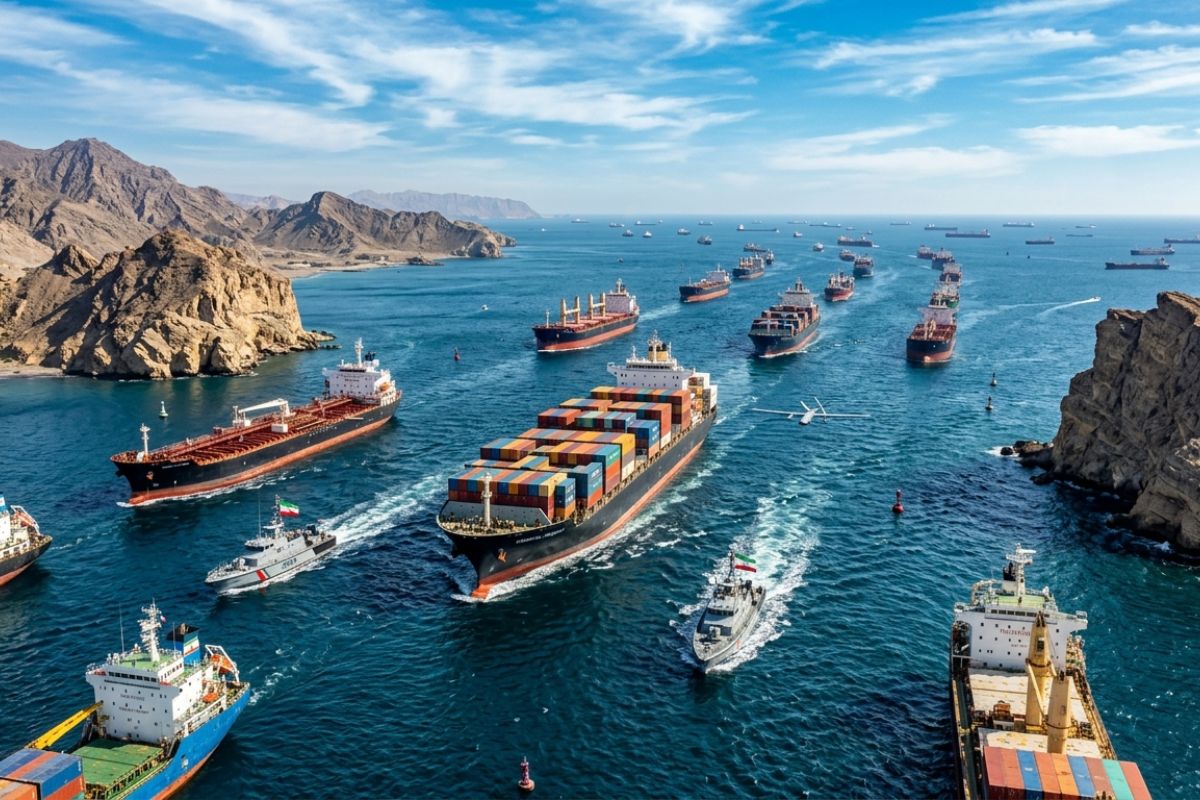
Iran authorizes the passage of ships with essential goods in the Strait of Hormuz, requires coordination and protocols; UN postpones resolution to reopen the oil route, while China, France, and Russia reject the use of force.
-
The Ukraine war exposes the strength of the M113 armored vehicle amid modern warfare with military drones.
-
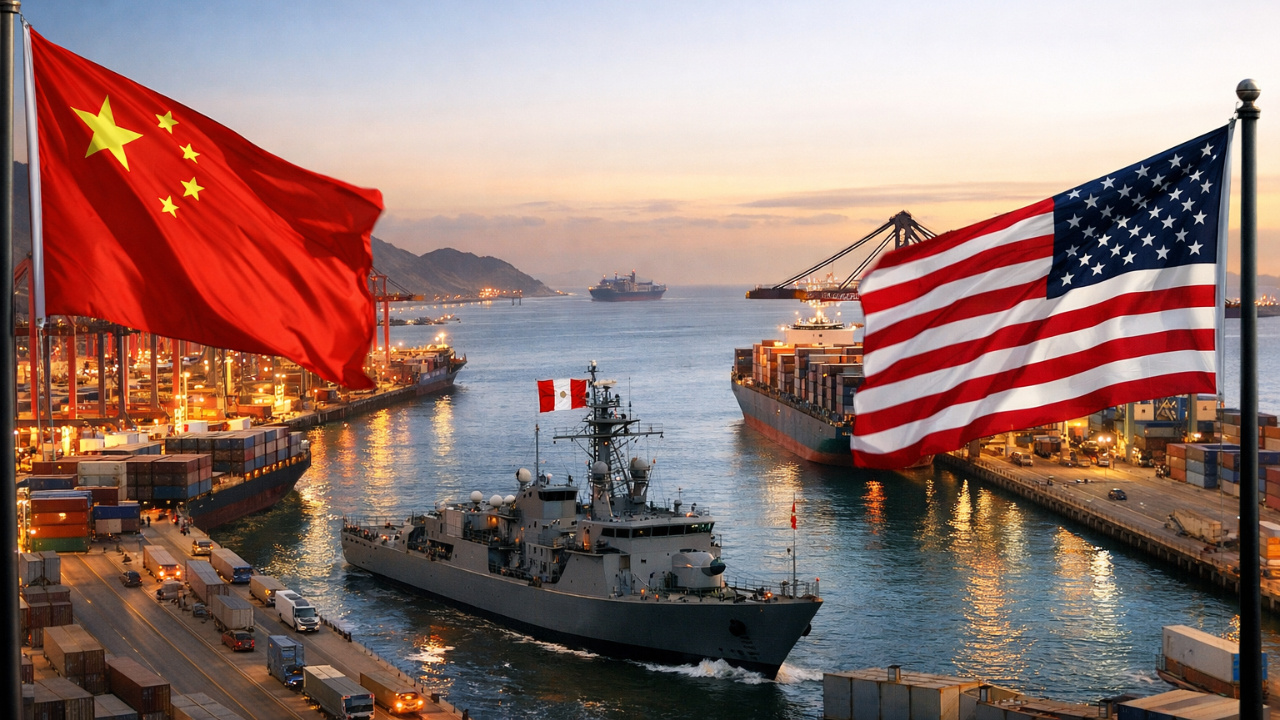
Maritime geopolitics: China and the USA compete for strategic ports in Peru.
-
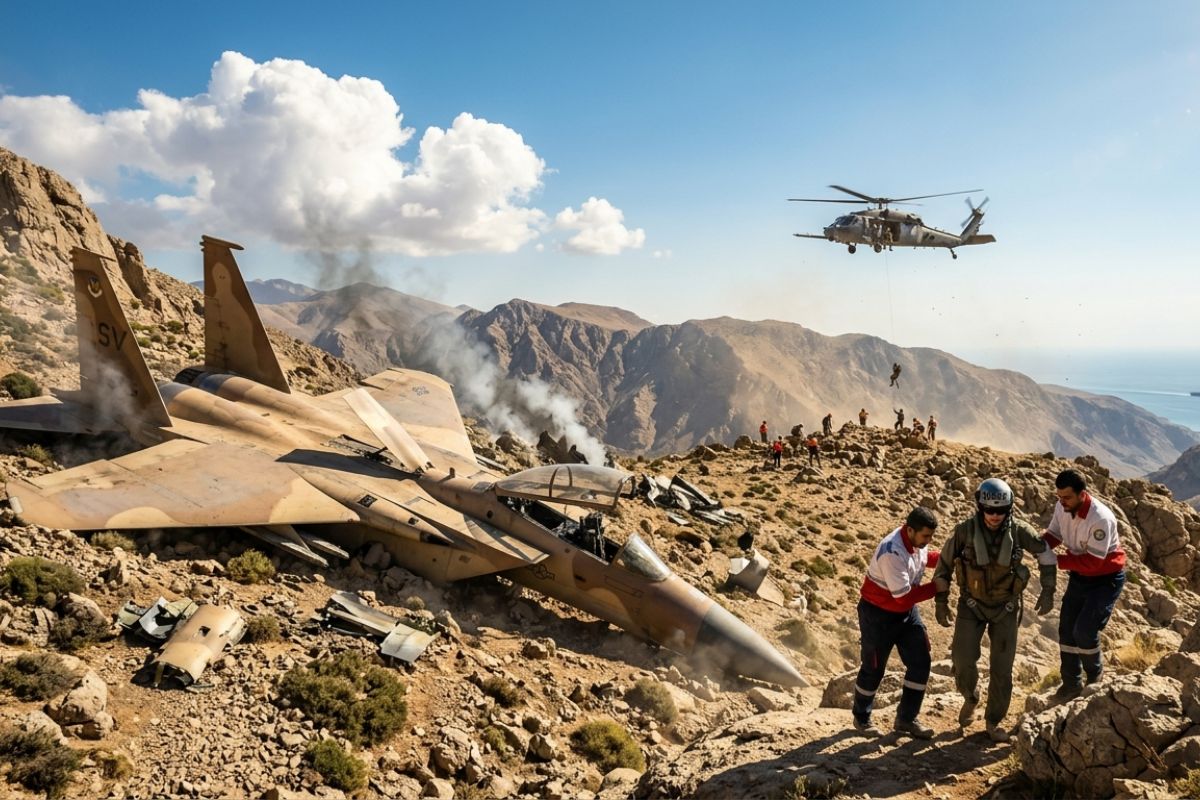
Iran shoots down two US aircraft: F-15 fighter crashes in mountainous area, one crew member is rescued and another is still missing; second crash in the Persian Gulf exposes still active air defense, says US intelligence.
Still, the Asian country appears less exposed than at other times, having diversified its energy structure, increased reserves, and strengthened its commitment to renewable sources. The contrast drawn in the debate is direct: while China seeks to reduce dependence on fossil fuels and reposition itself as a power associated with the energy transition, the United States would be moving in the opposite direction, making an increasingly strong bet on oil.
Within this logic, a potential prolonged American operation in Iran would not necessarily be bad news for Beijing.
The reason is strategic: with Washington absorbed for years in a new front in the Middle East, China would gain more space to consolidate itself in Asia and expand its influence without needing to engage in direct confrontation.
Trump’s unpredictable stance drives allies away from the United States
Another point highlighted in the debate is the growing perception that Donald Trump projects the image of an unpredictable partner. This trait, according to the analysis presented, alters the way traditional allies and partners of the United States organize their foreign policy.
The problem lies not only with Washington’s historical adversaries but also with countries that maintain close relations with the Americans and have begun to see a greater risk of abrupt decisions, whether in trade or in the political arena.
The perception is that no one knows for sure what Trump’s next move will be, whether there will be tariff impositions, support for internal opponents, or interference in national political disputes.
This instability, according to the discussion, has been opening space for a closer rapprochement of various countries with China.
Not out of ideological affinity or enthusiasm for Beijing, but out of a need for diplomatic protection in the face of the uncertainty generated by Washington. In this scenario, China appears as an actor that prefers to act quietly, allowing Trump to occupy center stage while it works to strengthen ties and reduce international isolation.
Chinese influence advances through trade, technology, and investment
The reading made on the program argues that China operates on the geopolitical chessboard differently from the American tradition. Instead of prioritizing military pacts, security cooperation, and explicit displays of strength, Beijing expands its presence through trade, direct investment, and technological cooperation.
In South America, this movement manifests itself in the purchase of products, the provision of infrastructure, and the advance into strategic areas of the digital ecosystem, with a presence in technologies like 5G and 6G. The pointed intention is to gradually and less visibly integrate the region into the Chinese technological environment than the influence historically exerted by the United States.
This method is considered more subtle, but no less relevant. While avoiding open military exposure, China expands its economic presence and creates lasting ties with governments and markets.
Still, the assessment also recognizes that Beijing maintains increasingly larger and more capable armed forces, within the perception that, at some point, it may be necessary to be prepared for a direct confrontation with the United States.
Russia profits from the crisis and Venezuela remains at the center of the dispute
In the Russian case, the reasoning presented on Flow points to an immediate benefit from the war: the rise in oil prices. As a major exporter, Russia benefits from a more strained market and the possibility of Europe becoming more dependent on its energy, especially if there are stricter restrictions on access to natural gas and oil from the Middle East.
The discussion also touched on Venezuela, treated as part of the strategic dispute in the Americas. It was emphasized that China sold Venezuelan oil, granted large credits to the country, and ended up accumulating losses due to the inability to pay. Russia, in turn, also expanded its presence by supplying military equipment.
The reading presented is that there was an American effort to remove Venezuela from the strategic orbit of China and Russia, within a broader vision of dominance in the Americas. At the same time, it was pointed out that this type of policy represents a challenge for South America, a region that ideally seeks to maintain relations with both poles and avoid rigid alignment.
In the event of an American invasion on Iranian soil and an attempt to control the flow of oil towards Asia, the debated assessment was that the scenario would become explosive. Even though China and Russia act with caution, the mere possibility of the United States controlling a route essential for Asian supply could redefine the global balance and deepen the dispute among the great powers.









Seja o primeiro a reagir!