





 Portuguese
  English
  Spanish
  4 min of reading
  0 comments


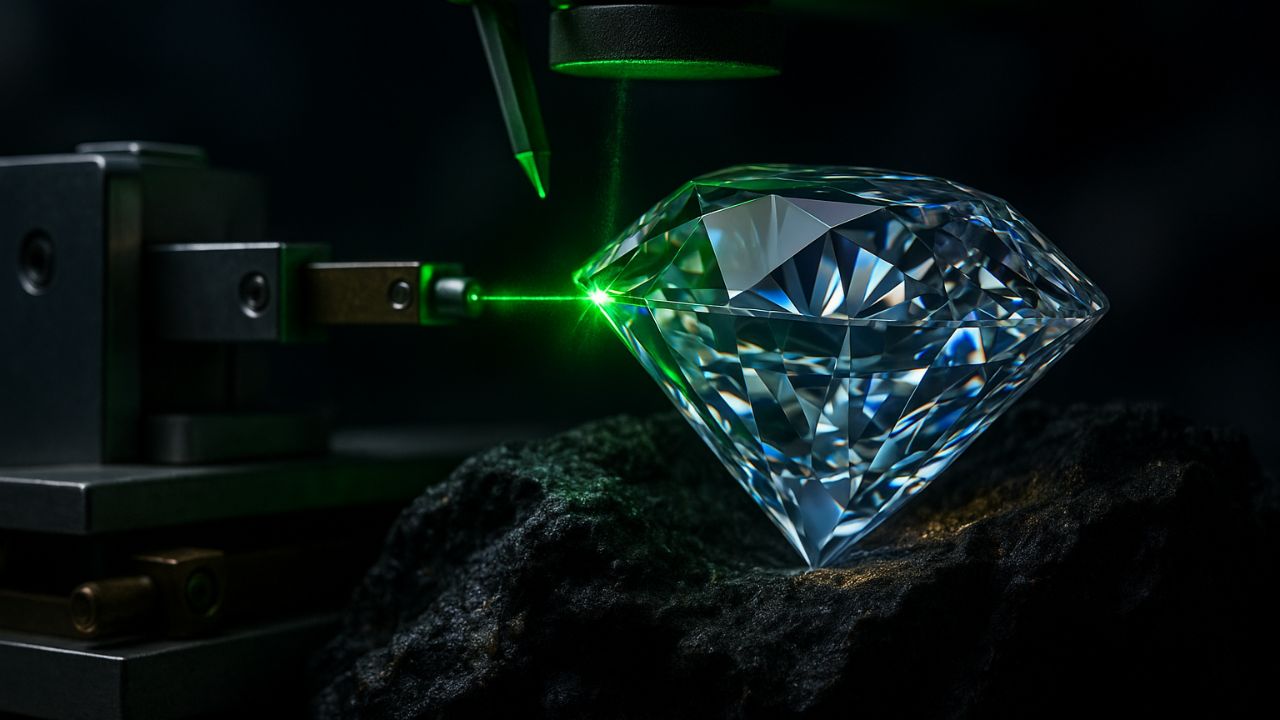
How The Diamond Mining Giant Used Radically Low Prices To Commoditize Synthetic Gems And Protect Its Natural Stone Empire.
In 2018, De Beers, a company that built the value of diamonds on the idea of rarity, shocked the world. It launched Lightbox, a brand of lab-grown diamonds sold at up to 80% off. It was not a surrender to new technology. It was a calculated attack, a “Machiavellian masterstroke” to segment the market, protect its core business, and define synthetic diamonds as a completely different product category.
Lab-Grown Diamonds Vs. Diamond Mining
To understand De Beers’ strategy, you need to know the product. Lab-grown diamonds are not imitations. They are chemically, physically, and optically identical to natural diamonds. Their hardness is the same. To the naked eye, they are indistinguishable.
They are created by two main methods: High Pressure, High Temperature (HPHT) and Chemical Vapor Deposition (CVD). Both replicate nature’s processes but at an accelerated pace. The result is a real diamond. However, these processes leave “microscopic fingerprints”. These differences, such as growth patterns and elemental traces, are detectable by advanced gemological laboratories like GIA.
-
After China, it’s now the turn of the USA to ‘secure’ a share of Brazil’s natural resources: the country buys critical rare earths for R$ 3 billion and enters the center of the global technology dispute.
-
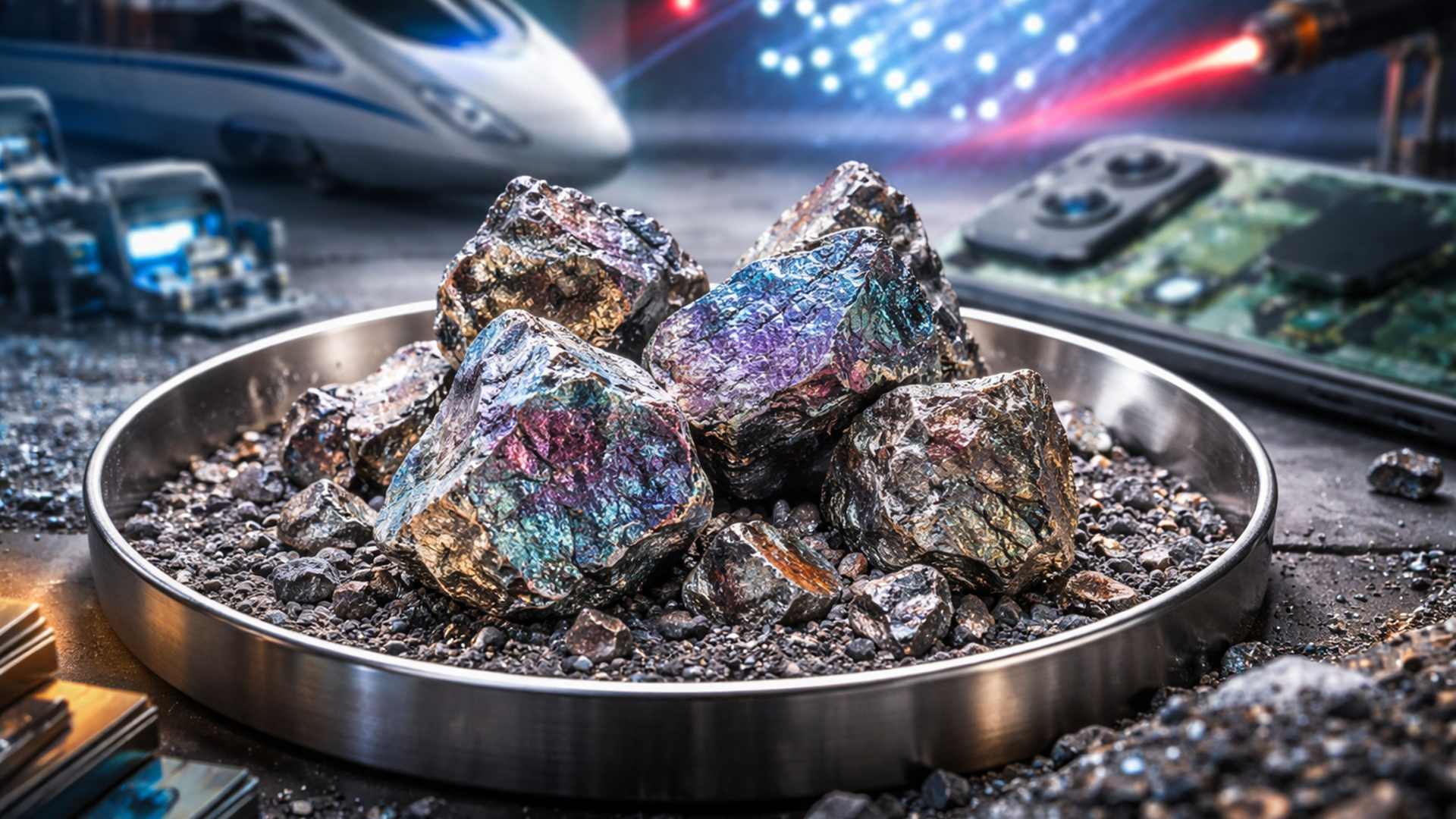
Rare earths are in everything, from cell phones to bullet trains, and what almost no one realizes is why they have become the target of such a delicate global war.
-
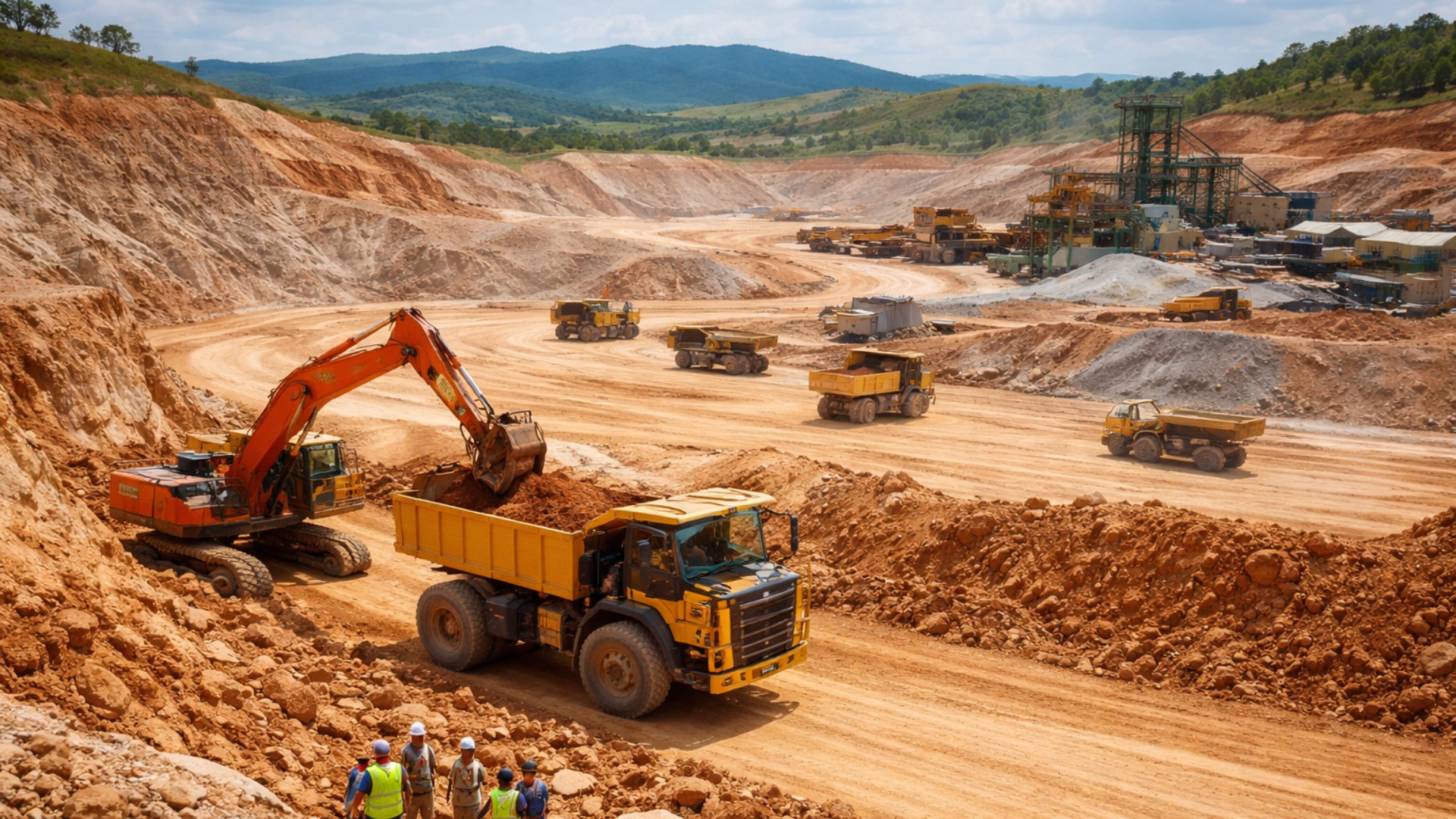
Brazil extracts 26.3 million tons of ore from what was previously treated as waste, transforming residues into wealth, producing over 3 million tons of sand, and demonstrating how national mining is relearning to generate value.

-
A $3.5 billion megaproject in Latin America pumps desalinated seawater at 1,050 liters per second over 194 km to keep a copper supermine in the Andes operational for another 20 years.


This differentiation capability is key. It allows for a grading report for a natural diamond, resulting from diamond mining, and another that says “Lab Grown”. Without this scientific distinction, De Beers’ strategy to create two value universes would be impossible.
A Historical Lesson On Market Control
De Beers has always operated by controlling the market. For a century, its motto has been “reduce production” to keep prices high. The campaign “A Diamond Is Forever” transformed a carbon stone into a symbol of everlasting love. The company did not sell a product; it sold a dream.
The threat of oversupply is not new. In the 1960s, the Soviet Union flooded the market with Siberian diamonds, often smaller ones. De Beers’ response was not a price war. It was segmentation. The company created and promoted a new category of fashion jewelry with multiple small diamonds. This absorbed the Russian supply without devaluing the larger engagement rings, its main product. The Lightbox strategy is the modern application of this same playbook.
The Aggressive Strategy Of $800 Per Carat
The launch of Lightbox in 2018 was a preemptive strike. The most disruptive element was the price: a linear and transparent value of $800 per carat. A one-carat diamond cost $800. Half a carat, $400.
This tactic severed the link between the prices of lab-grown and natural diamonds. Previously, synthetics were sold at a percentage discount to naturals. Lightbox anchored the value to production cost, not to rarity. The marketing message reinforced this. Lightbox was “perfect for now”, not “forever”. It was fashion, fun, impulse. Romance and special moments were reserved for natural diamonds. De Beers initiated a price war to commoditize the synthetic market.
Affordable Brilliance Versus Ethical Luxury
While De Beers used price to strip value from synthetic diamonds, competitors like Brilliant Earth did the opposite. They built their brand on values, not discounts. Their message was one of sustainability, transparency, and ethics.
Brilliant Earth focused on using recycled metals and “Beyond Conflict-Free” diamonds. They even sold diamonds made with CO2 captured from the atmosphere. Their digital marketing strategy, like the “Drop A Hint” campaign, allowed couples to choose the engagement ring together, collaboratively. The market split into two opposing narratives. On one side, the question was “How cheap can I get it?”. On the other, “Does this purchase align with my values?”.
The Resale Value And The Future Of A Divided Industry
The most lasting consequence of De Beers’ strategy is in resale value. Natural diamonds, although depreciating after purchase, typically retain 30% to 60% of their value. Lab-grown diamonds, on the other hand, have an almost zero resale value, often dropping to just 10% to 30% of the original cost.
This is no accident. It is a direct result of the price war initiated by Lightbox. The ongoing drop in the price of new lab-grown diamonds makes it impossible for a robust secondary market to exist. Why buy a used one if a new one will cost almost the same the next month?
De Beers’ final move was to announce that between 2024 and 2025, its factory would start producing synthetic diamonds solely for industrial and technological applications, like semiconductors and quantum computing. This cemented the idea: lab-grown diamonds are a technological material, not a precious gem. The gambit was a success. De Beers did not try to win the lab market; it ensured that this market could never defeat its core business, the valuable world of diamond mining.







Seja o primeiro a reagir!