Portuguese
 Spanish


The Cool Eternity was christened and launched at the Shikoku shipyard in Japan, with a designed capacity for about 25,600 cubic meters of refrigerated cargo across nine temperature zones, plus containers on deck.
A 189.9-meter-long ship designed to carry fresh fruit over long distances was launched in Takamatsu, Japan, on Nov. 10. The Cool Eternity will have five refrigerated holds and can carry palletized bananas below deck while transporting about 300 40-foot reefer containers on its hatches and deck.
Ordered by operator Cool Carriers from the Shikoku shipyard, the cargo ship is 30.7 meters wide. The christening and launch, announced by the company on Nov. 13, are part of a fleet-renewal program for vessels specializing in the transport of perishable foods.
Five holds provide about 25,600 cubic meters of refrigerated space
The new ship’s refrigerated compartments total about 905,000 cubic feet, or approximately 25,600 cubic meters, across nine temperature-controlled zones.
-
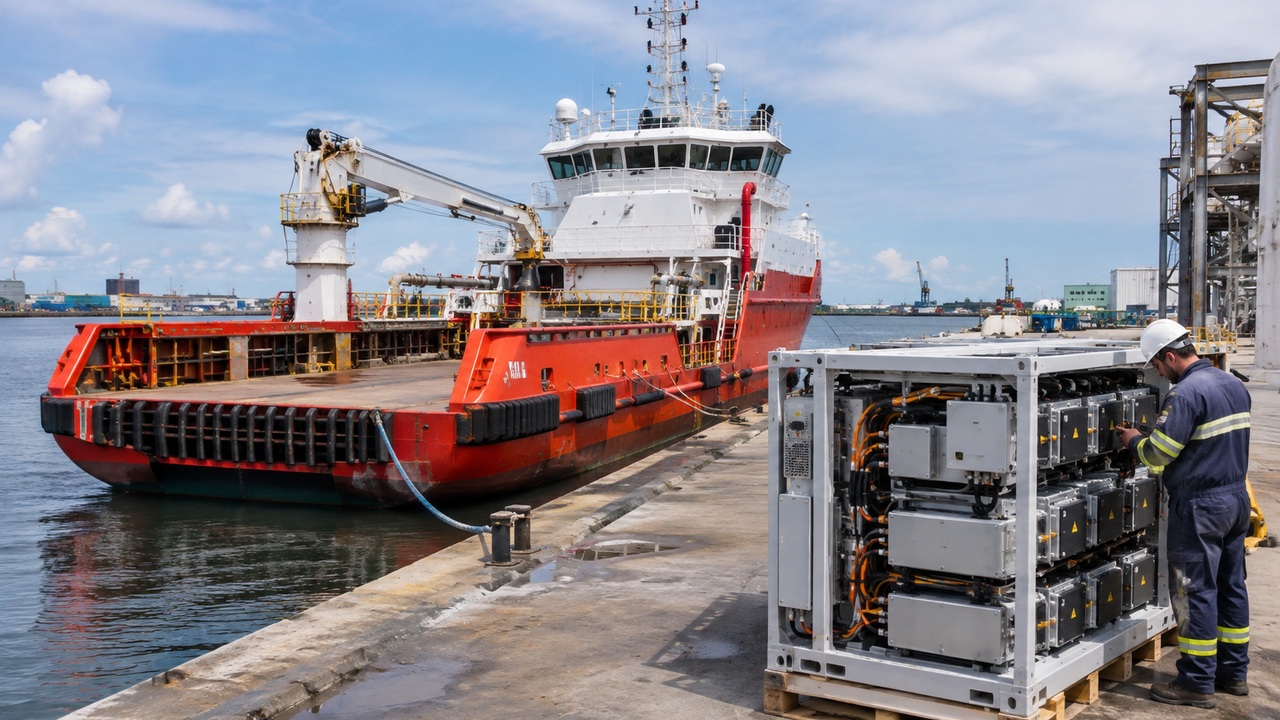
Two Diesel Tanks Become Battery Rooms on Refitted U.S. Support Vessel, Adding 11 MWh of Storage and an Estimated Electric Range of 926 Kilometers

-
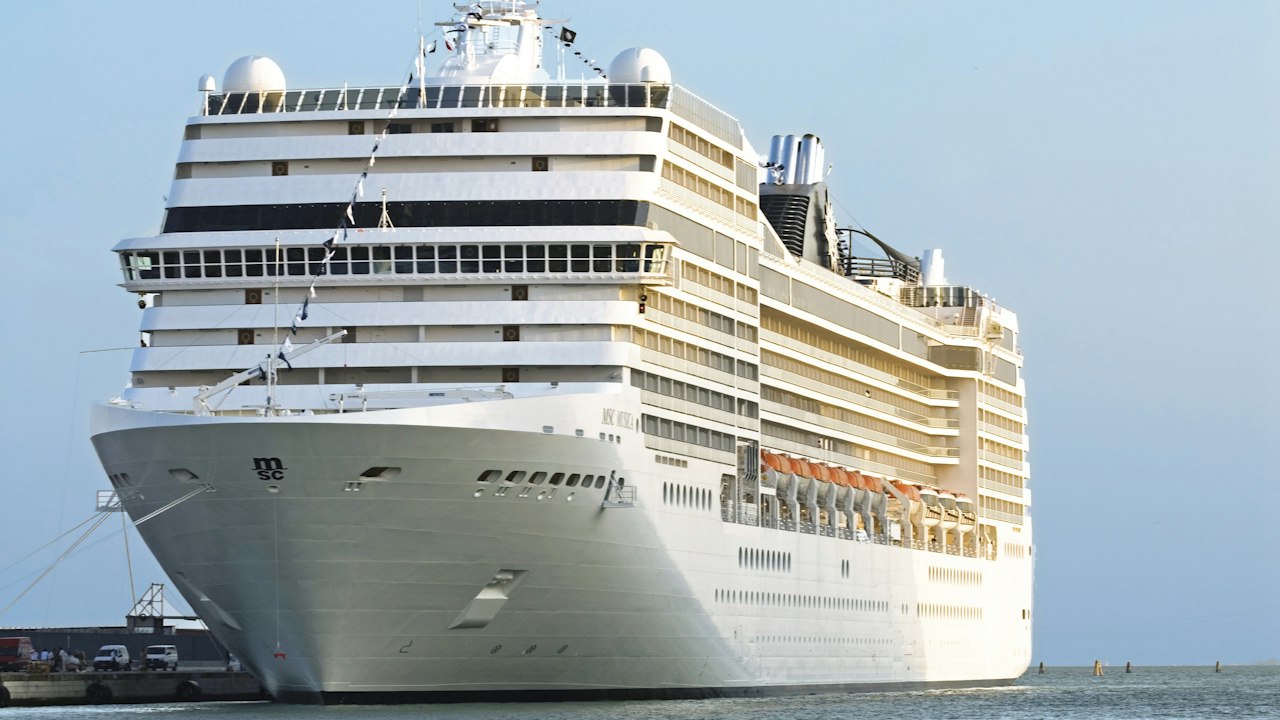
20-year-old cruise ship swaps nightclub for gym, turns cabins into 63 luxury suites, and returns to Santos after nearly two months of work in Malta
-
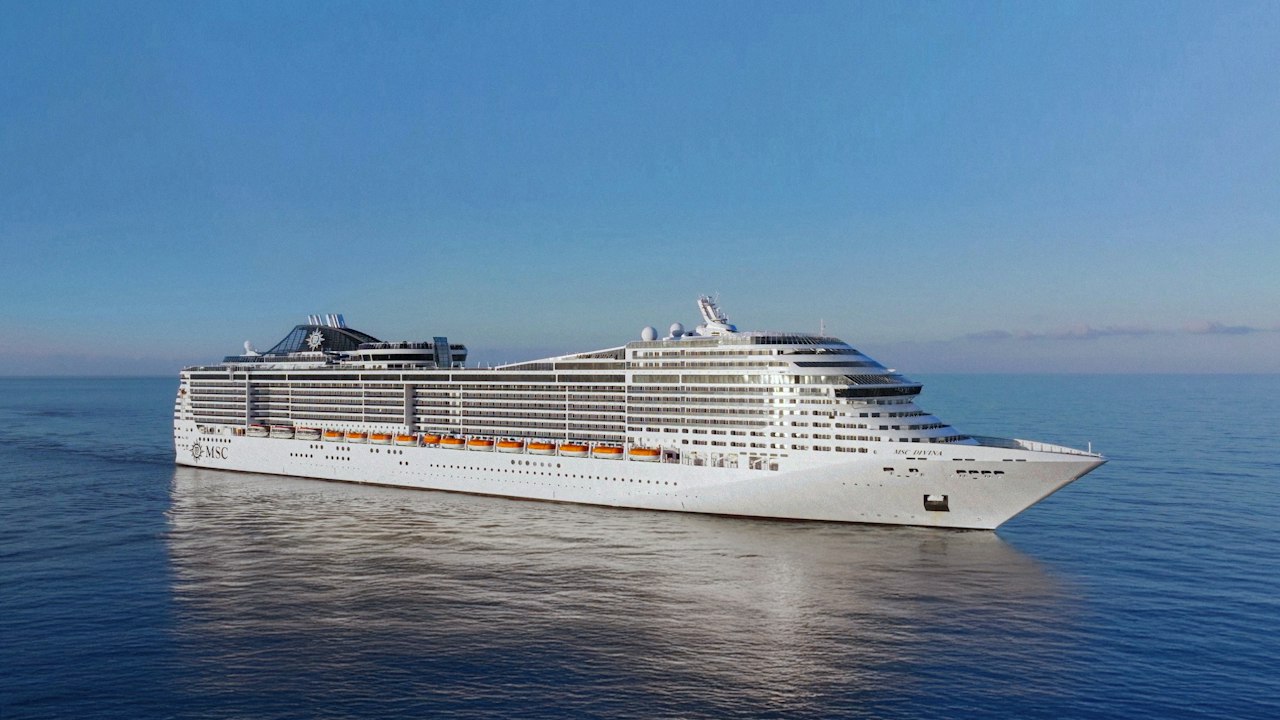
Two cranes lift over 70 metric tons of equipment onto a 333-meter ship in Santos as 250 workers convert the central pool area into a stage for shows
-
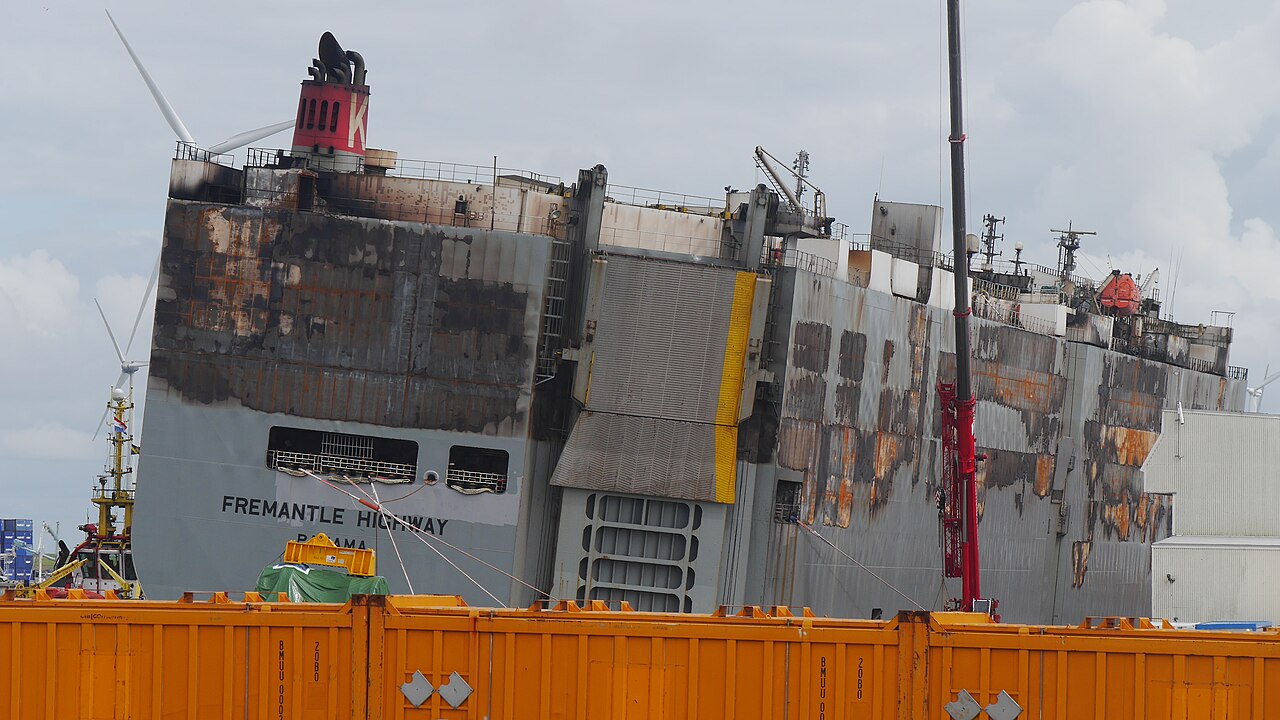
Nearly 200-meter ship that caught fire with 3,783 cars aboard has nine decks rebuilt in China and returns to service with capacity for 6,200 vehicles
Dividing the space into temperature zones is important because different perishable products require specific conditions during transport. The right temperature for one fruit may be unsuitable for another. Zone-based storage lets crews organize cargo according to its needs, rather than keeping every compartment at the same temperature.
The ship belongs to a class of cargo vessels specializing in refrigeration, known in maritime shipping as reefer vessels. On these ships, refrigeration systems are built into the holds, allowing fruit boxes to be loaded on pallets. The Cool Eternity also uses its exterior space for containers with their own refrigeration units.
40-foot containers expand the ship’s carrying capacity on deck
The ship can carry approximately 300 loaded reefer containers on deck while also carrying bananas in its holds.
Reefer containers are insulated units equipped with their own refrigeration machinery. They can move between trucks, terminals and ships without requiring fruit boxes to be transferred from one transport unit to another at each stage. A power supply during sea transport keeps the temperature under control.
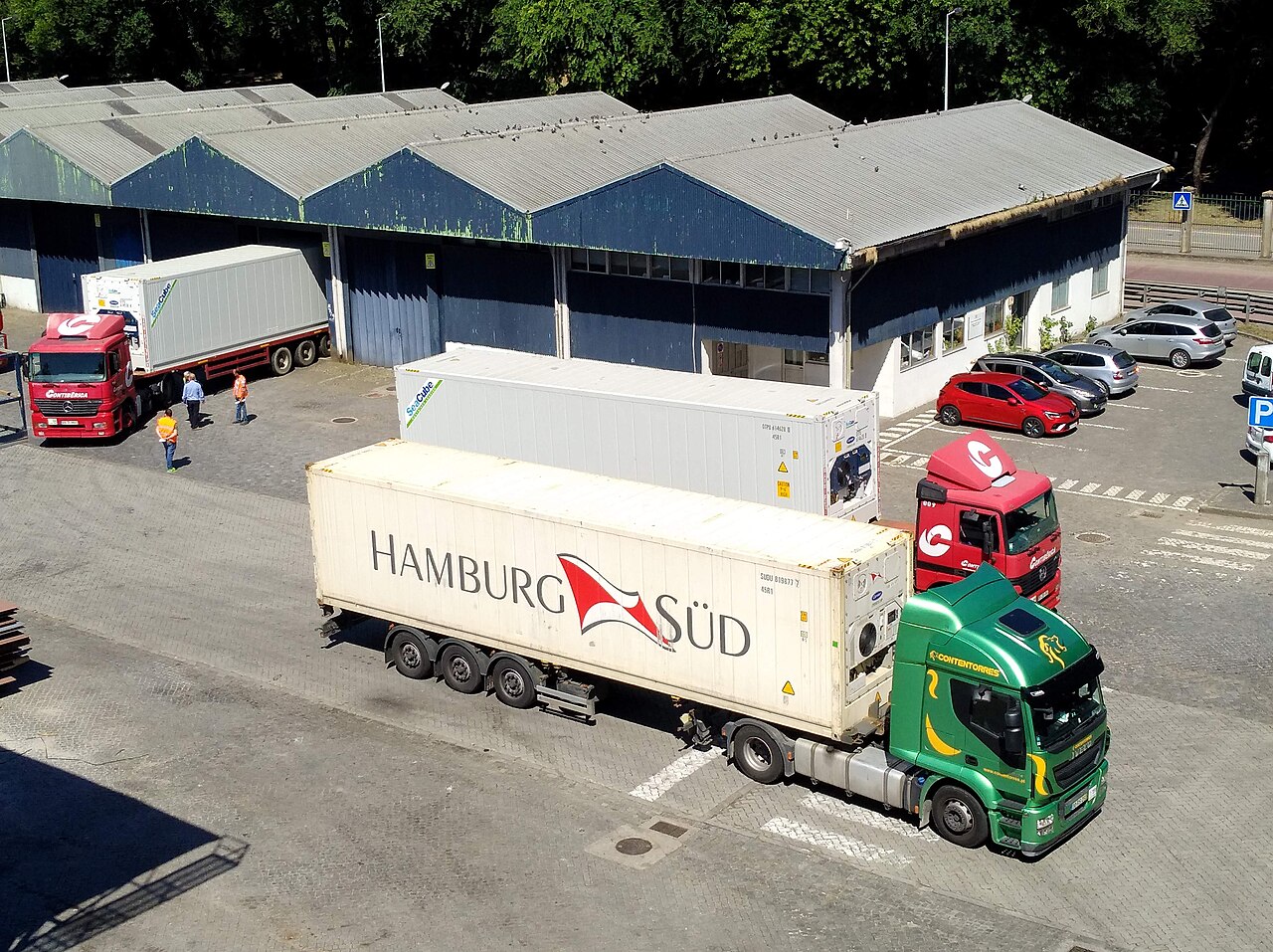
This combination offers two ways to carry perishable goods on the same voyage: in the ship’s refrigerated holds and in independent refrigerated units. The choice depends on the contracted logistics operation and the characteristics of the cargo.
Bananas must cross oceans without ripening before they arrive
Banana shipping requires careful monitoring from the point of origin. The fruit continues to respire and ripen after harvest, and extended periods outside suitable conditions can compromise its quality before distribution.
MSC Cargo, which also transports refrigerated fruit, cites a temperature range of 13.3°C to 14.4°C as a benchmark for shipping bananas. Excessively low temperatures can damage the fruit, while heat accelerates ripening. The operation therefore requires more than simply chilling the produce.
A video from MSC Cargo shows stages in the logistics chain for bananas grown in Ivory Coast, including their preparation for international transport.


Operator also maintains fruit service between Natal and Europe
The business has a direct connection to Brazil. Cool Carriers lists Natal, in the state of Rio Grande do Norte, among its regular loading ports, with export services for melons, mangoes and grapes to destinations including Marín, Spain; Dover, United Kingdom; and Rotterdam, the Netherlands.
The company said in its corporate profile that the Snow Flake, another new vessel in its fleet-renewal program, loaded cargo in Natal in partnership with Agrícola Famosa. The operation illustrates the importance of reefer vessels in connecting production in northeastern Brazil with European consumers.
For the 2026/2027 crop season, the Rio Grande do Norte Dock Company estimated that 250,000 metric tons of fruit would be shipped through the Port of Natal, according to data republished by ABTRA. The first departure of the season carried about 5,000 metric tons, split between cargo in the holds and reefer containers. Cool Eternity’s specific route has yet to be determined by the operator.
New cargo ship is part of reefer vessel renewal
Cool Eternity will also have an exhaust-gas treatment system, known as a scrubber, to reduce sulfur oxide emissions. Cool Carriers’ shipbuilding program calls for replacing older vessels with more efficient ships with greater capacity as part of its fleet renewal.
Launching the vessel is an important stage in construction. Delivery and voyage scheduling will determine when the new cargo ship begins carrying food commercially.
A ship can carry fruit in so many refrigerated compartments and still transport hundreds of containers on deck, a setup worth discussing in the comments.