





 Portuguese
  English
  Spanish
  3 min of reading


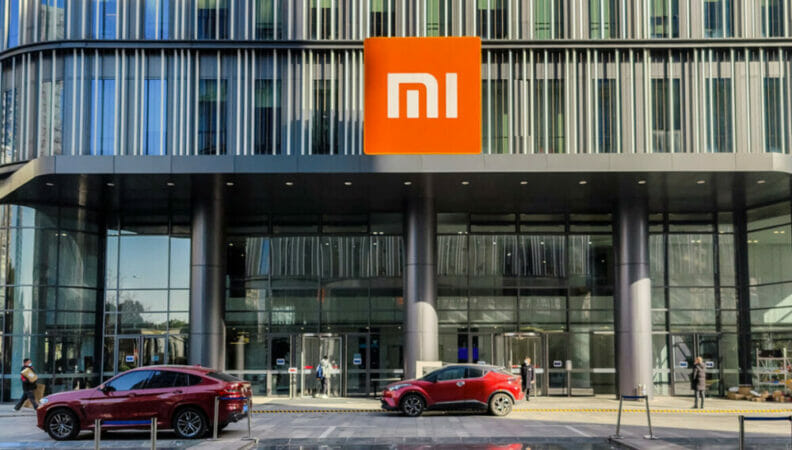
The Chinese Company Xiaomi Took A New Step Toward The Electric Car Market, Securing A Crucial Approval To Begin Its Production In Early 2024.
The multinational Xiaomi recently secured an essential approval to produce electric cars in the Chinese market. This is another step for the smartphone giant to begin the production of electric vehicles by early 2024, according to its original schedule.
Xiaomi Promises To Invest US$ 10 Billion In Electric Cars
According to sources from Reuters, the National Development and Reform Commission (NDRC), which regulates new investments and production capacity in China’s vehicle industry, approved Xiaomi this month.
The Chinese multinational had promised an investment of US$ 10 billion over a decade in the automotive sector. While awaiting approval, the company advanced the venture, completing the construction of facilities capable of producing up to 200,000 electric vehicles per year in Beijing, according to a report from the state newspaper Beijing Daily.
-
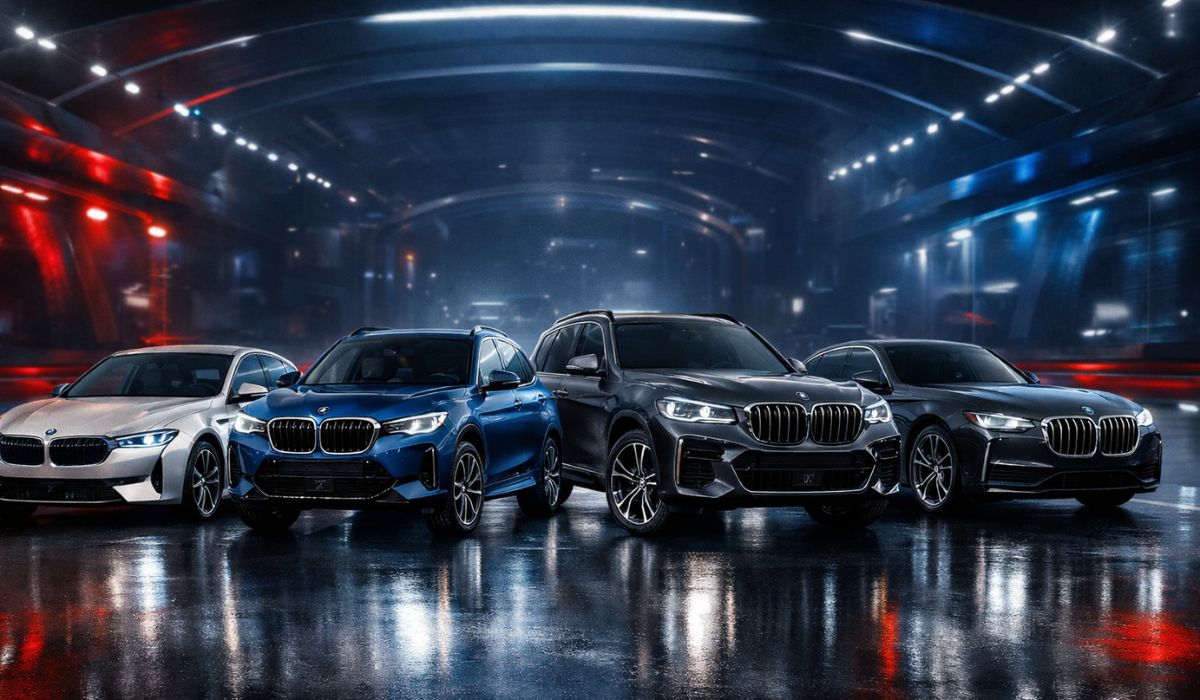
BMW entered 2026 ready to turn the tables with an avalanche of launches that mix new electric vehicles, refreshed SUVs, transitioning sedans, and sports cars, in an offensive that accelerates the Neue Klasse era and could reshape the global premium competition.
-
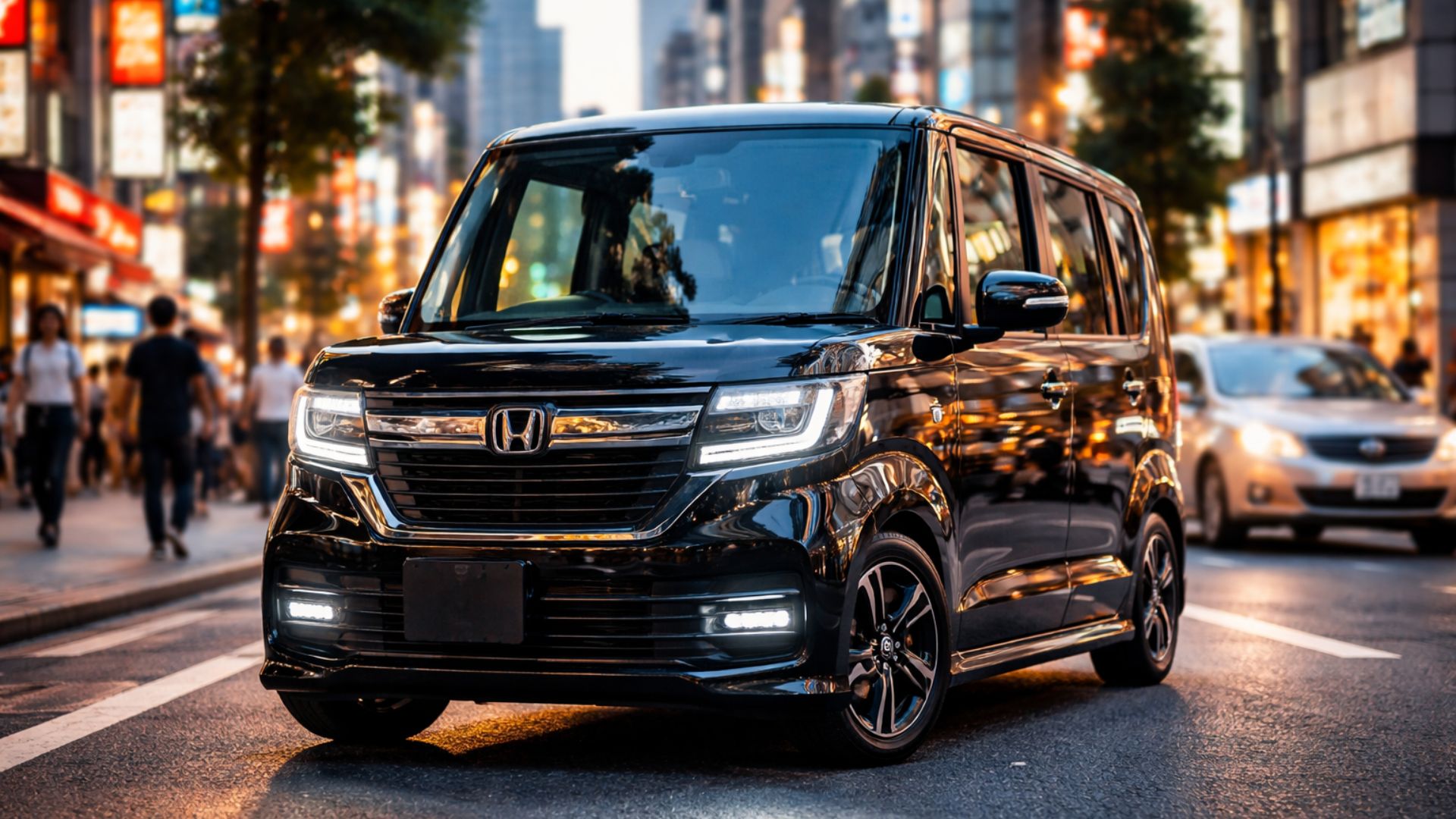
Honda’s mini car is a hit with a 0.66 turbo engine, selling 198,893 units, leading sales for the 5th consecutive year, featuring Honda SENSING and optional 4×4 traction, with a spacious interior and measuring just 3.39 m in Japan.
-
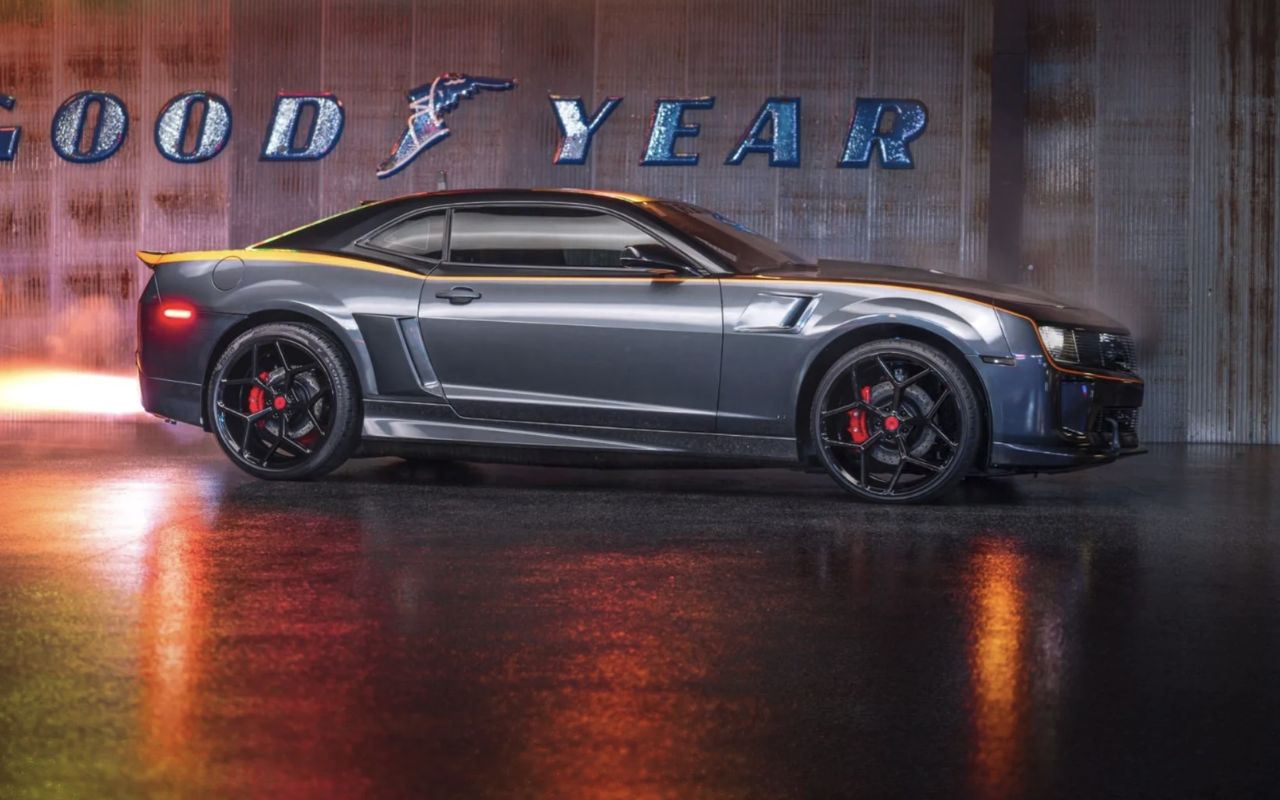
Modified Chevrolet Camaro with Boeing T50 military turbojet engine surprises with its performance, technology, and stands out at auction.
-
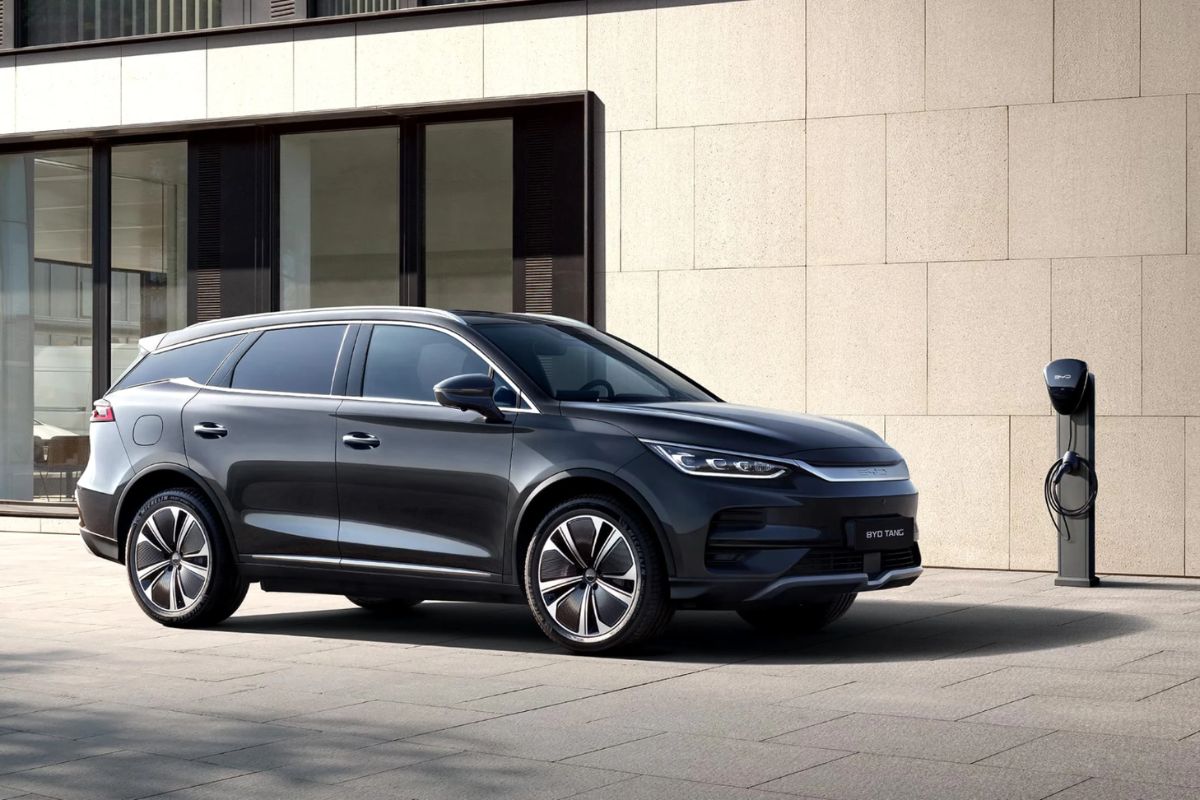
BYD presents the new Great Tang electric vehicle with 7 seats, Blade battery of 130.15 kWh, a range of up to 590 miles CLTC, AWD 585 kW, and 0 to 100 in 3.9 seconds.
Xiaomi’s goal is to produce its first electric cars in mass already in the first half of 2024. There were still doubts whether the schedule could be met, as the NDRC has been cautious about approving new electric car production plans due to overcapacity and slowing demand in China.
The Xiaomi plans to manufacture around 100,000 electric cars starting next year. In addition, the brand plans to use its thousands of stores across the country as showrooms for its electric cars and has ramped up hiring workers for its electric vehicle factory in the last week, according to media reports.
Xiaomi Electric Car Has Leaked Details


Despite this new authorization bringing Xiaomi closer to mass production of electric cars, the venture still requires one more approval, this time from the Ministry of Industry and Information Technology (MIIT), which evaluates new automakers, technical requirements, and safety.
The multinational will enter the electric vehicle segment at a time when the world’s largest automotive market is facing issues such as overcapacity and declining demand, which has triggered a price war.
Xiaomi is preparing for a new launch, the MS11, a fully electric model. The company has maintained strong secrecy regarding the new product; however, in July, a photo of the vehicle was leaked, revealing important details about the battery that will be used in the car.
Check Out The Details Of The Highly Anticipated MS11
According to leaked information, the MS11 will feature a 101 kilowatt-hour lithium-ion battery that weighs 642 kg.
The differentiator would be the range of the electric car: estimates suggest that the model can reach 800 kilometers. In addition, the Chinese company promises faster recharging than that offered by competitors.
It has also been leaked that the MS11 will have three versions, where two of them will feature a Blade-type battery with LFP chemistry signed by BYD, while the third, with greater range, will have a CATL-type battery.
The first discussions about Xiaomi’s entry into the electric vehicle market took place in 2021. At that time, the giant considered a partnership with the automaker GWM, which ultimately did not happen.
In March of this year, Xiaomi’s CEO, Lei Jun, stated that the company’s car business was progressing beyond expectations and that tests with various prototypes had been completed.
The executive also suggested that mass production of the models was scheduled to begin in 2024, and according to Chinese media, the price of the MS11 is expected to be US$ 43,000, equivalent to R$ 300,000.







Seja o primeiro a reagir!