





 Portuguese
  English
  Spanish
  2 min of reading
  0 comments


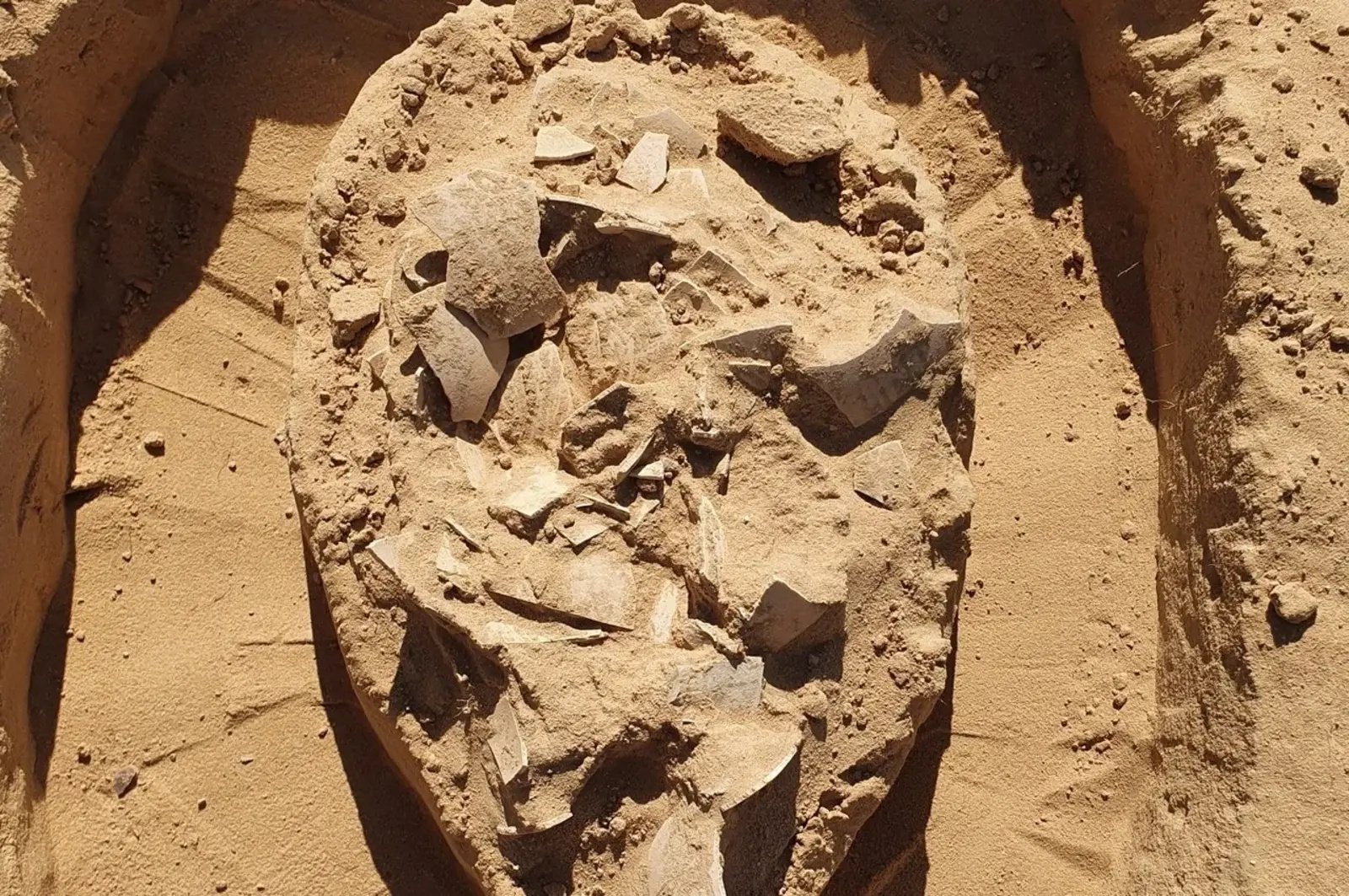
The discovery of ostrich eggs about 7,000 years old next to a campfire in the Nitzana area in southern Israel reinforces evidence of food preparation and consumption by prehistoric nomadic groups in a rare site in the desert
Archaeologists discovered ostrich eggs about 7,000 years old in the Nitzana area in southern Israel, next to a small campfire, in a finding that reinforces human use of the site and indicates food preparation and consumption by prehistoric nomads.
Find in the desert
The group of ostrich eggs was found nearby, with one of them positioned inside the campfire itself.
The arrangement reinforces that the eggs were intentionally gathered there, and not displaced by natural processes.
-
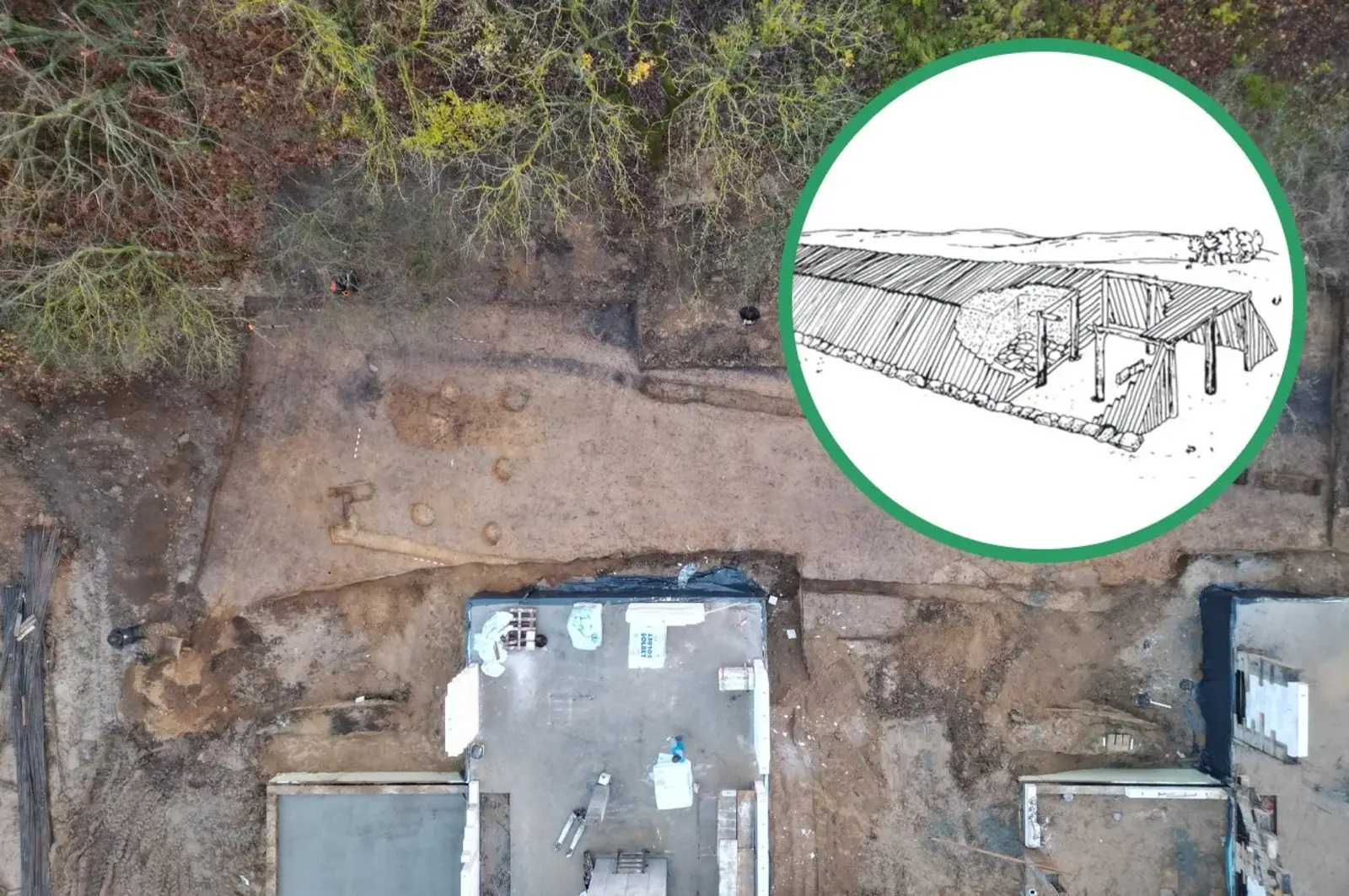
Gigantic megalithic mound of 42 meters emerges during housing construction in Lublin and reveals a Neolithic megadendron with a moat of nearly 30 meters.
-
The surprising fact: 1 in 3 Brazilians doubts the arrival of man on the Moon, while the majority still believes in the historic achievement, according to a Datafolha survey with more than 2,000 people.

-
Scientists have finally discovered where the plastic that disappeared from the oceans went, and the answer is frightening: it fragmented into such tiny particles that they became invisible and now there are 27 million tons of nanoplastic just in the North Atlantic.

-
The Artemis II mission will take the Orion capsule back to the vicinity of the Moon with four astronauts, a private bathroom with a curtain, a system adapted for men and women, and a level of comfort that highlights how the Apollo era operated at the rawest limits of space exploration.


Experts from the Israel Antiquities Authority pointed out that the association between the ostrich eggs and the campfire indicates clear human use.
The interpretation is that the desert nomads likely cooked and consumed the eggs on-site.
Value as food
The ostrich eggs would represent an important resource for groups moving through arid areas.
Being large, they could feed several people. In environments where food is scarce, this type of resource would have significant value at the time.
Collecting the eggs likely required effort, but the amount of food provided compensated for the work.
The arrangement of the remains also suggests that they were brought to the point of use intentionally.
Unusual preservation of the eggs
Such discoveries rarely remain preserved. Eggshells tend to decompose over time, especially in open areas exposed to wind and heat.
In this case, the shifting sand helped keep the site intact. Layers of sand covered the area after use, sealing and protecting what remained there until later exposure by the dunes.
Difficulty of study
Nomadic sites often leave few physical traces. As the remains are scarce and dispersed, reconstructing daily life is more difficult.
Therefore, objective evidence of activities such as cooking is especially valuable.
With information from Heritagedaily.









Seja o primeiro a reagir!