





 Portuguese
  English
  Spanish
  5 min of reading
  0 comments



See 8 Careers That Do Not Require College, Have High Demand in Brazil, and Can Earn More Than R$ 5 Thousand Per Month. Find Out How to Qualify and Where to Find Jobs!
In a country where higher education is not always accessible, many people believe that earning well is only possible with a university degree. But the reality is changing. With technical courses, certifications, and practical experience, it is possible to earn salaries above R$ 5 thousand in high-demand careers — and they are hiring now.
If you are looking for a new career or want to improve your life without spending years in college, this list will surprise you. Check out 8 Valued Careers That Do Not Require a Higher Education Diploma and already pay well in 2025.
1. Electrotechnical Technician
With the expansion of renewable energies, electrification of fleets, and growth of industry, the electrotechnical technician has become an essential professional in Brazil.
-
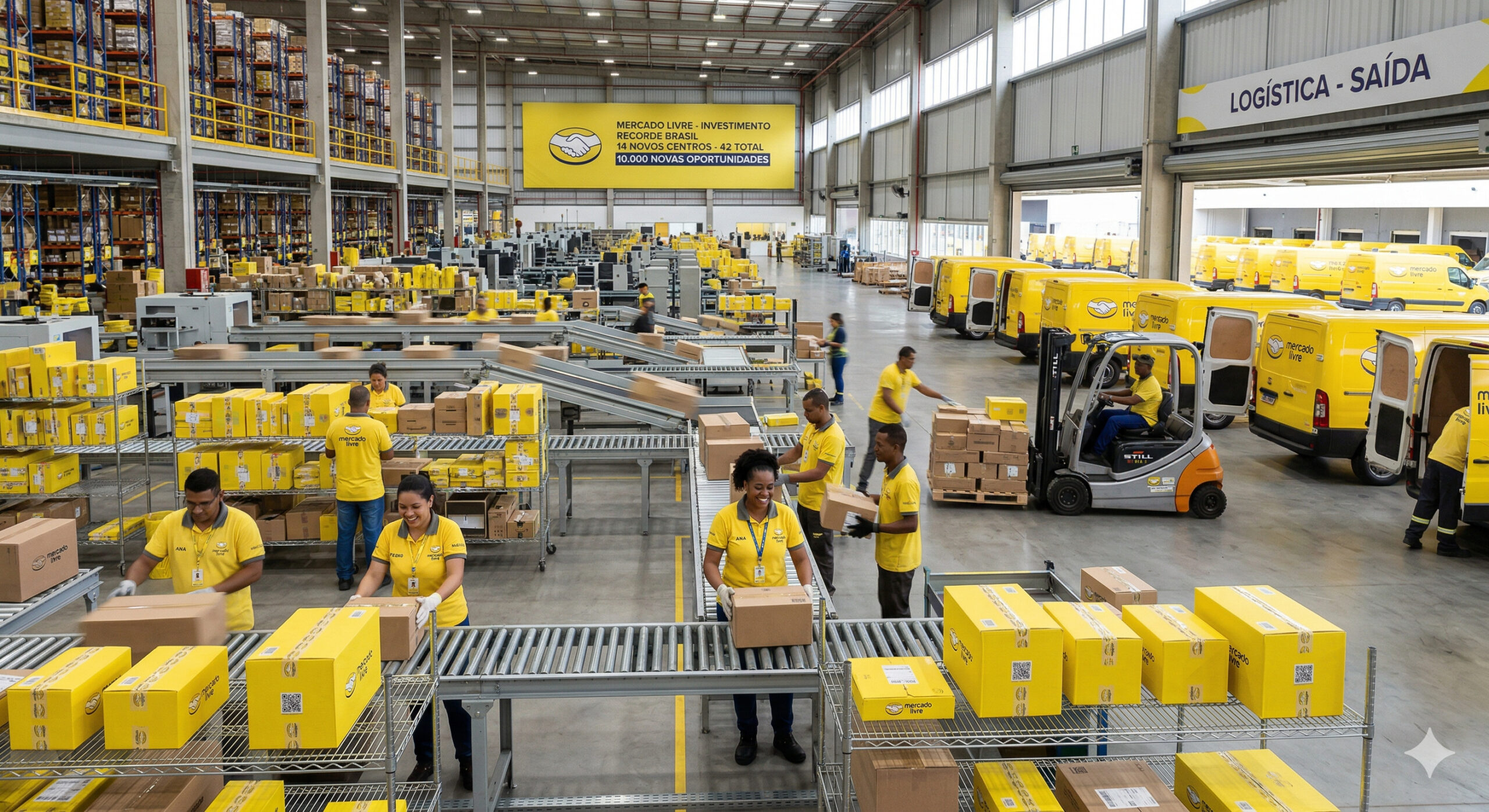
Mercado Livre “opens the vault” and announces a record investment of R$ 57 billion in Brazil in 2026, a value 50% higher than the previous year, with an expansion plan that includes 14 new logistics centers, totaling 42 units in the country and hiring an additional 10,000 employees.
-
How investment in technology can revolutionize the national economy and enhance industrial gains, according to a study that highlights the direct impact on productivity, innovation, and wealth retention within Brazil.

-
The largest food company on the planet, JBS, has just opened a 4,000 square meter laboratory in Florianópolis to develop customized proteins that modulate muscle mass gain, immune response, and metabolic performance.

-
After nearly 30 bids and competition among industry giants, a Spanish company purchases one of the largest airports in Brazil for almost R$ 3 billion and takes over the management of Galeão in a concession that will last until 2039.


- Average Salary: R$ 4,800 to R$ 7,200
- Education: Technical course of 1,200 to 1,600 hours (about 18 months)
- Where to Work: Solar power plants, transmission lines, industries, electrical maintenance companies
- Where to Study: SENAI, IFs, and state technical schools
According to the Industrial Labor Map from SENAI, the demand for electrotechnical technicians is expected to grow by 23% by 2026, mainly in the Southeast and Midwest regions.
2. Professional Drone Pilot
Once an expensive hobby, today the use of professional drones is one of the most lucrative areas of technology applied to agriculture, industry, and construction.
- Average Salary: R$ 6,000 to R$ 10,000 per project
- Education: Free course + remote pilot registration with ANAC
- Where to Work: Precision agriculture, geological mapping, filming, construction site inspection, and towers
- Highlight: Many professionals work as freelancers or MEIs
According to the Globo Rural portal, the popularization of agricultural drones in Brazil is creating hundreds of new opportunities for qualified operators — even without a college degree.
3. Mechatronics or Industrial Automation Technician
Automation, sensors, robots, and artificial intelligence: all of this requires technicians capable of integrating systems and keeping machines operating with precision.
- Average Salary: R$ 5,500 to R$ 7,500
- Education: Technical course with about 2 years of duration
- Where to Work: Manufacturing industries, automated logistics, pharmaceutical companies, and assembly plants
- Differential: Possibility of rapid growth into supervisory positions
With the advancement of Industry 4.0, professionals with this profile are highly valued, especially in the South and Southeast regions.
4. Technical Salesperson: Without a Degree, but with Knowledge
It’s not just those operating machines who earn well in the industry. Technical salespeople with knowledge of specific products also have high salaries — and commissions that multiply their earnings.
- Base Salary: R$ 3,000 to R$ 4,000
- Commissions: Can raise earnings to over R$ 10,000
- Where to Work: B2B industry, medical equipment, technology, agribusiness
- Requirement: Ability to sell with technique and mastery of the product
According to Glassdoor, technical salespeople in specialized companies can earn more than managers, especially with a solid customer portfolio.
5. Nursing Technician: Essential in Healthcare and Well-Paid
In times of population aging and growth of health plans, technical nursing is a profession with stability and increasing remuneration.
- Average Salary: R$ 3,500 to R$ 6,500
- Education: Technical course with mandatory internship
- Where to Work: Hospitals, clinics, outpatient facilities, companies, and home care
- Differential: Flexible shifts with paid on-call duty
According to data from Salario.com.br, there are nursing technicians earning more than newly graduated nurses in interior cities and in the private sector.
6. Heavy Equipment Operator: Strength and Precision Are Valuable
With the recovery of the construction and mining sectors in various regions of the country, operators of excavators, backhoes, motor graders, and tractors are in high demand.
- Average Salary: R$ 4,000 to R$ 7,500
- Education: Technical or practical course with certification (can be completed in 1 month)
- Where to Work: Public works, highways, mining, agribusiness
- Advantage: Does not require higher education or previous experience
Good operators are highly sought after by construction companies, especially in PAC projects and private sector ventures.
7. Logistics Supervisor: Experience is More Valuable Than Degree
This is one of the few fields where those who started as assistants can, with experience and free courses, become supervisors — and earn well.
- Average Salary: R$ 5,000 to R$ 8,000
- Education: Complete high school + logistics or management courses
- Where to Work: Distribution centers, transport companies, e-commerce, wholesalers
- Highlight: Rapid growth with leadership and results
Companies like Mercado Livre, Amazon, Shopee, and Magalu are constantly hiring and promoting those who stand out on the front line.
8. Refrigeration and Air Conditioning Technician
Especially in the hot regions of the country, maintenance of air conditioning, industrial systems, and cold storage is a market that never stops.
- Average Salary: R$ 4,000 to R$ 6,000
- Education: Technical course lasting 12 to 18 months
- Where to Work: Residences, companies, hospitals, industries, supermarkets
- Differential: Can start a business and work as a freelancer
According to Sebrae, the residential and industrial air conditioning sector has been growing more than 6% per year in Brazil — even during crisis periods.
What Do These Professions Have in Common?
- Do Not Require Higher Education
- Offer Salaries Above the National Average
- Have High Employability
- Allow for Entrepreneurship or Freelance Work
- Are Aligned with Market Trends in Brazil in 2025
How to Find Jobs and Qualify?
- Job Platforms: Indeed, Vagas.com.br, Infojobs, Catho, and LinkedIn
- Technical Courses: SENAI, IFs (Federal Institutes), ETECs, SEST/SENAT
- Quick Certifications: Sites like Udemy, Senac, and local schools
- Entrepreneurship: MEI can be an entry point into several of these areas
If you thought it was impossible to earn more than R$ 5 thousand without a university degree, you now know there are real — and growing — paths in the Brazilian job market.
Invest in technical qualifications, stay alert to opportunities, and do not underestimate the value of practical experience. A diploma may be important, but it is not the only path to financial success.









Seja o primeiro a reagir!