






 Portuguese
  Spanish
  3 min of reading
  0 comments


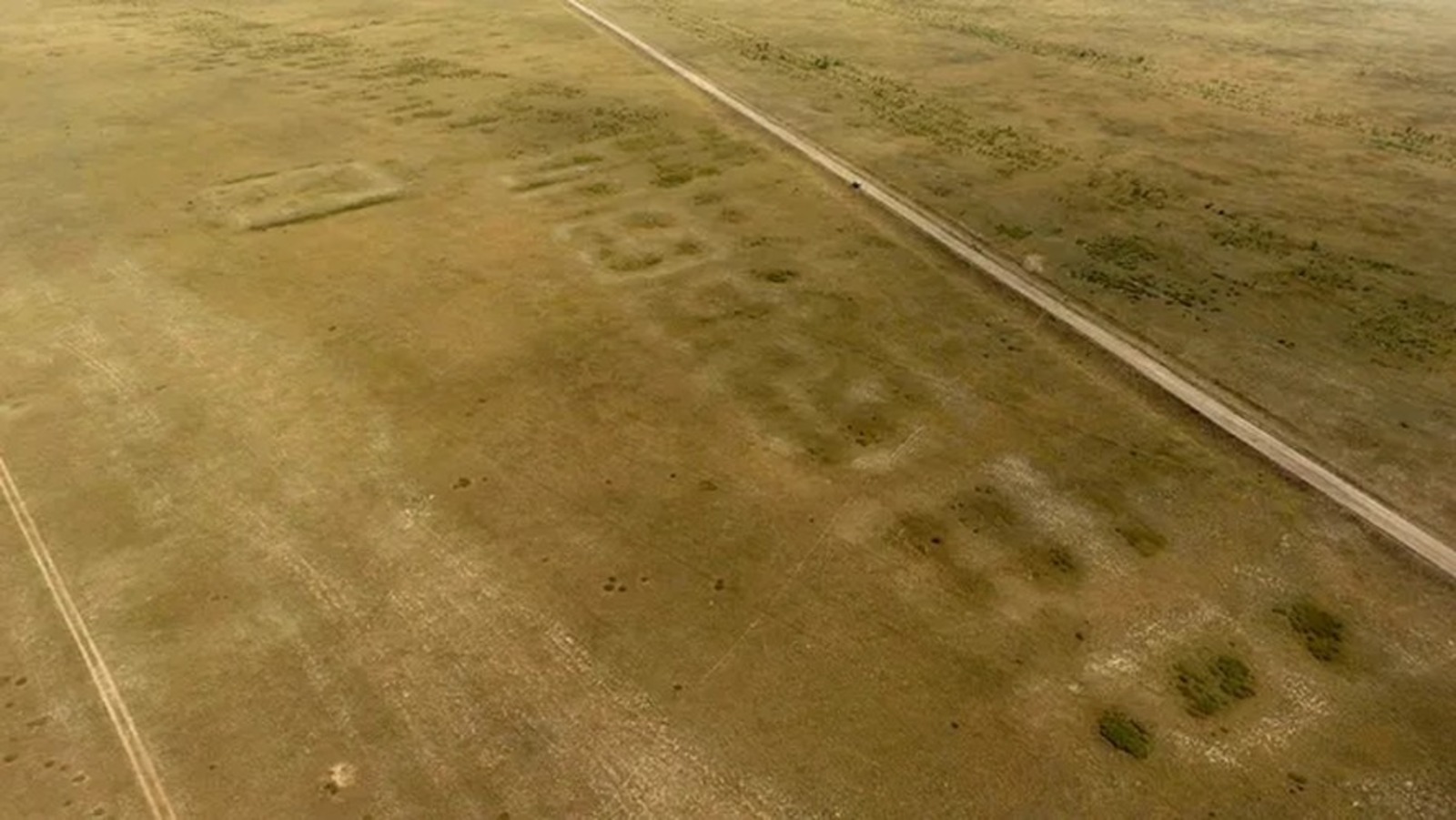
New Archaeological Analysis Shows That Semiyarka Had Planned Structures, Large-Scale Bronze Production, and a Strategic Role in Regional Trade 3,500 Years Ago
Archaeologists have identified in Semiyarka a megacity that alters the understanding of Central Asian prehistory because it presents characteristics very different from known villages. Research began in the 2000s and now reveals a broad picture.
The site covers about 140 hectares. This size far exceeds other settlements of the same period and indicates that Semiyarka functioned as a regional capital, with significant political and economic roles for its inhabitants.
Dating to around 1600 B.C., the settlement does not appear to have been temporary. On the contrary, everything points to a stable, organized occupation with visible physical planning in its structures. Semiyarka was much larger than previously thought.
-
Elon Musk could compromise night sky observation with a $2.4 trillion plan that envisions more than 1 million satellites; simulation indicates up to 14,072 visible objects in São Paulo, and astronomers issue a worrying warning.

-
Airplanes will be ‘made’ by robots: Airbus launches a machine weighing only 4 kg that reduces seat installation time from 150 to 30 minutes, achieves millimetric precision, and is already set to debut in the production of the A321 XLR.
-
4 habits of people with superior intelligence that psychology associates with high mental performance: study shows link between intellect, active curiosity, review of opinions, attention control, and ability to learn from new evidence
-
American company receives historic authorization to build the world’s first nuclear fusion plant in Washington and promises to deliver 50 MW of energy to Microsoft’s data center by 2028, even without proven commercial technology.




The Strategic Position above the Irtysh River
The city was located on a promontory in northeastern Kazakhstan. This location is considered privileged because it provided a wide visual control of the Irtysh River, which was an essential route for circulation and trade for regional communities.
Furthermore, the name Semiyarka refers to “Seven Ravines,” which form a network of valleys around the site. This feature suggests that the area offered natural protection and good territorial control capabilities.
Archaeologists used drones to map the terrain. The images revealed rows of rectangular mounds angled to one another that were later confirmed as house structures. A pattern that impressed the team.
Residential Structures and a Singular Building
The excavations showed that the mounds served as bases for residences with multiple rooms, built with mud brick walls. The arrangement formed corridors and meeting points between the dwellings.
At the intersection of these rows, a building emerged that was larger than all the others. It was twice the size of the houses.
Therefore, researchers believe that community activities, ceremonies, or governmental tasks took place there. The planned architecture reinforces the idea of internal organization. A rare trait for that region.
The Industrial Zone and Bronze Production in the Megacity
The distinguishing feature of Semiyarka is large-scale metal production. In the southeastern part of the settlement, the team found an area interpreted as an industrial sector, concentrating slag, crucibles, and bronze pieces.
This material indicates the production of a copper-tin alloy. It is one of the first concrete pieces of evidence of large-volume tin bronze manufacturing in the Eurasian steppe, which changes part of the historical landscape of the region.
The proximity to the Altai Mountains facilitated access to deposits of copper and tin. Therefore, the settlement had direct access to the essential raw materials needed to keep its industry active. This strengthened trade routes through the steppe.
Review of What Is Known About Bronze Age Societies
Until today, many studies suggested that Central Asia was dominated by small nomadic groups, with little or no permanence in fixed structures.
Semiyarka challenges this view because it demonstrates that local populations could build stable cities.
Researcher Miljana Radivojević from University College London stated that the site shows how nomadic communities also created permanent and well-organized centers.
The structure indicates broad economic activity and a form of urbanization.
Dan Lawrence from Durham University emphasized that the scale of Semiyarka is different from any other site in the steppes.
According to him, the linear arrangement and the size of the buildings suggest urban development comparable to regions considered classical in Antiquity.
The discoveries point to a society more complex than previously imagined.
Next Steps in the Excavations of the Found Megacity
Research is still ongoing. The expectation is that new areas will be opened in the coming months to deeply understand how this large settlement influenced economic and political relations in ancient Eurasia.
Experts believe that the so-called “megacity” may reveal information about supply chains, trade, and interaction between peoples. New findings are expected to broaden the debate. Semiyarka promises to reshape part of the history of the Bronze Age.
With information from Revista Galileu.


-

-

5 people reacted to this.