





 Portuguese
  English
  Spanish
  4 min of reading
  0 comments


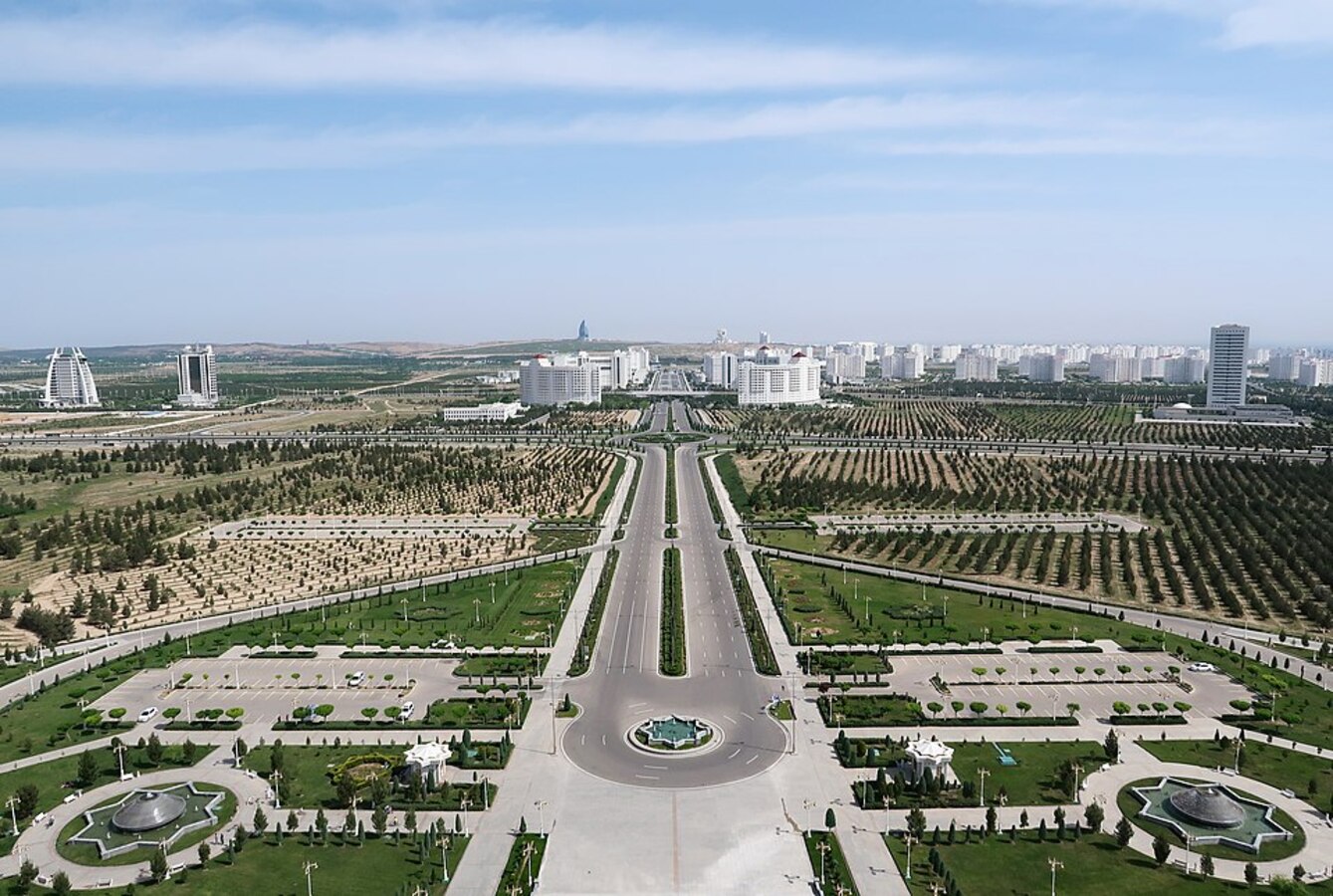
Turkmenistan Impresses With Its Marble Architecture, Unusual Rules, and An Isolated Lifestyle That Intrigues The World
Located in Central Asia, Turkmenistan remains one of the most enigmatic countries in the world in 2025. With about six million inhabitants and vast areas covered by the Karakum Desert, the country attracts attention not only for its landscape but for a set of rules, grandiose constructions, and severe restrictions. Tourism, nearly nonexistent, is hampered by the government’s strict requirements.
A Marble-Made Capital
The capital, Ashgabat, looks like it’s straight out of a futuristic set. The buildings, covered in white marble, dominate the city’s visual landscape.
The wide and almost empty streets enhance the feeling of isolation. This unusual urban style is no coincidence: the city has the highest concentration of white marble buildings in the world.
-
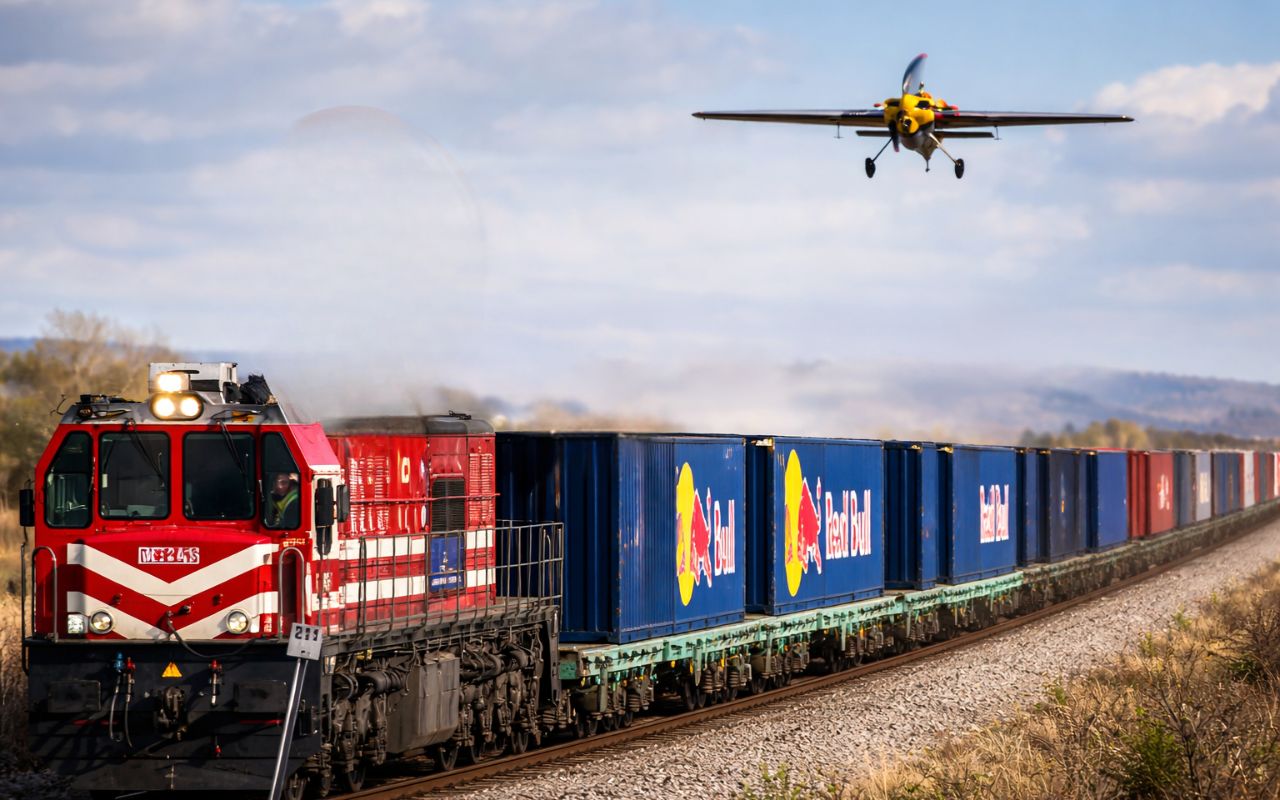
(Video): Italian pilot lands plane on moving train at 120 km/h and achieves unprecedented feat in aviation, even with a narrow runway and without direct visual contact.
-
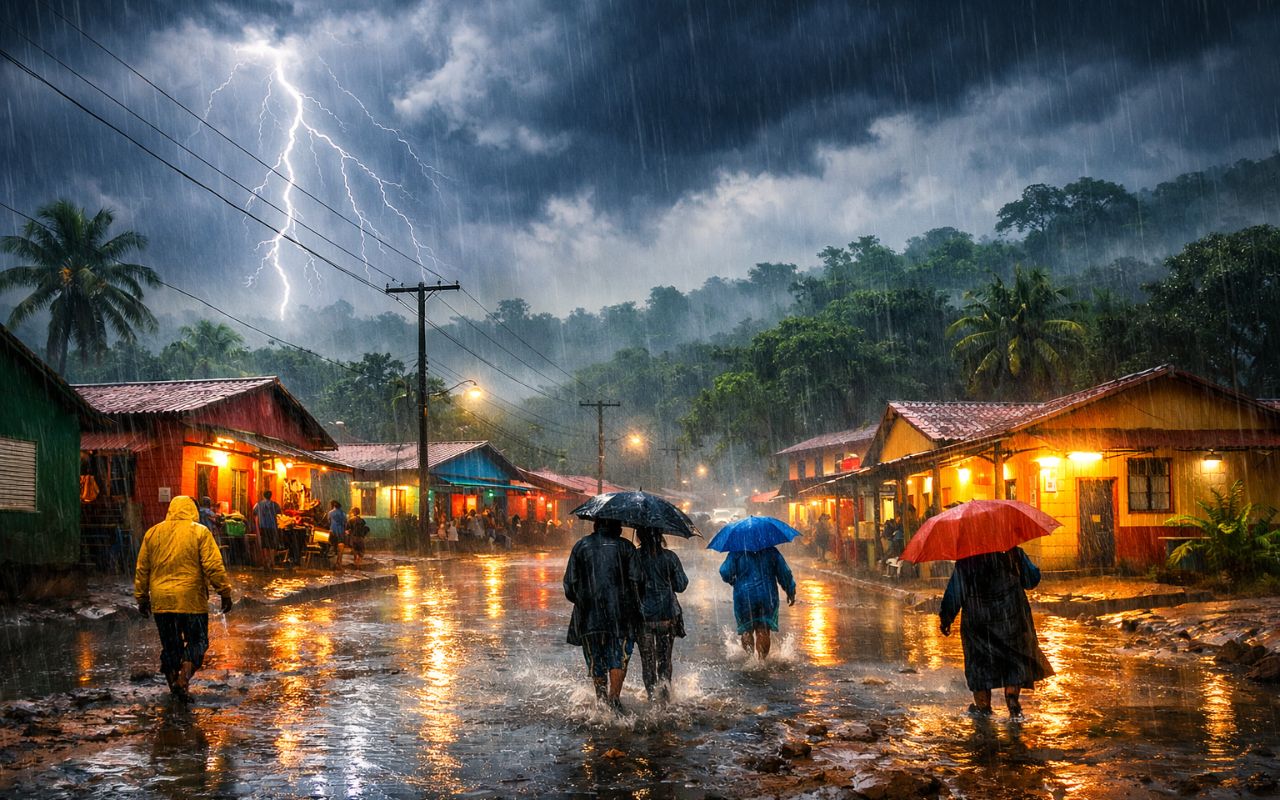
It seems to have come out of a science fiction movie: A Brazilian city where it rains almost every day, recording over 4,000 mm per year, driven by climatic factors — a direct result of its strategic location in the Amazon.
-
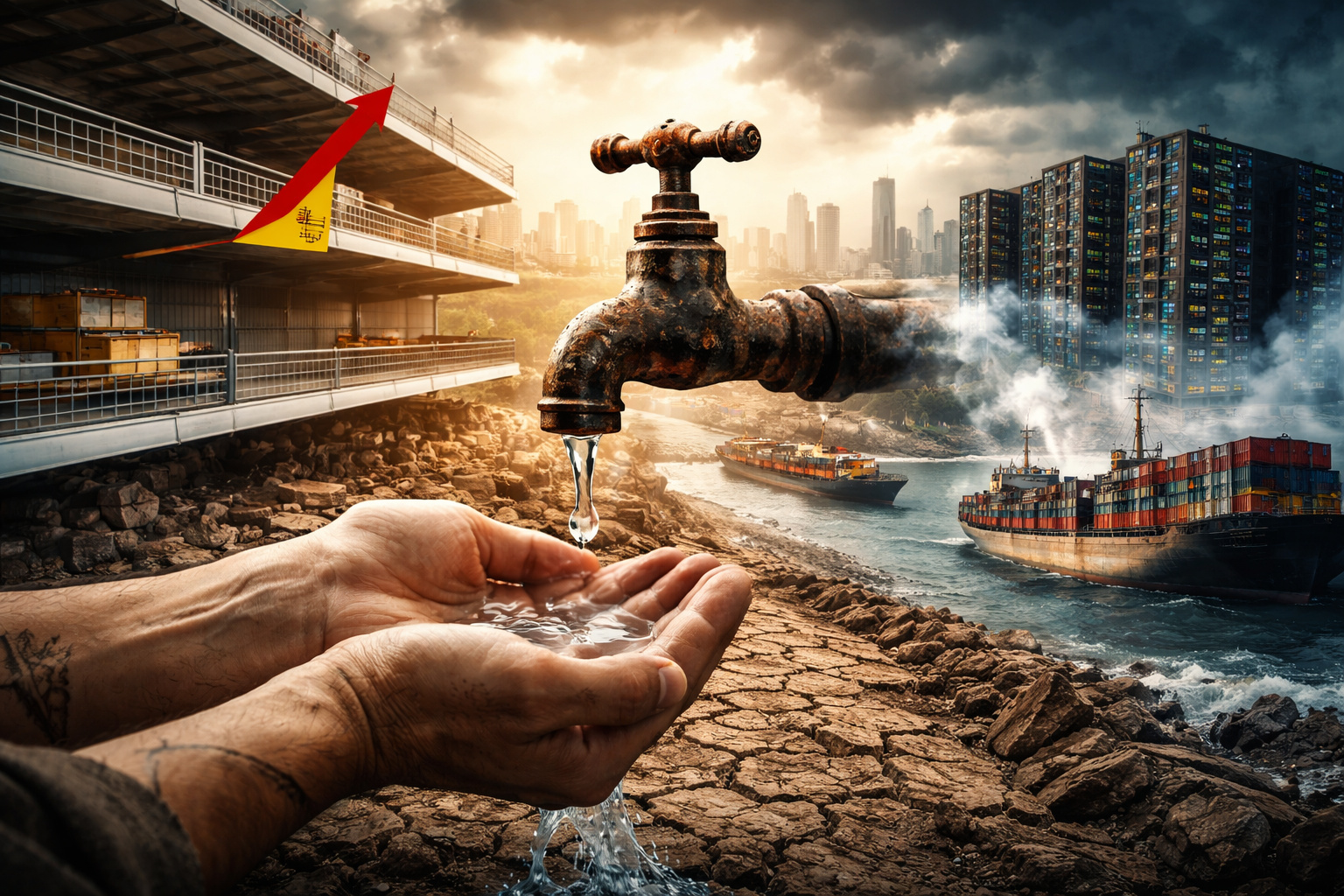
The water crisis that could change everything this year has already begun; it’s not just about the climate, it affects technology, raises product prices, and can halt entire companies without warning.
-
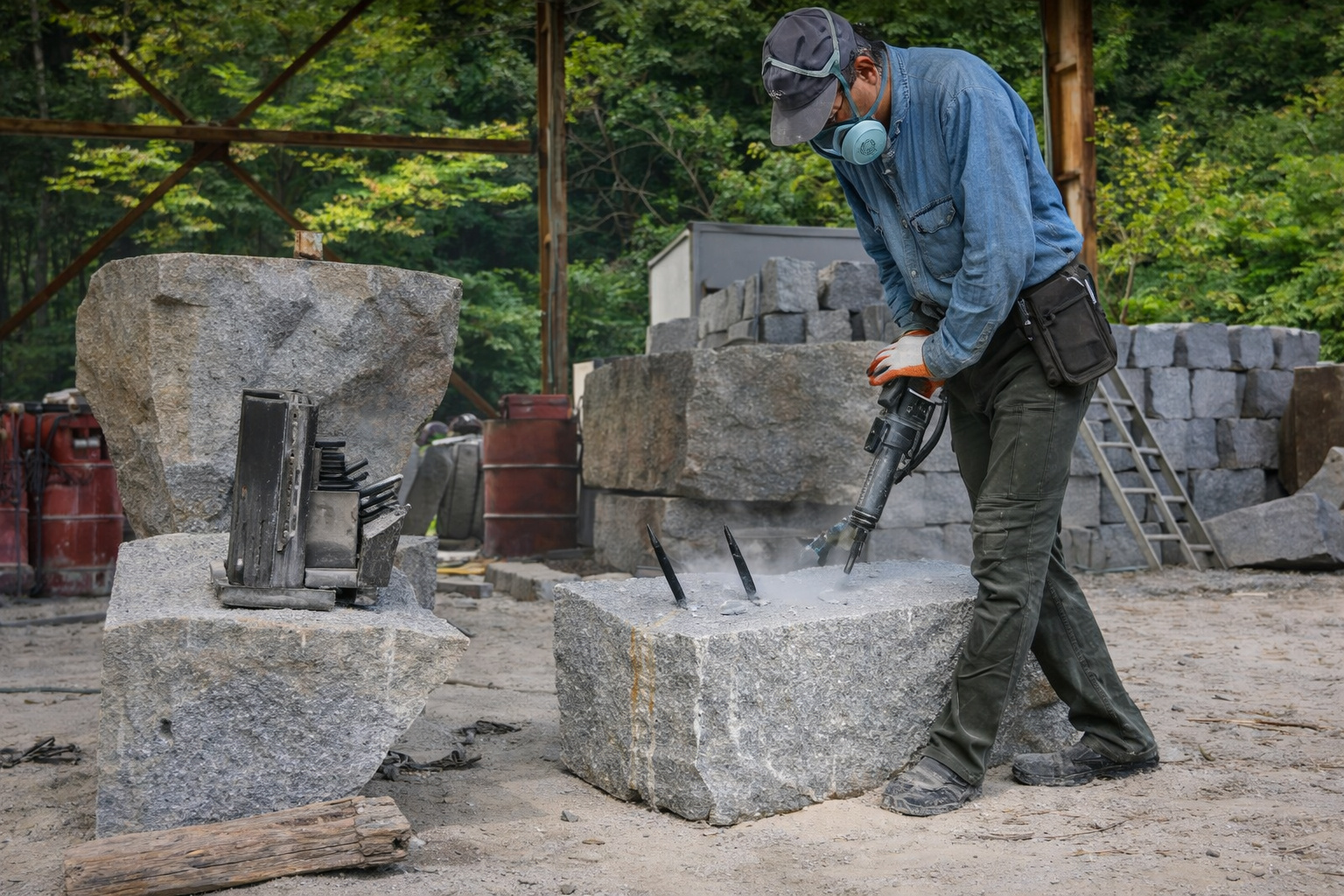
A Japanese mason transforms raw granite into small cups and handcrafted utensils, collects giant stones, cuts with precision, and impresses with detailed manufacturing and finishing.

Moreover, attractions like the largest indoor Ferris wheel and synchronized light fountains reinforce the image of a country where the everyday mixes with the extraordinary.
The exaggerated aesthetics are part of the national identity and the vision of its leaders.
Surprising Rules
The most important aspect when discussing Turkmenistan is its unusual laws. Among the most curious measures is the ban on dirty vehicles circulating the streets.
For years, black cars were also banned from Ashgabat for “bringing bad luck,” forcing many residents to paint their vehicles white.
Another striking rule is the prohibition of playback during shows and operas. Additionally, the names of the months and days of the week were changed to pay homage to the family of former President Saparmurat Niyazov.
The use of beards and mustaches is also limited for young people, aiming to standardize the appearance of citizens.
Dogs, on the other hand, are banned in the capital. They are considered impure animals by the authorities. These and other measures render daily life in the country highly controlled and different from what is seen in most nations.
Strict Control Over Tourism
Anyone wishing to visit Turkmenistan must face a bureaucratic process. The visa is only granted upon official invitation.
Furthermore, tourists must follow a pre-approved itinerary and always be accompanied by an authorized guide.
Access to the internet is also limited. Social media, messaging apps, and even VPNs are blocked.
During the stay, communication with the outside world practically disappears. This disconnection reinforces the feeling of isolation.
Many visitors report the impression of being in a “movie set,” with empty streets and constant surveillance.
Therefore, despite the exotic beauties, the country is not a traditional tourist destination. In 2025, fewer than 10,000 foreign tourists visited Turkmenistan.
Extravagances of Power
The country’s leaders have also contributed to its fame as an eccentric nation. Saparmurat Niyazov, the former president, had a 15-meter golden statue constructed that rotates to follow the sun’s movement.
His successor, Gurbanguly Berdimuhamedow, starred in music videos and showcased skills in cars in the desert, reinforcing an image of performative power.
These actions marked local politics with traits of a cult of personality. The population lives under strict control, and freedom of expression is limited. The leadership style, centered around strong figures and unusual decisions, has shaped the country’s daily life.
The “Gate of Hell”
In the middle of the Karakum Desert, a natural phenomenon draws attention: the “Gate of Hell.” It is a gas crater that has been burning for decades. The origins of the flame date back to a failed attempt to contain a leak in the 1970s.
Today, the site has become a symbol of the country. The crater attracts scientists and the few adventurers who can obtain permission to visit. Even so, it remains surrounded by mystery and curiosity.
A Country Closed to The World
The most important thing about Turkmenistan is to understand that it remains closed to the world. Its architecture, rules, and leaders form a unique set, almost untouched by external influences. The isolation reinforces the idea that the country lives in its own time, indifferent to the global rhythm.
Those who decide to explore this territory must prepare for a controlled, exotic environment that is out of the ordinary. For some, this represents a challenge.
For others, a rare opportunity to see up close one of the most closed and distinct countries on the planet.
With information from Correio Braziliense.



-

-

-

-

-

25 pessoas reagiram a isso.