





 Portuguese
  English
  Spanish
 3 min of reading
  2 comments


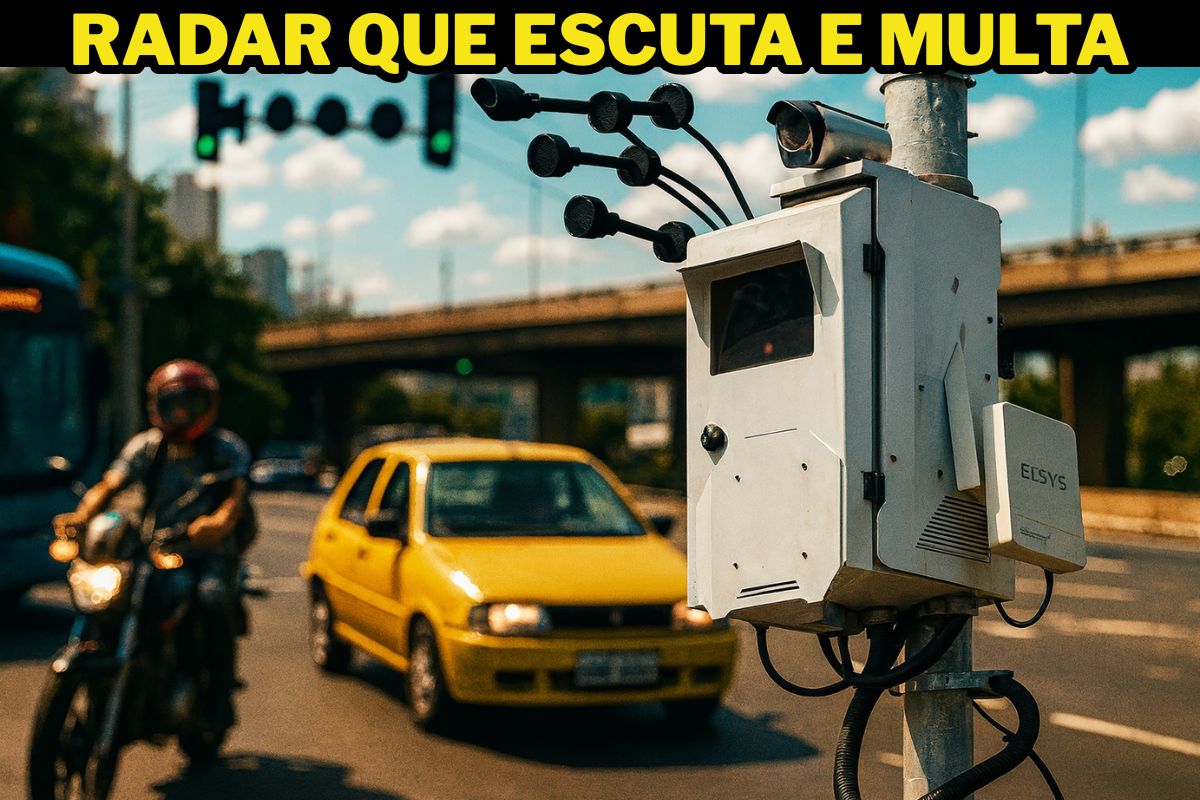


New Noise Canceling Radar Technology in São José dos Campos Promises to Identify Noisy Vehicles with Acoustic Precision, but Experts Warn That Fines May Be Legally Challenged and Even Overturned
The city of São José dos Campos (SP) has become the first in the country to officially install a noise canceling radar with 21 microphones positioned along the roadway to detect vehicle noise levels. The technology, based on acoustic cameras, promises to accurately identify cars and motorcycles that exceed the permitted noise limit, synchronizing audio with video and automatically recording the vehicle’s license plate.
According to the city hall, the goal is to combat excessive noise caused by tampered exhausts and out-of-standard automotive sounds. The equipment is already in the experimental phase and, if the model is approved, could generate fines of up to R$ 500 for disturbing the public peace.
Understand How the Noise Canceling Radar Works
The noise canceling radar uses an array of microphones that form an acoustic camera, a technology capable of mapping the precise source of sound and identifying the vehicle responsible for the noise above the permitted level.
-
The new Civil Code could revolutionize marriages in Brazil with “express divorce” and changes that could exclude spouses from inheritance.

-
Banco do Brasil sues famous influencer for million-dollar debt and intensifies debate on delinquency, risks of seizure, and direct impact on Gkay’s credibility.

-
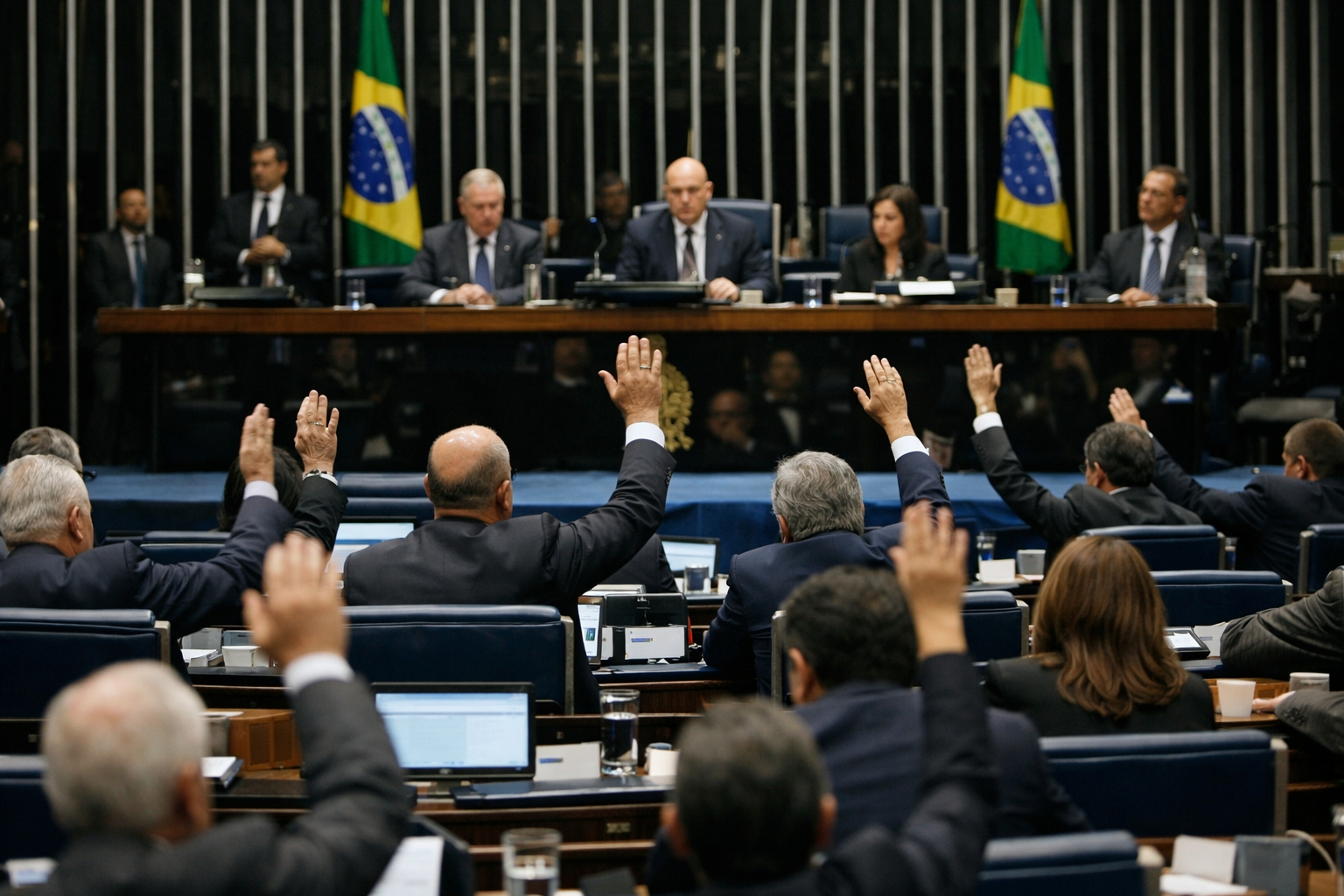
The Senate approves a bill that criminalizes misogyny, hatred, or aversion towards women, and includes the crime in the Racism Law with a penalty of up to 5 years.
-
Chamber Approves Bill That Allows Pepper Spray for Women Over 16 and Imposes Strict Rules for Purchase, Possession, and Use as Self-Defense

The system compares the peak noise captured with the image of the license plate and sends the data for technical analysis.
Each microphone is calibrated to capture different frequencies, allowing the ensemble to function as a three-dimensional sound matrix.
According to the Mobility Secretary, Gláucio Rocha, the initial tests revealed a high number of vehicles with tampered exhausts.
“The surprise is that there are many,” he stated.
What the Law Allows and What Is Still Under Discussion
Despite the technological advancement, fines imposed based on this type of radar can be legally challenged.
Lawyer and traffic specialist Marco Fabrício Vieira explains that the Federal Constitution assigns the power to legislate and define traffic sanctions to the Union, not to municipalities.
For him, the initiative in São José dos Campos hits a sensitive point: the absence of regulation from the National Traffic Council (Contran) regarding the automatic measurement of noise.
Without this legal basis, any penalty can be considered unconstitutional.
There are cities, like Curitiba (PR), that have installed similar radars only on an experimental basis, without applying formal fines precisely due to a lack of federal approval.
“So far, there is no provision in the Brazilian Manual of Traffic Enforcement (MBFT) or in any other federal regulation regarding automatic noise enforcement by remote equipment,” Vieira states.
Existing Noise Limits in National Regulations
Even though the noise canceling radar cannot yet impose legally valid fines, the limits for sound emissions are already defined in Brazilian environmental and traffic legislation.
Resolution 418/09 from Conama establishes that the maximum allowable noise for motor vehicles is 80 decibels.
Furthermore, Resolution 958/22 from Contran provides for serious fines for using sound equipment at audible volume from outside the vehicle, even without specific measurement.
The penalties include a fine of R$ 195.23 and five points on the driver’s license, in addition to the vehicle being retained for regularization.
These rules already allow for traditional penalties, but the use of the noise canceling radar aims to automate this process, reducing the need for in-person approaches and expanding the reach of enforcement.
The Future of Sound Enforcement in Brazil
For specialists, the challenge now is to find a balance between technology and legal security.
The absence of specific regulation prevents fines from having definitive validity, but the debate about urban noise pollution is expected to grow in the coming months.
In the meantime, the noise canceling radar continues to operate experimentally, serving as a model for other cities interested in adopting the technology.
If the Union advances in regulation, automated sound enforcement could become a reality across the country.
The discussion about urban noise is, above all, a matter of public health and quality of life.
Do you think the noise canceling radar is a fair solution to combat excessive noise in cities or do you believe it opens the door for abuses and improper fines?









Excelente reportagem, Bruno! Acho que pode ser uma solução viável sim.
Parabéns São Jose dos Campos , excelente gestão administrativa. Tenho inveja. Aqui no grande ABC (São Caetano do Sul) infelizmente , nossa administração não se importa com o bem estar da comunidade. Tem verba sim, mas, pra outras coisas , para isso , jamais….. invejo voces .