





 Portuguese
  English
  Spanish
  3 min of reading
  73 comments


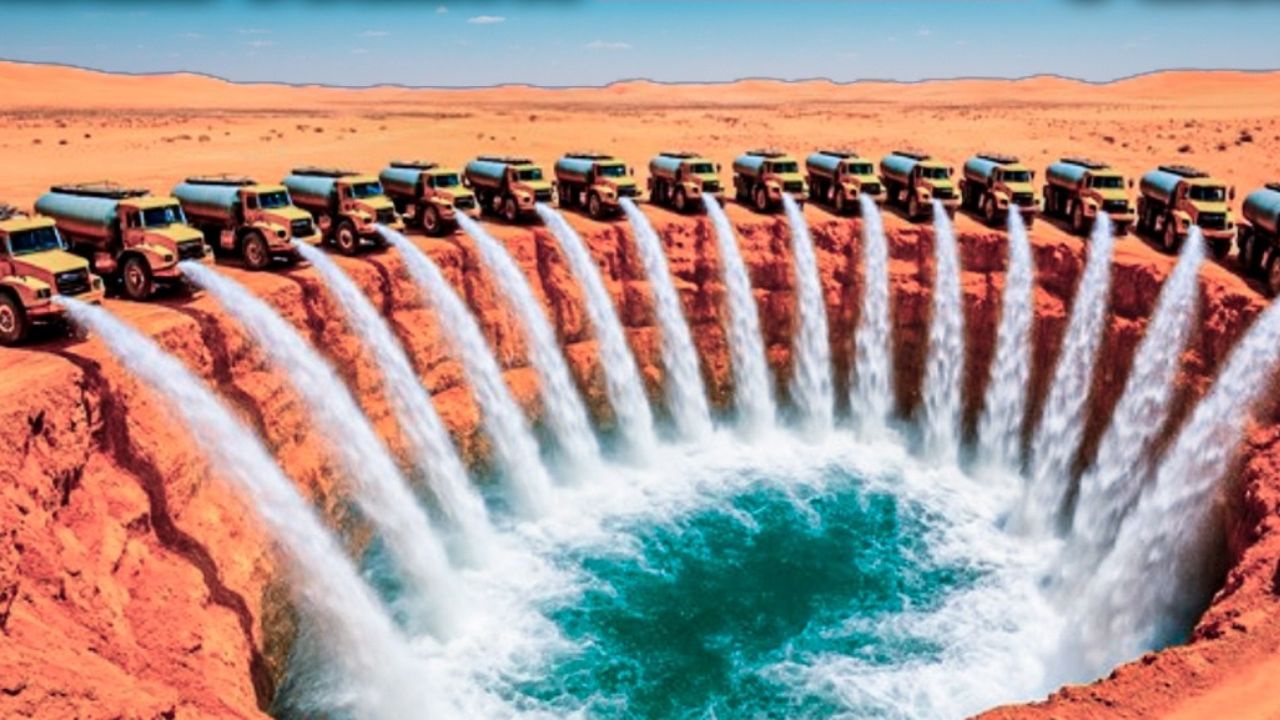


With Desalination and Precise Irrigation, Israel Transforms the Desert into a Global Model of Sustainable and Productive Agriculture
An area where almost all the soil is dry, the heat cracks the ground, and rain rarely appears. This scenario, which would normally be synonymous with hunger, is the reality of Israel. However, the country transformed this inhospitable landscape into vast plantations of food exported to Europe. With more than 60% of the territory occupied by the desert and classified among the countries with the highest water scarcity, the nation invested in desalination and technological irrigation to revolutionize its agriculture.
To grasp the gravity, Israel receives less than 500 cubic meters of water per capita per year. In the face of this challenge, desalination was not just a technical choice but a matter of survival. Combined with advanced systems of irrigation, this technology allowed the country not only to ensure supply but also to enable a high-precision agriculture that thrives in the desert.
From The Dream of Pioneers to Agriculture in the Desert


The transformation began long before high technology, driven by the urgent needs of the first pioneers. Upon encountering saline soils and scorching heat in the desert, they created communities based on cooperation. This unity allowed for the testing of primitive irrigation techniques and sharing risks, laying the foundation for future success in agriculture in Israel.
-
(Video): Italian pilot lands plane on moving train at 120 km/h and achieves unprecedented feat in aviation, even with a narrow runway and without direct visual contact.
-
It seems to have come out of a science fiction movie: A Brazilian city where it rains almost every day, recording over 4,000 mm per year, driven by climatic factors — a direct result of its strategic location in the Amazon.
-
The water crisis that could change everything this year has already begun; it’s not just about the climate, it affects technology, raises product prices, and can halt entire companies without warning.
-
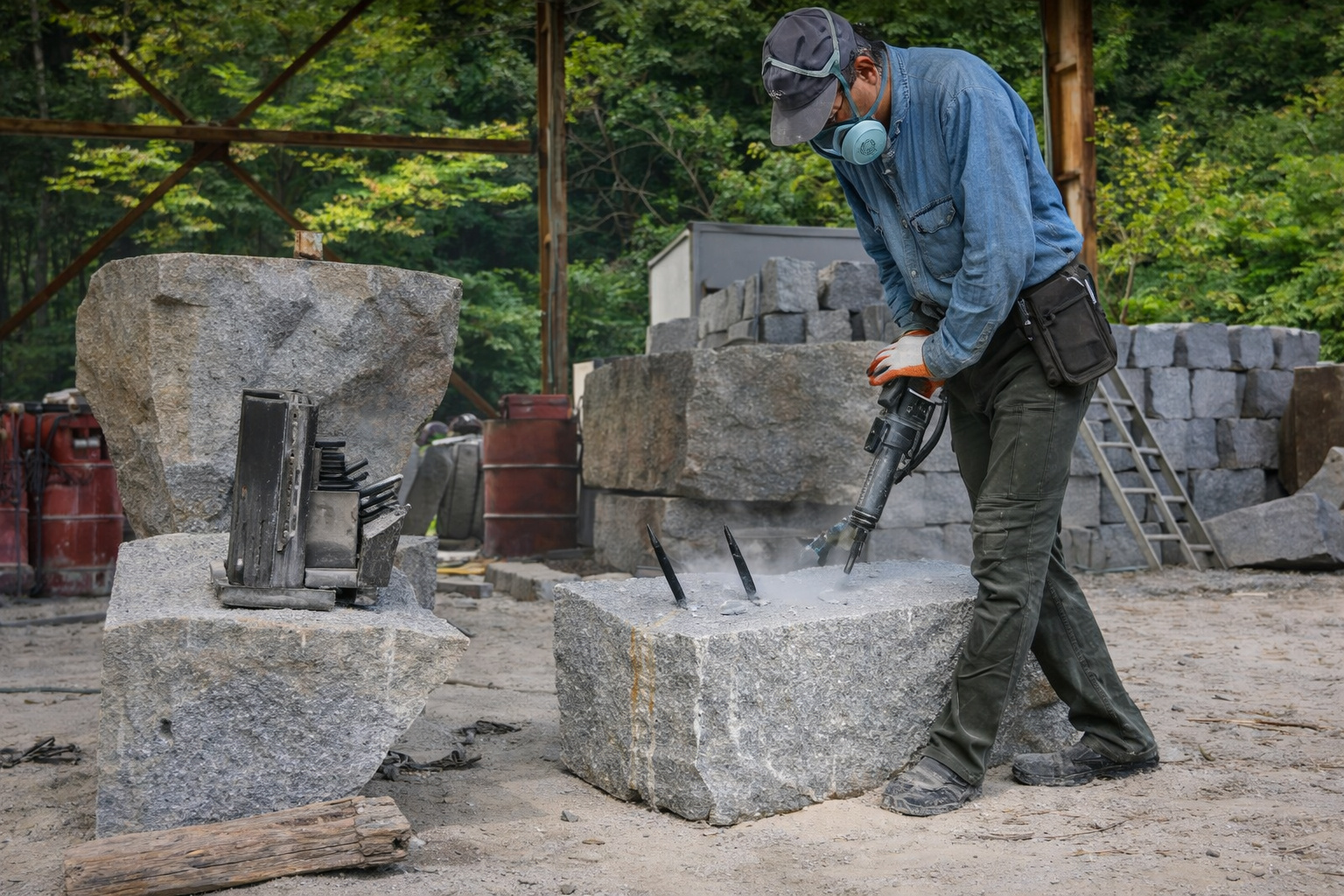
A Japanese mason transforms raw granite into small cups and handcrafted utensils, collects giant stones, cuts with precision, and impresses with detailed manufacturing and finishing.

However, it was state planning that changed the game. In Israel, water is treated as national security. The government sets strict quotas and encourages the use of conservation technologies. In this context, desalination became one of the central pillars, allowing agriculture to thrive even without regular rainfall.
The Vital Role of Desalination and Reuse
The technology for removing salt from seawater became essential. Today, much of the drinking water in Israel comes from desalination, freeing natural sources for other uses. The country has improved filtration membranes and integrated renewable energy to power desalination plants, reducing costs and ensuring that the desert would not be an obstacle to growth.
Another revolution is happening in reuse. While many countries discard wastewater, Israel purifies this resource and directs it to irrigation on farms. This recycled water nourishes agriculture, decreasing the need for chemical fertilizers and closing a sustainable loop.
The Revolution of Irrigation and Genetics
Efficiency in the field took a leap with the invention of irrigation by dripping. The technique, which delivers water directly to the root, tripled productivity in desert regions. Besides conserving resources, the irrigation method reduced plant diseases, making Israeli agriculture one of the most efficient in the world.
At the same time, Israel invested in resistant seeds. Scientists developed crops that withstand the heat of the desert and brackish water. Continuous support from desalination ensures the stability needed for this technological agriculture to never stop.
Record Productivity in Israel
The results of this strategy are impressive. Israel can harvest up to 300 tons of tomatoes per hectare. The diverse production proves that scarcity can be a driver for innovation. By integrating desalination, reuse, and smart irrigation, the country transformed the desert into a competitive advantage for its agriculture.
Today, Israeli engineers take this knowledge to the world, showing that with proper management of irrigation and technologies like desalination, it is possible to make any desert bloom.
Do you believe that the agriculture and desalination techniques of Israel would work in the Brazilian Northeast?





Infelizmente o atual governo só pensa em comprar votos com pequenas esmolas e a maioria do povo do nordeste aceita
Se não me engano esse era um dos projetos de parceria entre o governo brasileiro e Israel para o desenvolvimento do nordeste, mas infelizmente as eleições da presidência da república foram alteradas e Jair Messias Bolsonaro não foi reeleito e as consequências quem está sentindo é o povo nordestino. Quem sabe nas próximas eleições surja uma nova oportunidade.
Eu creio, veja bem, eles cultiva no deserto 🏜, nos possuímos terrenos fértil.