





 Portuguese
  English
  Spanish
 5 min of reading
  2 comments


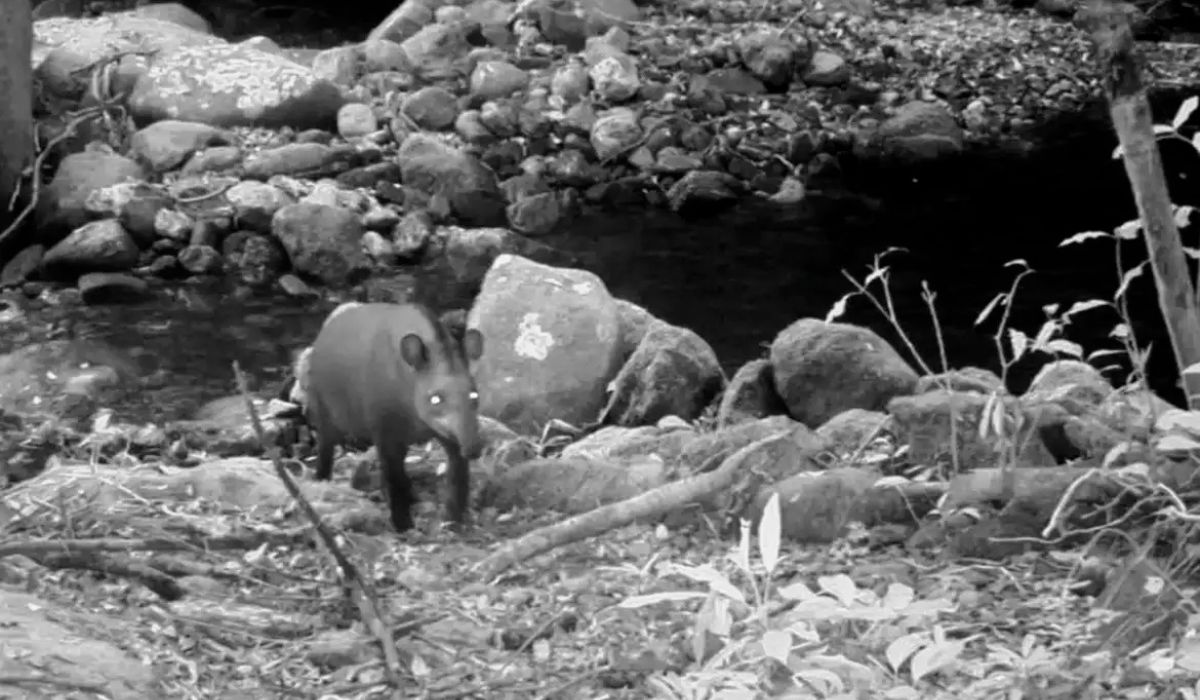


Recent Record Of A Large Mammal In The Fluminense Atlantic Forest Rekindles Technical Debates On Conservation, Environmental Monitoring, And Habitat Connectivity, After Images Confirmed The Presence Of An Absent Species In The State For More Than A Century.
The Brazilian Tapir, the largest terrestrial mammal in South America, has been recorded in the wild in the state of Rio de Janeiro after more than a century without confirmed occurrences.
The images were captured by cameras installed in dense forest areas of the Cunhambebe State Park, in the Fluminense Green Coast.
The records revealed the circulation of at least three individuals, including a female accompanied by a calf.
-
Goodbye iron: new technology from Xiaomi promises to revolutionize the way we iron clothes with 500 kPa steam, continuous flow of 120 g/min, heating in 65 seconds, and six smart modes for different fabrics.

-
Rio Pardo, the most mysterious city in Rio Grande do Sul: untouched Pampas castle, the missing treasure of the Devil Boy, bride’s saint, invisible tunnels, and a 200-year curse today.

-
China retires the J-7 fighter after years of military protection and can now transform military items into drones, following more than 60 years of operation of the J-7, derived from the MiG-21, with thousands of units produced and strategic use in the PLAAF and PLANAF.

-
Volunteers are sought to live in the mountains for a month: a study pays people to stay at 2,500 meters, with 24-hour monitoring of sleep, metabolism, and blood pressure.


The material was made public by environmental teams responsible for monitoring the fauna in the conservation unit.
The documentation is being analyzed by researchers who monitor the presence of large mammals in the Atlantic Forest.
The record has broadened technical discussions on conservation, habitat connectivity, and the effects of protected areas on the recovery of threatened species.
Environmental Monitoring In Cunhambebe State Park
The images were obtained through camera traps installed in hard-to-access points of the park.
The conservation unit was established in 2008 and covers approximately 38,000 hectares.
The area includes municipalities such as Angra dos Reis, Mangaratiba, Rio Claro, and Itaguaí.
The use of this type of equipment is part of monitoring programs aimed at identifying species with discreet habits or low sighting frequency.
In different records, the cameras captured tapirs circulating in the forest at various times.
In one of the sequences, the presence of a female with a calf caught the attention of the technical teams.

According to those responsible for monitoring, the record indicates that the animals use the area regularly, not just for occasional movements.
According to historical data compiled by environmental agencies, the last widely accepted record of the species in the state of Rio de Janeiro dates back to 1914.
The historical record occurred in the current Serra dos Órgãos National Park.
Since then, the tapir has come to be considered locally extinct in the Fluminense territory.
Historical Pressures And Habitat Loss In The Atlantic Forest
Wildlife experts associate the disappearance of the tapir in Rio de Janeiro with accumulated pressures throughout the 20th century.
Among the main factors are urban expansion, fragmentation of the Atlantic Forest, and illegal hunting.
These processes have more intensely affected large mammals.
The species depends on extensive areas of vegetation to move in search of food and shelter.
With the reduction and isolation of forest fragments, populations tend to lose viability over time.
This effect is more pronounced when there are no ecological corridors that allow circulation between preserved areas.
Researchers point out that the existence of conservation units with large continuous stretches of forest is a relevant factor for the maintenance of species sensitive to human occupation.
Origin Of The Individuals Is Under Investigation
The reappearance of the tapir in Cunhambebe State Park occurs in a context of initiatives aimed at the conservation of large vertebrates in the state.
In the Fluminense territory, there are reintroduction programs for the species conducted by research and conservation institutions.
These initiatives began to gain attention from 2017 in other protected areas.
In the specific case of Cunhambebe, the official records describe the presence of individuals living in what is considered a wild state.
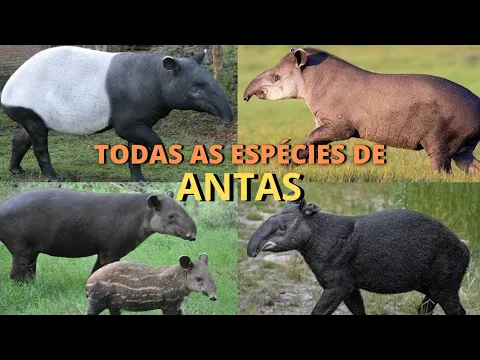

According to technicians involved in the monitoring, the images indicate that the animals are using the area independently, without direct management on site.
There has not yet been public confirmation about the origin of the recorded individuals.
The possibility of movement from neighboring regions where the species occurs is mentioned in preliminary analyses.
However, this confirmation depends on complementary studies such as genetic assessments.
These data have not yet been released officially.
Ecological Function Of The Tapir And Forest Regeneration
The tapir is recognized by researchers for the role it plays in forest ecosystems.
The animal feeds on fruits, leaves, and shoots.
Additionally, it travels long distances within the forest.
According to ecology specialists, this behavior favors the dispersal of seeds throughout the forest environment.
This process contributes to the natural regeneration of forests and the maintenance of plant diversity.
The effect is considered relevant in biomes such as the Atlantic Forest, which has suffered intense area reduction over the last centuries.
Currently, the Brazilian tapir is classified as a vulnerable species in conservation assessments.
Habitat loss, hunting, and roadkill on highways remain among the main threats identified in technical studies about the species in the country.
Conservation, Enforcement, And Continuous Monitoring
The record in Cunhambebe was made possible thanks to the continuous use of camera traps.
This tool is increasingly adopted in wildlife monitoring programs.
In addition to documenting rare species, the method helps define management, enforcement, and protection strategies for sensitive areas.
Commenting on the finding, the State Institute of the Environment stated: “This is the first record, in over a hundred years, of tapirs living in the wild in the state, without relying on direct reintroduction actions on site.”
The statement was included in the official disclosure of the case.
Despite the record, technicians and researchers emphasize the need for ongoing monitoring.
Among the points still under analysis are the total number of individuals using the area and the frequency of reproduction.
Risks existing in surrounding zones, where there are roads, urbanized areas, and human activities, are also being evaluated.
Maintaining monitoring is considered essential to assess whether the presence of the species in the park will be consolidated over time and what measures may be necessary to reduce external threats.









Guapiaçu esses animais vivem por livre lá…
Vcs precisam atualizar a informação. A espécie pode não ter sido vista nessa UC, porém, na Rebio de Guapiaçu, existem antas há muito tempo. Confiram.