






 Portuguese
  Spanish
  3 min of reading
  0 comments


Know The Story Of The Luxurious Real Estate Project That Turned Into A Ghost Town And A Monumental Case Of Failure And Fraud.
The Burj Al Babas project in Turkey is a monumental testament to ambition and failure. Designed as a luxury condominium with 732 castle-style villas, the US$ 200 million venture aimed to attract wealthy investors from the Gulf. However, economic crises, the developer’s bankruptcy, and severe controversies led to construction collapsing. Today, it is an uninhabited ghost town, the center of a fraud trial and a symbol of the dangers of real estate speculation.
The Plan Behind The Luxury Castles
The vision of Burj Al Babas was born from the ambition of the Sarot Group, led by brothers Mezher and Mehmet Yerdelen. The project was strategically aimed at wealthy investors from Gulf countries such as Kuwait, Saudi Arabia, and Qatar. The name was already a nod to this audience: “Burj” means “tower” in Arabic. The promise was a luxury retreat with the appeal of local hot springs.
The architectural project consisted of 732 almost identical villas, each reminiscent of a European castle. The aesthetic was a deliberate marketing choice to please the taste of foreign buyers, even as it strayed from Turkey’s architectural heritage. At the center of the complex, a building would house a shopping mall, cinemas, a mosque, and health facilities.
-
To halt the advance of the Sahara, the 8,000 km Great Green Wall in the Sahel relies on reforestation to combat desertification, but by 2026 it remains far behind the goal of 100 million hectares.

-
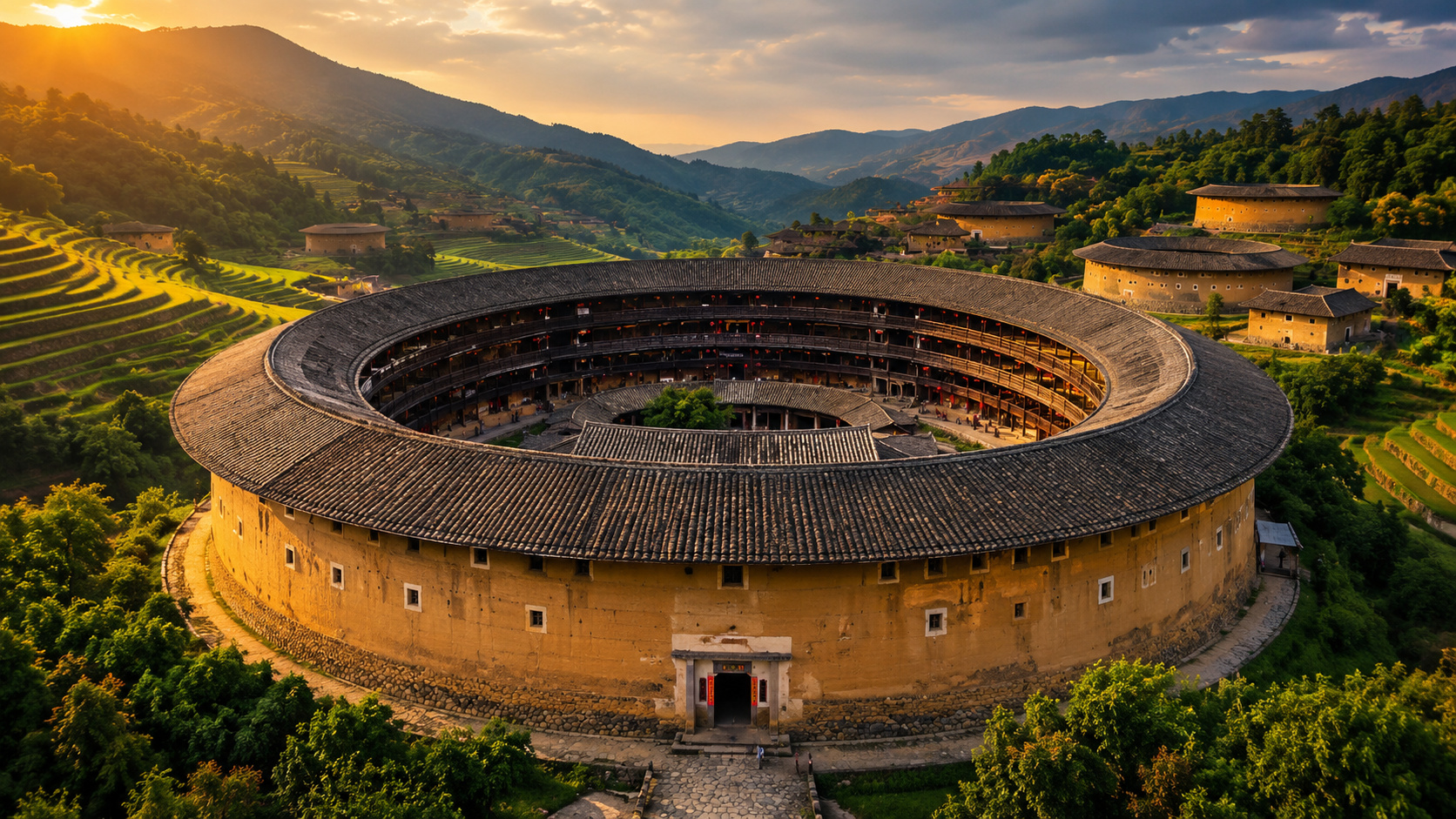
Long before sustainable construction became a trend, China built earthen fortresses with multiple floors, a central courtyard, and the capacity to house up to 800 people living in a community.

-
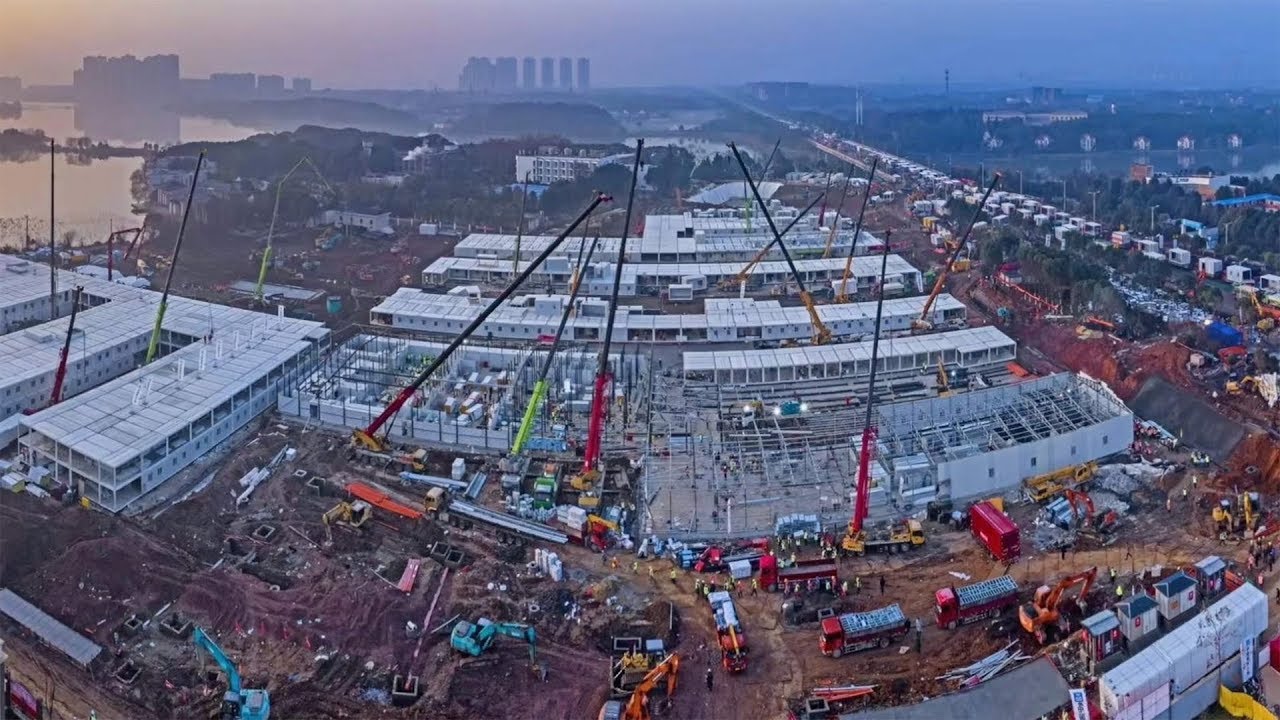
While in the rest of the world building a hospital takes years from design to inauguration, China erected the Huoshenshan Hospital from scratch in just 10 days, with 1,000 beds, foundation, structure, electrical installations, plumbing, and oxygen system ready to receive patients, mobilizing 7,000 workers.

-
Without mortar, grout, or traditional construction: the ClickBrick system assembles brick facades with ceramic pieces held by metal clips, eliminating the need for glue, speeding up installation, and even allowing everything to be dismantled later without turning the construction into expensive permanent debris.


The Start Of Construction And The Partial Reality
The construction of Burj Al Babas officially began in 2014, with a goal of completion in four years. Initial success was remarkable. About 350 of the 732 villas were sold in advance, mostly to buyers from the Gulf. At its peak, the project employed as many as 8,000 workers on site.
By 2018, 587 villas were partially constructed. However, the term “completed” was misleading. Only the exterior was finished, while the interiors remained unfinished and uninhabitable. Essential infrastructure, such as roads and utilities, was also incomplete, suggesting a strategy to maintain appearances rather than deliver a functional project.
Controversies And Warning Signs During Construction
From the outset, the project faced severe issues. In 2014, subcontractors sued the Sarot Group for unpaid debts and the destruction of protected forest. Financial tensions led to worker protests over unpaid wages as early as 2015.
The opposition from the local community in Mudurnu was vigorous. Residents and environmentalists criticized the project for its aesthetic clash with the city’s historical architecture, which is a UNESCO World Heritage Site candidate. Allegations of environmental damage, such as deforestation and improper debris disposal, resulted in lawsuits. Despite the warnings, the developers continued with the construction.
Bankruptcy, Abandonment, And The Economic Crisis
A “perfect storm” sealed the project’s fate. Starting in 2018, falling oil prices impacted the purchasing power of Gulf investors. Simultaneously, Turkey faced a severe economic crisis, with its currency devaluation and rising inflation. Many buyers delayed payments or canceled contracts.
With cash flow compromised, the Sarot Group amassed a debt of US$ 27 million. In June 2018, the company filed for bankruptcy, but in November a court ordered its liquidation. The construction was officially halted in 2019, leaving behind a concrete skeleton.
Burj Al Babas Today: Ghost Town And A Complex Legal Battlefield
Today, Burj Al Babas is a surreal and dystopian landscape. Hundreds of identical and empty castles rise amid construction debris and overgrown vegetation. The site has become a destination for “dark tourism”, attracting curious visitors, photographers, and filmmakers.
For investors, the project was a significant loss. The impact on the Mudurnu community is seen as a “permanent scar”. The case escalated into the legal and diplomatic realm, culminating in a fraud trial against the executives of the Sarot Group. The charges include embezzlement of US$ 67 million, and the prosecution is seeking sentences of up to 885 years in prison for the defendants, turning the architectural dream into a judicial nightmare. The future of the venture remains uncertain, oscillating between demolition and an improbable revitalization.



-

-

-

3 people reacted to this.