





 Portuguese
  English
  Spanish
  5 min of reading
  5 comments


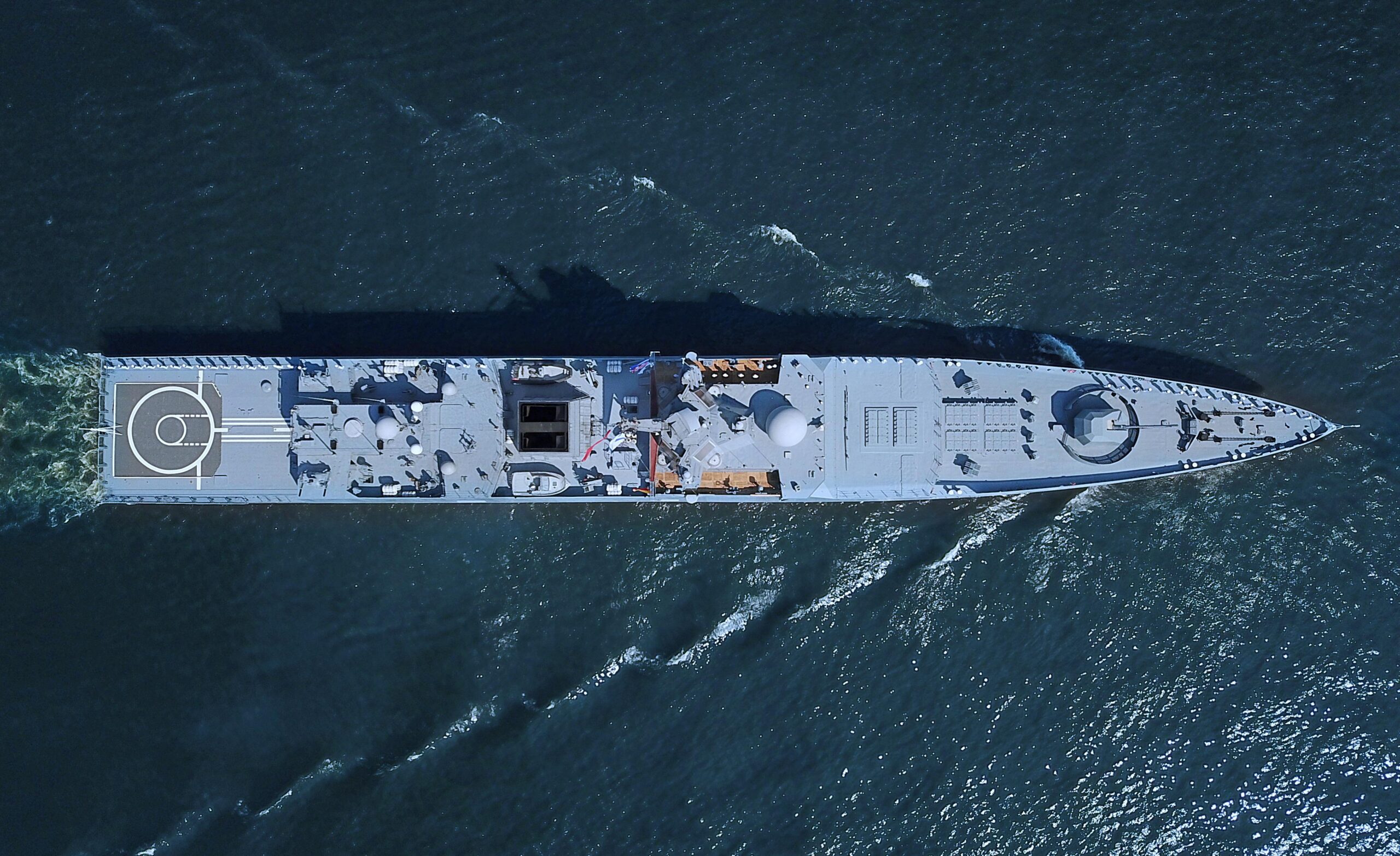


Russian Admiral Gorshkov Class Frigates Combine AESA Radar, Tsirkon Hypersonic Missiles, and Vertical Launch Systems Capable of Hitting Targets Over 1,000 km.
The Russian Admiral Gorshkov Class frigate, also known as the Project 22350, represents one of the most modern naval platforms developed by Russia in recent decades. Designed for oceanic missions and equipped with advanced combat systems, the vessel was created to perform multiple roles in contemporary naval warfare scenarios. These frigates combine state-of-the-art sensors, active electronically scanned array radars, long-range air defense systems, and strike missiles capable of hitting targets at great distances. The first unit of the class, Admiral Flota Sovetskogo Soyuza Gorshkov, was commissioned into the Russian Navy in 2018, after years of development and testing.
According to data released by the Russian Navy and the Severnoye Design Bureau, responsible for the project, the aim of these frigates is to form the core of the new generation of combat ships of Russia, replacing older Soviet vessels and expanding the country’s naval projection capability. By combining modern sensors, long-range weaponry, and digital combat integration, these frigates are designed to operate in complex operations in open ocean.
Project 22350: The New Generation of Russian Frigates
The development of the Admiral Gorshkov class began in the early 2000s when Russia initiated a modernization process for its surface fleet.
-
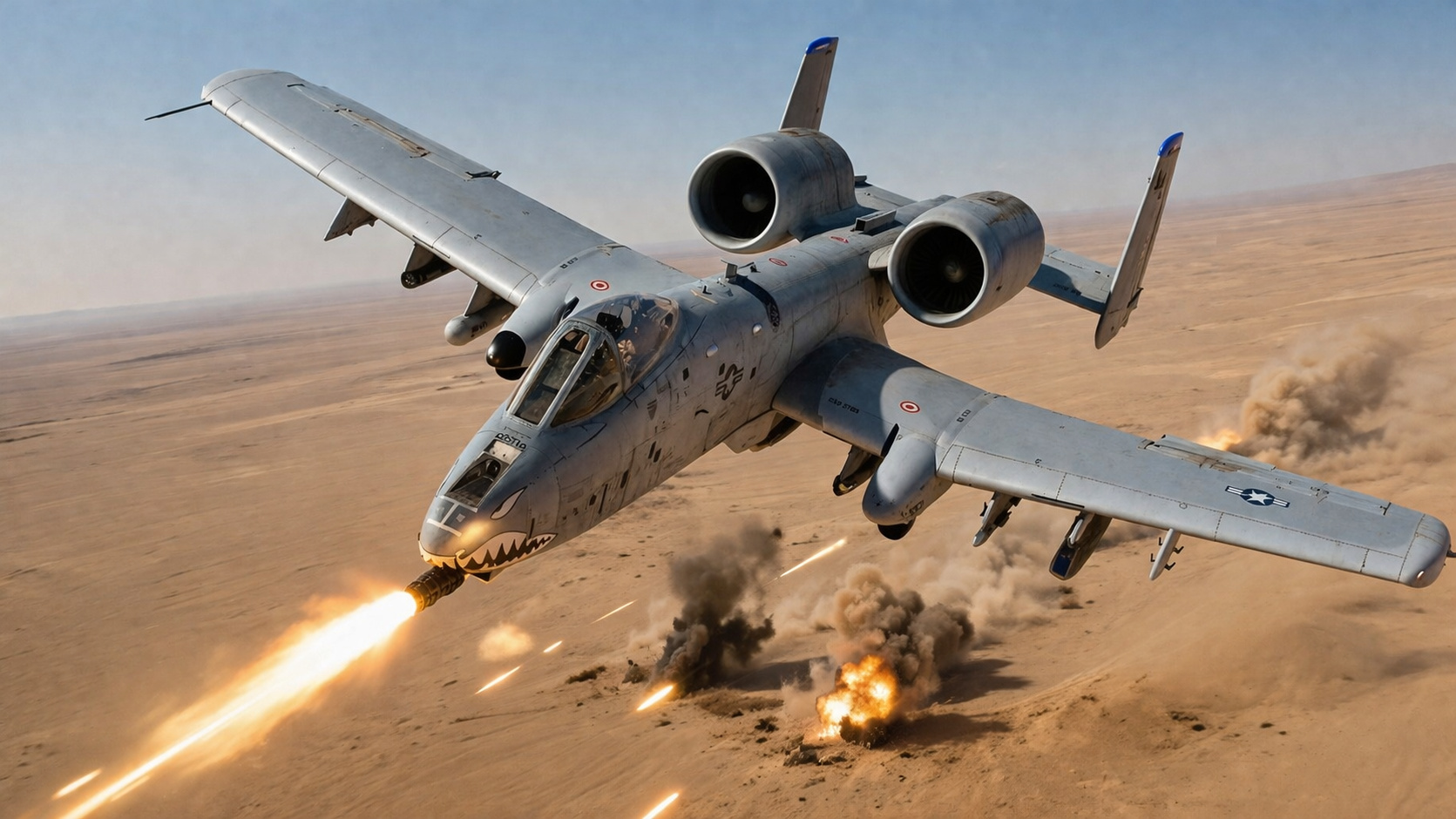
Few people know, but “mega burst” attacks from the A-10 in the Middle East are intriguing analysts and even experienced former pilots of the U.S. Air Force.
-
Manufactured in Brazil and exported to Saudi Arabia and Malaysia, the ASTROS system is renamed as Fogos in 2026, gaining AI, cruise missiles with a range of 300 km, and air defense costing R$ 3.4 billion, transforming a launcher from the 1980s into the most ambitious multidomain platform in Latin America.
-
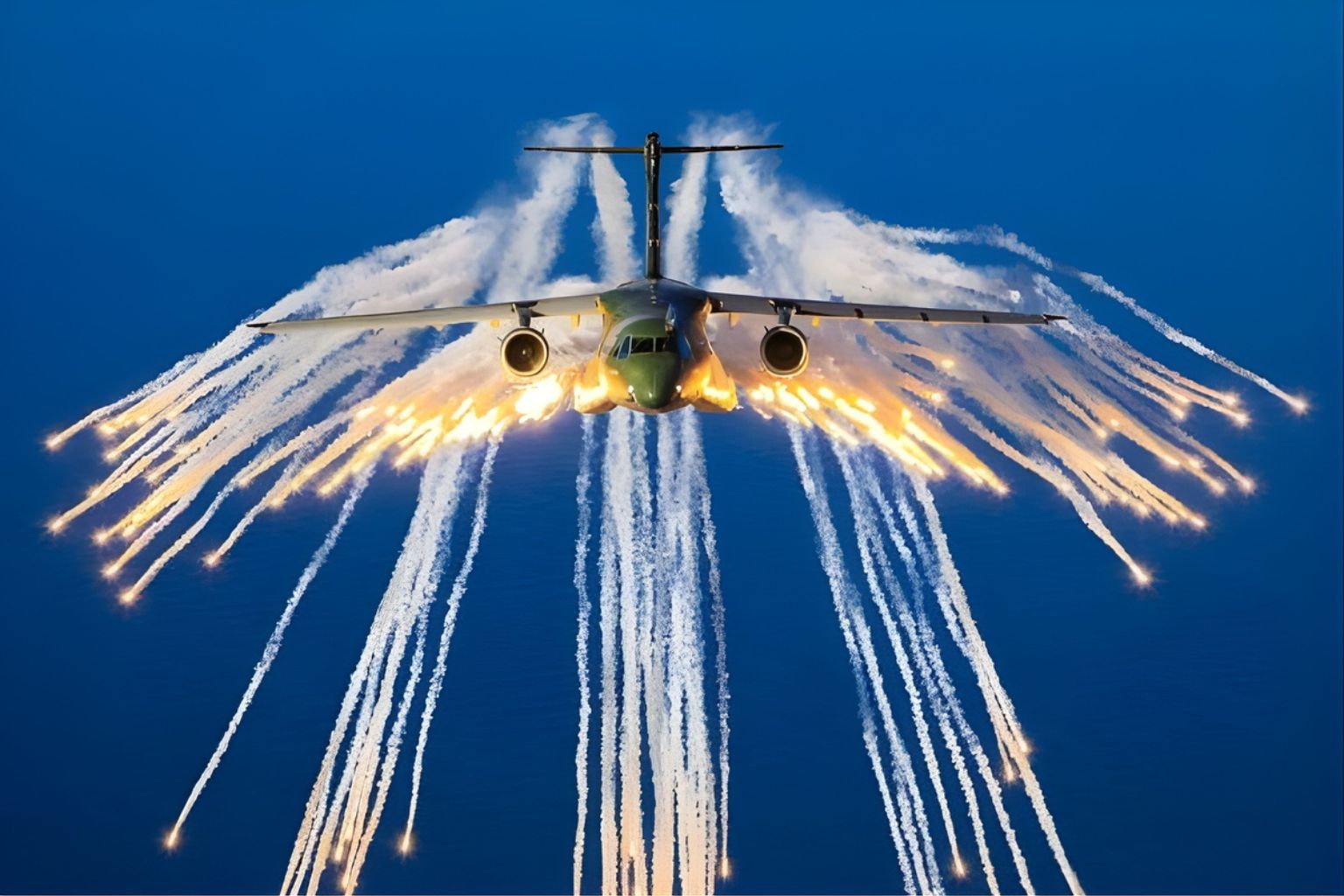
The largest military aircraft ever produced in Brazil, the KC-390 Millennium can carry up to 26 tons, refuel fighter jets in flight, and has already been exported to Europe and Asia, placing the country in the select group that designs and sells large military aircraft worldwide.
-
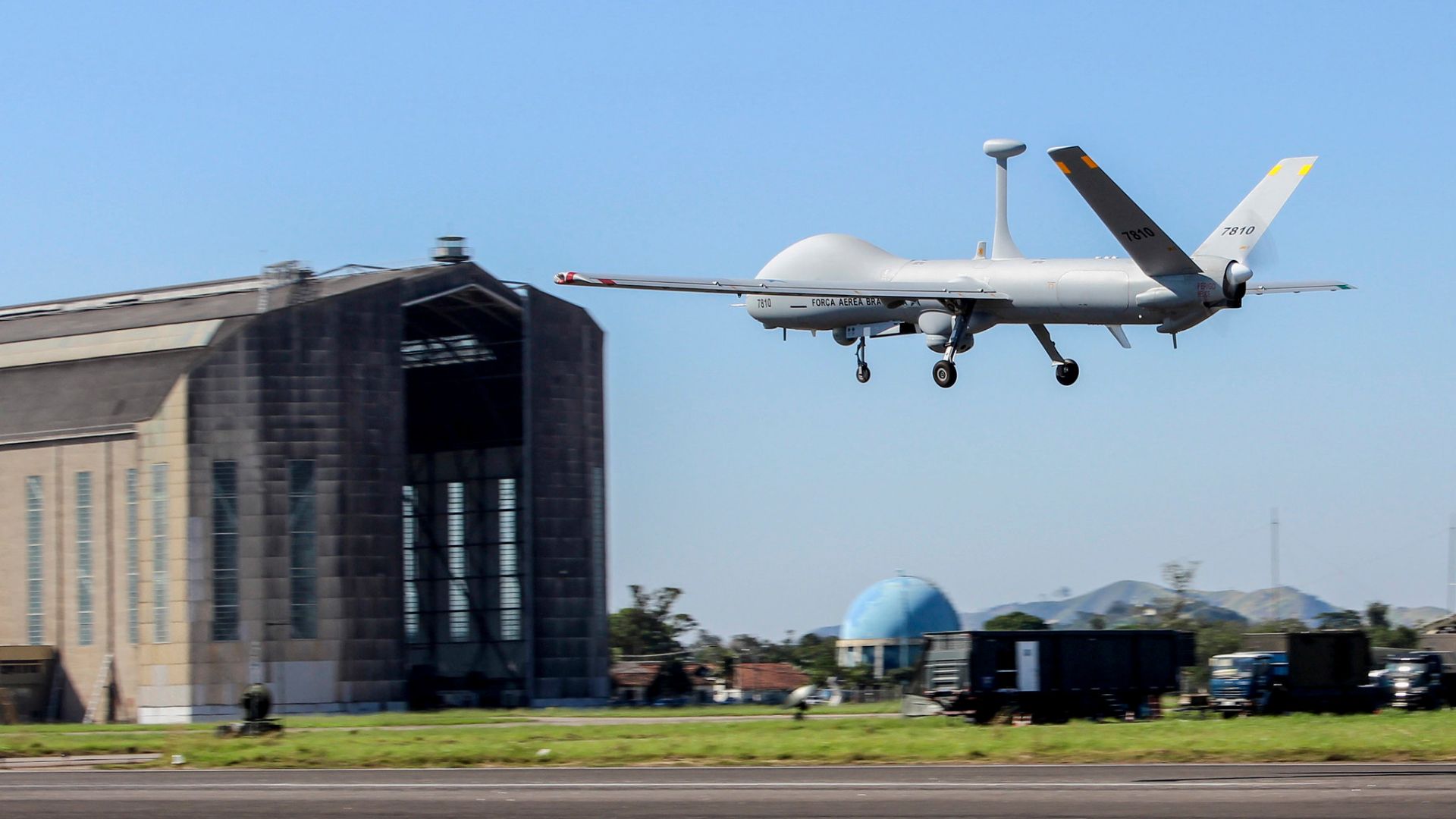
FAB loses Hermes 900 drone during multinational exercise in Mato Grosso do Sul and is left with only one active aircraft, raising concerns about operational fragility and strategic response capability.

After the end of the Soviet Union, many ships inherited from that period began to become obsolete or difficult to maintain. Project 22350 was conceived precisely to fill this gap, offering a modern platform capable of operating on long-range missions. The construction of the ships takes place at the Severnaya Verf shipyard, located in Saint Petersburg, one of the key centers for military shipbuilding in Russia.
Among the units already built or under construction are:
- Admiral Gorshkov
- Admiral Kasatonov
- Admiral Golovko
- Admiral Isakov
These ships are part of a larger plan to expand the Russian fleet, which aims to incorporate several units of this class over the coming decades. Project 22350 has become one of the strategic priorities of Russian naval modernization.
Dimensions and Oceanic Capability
The Admiral Gorshkov class frigates have dimensions that are intermediate between traditional frigates and destroyers. Among the main technical characteristics are:
- approximate displacement of 4,500 tons standard
- up to about 5,400 tons at full load
- length of about 135 meters
- maximum speed of approximately 29 knots
- range of about 4,800 nautical miles
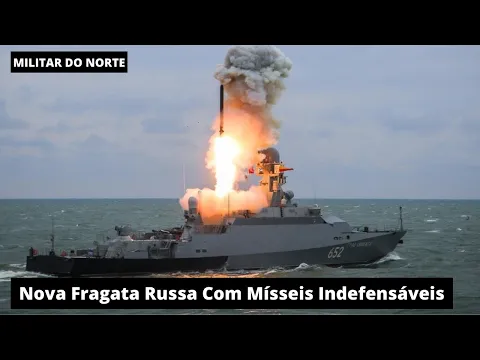

These numbers allow the ship to operate in prolonged oceanic missions, patrolling large maritime areas or accompanying naval groups in international operations.
The propulsion system uses a CODAG (Combined Diesel and Gas) system, which combines diesel engines with gas turbines to ensure efficiency in cruising navigation and additional power when needed. This configuration allows a balance between operational range and high-speed performance.
AESA Poliment Radar and Advanced Sensors
One of the most important systems of the Gorshkov class is the radar Poliment, an active electronically scanned array (AESA) radar.
This type of radar uses multiple electronic modules capable of directing radar beams without moving parts, increasing detection speed and accuracy. Among its capabilities are:
- tracking multiple targets simultaneously
- detecting aircraft at great distances
- guiding air-to-air missiles with high precision
The Poliment radar is part of the air defense system Poliment-Redut, responsible for protecting the ship against modern aerial threats. This system places Russian frigates among the vessels equipped with advanced electronic scanning radars.
Vertical Launchers and Missile Arsenal
Another central element of the Gorshkov class is the UKSK universal vertical launch system. This system allows the firing of different types of missiles from the same launch cells. Among the main armaments are:
- Kalibr, long-range cruise missile capable of hitting land and sea targets
- Oniks, supersonic anti-ship missile designed to target enemy vessels
- Tsirkon, next-generation hypersonic missile

The first frigates of the class have 16 vertical launch cells, while newer versions may have more cells. This modular system allows the armament configuration to be adjusted according to the type of mission. Flexibility transforms the ship into a multifunctional naval combat platform.
The Tsirkon Hypersonic Missile
One of the systems that attracted significant international attention was the integration of the hypersonic missile 3M22 Tsirkon. According to data released by Russian authorities and military analyses, this missile can reach estimated speeds of up to Mach 9, or about 11,000 km/h.
In addition to its extremely high speed, the Tsirkon has an estimated range exceeding 1,000 kilometers. The combination of speed and range was designed to complicate interception by conventional missile defense systems.
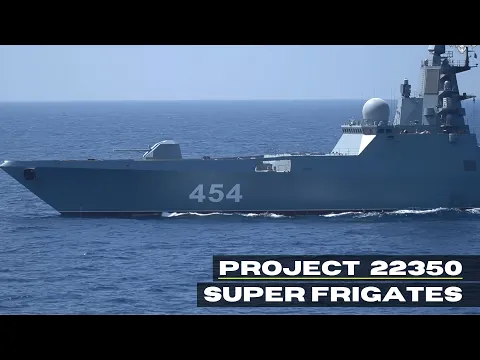
The Admiral Gorshkov frigate has been used in several tests of this missile in the White Sea and the Barents Sea. These tests demonstrated the ship’s capability to operate hypersonic weapons in a naval environment.
Long-Range Air Defense
In addition to offensive missiles, Gorshkov frigates have robust air defense systems. The Poliment-Redut system employs guided missiles designed to intercept modern aerial threats.
These missiles can neutralize:
- combat aircraft
- helicopters
- drones
- anti-ship missiles
The combination of AESA radar and guided missiles allows for the creation of an air defense zone around the ship. This capability enables the protection of not only the frigate itself but also other vessels operating nearby.
Additional Armaments
In addition to missile systems, the Gorshkov class possesses various complementary armaments. Among them are:
- A-192 130 mm naval gun
- close-in weapon systems
- torpedoes for anti-submarine warfare
- Paket-NK anti-torpedo system
The ship also features sonar sensors for detecting submarines and electronic warfare equipment capable of interfering with enemy radars.
This combination allows it to confront threats from the surface, the air, or underwater.
Naval Helicopter and Extended Range
Each frigate has a hangar and flight deck to operate naval helicopters Kamov Ka-27. These aircraft are primarily used for:
- anti-submarine warfare missions
- maritime patrol
- search and rescue
The use of helicopters significantly extends the ship’s surveillance range, allowing it to detect threats far beyond the horizon.
Future Expansion of the Class
Russia plans to continue expanding the Admiral Gorshkov class. Reports indicate that several additional units are under construction or planned.
An expanded version called Project 22350M, often nicknamed Super Gorshkov, is also under development.
This new variant may feature:
- greater displacement
- more vertical launch cells
- increased armament capacity
The goal is to create ships capable of replacing older destroyers in the Russian fleet.
A New Phase in Naval Warfare
The Admiral Gorshkov class frigates represent a significant shift in Russian naval strategy. With modern sensors, long-range missiles, and integrated combat systems, these vessels have been designed to tackle the challenges of 21st-century naval warfare.
The presence of hypersonic missiles, advanced radars, and integrated air defense systems demonstrates how modern navies are investing in technologies capable of enhancing the speed, range, and accuracy of maritime operations.
These ships represent a significant step in the modernization of the Russian fleet and the evolution of contemporary naval combat platforms.









O projeto no papel e maquete nas demostrações, ilude! Porém é necessário saber se será para exportação, pois ninguém sabe nada se é verdade ou mentira a respeito da Rússia; até o povo e super oprimido.
E ao saber que a Ucrânia sem ter Marinha, afundou o Grande Cruzador lançador de mísseis que parte o mundo em banda, “Fodão”, **** das galáxias “MOSKA, não se tem realmente confiança na Rússia, o aprimoramento de suas FAs e a eficácia de seus s armamentos…
A que ponto chega a cegueira do ser humano. Tem um vídeo mostrando a fragata em ação e a toupeira dizendo que o projeto ainda tá no papel e maquete. Ainda bem que falar besteira é de graça porquê alguns estariam individados ao pescoço se isso tivesse custo
Ah! São especialistas além da mentira e do envenenamento em maquetes!
E não conseguem dominar a Ucrânia eu não posso dizer que os russos não sejam especialistas, mas em mentira e envenenamento
Rapaz, deve ser difícil conviver consigo mesmo. Quanta falta de conhecimento.