





 Portuguese
  English
  Spanish
  2 min of reading


There Are Doubts Whether Petrobras Has Social Obligations or If It Is a Company That Only Aims for Profit. Opinion by Luiz Henrique Sanches
In the past, Petrobras’ main mission was to keep Brazilian territory supplied with oil derivatives. Recently, due to the company’s use as a fiscal policy instrument, holding back its prices to curb inflation, it was condemned by a lawsuit filed by minority shareholders for mismanagement, which ended with a settlement that cost Petrobras billions of Reais and nearly imprisoned the directors of the Brazilian state-owned enterprise.
The Mission Changed to “Achieve a Profitability Compatible with the Sector”.
When selling a commodity in an importing market, the selling price must be equal to the cost of importing, as an alternative for the buyer. The director who fails to do this risks imprisonment, but they have no alternatives and prefer to take the risk.
At the same time, some “authorities” celebrate record oil exports, even though Brazil is the largest importer of oil derivatives in the world, much more expensive than oil, among those with sufficient oil production.
-
Inflation in March reaches 0.88% according to IBGE and pressures the Brazilian economy, impacting family budgets and requiring more strategic decisions to maintain financial control.

-
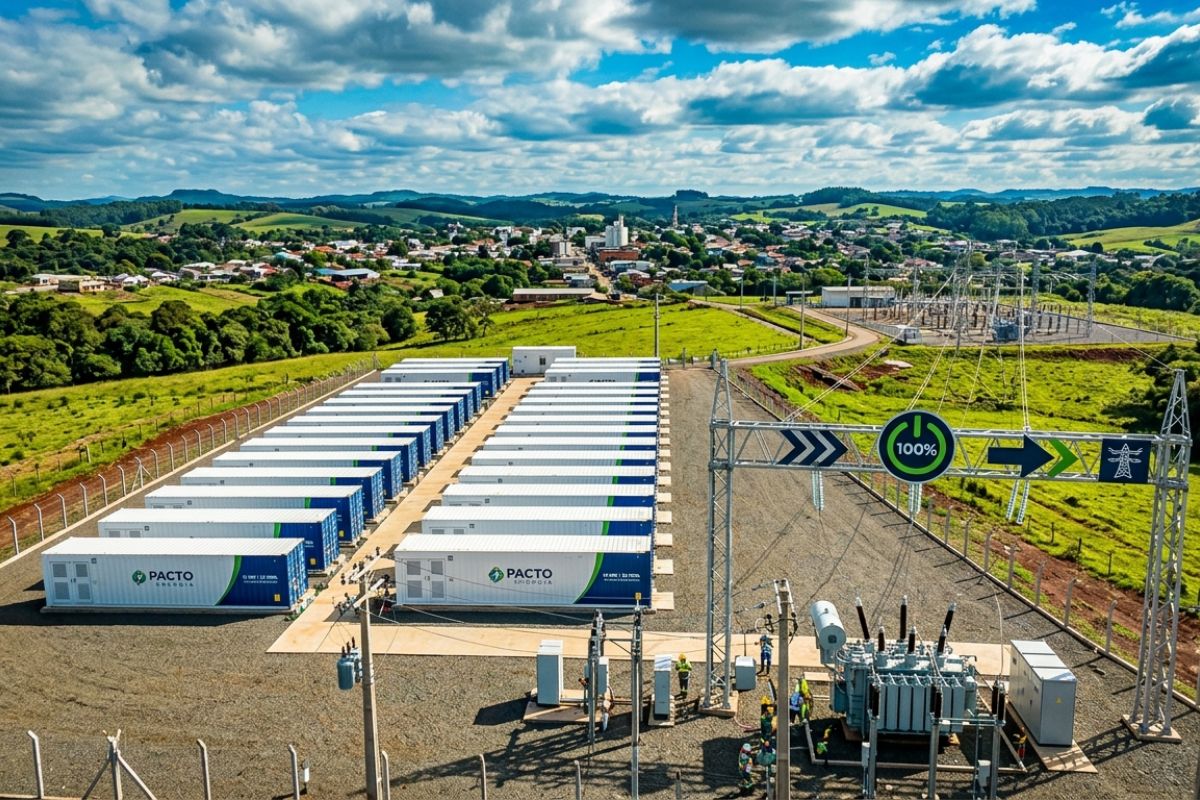
In Paraná, distributor Pacto connects 100% of the load in Coronel Vivida to batteries: a BES of 10 MW and 20 MWh costs just over R$ 30 million and lowers the local tariff now.
-
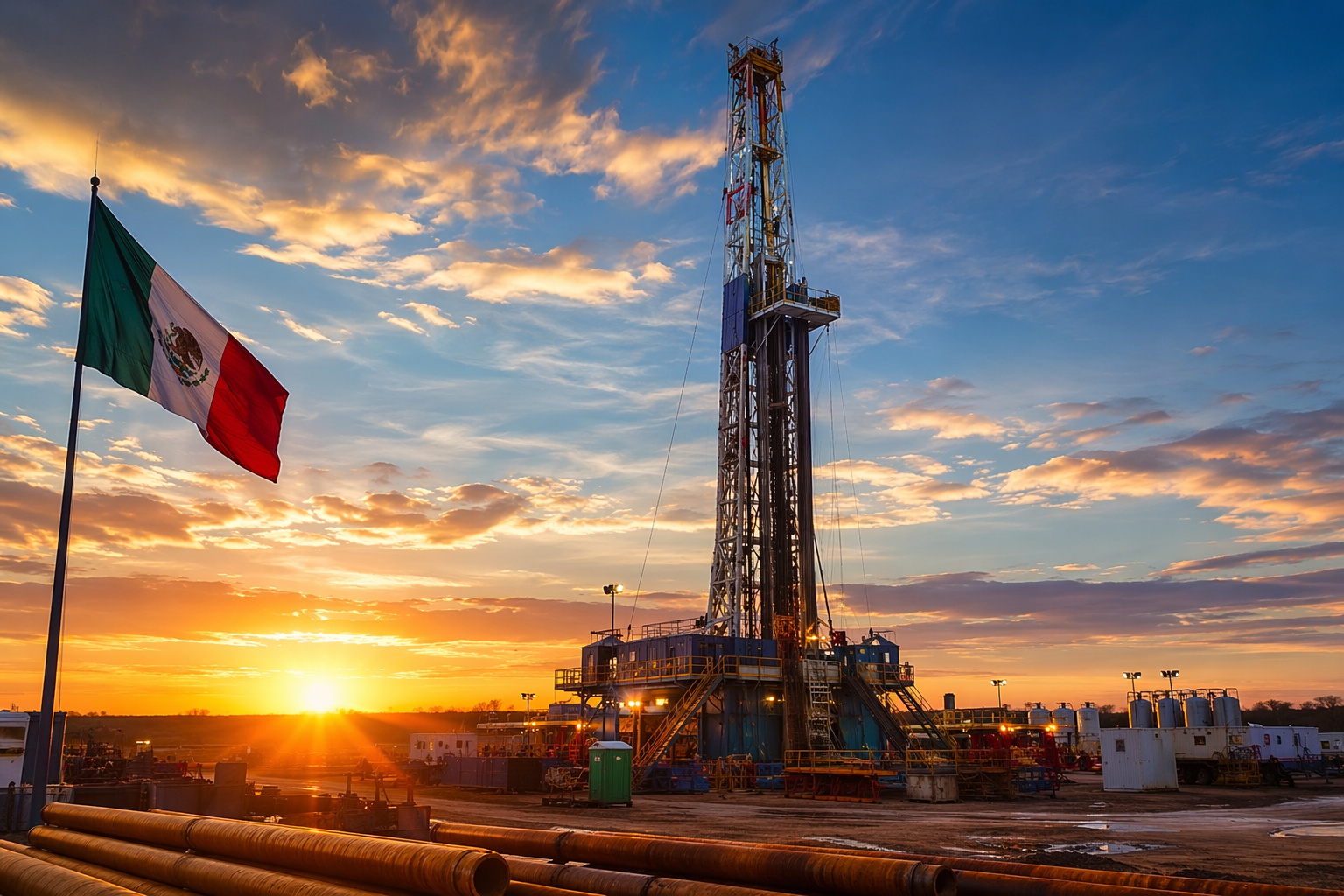
With a dependence of up to 80% on gas imported from the United States, Mexico is responding with a robust energy strategy, betting on shale gas, creating a scientific committee, and preparing to expand natural gas production to reduce vulnerability and strengthen its energy security in the coming years.
-
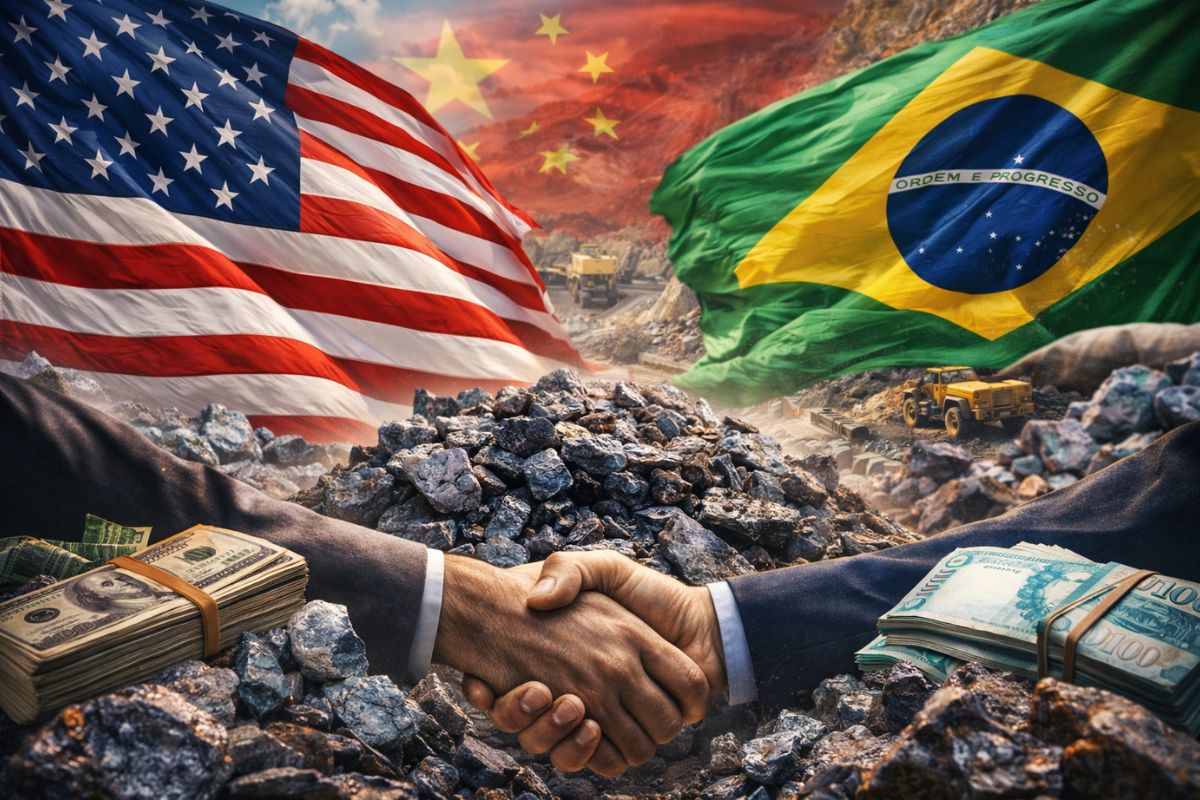
The United States proposes to Brazil a critical minerals agreement with a minimum price to combat Chinese dumping and priority for investment, but the Planalto is blocking the signing out of fear of upsetting China and due to electoral calculations in a year of competition.
It’s as if we export iron ore and import steel.
Meanwhile, those responsible for this situation, involved in some way with benefits aimed at building refineries, appear in electoral surveys. We are not a serious country, yet we still nurture hope of attracting foreign capital to reduce unemployment.
We will only have significant investment from geopolitical interests or when it exploits unskilled and cheap labor. “A country of the future since 1950…”








Seja o primeiro a reagir!