





 Portuguese
  English
  Spanish
 5 min of reading
  2 comments


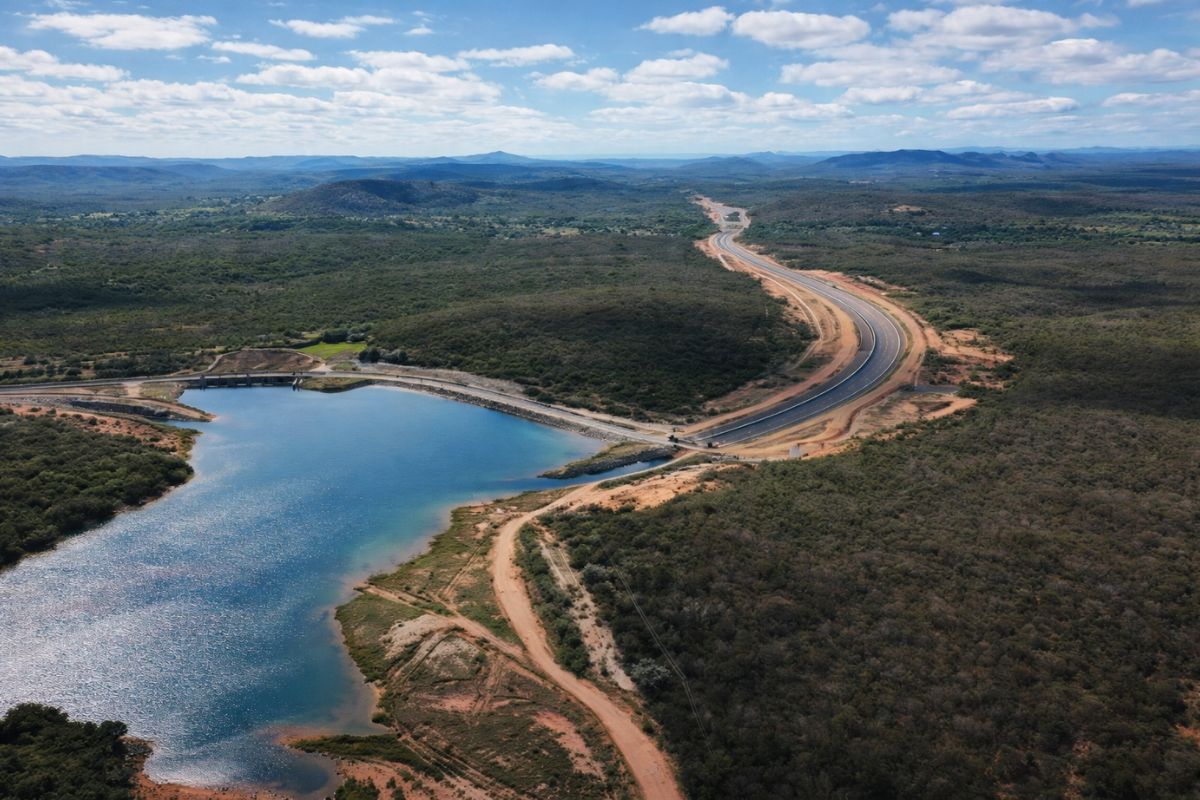


From A System of Water Conductors, Continuous Pumping, and Reservoirs, A Complex Engineering Project Redistributes Water from the São Francisco River and Reinforces Supply in Cities of Agreste in Pernambuco Historically Affected by Water Scarcity.
To closely observe a project that carries water from the São Francisco River to the interior of Pernambuco is to understand how complex engineering becomes a direct instrument of survival and urban planning. It is not a simple canal or an isolated pipe, but an articulated system of pressurized water conductors, pumping stations, and reservoirs designed to ensure water security to a region that has grown without the same water guarantee.
The Pernambuco Agreste hosts one of the largest populations in the interior of Northeast Brazil, but has been coping for decades with irregular rainfall, small reservoirs, and water sources that do not keep up with the pace of the economy.
This infrastructure project was specifically conceived to reduce the region’s vulnerability to drought and connect the Agreste to the large supply systems of Northeast Brazil, shifting the discussion from urgency to long-term planning.
-
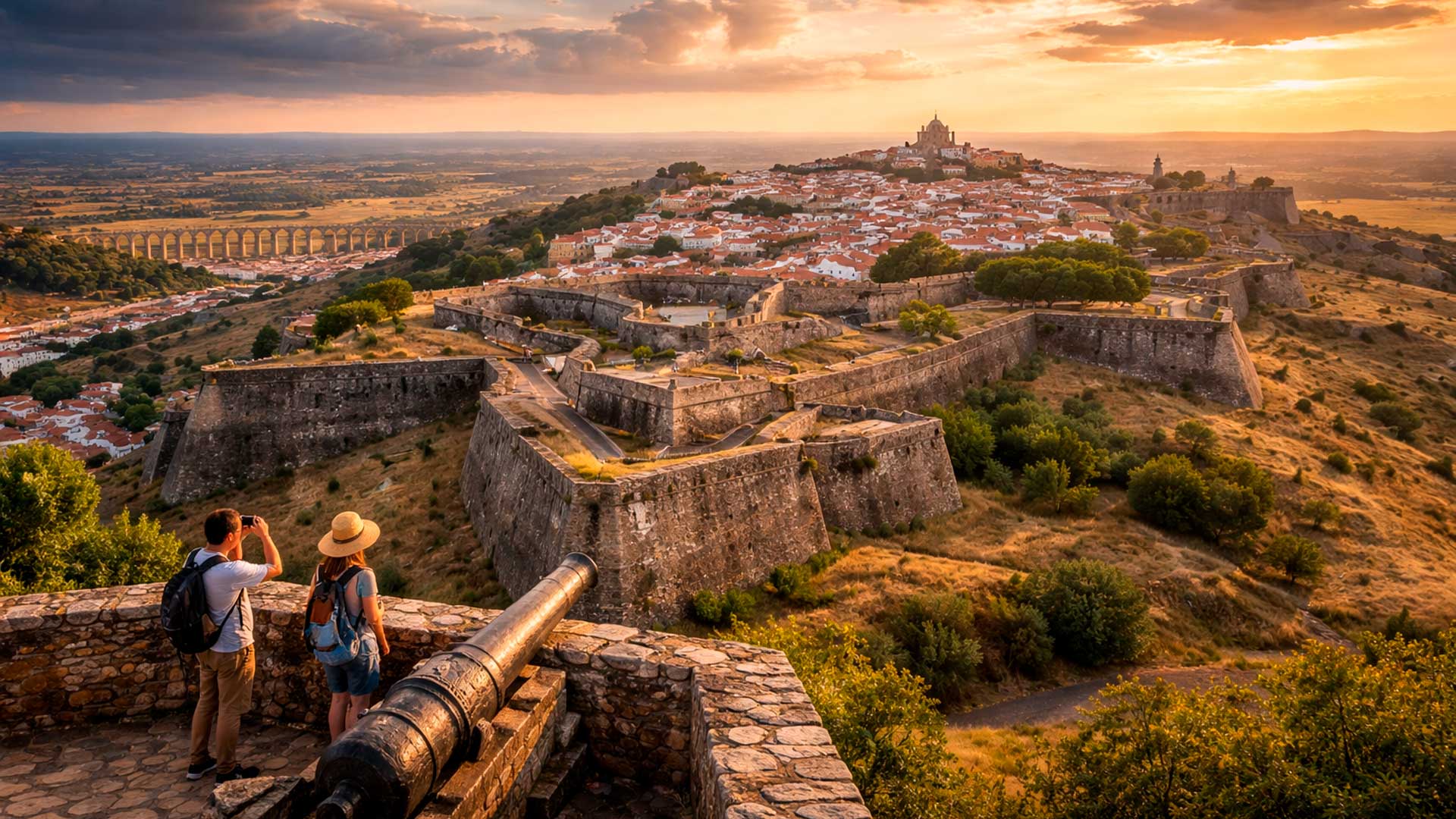
This star-shaped fortified construction, hidden near the border of Spain, may be the largest fortress on the planet.
-
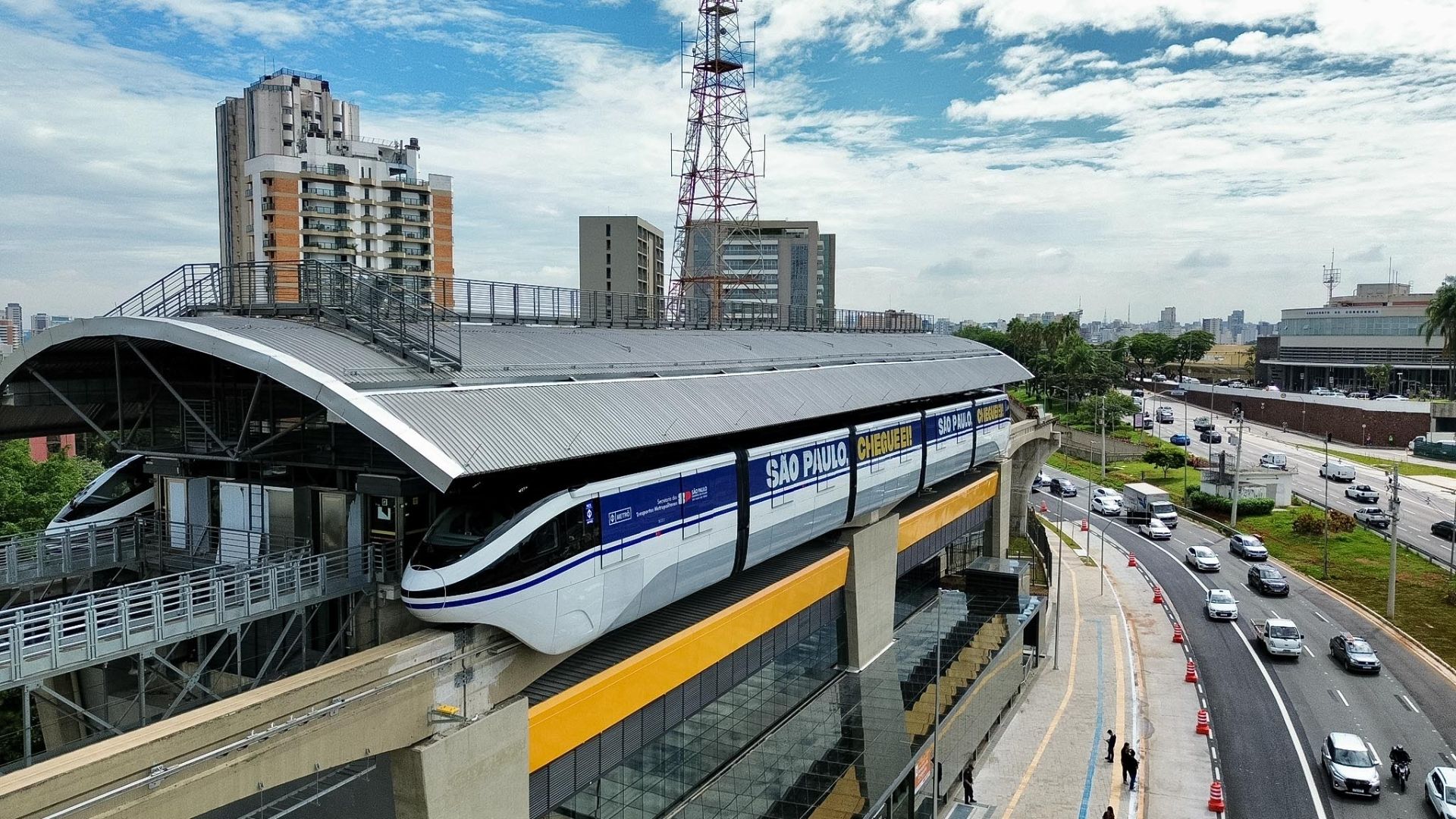
Congonhas receives the monorail promised for the 2014 World Cup after more than a decade of delays and becomes the first airport in Brazil with integrated subway.
-
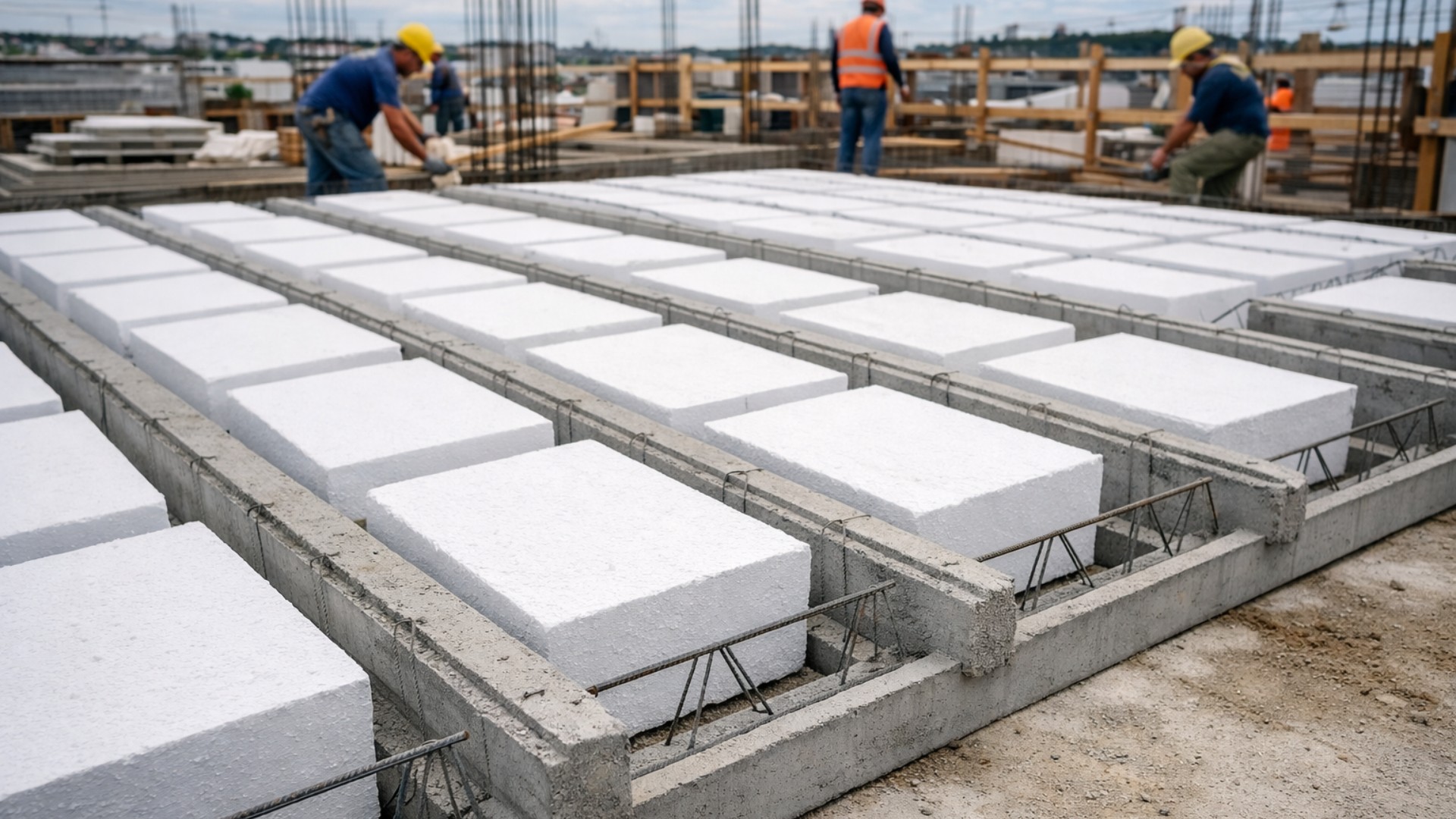
Goodbye, concrete: a new trend in civil construction reduces the weight of the structure by up to 30%, accelerates projects by up to 40%, cuts costs on steel and labor, and improves thermal insulation with EPS.
-
Russian engineers create an innovative propeller blade for aircraft that could completely change the way airplanes and helicopters operate.


What Is the Branch That Carries Water from the São Francisco to the Agreste
The project is a branch integrated into the eastern axis of the São Francisco River transposition.
Instead of being a railway or an open canal, it functions as a water diversion that takes the water already transferred to Pernambuco and directs it to the interior of the state.
The central goal is to transport raw water to the Agreste, increasing the supply in cities that rely on irregular local sources.
This branch was designed as complementary infrastructure. It does not completely replace local sources, but reinforces existing systems and creates a type of insurance against water scarcity.
By connecting to the transposition, it opens a new axis of water distribution within Pernambuco, bringing the interior closer to the large federal infrastructure and making supply less vulnerable to the rainfall calendar.
How Complex Engineering Overcomes the Agreste’s Relief
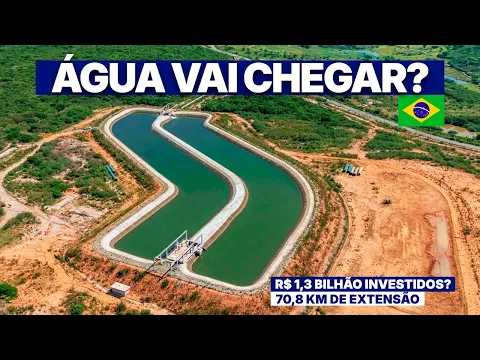

Carrying water over long distances in a region of irregular terrain is not a simple task. This is where complex engineering becomes most evident.
Instead of exposed surface channels, the system uses pressurized water conductors, which reduce losses due to evaporation and allow for fine control of pressure and flow throughout the entire route.
Along the way, the terrain’s elevation requires the installation of pumping stations at strategic points.
These stations elevate water in specific segments, ensuring that the flow remains steady even in areas with steep inclines. Without this technical design, gravity would work against the project, and part of the water simply wouldn’t reach where it is most needed.
The operation was designed to be continuous. It is not a system intended to operate only in times of crisis.
The logic is to maintain a constant flow of water, day and night, with constant monitoring of parameters such as pressure, flow, and energy consumption, solidifying the branch as a fixed pillar of regional water security.
Replanning, Contracts, and the Reality of a Large Water Project
On paper, the schedule anticipated the gradual commencement of operation of sections as the main structures of the transposition were completed. In practice, the execution demonstrated why this is a complex engineering project.
The implementation of extensive water conductors in uneven terrain required adjustments in alignment, structural reinforcements, and specific solutions at different points.
The fragmentation of the project into various lots, managed by distinct contracts, required constant compatibility of designs, schedules, and technical standards, causing delays in one section to propagate to others.
Moreover, project revisions, budget adjustments, and the need to integrate the branch with state and municipal distribution systems added extra layers of complexity. It is not enough to build the main water conductor.
It is necessary for local systems to be capable of receiving, treating, and distributing the new volume of water, which often requires complementary works in parallel.
Why Operating This System Is Not Just About Turning on the Tap
From a technical standpoint, the branch does not function like a simple device that can be turned on and off. It is a system that needs to operate continuously, with rigorous control of pressure, flow, and energy consumption throughout the entire route.
Any changes in alignment, flow, or integration with local systems require testing, commissioning, and validation before full operation.
This care is part of the very nature of complex engineering applied to large water projects. Adjustments made without this validation cycle can generate structural risks, water wastage, pump failures, or even unexpected supply interruptions.
The sum of technical, operational, and contractual challenges helps explain why progress has been slower than originally planned.
What Changes for the Cities of Pernambuco’s Agreste
As obstacles are overcome, the discussion shifts from the project itself to its effects on the daily lives of the cities. The operation of the branch directly alters the dynamics of urban supply in the interior of Pernambuco.
Systems that have always operated at the limit now benefit from a permanent reinforcement, increasing the stability of water supply and reducing exposure to long periods of drought.
This greater predictability impacts not only homes but also public services, schools, hospitals, and urban planning as a whole.
When water is no longer a factor of permanent insecurity, municipalities and companies are able to better plan investments, neighborhood expansions, and population care.
Economic Effects and More Balanced Water Management
From an economic perspective, the regularity of water supply creates a more stable environment for commerce, services, and small industries in the Agreste.
Businesses that once had to deal with the constant risk of rationing and supply failures can now operate with greater confidence, favoring income generation and job maintenance.
In agriculture, the effects are indirect, as the branch was not designed for large-scale irrigation. Still, by reducing pressure on local water sources, the project opens space for a more balanced management of available water resources.
When the water for human consumption is more secured, managers can better organize the use of local sources for productive activities, without repeating the cycle of collapse with each more severe drought.
In summary, this is a project where complex engineering is not only reflected in numbers, pumps, or water conductors. It translates into stability, planning, and the possibility of a future for a region used to living on the edge of scarcity.
And you, how do you imagine that a complex engineering project like this can change the lives of those who have always had to count every drop of water in the Pernambuco Agreste?






Olá só queria saber porque não leva água para a cidade de inaja Pernambuco o canal que fica uns 30 km da cidade e pelo que sei é de decida não precisa de bombeamento.
Só quem viveu nesta região tem realmente a sensibilidade de fazer uma obra desse porte.