





 Portuguese
  English
  Spanish
  3 min of reading


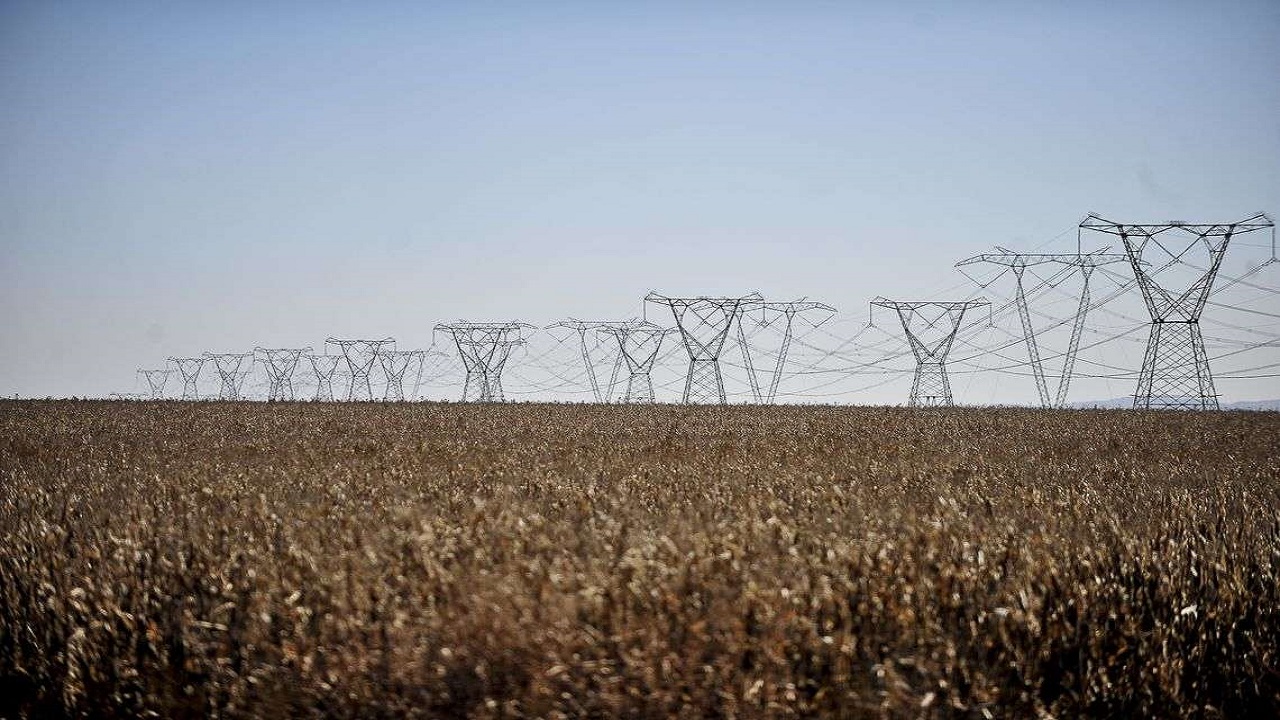
Due To The Return Of The Rains, The Federal Government Sent A New Request To ONS For 20 Thermoelectric Plants To Be Shut Down, Resulting In Lower Electricity Bills And Contributing To The Budget Of The Brazilian People
With the return of the rains and the rising reservoir levels, the Federal Government is shutting down thermoelectric plants, which produce more expensive and polluting energy than hydropower plants. A survey conducted by the National Electric System Operator (ONS) states that more than 20 thermoelectric plants have already been shut down, representing 15% of Brazil’s installed capacity. The aim is to reduce electricity costs. Over the course of a year up to September, the electricity bill for Brazilian consumers increased by almost 32% according to IBGE.
Also Read
Federal Government Will Reduce Thermoelectric Plant Production
Another measure to be announced soon is a loan for energy distributors to absorb the expected rate hikes on electricity bills for the next year.
The loan will be coordinated by the National Bank for Economic and Social Development (BNDES) and other private sector banks, as was done during the most critical phase of the Covid-19 pandemic, for example.
-
Inflation in March reaches 0.88% according to IBGE and pressures the Brazilian economy, impacting family budgets and requiring more strategic decisions to maintain financial control.

-
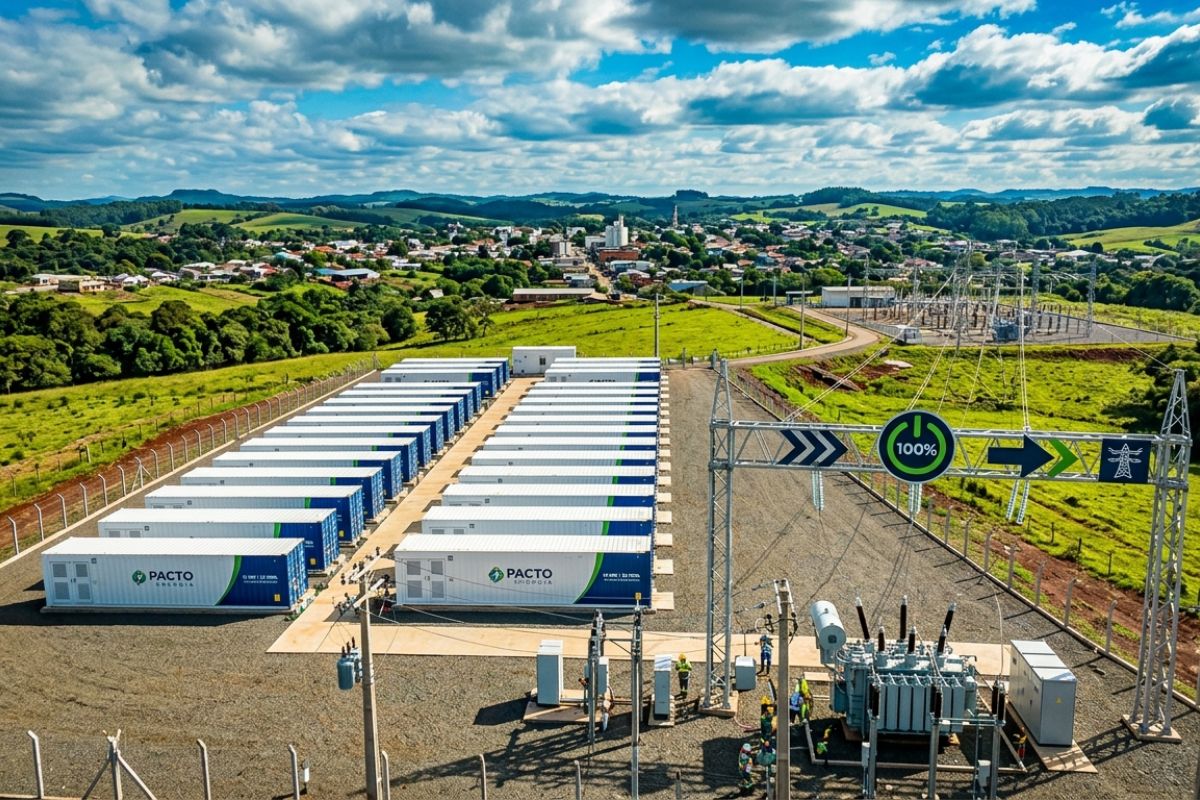
In Paraná, distributor Pacto connects 100% of the load in Coronel Vivida to batteries: a BES of 10 MW and 20 MWh costs just over R$ 30 million and lowers the local tariff now.
-
With a dependence of up to 80% on gas imported from the United States, Mexico is responding with a robust energy strategy, betting on shale gas, creating a scientific committee, and preparing to expand natural gas production to reduce vulnerability and strengthen its energy security in the coming years.

-
The United States proposes to Brazil a critical minerals agreement with a minimum price to combat Chinese dumping and priority for investment, but the Planalto is blocking the signing out of fear of upsetting China and due to electoral calculations in a year of competition.

According to Adriano Pires, director of the Brazilian Infrastructure Center, the Federal Government needs to carefully reduce thermal energy production so that other reservoirs do not decrease during the rainy season, risking a power shortage next year.
The director stated that the Federal Government cannot repeat the same mistakes made last year. Thermoelectric plants represent 13% of the country’s electric power generation capacity, a percentage well below the 63% of hydropower plants.
Electric Power Load Will Rise By 0.9% This Month
The ONS also sees an increase in the electric power load this month and projects that the national electric power load should rise by 0.9% by the end of this month, reaching 70,672 MW on average. In November, the forecast was a decrease of 0.5%.
The company estimates that the reservoirs of hydropower plants in the Southeast and Central-West regions should reach 25.7% of their capacity by the end of this month. This level represents a decline from the previous estimate, which was 26.1%.
Rainfall in the Southeast and Central-West regions, according to ONS estimates, is expected to reach 97% of the historical average for this month, which was 99% last month. In the Northeast, rainfall is estimated at 77%, down from 86%. In the South, ONS forecasts rainfall at 41%, down from 55%.
New Plants Will Arrive In The Country And May Influence Electricity Bills
The technology group Wärtsilä will supply the Federal Government with three thermoelectric plants powered by natural gas, totaling 150 MW. The plants will be delivered by the group on an accelerated schedule, and they are expected to come online in the second quarter of 2022.
The energy generated by the thermoelectric plants will be directed to Brazil’s interconnected grid to ensure the system remains reliable and stable during periods of drought and low reservoir levels.










Seja o primeiro a reagir!