





 Portuguese
  English
  Spanish
  2 min of reading


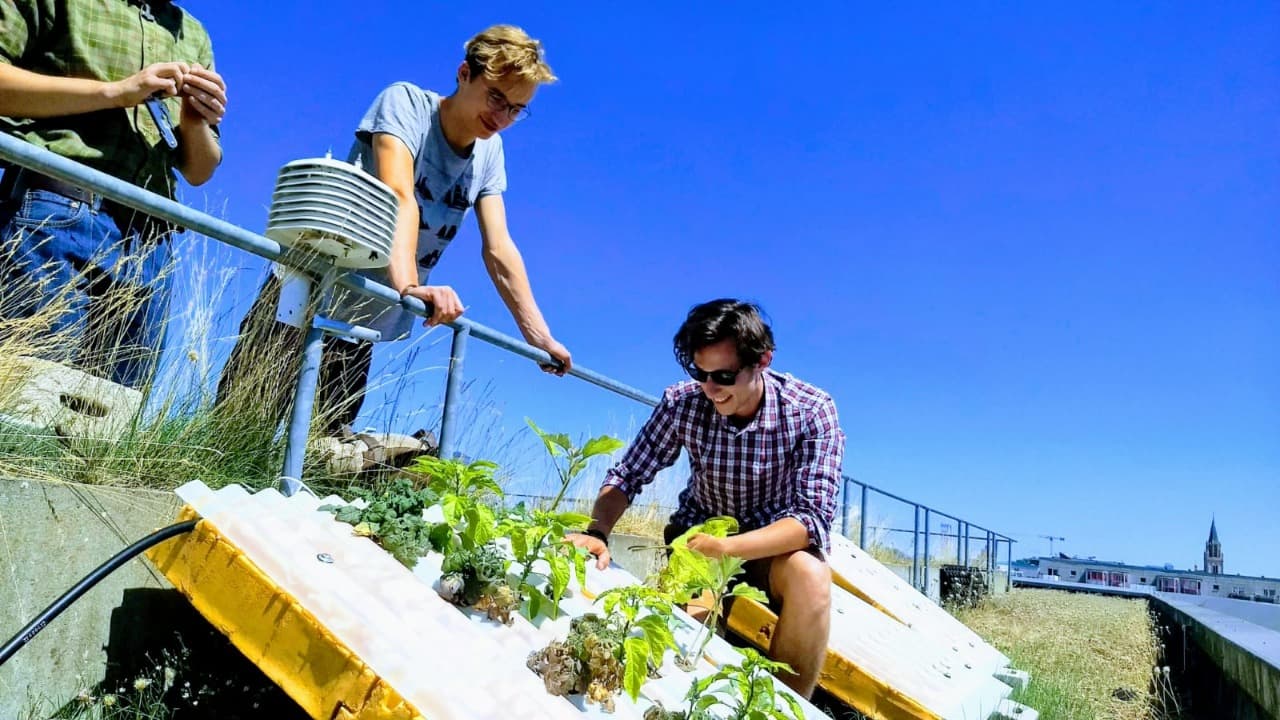
The Engineer Sérgio Rocha Created Brazil’s First Sustainable Hydroponic Tile
A sustainable tile where you can plant many things, and agronomist Sérgio Rocha wants to plant whatever fits in the tile, literally. So much so that he created the first hydroponic tile, known to date, to cultivate various types of plants such as vegetables, grains, and greens.
Read Also
The Process of Creating the Sustainable and Hydroponic Tile – Kaatop
The idea for the sustainable and hydroponic tile arose after observing that several of his clients wanted to install gardens on clay or fiber cement tiles. However, these materials have characteristics that prevent them from bearing permanent loading.
Since 2008, agronomist and ecologist Fabiana Scarda have been working on research and development of technologies for green roofs and suspended gardens through the Instituto Cidade Jardim. From a small problem, the idea for the Kaatop hydroponic tile emerged.
-
Created by George Lucas with over $1 billion, a futuristic museum in the shape of a spaceship with 1,500 curved panels is about to open in Los Angeles and will house one of the largest private collections of narrative art in the world.

-
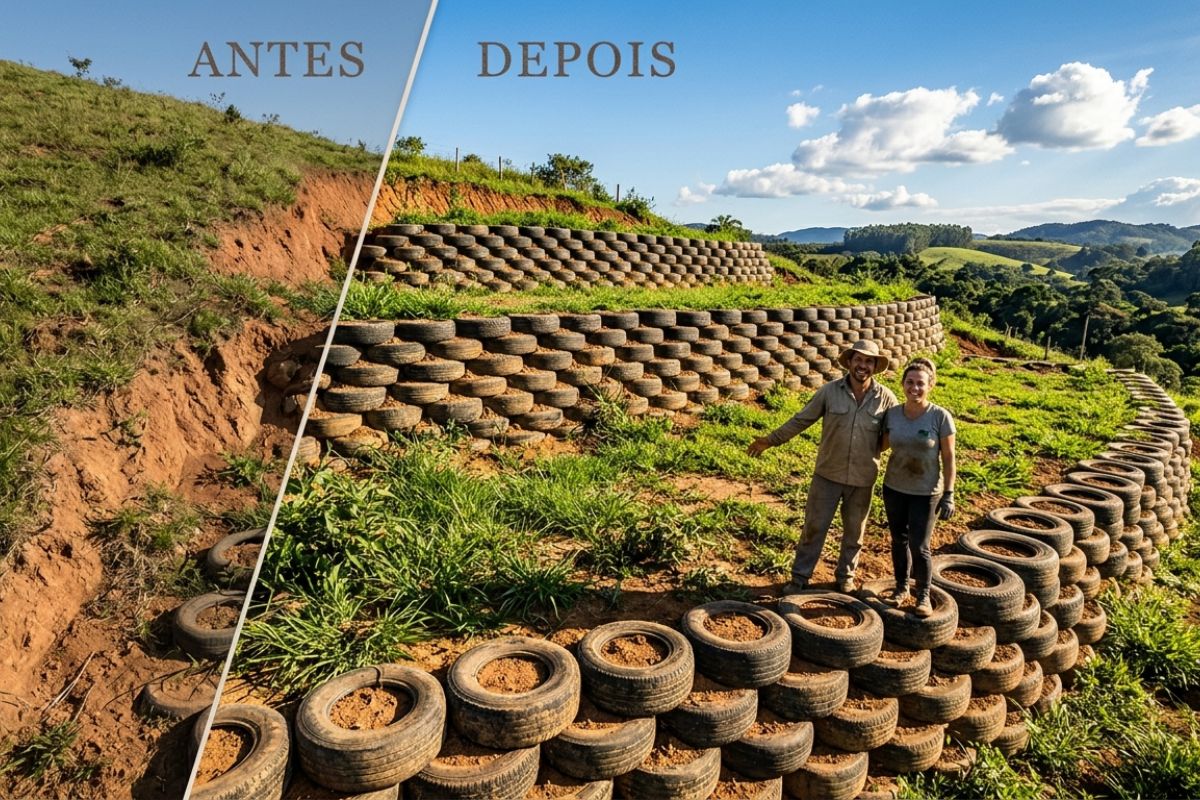
Couple shows how they built a retaining wall on their property using 400 old tires: sloped land turned into plateaus, tires are aligned, filled, and compacted with layers of soil, with grass helping in support and at almost zero cost.
-
Engineer explains drainage during the rainy season: the difference between surface water and deep water, ditches, gutters, and water outlets on the road, as well as drains and drainage mattresses, to prevent erosion, aquaplaning, and flooding at the construction site today.

-
With 55 floors, 177 meters in height, a 15-meter walkway between the twin towers, ventilated facade, and 6,300 m² of leisure space, Ápice Towers already has one tower completed and another nearly at the top.


Remote Monitoring
To facilitate the control of plantings, Kaatop features remote and automated monitoring, allowing for the check of humidity, fertilization levels, water consumption, temperature, and pH. The proposal is to use the tiles for various types of planting, ranging from tomatoes to beans, taking advantage of the versatility offered by the hydroponic cultivation system.
Each square meter could cultivate up to 20 seedlings, and tests conducted in Italy indicated that an area of seven square meters would be sufficient to meet the daily vegetable needs of one person.
“We want to expand the possibilities of urban agriculture. We are thinking about large crops and large-scale carbohydrate production, productively occupying those empty spaces within the city,” he enthuses. He emphasizes that since the cultivation system is hydroponic, the possibilities are endless.










Seja o primeiro a reagir!