Portuguese
  Spanish


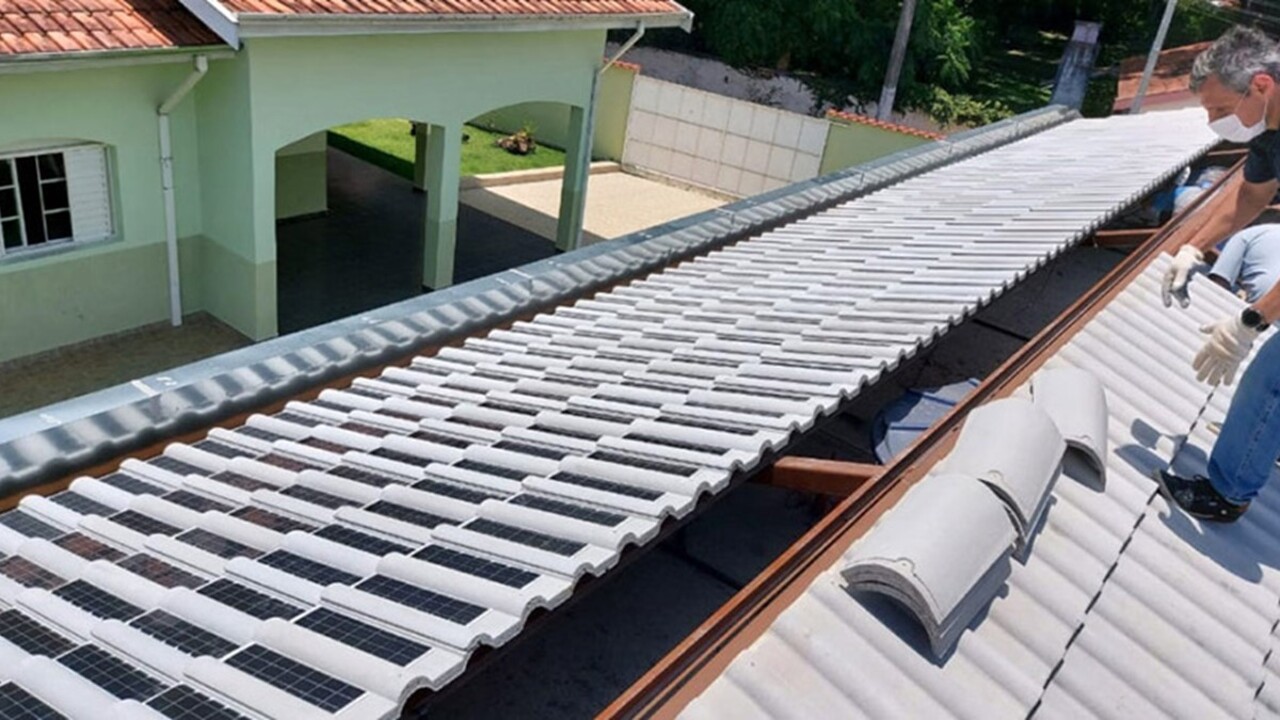

New Renewable Project by Eternit Involves New Solar Tiles and Their Mass Production
Eternit is preparing for a major turnaround after selling asbestos tiles for nearly 80 years, heavily investing in its solar tile project for the Brazilian renewable market. After receiving certification from Inmetro for solar tiles, Eternit completed, in just the first two months of this year, four more installations of the equipment in addition to the two projects completed in 2020.
Read Also
New Solar Energy Projects
The new photovoltaic renewable energy projects were installed in the states of São Paulo, Rio de Janeiro, and the city of Cambé in Paraná. The smallest one, in Ourinhos, used only 72 solar tiles in the installation but projected a monthly savings of R$ 50 on the electricity bill, with a capacity of 70 kWh per month.
Each solar tile produced by Eternit measures 36.4 cm by 47.5 cm and has a power output of 9.16 watts, indicating an average monthly production capacity of 1.15 kilowatt-hours. Thus, the largest renewable project by Eternit, located in Marília with 560 solar tiles, shows a production capacity of 550 kWh/month, enough for a deduction of R$ 390 from the bill.
-
Fired during apartheid and with a little borrowed money, an electrician started with a borrowed truck and transformed electrical services into a group connected to energy, real estate, and infrastructure in South Africa.

-
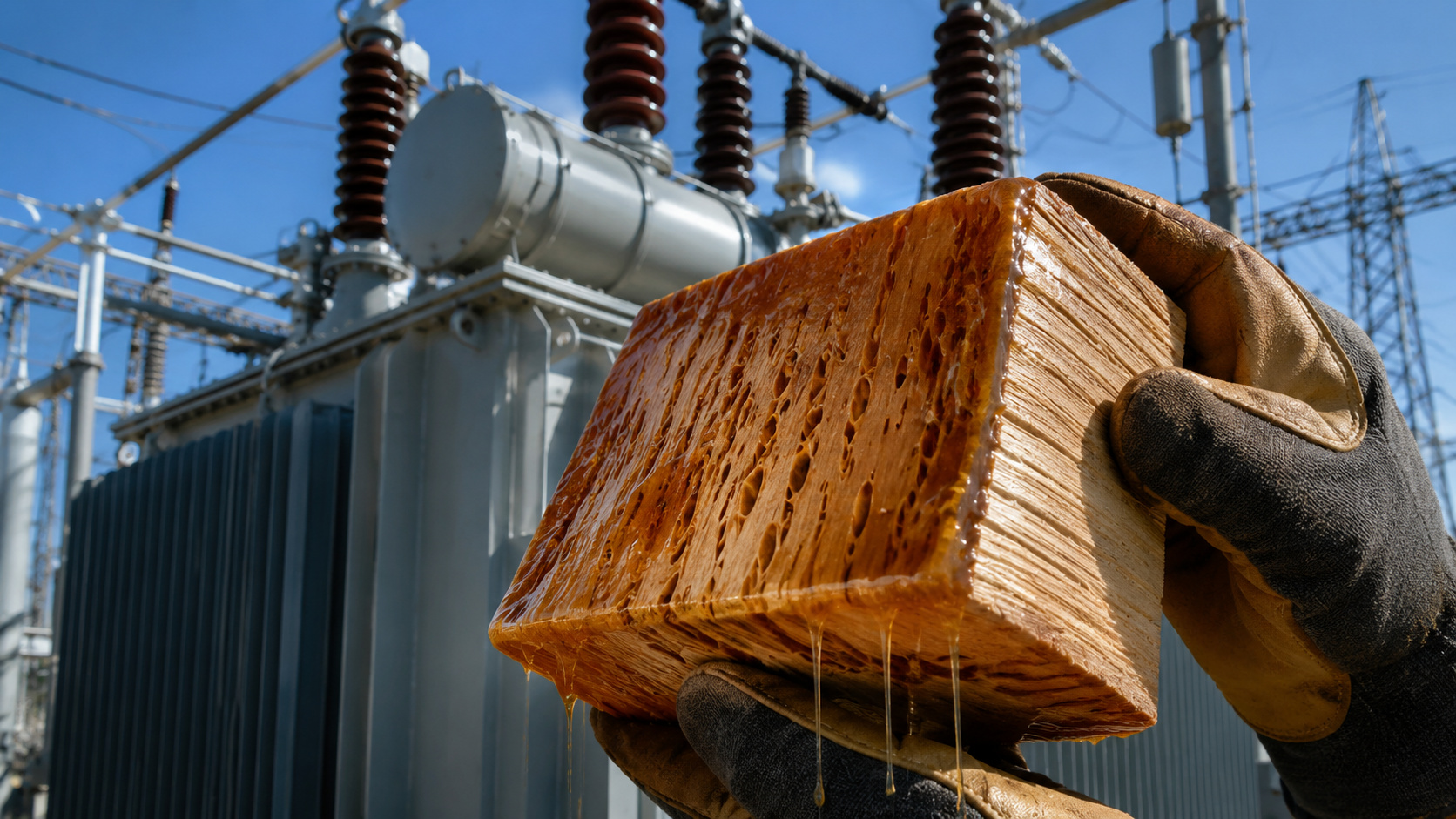
Wood has ceased to be just a construction material in Yale research and has become insulation for electrical transformers that face intense heat, aging, and increasing pressure from the renewable energy-powered grid.
-
More than 1,000 residents of a remote island in Kiribati now have clean water and electricity with solar systems operated by the community itself.
-
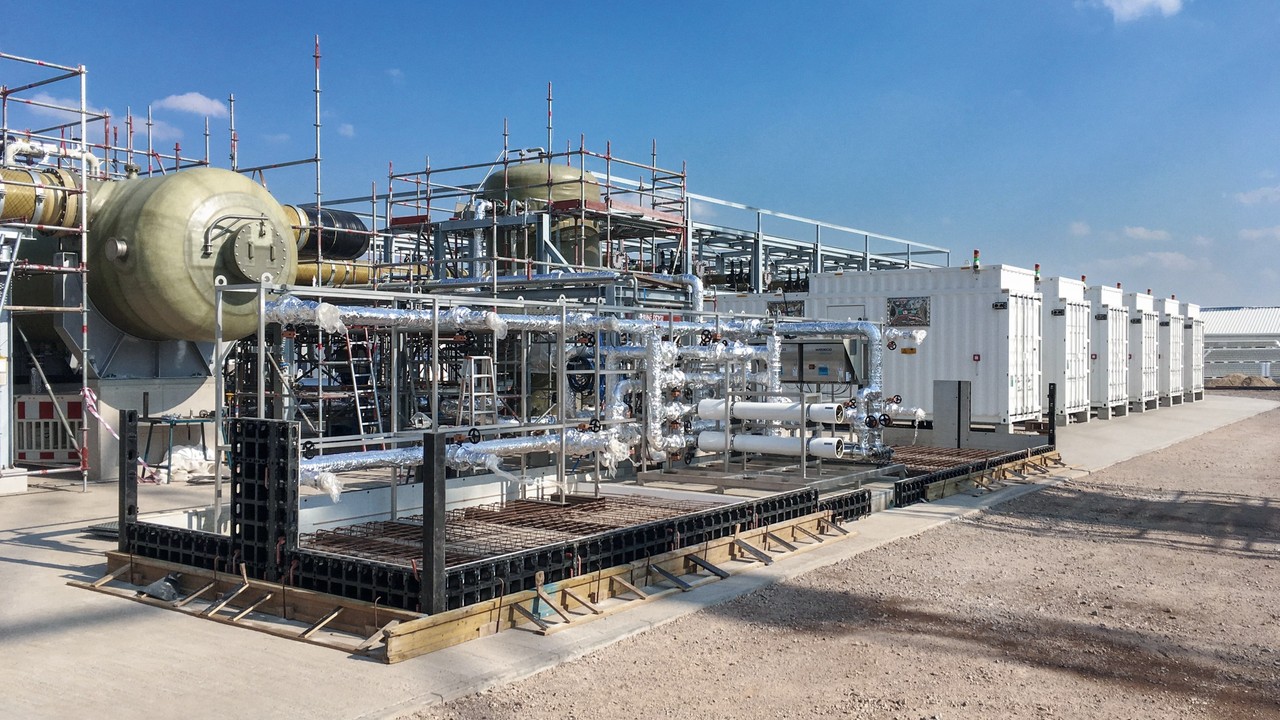
Ceará brings together 7 giants and R$ 66 billion to transform Pecém into the largest green hydrogen hub in Brazil, with final decisions expected by the end of 2026.



Solar Tiles Could Cover Eternit’s Investment in Up to 5 Years
According to Eternit, the solar tiles could cover their renewable investment in three to five years and are about 20% cheaper than a conventional solar system. To achieve this, around 150 solar tiles are needed in a small residence and at least 600 units in high-end homes.
Speaking on the podcast “ESG from A to Z” by Exame magazine, the president of Eternit Group, Luís Augusto Barbosa, ensured that he is “successfully following the steps of the development plan.” According to him, the production line is already running at Tégula Solar’s factory in Atibaia, São Paulo, to serve pilot projects for selected clients and will reach the market in the second half of the year.
About Eternit
Eternit, a market leader in the roofing sector, operates in the building systems segment. Additionally, the company combines the expertise and quality of other companies, forming a united group.
The publicly traded company has shares on Brazil’s official stock exchange, traded in the renewable Novo Mercado, and maintains the highest corporate governance practices.
The company aims to be a diversified and profitable entity in supplying products and solutions for the construction industry. It seeks to maintain its leadership in the roofing sector and have a relevant presence in other segments, positioned among the five most recognized brands in the construction materials sector.