





 Portuguese
  English
  Spanish
 3 min of reading


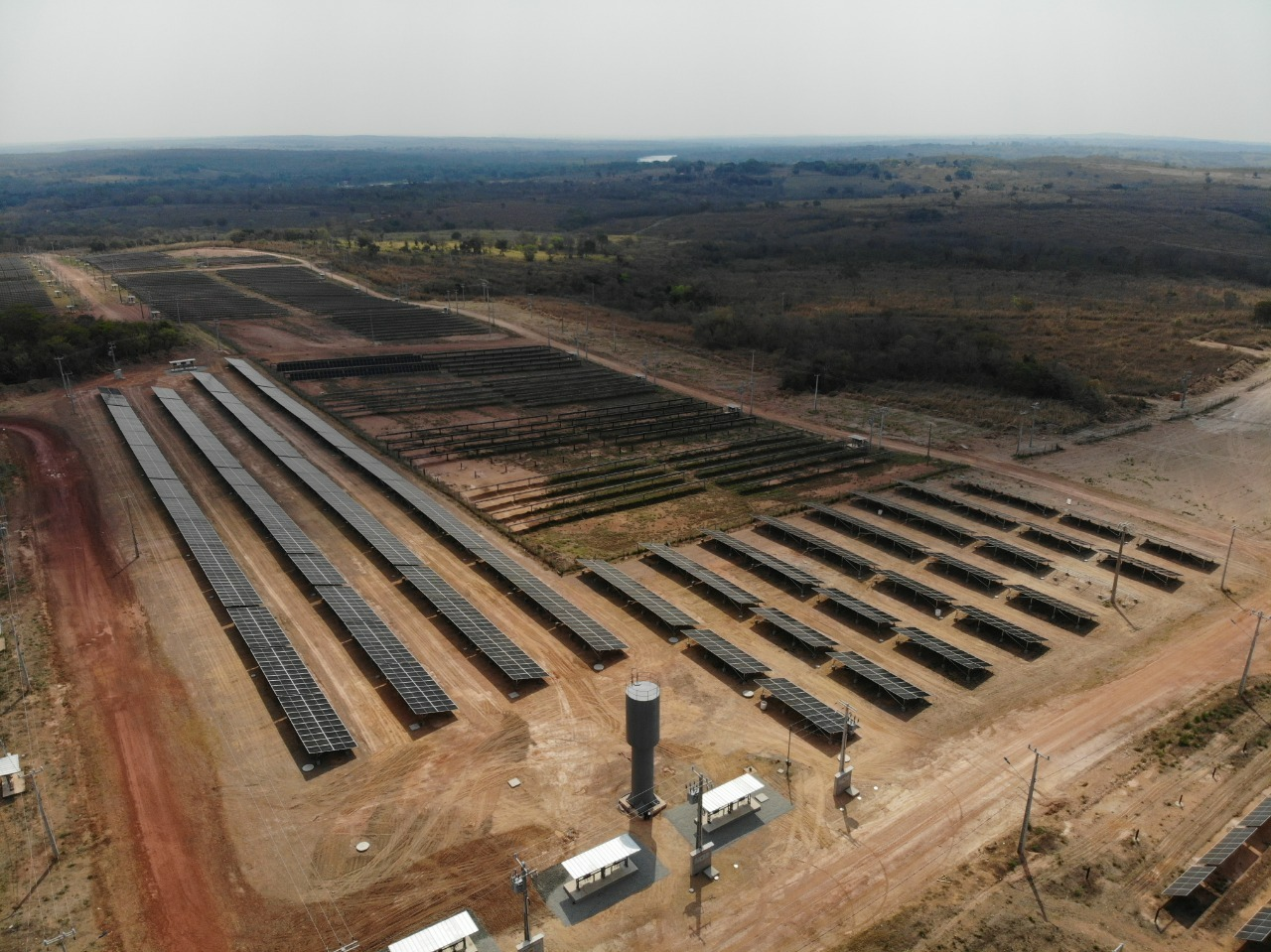
Aegea and Brasol Are Inaugurating Distributed Generation Solar Plants. The New Venture for the Brazilian Solar Energy Market Will Generate 177 MW Together.
After announcing the delivery of four solar power plants in April this year in Mato Grosso and Cuiabá, Aegea and Brasol are activating four more recently connected units within the Oeste Solar Park, which spans an area of 13.5 thousand km². The estimated power generation volume is 177 MW per month.
Companies Opt for Renewable Sources to Protect Against Rising Costs
The use of solar energy by Aegea is part of the company’s commitment to placing sustainability and ESG pillars at the center of its decisions. The group uses natural resources more efficiently in its concessions, prioritizing a renewable energy matrix combined with increased energy efficiency and consumption reduction targets.
This trend has been expanding among companies that opt for clean energy sources such as solar energy.
-
A Canadian retiree creates a hydroelectric system on a real river, generating energy continuously throughout the day and demonstrating how the power of water can supply a house with stability even in a simple structure.

-
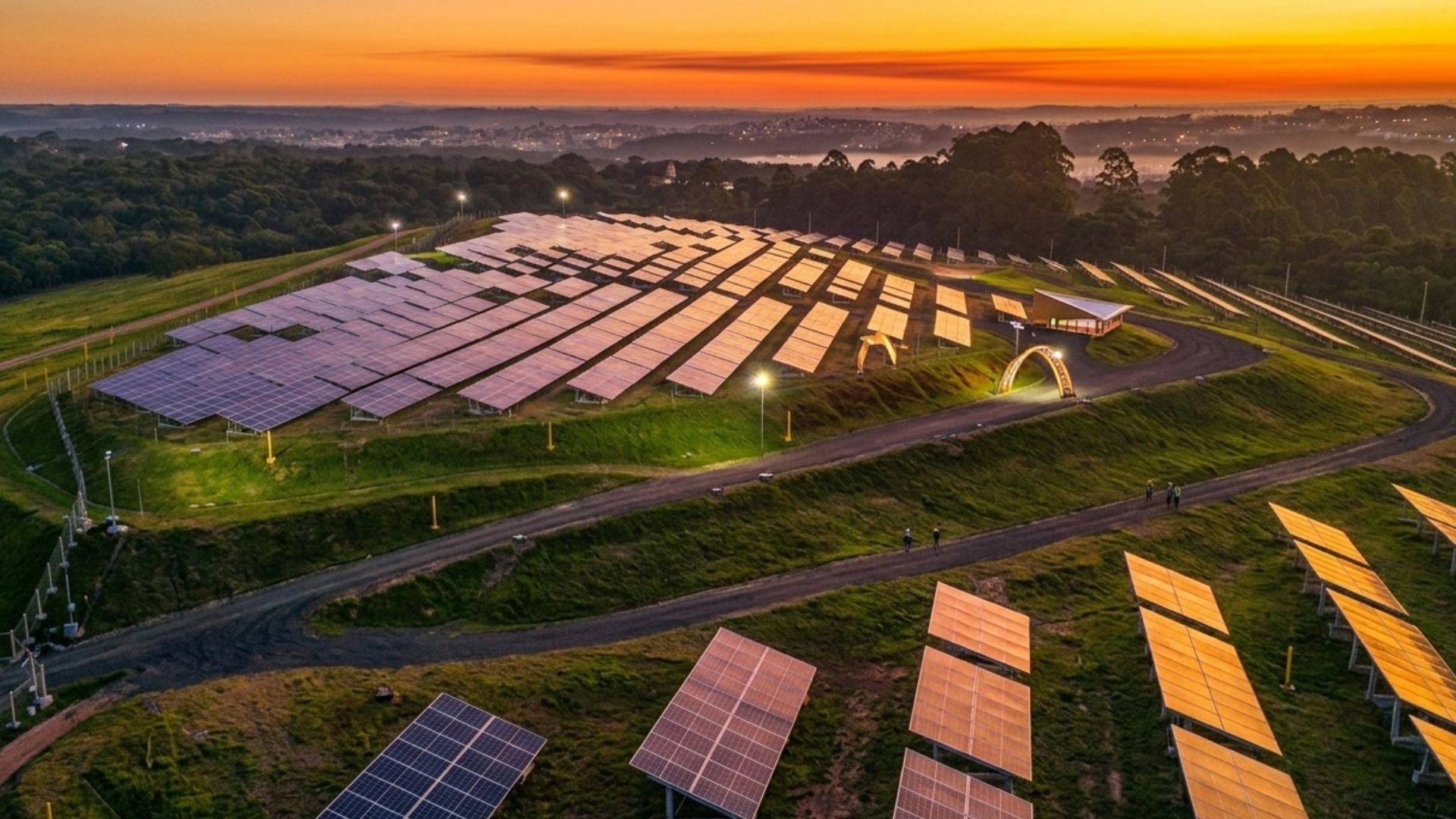
Solar Pyramid draws attention by converting solar energy into million-dollar savings and repositioning the City Hall of Curitiba as an example of innovation, sustainability, and intelligent use of public resources.
-
Petrobras reaffirms its commitment to the market and ensures that it will carry out the energy transition safely to maintain national sovereignty.

-
Researchers discover a possible hydrogen deposit of up to 46 million tons beneath an ancient coal basin, and the volume could exceed half of the entire global production.


According to the Director of Investments at Siemens Financial Services and advisor to Brasol in Brazil, David Taff, his company has a differentiated proposal in the distributed generation market as a financial product. In this remote self-consumption model, solar energy is made available to the customer at a lower cost.
The Solar Plant Covers 200 Hectares
The partnership between Aegea and Brasol is within the structure DEGREE from Siemens, an acronym in English for Decarbonization, Governance, Ethics, Equity and Employability, and Resource Efficiency. Under this direction, Brasol seeks to consolidate its commitment to supporting societal transformation through technology.
The distributed generation lot of the solar plant is located at km 9 of Estrada da Guia in Cuiabá and covers 200 hectares.
With the delivery of these solar plants and more units in Rio de Janeiro and Amazonas, the companies are exploring other partnerships, including applying monitoring systems from Siemens Smart Infrastructure to generate greater efficiency in all Aegea’s operations.
Brasol and Aegea Sign EaaS Agreement
Brasol and Aegea signed a contract under the EaaS model in August of last year, where Brasol committed to invest all of its capital, ensuring savings on energy costs.
Currently, Brasol plans to use the EaaS business model for various Siemens projects, in addition to generating essential savings and other benefits for large commercial and industrial energy consumers.
According to the Founder and CEO of Brasol, Ty Eldridge, the company is interested in helping Aegea and all its clients find savings and efficiency in their portfolios, using data to create energy intelligence.
Solar Taxation Is Attracting New Consumers Seeking to Escape Solar Energy Tax; High Demand Causing Shortages in China, Which Is Expected to Increase Its Equipment Production
With less than 3 months until the end of the exemption period for the solar energy tax, the sector has seen a significant increase in the validation and installation of solar projects. The Legal Framework for Distributed Generation, sanctioned earlier this year and known as ‘solar tax’, brings new rules for self-generation of energy, such as in the case of solar.
According to the text, those who install a system by January 6 of next year will be exempt from the solar energy tax for the next 23 years.
With about 80% of components imported, the crisis had a significant impact on the import of items at the end of last year.
According to the founder of NeoSolar, Raphael Pintão, the investment will depend on the household’s consumption pattern. For example, a residence with a consumption of approximately 500 kWh/month, which would result in a light bill of R$ 400 per month, would need to invest around R$ 20,000 to have the system installed and approved on the roof. Considering the monthly expense with the light bill, the investment would be covered in 4 years.









Seja o primeiro a reagir!