Portuguese
  Spanish


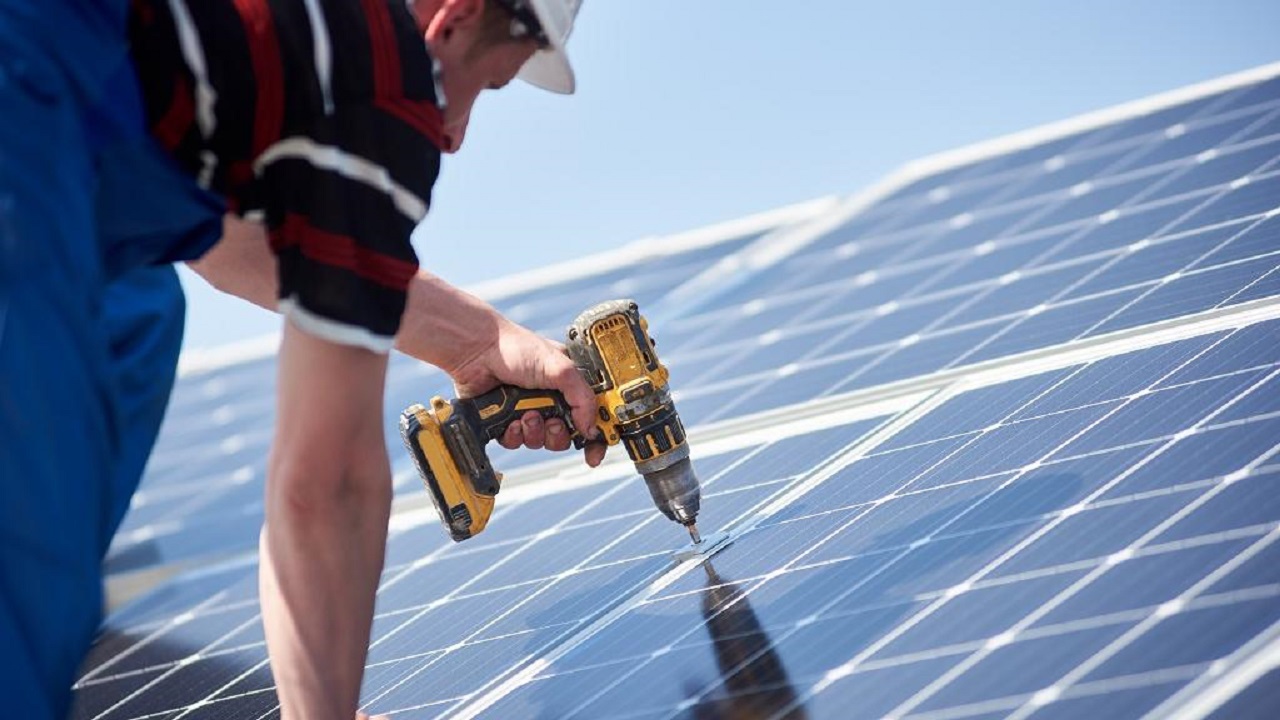

The Taxation of Sunlight Is Attracting New Consumers Looking to Escape the Solar Energy Tax; High Demand Creates Shortages in China, Which Must Increase Its Production of Equipment.
With less than 3 months until the end of the tax exemption deadline for the solar energy tax, the sector has seen a significant increase in the validation and installation of solar projects. The Legal Framework for Distributed Generation, enacted at the beginning of the year and known as the ‘taxation of sunlight’, introduces new rules for self-generation of energy, such as in the case of solar. According to the text, those who install a system by January 6 of next year will be exempt from the solar energy tax for the next 23 years.
Companies Notice Increase in Demand for Solar Energy Panel Installation Due to the Taxation of Sunlight
Companies operating in the sector have noticed an increase in consumer demand for systems, both to ensure exemption from the solar energy tax and to reduce energy costs in their budgets.
With about 80% of the components imported, the crisis significantly impacted the importation of items at the end of last year. According to the founder of NeoSolar, Raphael Pintão, the investment will depend on the household’s consumption pattern.
-
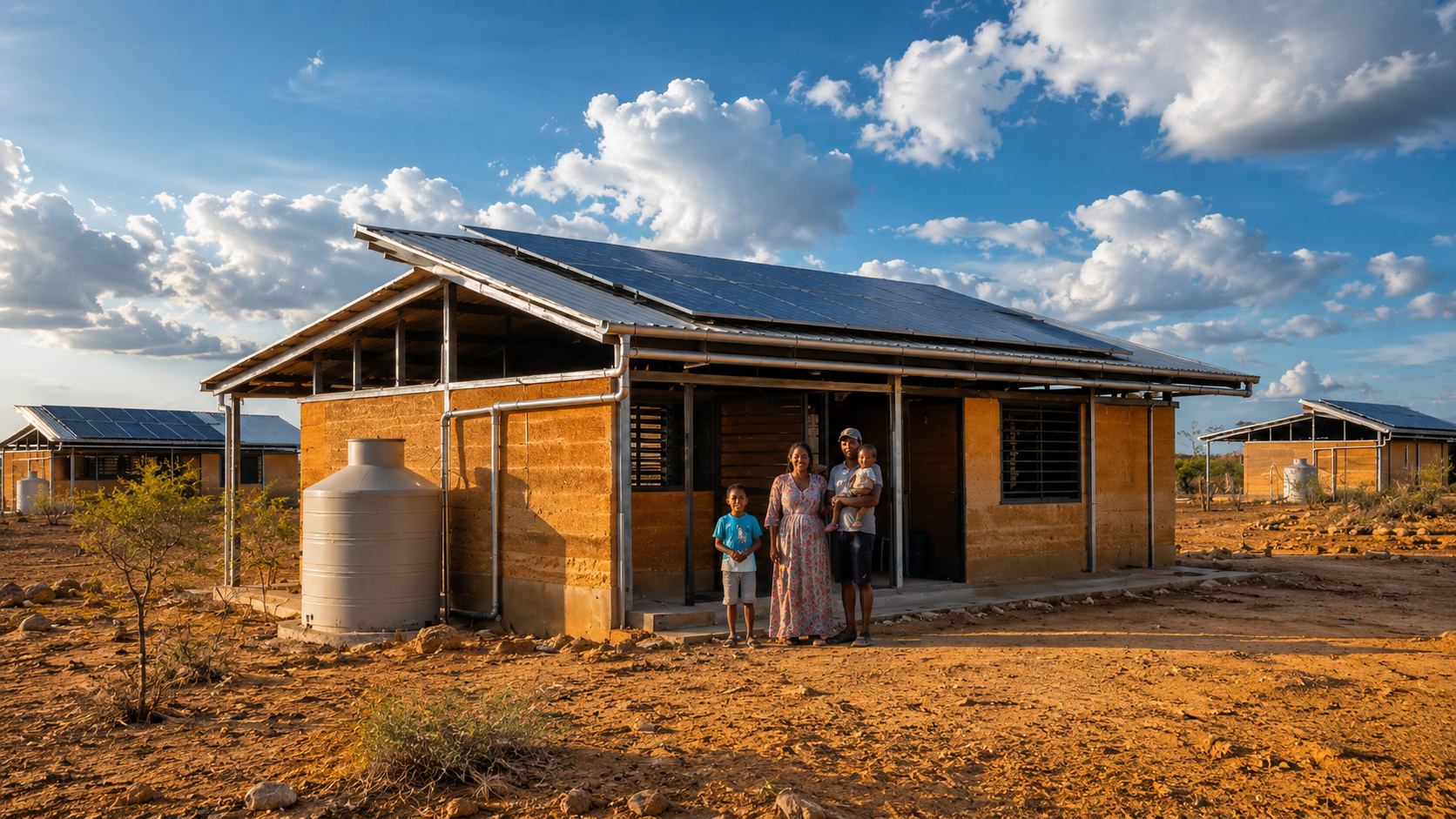
In Colombia’s desert, 30 families receive 80 m² homes with solar panels, waterless toilets, and rainwater collection systems amid water and energy shortages.

-
Solar Energy Booms in Brazil: Over $60 Billion Invested, 68.8 GW Capacity, 2 Million Jobs Created, Now Second in National Power Grid
-
Engie Secures 10-Year Use of 625 MWh in Batteries to Store Excess Solar and Wind Energy in Spain by 2028
-
Giant Batteries Take Center Stage in Chile Auction as Company Offers 960 GWh of Solar Energy for Nighttime Use, Aiming to Stabilize Solar Power Supply


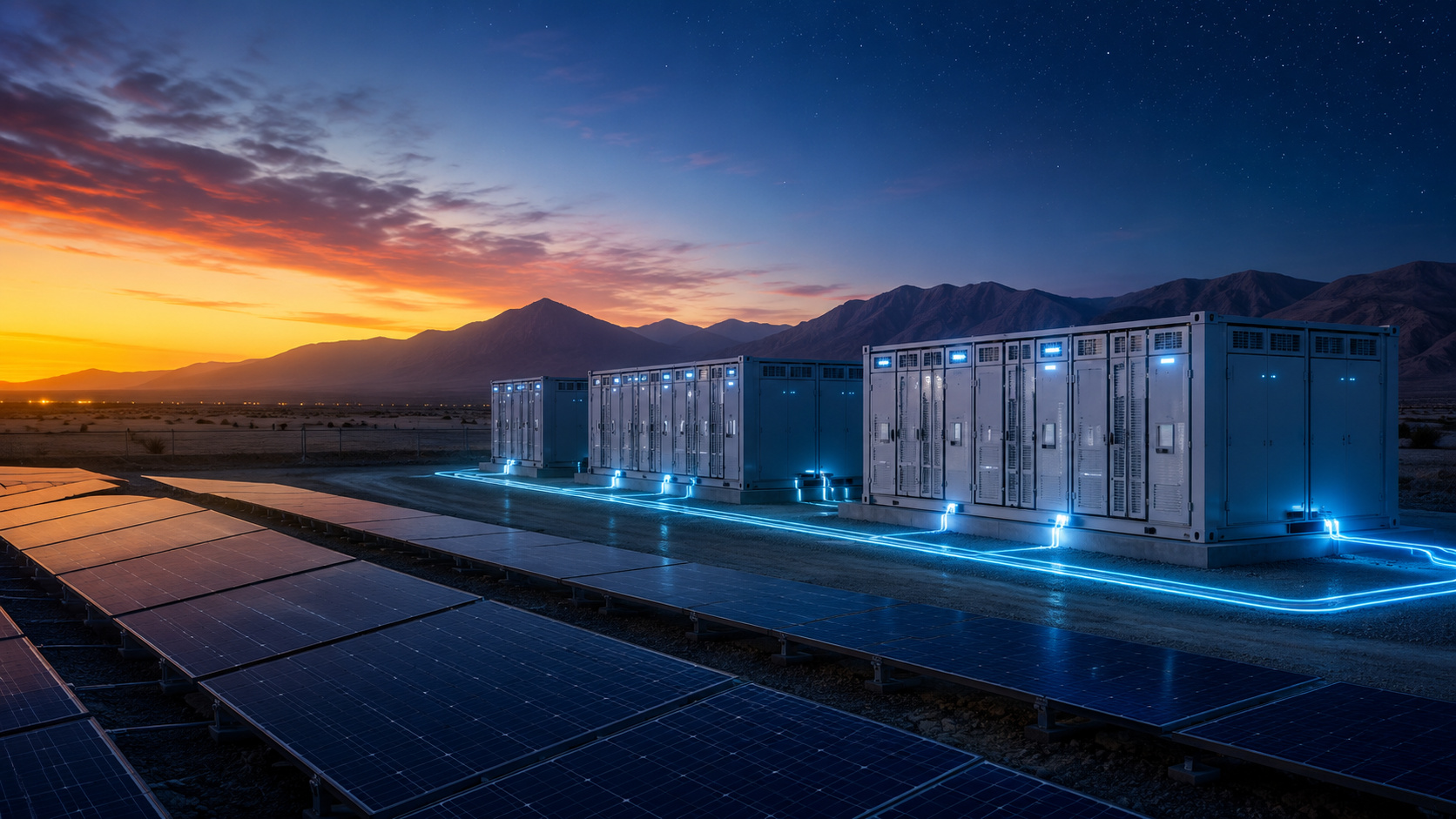
For example, a household with an expenditure of approximately 500 kWh per month, which would result in a monthly electricity bill of R$ 400, would need to invest around R$ 20,000 to have the system installed and approved on the roof. Considering the monthly expense with the electricity bill, the investment will be recovered in 4 years.
Logistical Issues Impact the Import of Solar Equipment
The importation of solar panels has been affected by the lack of supply in China and also by problems at the ports.
Part of this problem is due to the increase in demand to escape the solar energy tax, while the other part is related to the lack of production in China and logistics.
The good news for those who wish to install a solar energy system before the popular ‘taxation of sunlight’ is that there are more than 70 lines of credit available in the market for this purpose. On average, the return on investment takes about 5 years. The cost of the water crisis last year would have been much higher had it not been for self-generation of energy.
Learn More About the Taxation of the Sun
The legal framework for distributed generation strengthens the possibility for consumers to offset the electricity they generate on their electricity bills through micro or mini distributed generation systems. With this, Brazil consolidates and enhances this market to a more strategic position in its national policy.
Under the new law, consumers who generate their own energy will undergo a change that will allow them to pay a fee for the distribution of that energy. This fee is called TUSD Fio B or Distribution System Use Fee.