Portuguese
 Spanish


After restoring land damaged by the 2023 and 2024 floods, Intecnial opened a R$5 million shipyard in Triunfo, Rio Grande do Sul, with plans to build ships up to 120 meters long and create up to 400 direct and indirect jobs.
With approximately R$5 million in its own funds, Intecnial opened a shipyard on November 18 in Barreto, a locality in Triunfo, Rio Grande do Sul. The facility occupies land affected by the 2023 and 2024 floods.
According to statements by Airton José Folador, Intecnial’s managing director, restoring the ground required more than 600 truckloads of stone. The shipyard was designed to build vessels from 100 to 120 meters long and will be able to build two at the same time.
Floods forced the company to restore the site
Construction began in 2025. Before installing the industrial structures, the company removed some of the soil, sand and debris deposited by the floodwaters. It then used stone to rebuild and compact the ground.
-
MSC World Asia, a 333-meter, 2,614-cabin LNG cruise ship, will be delivered in Saint-Nazaire on Nov. 25, christened in Le Havre on Nov. 28 and debut in Barcelona on Dec. 4

-
Carnival orders two LNG-powered cruise ships from Fincantieri, each with about 130,000 gross tons and 1,650 cabins, in a $2.2 billion deal, with deliveries from the Marghera shipyard in 2033 and 2035
-
2007 Intermarine 60 with twin 800-hp Volvo engines listed for R$3.9 million among 21 Kadu Marine boats at Náutica used-boat show, priced from R$280,000 to R$8 million
-
Brazilian Navy sailor earns R$2,103 in 2026 after specialization, training and reenlistment, while recruits start at R$1,177 and reenlisted corporals earn R$2,869 under Law 15,167



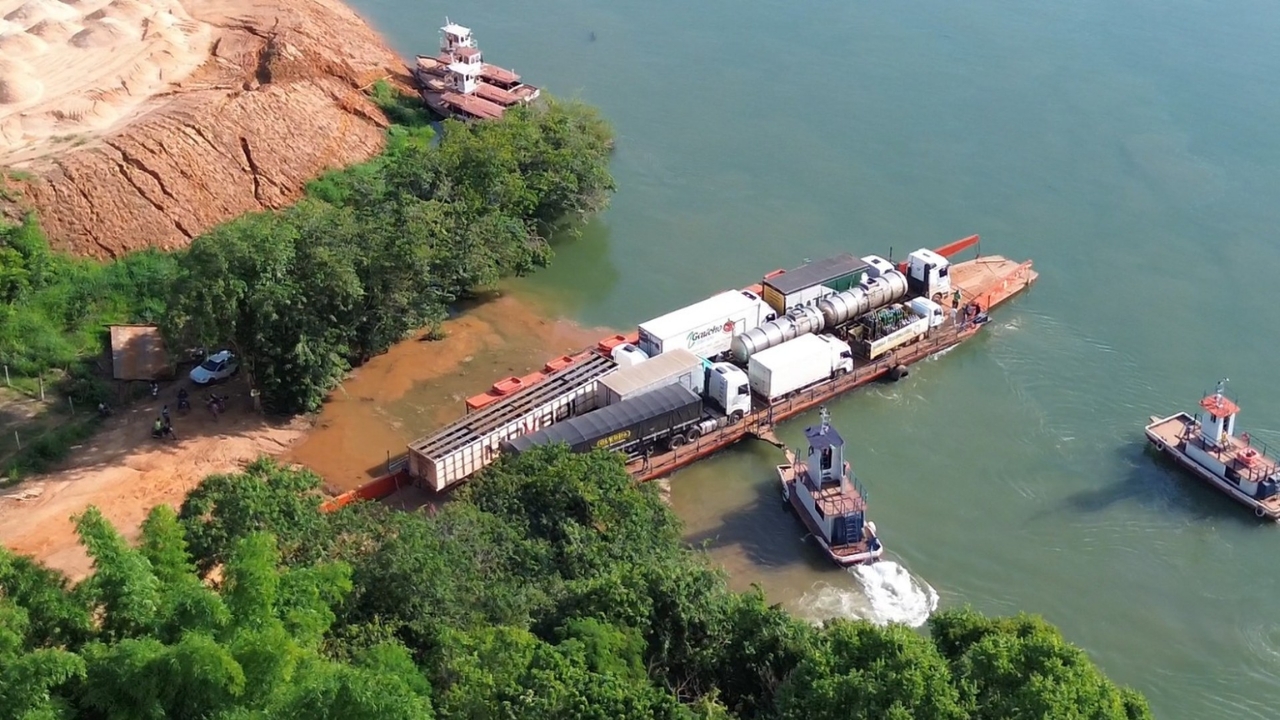
A firm, level surface is important for assembling hulls, moving heavy equipment and handling steel plates. In shipbuilding, preparing the site comes before manufacturing and integrating the vessel’s components.
The scale of the flooding in the region is reflected in records from the National Water and Basic Sanitation Agency (ANA). In May 2024, the Taquari River rose above 33 meters at the monitoring station in Lajeado and Estrela, surpassing the flood level recorded the previous September.
Shipyard could create 400 jobs in the region
The initial investment is part of a plan to gradually expand production. Intecnial’s leadership expects to start operations with 30 to 50 workers and double that workforce in about a year.
The company expects the facility to support up to 100 direct jobs and 300 indirect jobs during its first few years of operation. Expansion will depend on the pace of orders and supplier activity.
In addition to building hulls, shipbuilding requires metal components, electrical systems, propulsion equipment and a range of specialized services. Demand for this work could benefit regional businesses, including those outside the shipyard.
On the eve of the opening, Folador also presented a forecast for Intecnial’s revenue to grow by about 50% starting in the second year after the project is implemented. The estimate reflects the revival of an activity the company has pursued for decades.
Company had already built a vessel more than 100 meters long in Triunfo
Founded in 1968 in Erechim, Intecnial began by providing electromechanical assembly services. According to the company’s official history, it began industrial operations in 1970 and entered the shipbuilding sector in 1999.
By 2009, its logistics portfolio already included the construction of complete vessels and equipment for port terminals. The manufacturer’s history also includes producing facilities for the vegetable oil and biofuel industries.
One example of the work previously carried out in Triunfo was the launch of the bulk carrier Juan Rassmuss on June 15, 2016. Built in partnership with Navegação Aliança and CMPC Celulose Riograndense, the vessel received an investment of R$25 million.
According to the Rio Grande do Sul state government record, the vessel was 103.80 meters long and 15.50 meters wide, with a carrying capacity of 4,814 metric tons. Financing involved BRDE, a regional development bank, and BNDES, Brazil’s national development bank.
The vessel was designed to transport pulp and wood along the navigable waterway network connecting Guaíba to Patos Lagoon. The plan called for carrying production to the Port of Rio Grande and returning with wood loaded in Pelotas.
Location on the banks of the Taquari connects the shipyard to Rio Grande do Sul’s navigable waterway network
The Taquari River is part of one of southern Brazil’s main inland navigation networks. According to Brazil’s Ministry of Ports and Airports, the Jacuí/Taquari waterway has 621 kilometers of navigable length to Rio Grande.
The system serves river terminals, industrial facilities and ports used to move agricultural products and other cargo. Its connection to the Jacuí allows vessels coming from the Taquari to continue along the Guaíba toward Patos Lagoon.
At the shipyard’s inauguration, management also announced the purchase of neighboring properties for expansion projects. The company plans to expand its workforce and production as the facility moves toward assembling multiple medium-sized vessels at the same time.