Portuguese
 Spanish


A 4 kWp residential solar system cost R$2.91 per watt in June 2026, while a 2 kWp system cost about R$7,200, according to a Greener study published by pv magazine on September 26. The 4 kWp kit rose 18.3% in the first half
A home solar power system cost R$2.91 per watt for a 4 kWp system in June 2026 in Brazil. The smaller, 2 kWp system cost about R$7,200.
The figures come from the semiannual Distributed Energy Solutions study by consultancy Greener. pv magazine published the findings on Saturday, September 26, 2026, in an article by Lívia Neves.
The data covers January through June 2026. During the first half, the average price of systems up to 300 kW also rose 7%, driven by equipment costs.
-
Daikin EcoSwing Gold: The Most Energy-Efficient 9,000-BTU Inverter Air Conditioner on Inmetro’s Label

-
Samsung Odyssey G6 Offers 1,100-Hz HD Gaming in U.S. Stores This December
-
Scientists develop smart floss that measures glucose and uric acid in minutes, sends results to a phone, and could transform oral hygiene into a health-monitoring tool
-
After 60 years of attempts, scientists accidentally discover three molecules once considered unstable, turn them into crystals at room temperature and open a new path for modern chemistry




For homeowners in Brazil looking to install solar, the increase came in the residential kit. The 4 kWp kit rose from R$1.42 to R$1.68 per watt between January and June.
How much home solar costs in 2026
The final price of a 4 kWp residential system was R$2.91 per watt in June 2026. For a 2 kWp system, it was R$3.62 per watt, up from R$3.44 in January.
A 2 kWp system costs about R$7,200 in total, pv magazine reported. Larger systems have a lower price per watt: an 8 kWp system cost R$2.43 per watt.
The final price includes the equipment kit and integration services. It is the price charged by the integrator, the company that designs and installs the system.
Full price table by system size
The Greener chart published with the article shows the average final price per watt-peak in June 2026. The figures include the kit and integration.
| System size | Final price (R$ per Wp) |
|---|---|
| 2 kWp | 3.62 |
| 4 kWp | 2.91 |
| 8 kWp | 2.43 |
| 12 kWp | 2.22 |
| 30 kWp | 2.02 |
| 50 kWp | 2.02 |
| 75 kWp | 2.35 |
| 75 kWp ground-mounted | 2.99 |
| 150 kWp | 2.29 |
| 150 kWp ground-mounted | 2.64 |
| 300 kWp | 2.40 |
| 300 kWp ground-mounted | 2.78 |
Ground-mounted systems appear as separate entries in the chart. For a 75 kWp system, the price is R$2.99 per watt for a ground-mounted system and R$2.35 for the standard version.
For larger systems, pv magazine gives approximate total prices. A 30 kWp system costs about R$60,600, and a 50 kWp system about R$101,000.
A 300 kWp system costs about R$720,000. The ground-mounted version of the same size comes to about R$834,000.
How much the solar kit rose in the first half
A solar kit is a set of equipment sold by distributors. Greener tracks its price through market mapping and consultations with distributors across the country.
The 4 kWp kit posted the biggest increase of the first half, rising 18.3% from R$1.42 to R$1.68 per watt. The 50 kWp kit rose 8.8%, from R$1.14 to R$1.24.
The 300 kWp kit rose 2%, from R$1.02 to R$1.04 per watt.
The difference between the kit price and the final price is the integration cost. This includes technical and operational services, as well as the integrator’s margin.
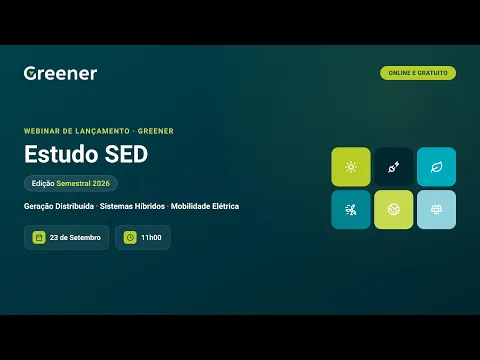
Greener released the study during a live YouTube broadcast on September 23, 2026. The webinar runs for 1 hour and 31 minutes and covers distributed generation, hybrid systems, and electric mobility.

Solar power remains cheaper than it was in 2017
Even with the increase in 2026, prices remain well below levels seen at the start of the distributed generation market, according to pv magazine.
A 4 kWp residential solar power system cost R$7.74 per watt in January 2017. In June 2026, the price was R$2.91.
For a 50 kWp commercial system, the price per watt fell from R$6.06 to R$2.02 over the same period.
Absolar, the industry association, posted a figure from the Meu Financiamento Solar platform on X on March 21, 2025. Residential panel prices fell by an average of 60% between 2022 and 2025.
What the increase means for people who want solar power at home in Brazil
Homes lead the market. The residential segment accounted for 65% of capacity added in the first half of 2026, up from 39% in 2019, while the commercial share fell to 19%.
In the survey of integrators, 80% said residential systems of up to 12 kW were their best-selling products. Systems from 12 to 75 kW accounted for 16%, and those above 75 kW made up 4%.
Financing became less common. Just 33% of integrators’ sales in the first half of the year involved financing, eight percentage points below 2025 and the lowest share in the series.
New connections fell 16% from the first half of 2025, from 488,000 to 411,000. New consumer units receiving credits fell 43%, from 951,000 to 541,000.
Competition among integrators is weighing on the market. In a LinkedIn post on November 23, 2026, Greener said 63% of integrators identified competitors’ prices as the main challenge of the first half.
In the ranking of challenges, price pressure topped interest rates and difficulties accessing credit, according to the consultancy.
Ralph Dias, of the Planarq Campos channel, posted a video about residential solar power on February 3, 2026. He explains Law 14,300 and the charge for using the electric grid.

Another survey puts first-quarter price at R$2.45 per watt-peak
Other sources have reported different figures using different methods. Cenário Energia published the Radar Solfácil on June 9, 2026. The quarterly indicator is produced by solar financing company Solfácil.
The Radar put the national average cost for residential systems at R$2.45 per watt-peak in the first quarter of 2026, down 7% from the same quarter in 2025.
Acre had the lowest price, at R$2.08 per watt-peak, followed by Rondônia at R$2.17 and Amazonas at R$2.18.
The list of the 10 least expensive states also includes Paraíba, Alagoas, Mato Grosso, Roraima, Mato Grosso do Sul, Paraná and Amapá. Amapá rounds out the list at R$2.36.
What a 4 kWp system cost a year earlier
In September 2025, Canal Solar published Greener’s study for the first half of 2025. The average price of a 4 kWp system was R$11,360, down 3% from June 2024.
The same study found that 41% of sales were financed in the first half of 2025. In 2026, that share fell to 33%, according to pv magazine.
In the first half of 2025, 65% of sales were systems ranging from 4 to 12 kWp, a size common for homes and small businesses. The average system size was 8 kWp, according to Canal Solar.
On March 27, 2026, pv magazine posted in English on X a Greener figure on imports: Brazil imported 17.9 GWp of solar modules in 2025, down 24%.
The same post said distributed generation accounted for 79% of imported volumes, despite a slowdown in installations.
How Greener measures solar power prices
The study tracks two prices. The solar kit price is based on price data and inquiries to equipment distributors.
The final price of a solar power system is collected from integrators across Brazil. The difference between the two is the integration cost, which covers services and the integrator’s margin.
Where to check prices before finalizing an estimate
Greener’s figures are average prices collected from installers across Brazil and serve as a benchmark for estimates.
When comparing installers’ proposals, it is worth separating the price of the kit from the final price, including installation.
In June 2026, Greener’s 4 kW-peak kit cost R$1.68 per watt, while the complete system cost R$2.91 per watt.
Greener’s full study is available on the consulting firm’s website, which also posts summaries of its semiannual survey on social media.