






 Portuguese
 Spanish


Rio de Janeiro’s State Highway Department has resumed work on 36 km of the RJ-194 and RJ-194/196 highways in the state’s North Fluminense region, with a budget of R$199 million. The routes connect the region to the Integration Bridge and could improve truck access to Porto do Açu.
Work on two road projects that had been stalled since May is moving forward again in the North Fluminense region, with a combined budget of R$199 million and completion expected in June 2027. The resumption announced by Rio de Janeiro’s State Highway Department (DER-RJ) covers the RJ-194 in Campos dos Goytacazes and the RJ-194/196 in São Francisco de Itabapoana.
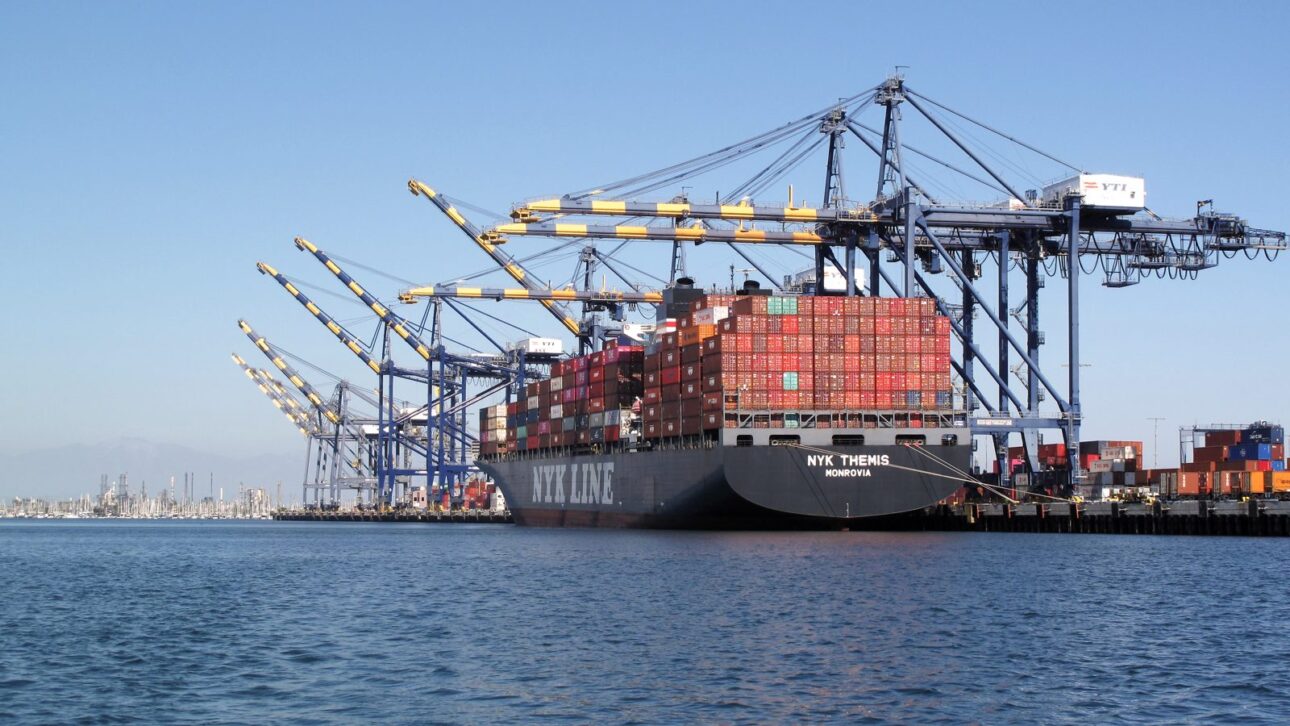
Each project covers approximately 18 kilometers, for a total of 36 kilometers of improvements. The highways connect municipalities in a region that is home to Porto do Açu, an industrial and port hub in São João da Barra. The state government considers them important routes for truck traffic from Minas Gerais and Espírito Santo.
Work resumes after months on hold, with both projects more than 50% complete
The DER-RJ’s official notice, published November 20, says work on both highways had been suspended since May. The renewed activity includes earthmoving equipment, pavement repair or installation, drainage, shoulder construction and road signs along the contracted sections.
-
ID Logistics Plans to Hire 3,000 Workers and Open Four New Facilities in Brazil to Handle 162% Surge in Orders During Black Friday 2026
-
Detour announced for southbound BR-101 drivers heading to Garopaba, Santa Catarina, as Motiva Costeira closes km 264 entrance until June 2027

-
Los Angeles and Long Beach ports avert Nov. 21 strike with tentative deal for 250 watchmen at six terminals handling 85% of Long Beach cargo at the busiest container complex in the U.S.
-
Bridge over the Várzea River on PR-427 closed from Nov. 23 to Nov. 30, with detours via BR-476 and BR-116


The department says both projects are now more than 50% complete. That does not mean the entire route is open in its final condition: some sections have been paved but still need markings and signs, while crews elsewhere are preparing and compacting the ground.
The planned opening date is June 2027, weather permitting. The schedule gives carriers a reference point for future planning, while contractors must complete different types of work on each highway, particularly in areas where the terrain requires more extensive earthworks.
RJ-194 could divert trucks from urban sections of Campos
In Campos dos Goytacazes, work on the RJ-194 includes pavement rehabilitation, drainage, earthworks and road signs. The section runs from its junction with BR-101 to its connection with the RJ-196, toward Campo Novo and São Francisco de Itabapoana, according to the Rio state government’s official project registry.
The RJ-194 project sheet specifies a length of 18.08 kilometers and names the Campo Novo Restoration Consortium as the contractor. The work is intended to do more than maintain local roads: DER-RJ expects it to provide a better alternative for trucks that currently use urban roads in Campos for part of their trips.
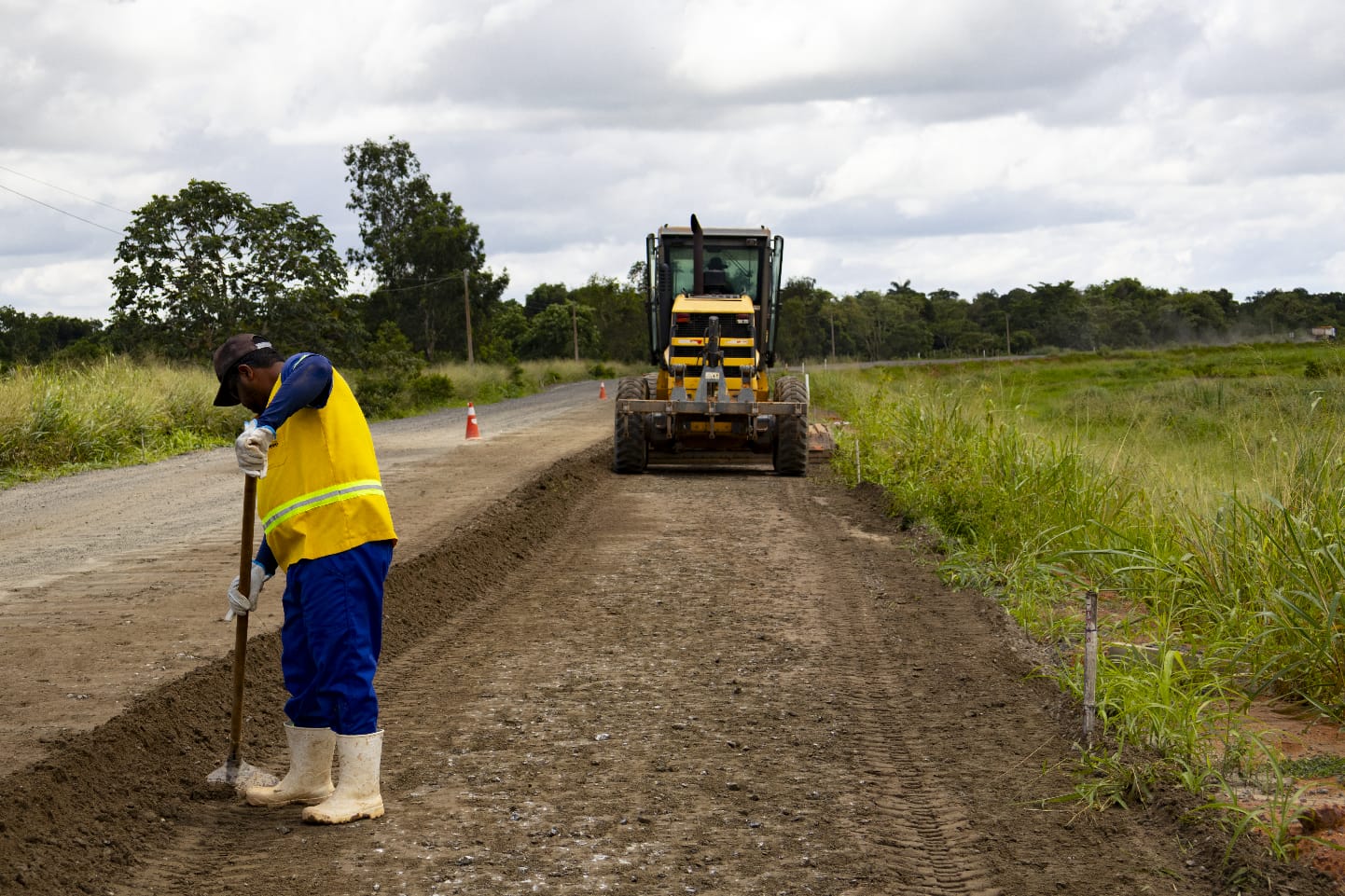
Marcos Falquer, the DER-RJ official in Campos, said the earthworks phase is particularly challenging because of the soil conditions. The agency expects the completed RJ-194 route to make it easier for freight haulers to connect with municipalities in Minas Gerais and Espírito Santo without routing as many heavy vehicles through urban areas.
Gargaú Road has doubled in width and will have shoulders
Meanwhile, in São Francisco de Itabapoana, construction and paving work is underway on RJ-194/196 along the stretch leading to Gargaú, a community near the mouth of the Paraíba do Sul River. The project will turn an old dirt road into a paved route with drainage and shoulders.
The DER-RJ said the road has been widened from 6 to 12.20 meters, allowing traffic space to be better organized and shoulders to be added. In urban Gargaú, crews were building curbs ahead of paving and sidewalk preparation.
Drainage work in the Gargaú section cited by the department has been completed. Residents described longstanding difficulties during rainy periods, when travel on the dirt road was disrupted. Some pavement is now complete, while earthworks continue on other sections.
The state project-tracking platform lists RJ-194/196 as a contracted 18.30-kilometer project, with Construsan Serviços Industriais as the contractor. The project is marked as underway, following a suspension in 2026.
Bridge opened in 2025 needs completed road connections
The significance of the 36 kilometers becomes clearer in light of the Deputado João Peixoto Integration Bridge. Opened in February 2025 over the Paraíba do Sul River, the bridge brought São João da Barra, São Francisco de Itabapoana and Campos dos Goytacazes closer together after decades of waiting.
At 1,344 meters long, the bridge shortened some trips between cities in the region by about 80 kilometers, according to figures released by state agencies at the opening. But the crossing needs suitable access roads to make that shorter distance a lasting benefit for cars and freight vehicles.
Solange Carneiro, a homemaker who lives in Gargaú and spoke with the DER-RJ, said travel had already improved even before paving was finished. She cited the option of reaching São João da Barra via the bridge, rather than taking time-consuming alternate routes when the road was in poor condition.
Rio de Janeiro state highway department president Col. Gabryela Reis Dantas estimates that completing the highways and connecting them to the bridge will benefit about 1 million people in northern Rio de Janeiro state. The expected impact includes shorter travel distances, faster trips and lower logistics costs, especially for regional production.
Oil revenue funds R$199 million investment
One of the most significant aspects of the projects for Rio de Janeiro state’s economy is their funding source. The Rio de Janeiro state highway department says the R$199 million allocated to the two contracts comes from the Rio de Janeiro State Sovereign Fund, a mechanism created to invest some of the revenue associated with oil and gas in long-term projects and savings.
Investing these funds in roads directly affects infrastructure in a region tied to the energy industry. While port and industrial investments increase the movement of equipment and goods, overland transportation depends on the quality of roads connecting the coast to inland municipalities.
Official records list the two contracts separately: one covers rehabilitation of RJ-194 in Campos, and the other covers construction of RJ-194/196 in São Francisco de Itabapoana. This division also explains why progress varies by type of work, even though the Rio de Janeiro state highway department presents the two sections as a single strategic project.
Açu Port could gain a more efficient access route
Açu Port, in São João da Barra, is connected to highway corridors that carry freight from several states. The Rio de Janeiro state highway department describes the improvements to the highways under construction as complementary to the network already used by the port complex, particularly for trucks traveling between northern Rio de Janeiro state, Minas Gerais and Espírito Santo.
The expected easing of traffic in Campos is tied to this reorganization of travel: a better-paved connection could allow some trips to use roads better suited to heavy vehicles. The benefit will depend on the full completion of the sections, road signs and traffic conditions after the opening.
Until then, work crews are moving through stages at different levels of completion. The official target remains June 2027, and completion of the pavement, drainage and safety features will be critical for the 36 kilometers to function as an effective link between the Integration Bridge and the access corridors to Açu Port.


