





 Portuguese
  English
  Spanish
  5 min of reading
  0 comments


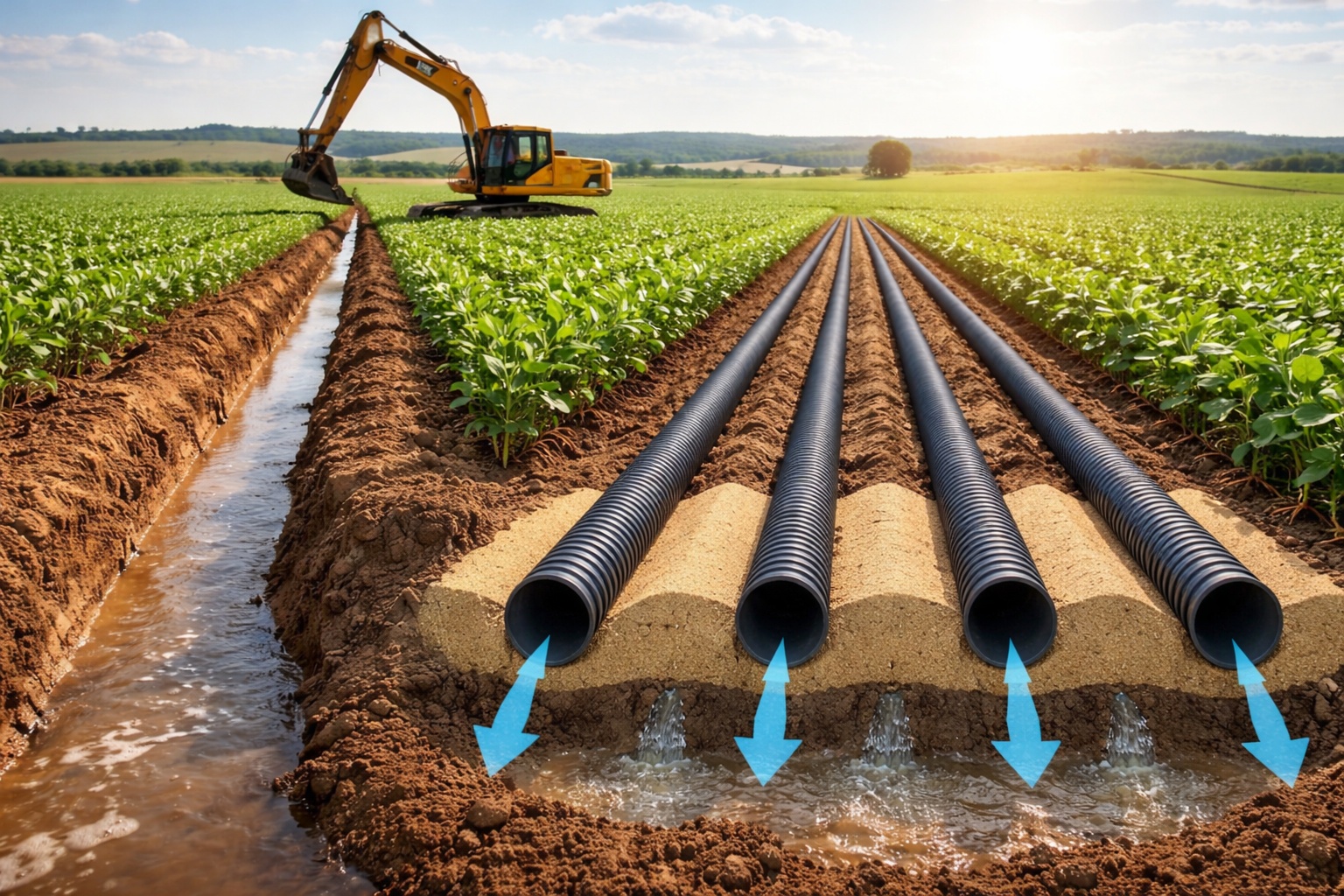
Shallow Drainage Systems Help Farmers Direct Rainwater, Reduce Runoff, and Protect Soil Against Erosion in Agricultural Areas.
Rainwater is essential for agricultural production, but when it falls in large volumes on sloped land, it can cause a serious problem: soil erosion. This phenomenon occurs when water flows across the land surface with enough force to wash away soil particles, organic matter, and essential nutrients for plant growth. Over time, this process can reduce soil fertility, create deep furrows, and even compromise entire cultivation areas. To address this challenge, farmers in different regions have begun to use a simple solution based on water management and soil conservation principles: digging shallow drainage ditches around crops.
These structures function as channels that direct rainwater in a controlled manner, decreasing the speed of runoff and preventing flooding from directly crossing the planted area. According to studies from institutions such as Embrapa and the Food and Agriculture Organization (FAO), simple agricultural drainage systems can play a crucial role in soil conservation and crop protection.
The technique involves creating strategic channels that collect and direct excess water to infiltration or safe drainage areas.
-
Rain gains strength in April, potentially exceeding 150 mm, placing the North, Northeast, and the coasts of the South and Southeast at the center of the heaviest forecast of the week.

-
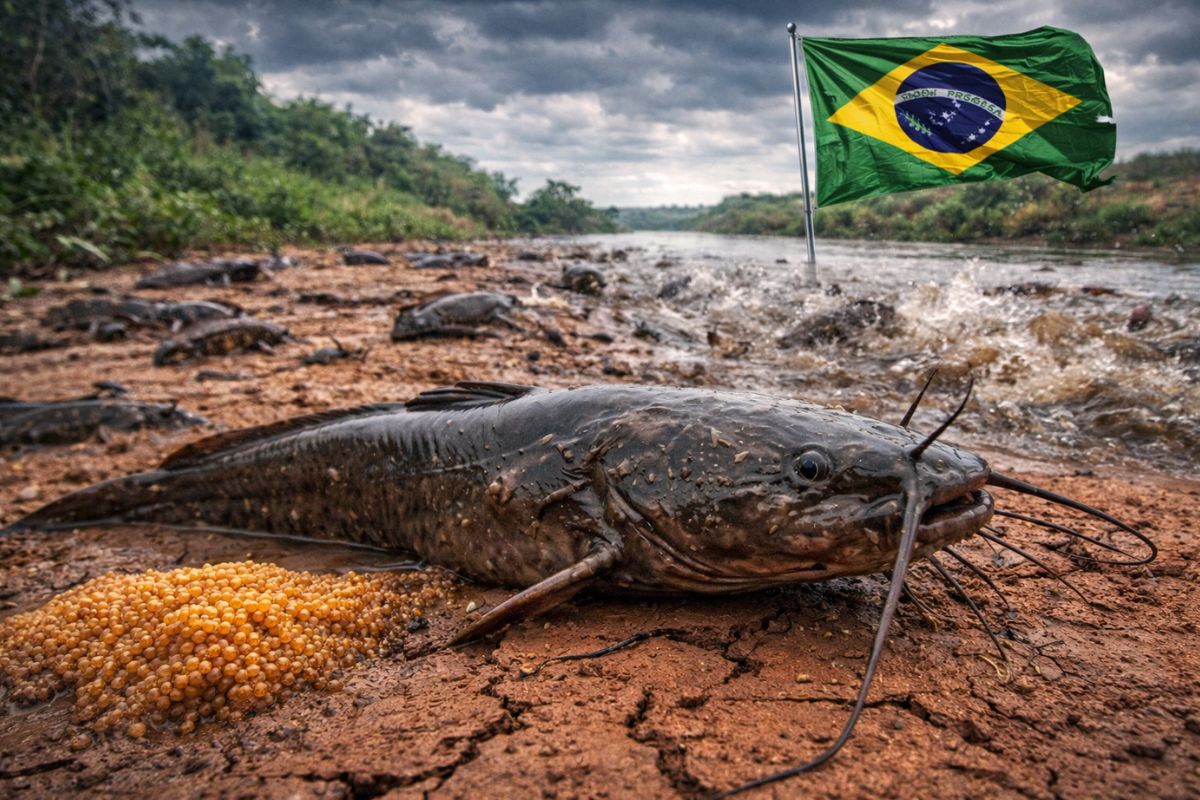
A fish that survives out of water, crawls on land until it finds another river, and whose female lays 80,000 eggs at once is infesting rivers and lakes in Brazil, and no one can stop this invasion.
-
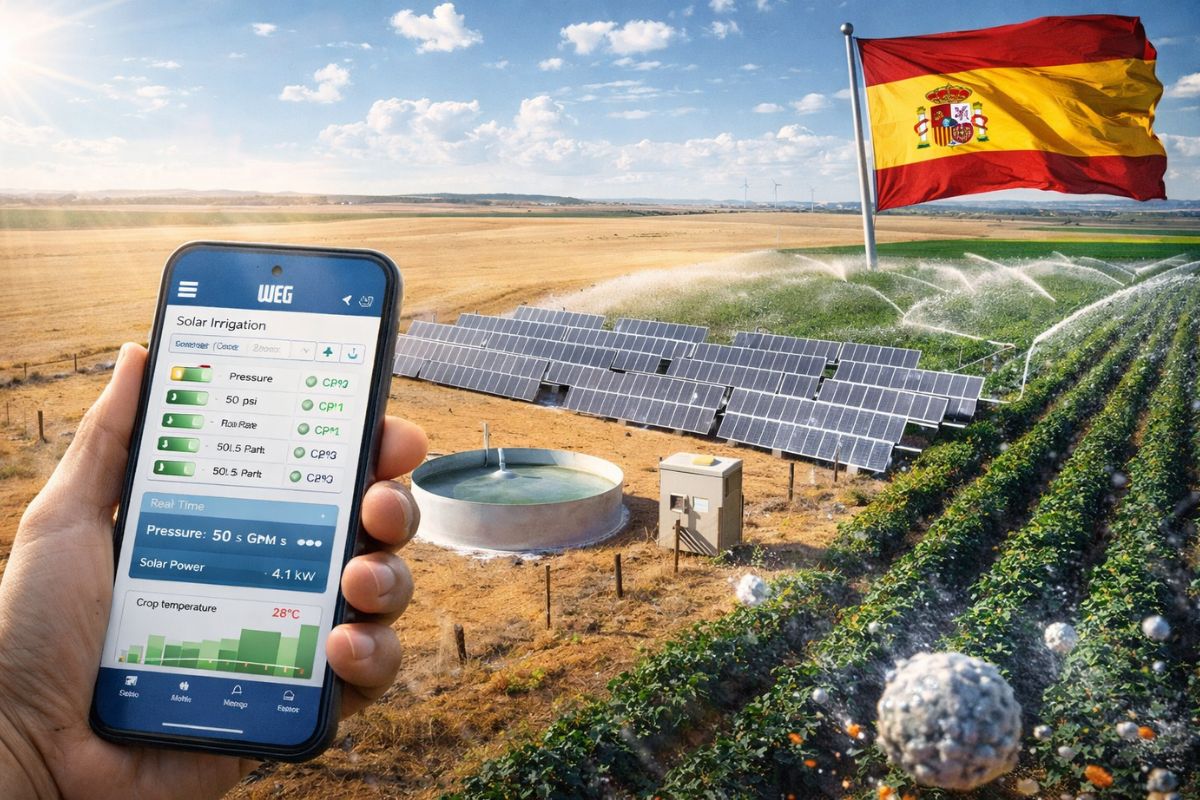
WEG took its technology to Spain to create a solar irrigation system that operates independently without needing an electrical grid, and now farmers control everything remotely via their mobile phones.
-
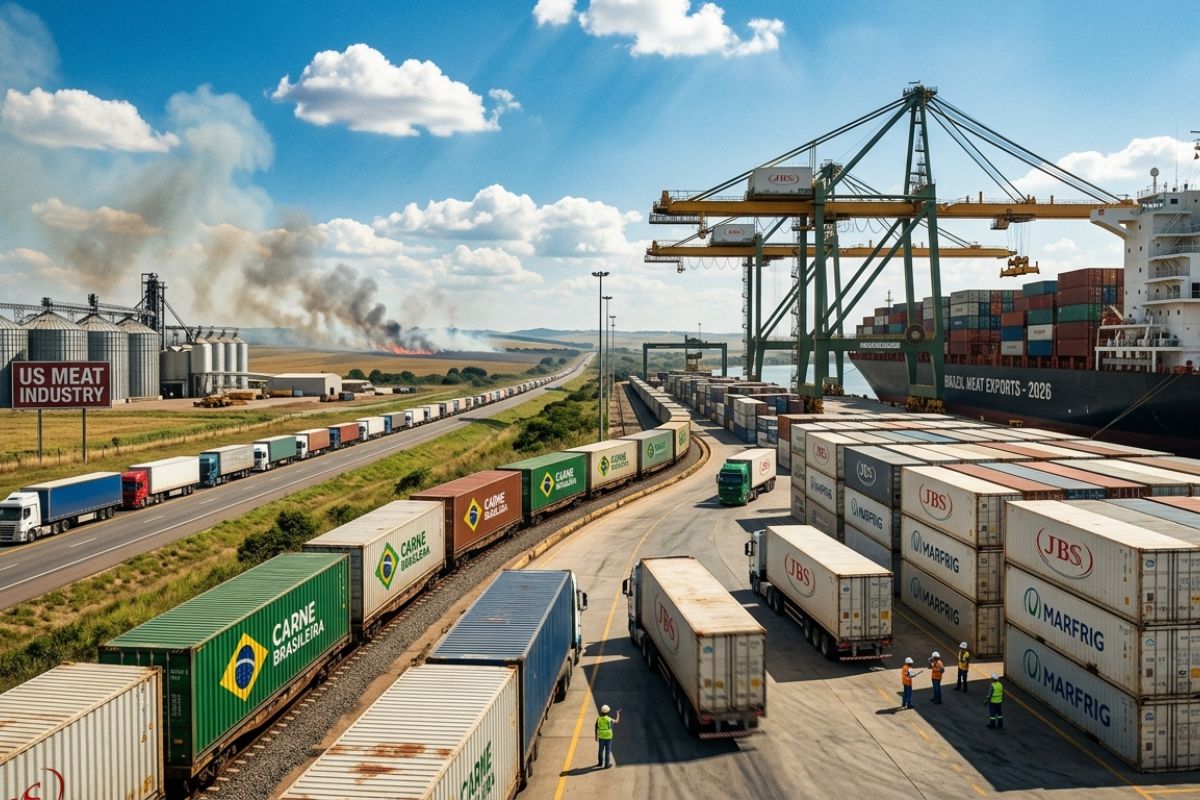
The US faces a meat crisis with fires, pests, and strikes, consumption rises and supply falls to the lowest level since 1952, creating a billion-dollar opportunity for Brazilian exports to grow in 2026.

What Are Agricultural Drainage Ditches
Drainage ditches are small channels dug in the soil with the aim of capturing and directing surface water. These structures are usually opened at the edges of cultivation areas or at strategic points in the terrain where water tends to accumulate.

The operational principle is relatively simple. When heavy rain occurs, part of the water infiltrates the soil, while another part flows across the surface. Without control, this flow can cross the crop area and cause erosion.
The ditches work by intercepting this flow before it can cause damage. They direct the water to:
- infiltration areas
- natural drainage channels
- small reservoirs
- natural waterways
This control reduces the impact of runoff and helps preserve the soil structure.
How the System Helps Reduce Erosion
Erosion primarily occurs when water moves rapidly over the soil surface. This movement washes away soil particles, creating small furrows that can evolve into larger erosions.
When drainage ditches are properly implemented, they help reduce this process in several ways. First, the ditches capture some of the water before it crosses the crop area.
Second, they reduce the speed of runoff, allowing some of the water to infiltrate the soil.
Third, the water flow starts to follow a defined path, preventing it from spreading uncontrollably across the agricultural area. These factors contribute to significantly reducing the risk of losing fertile soil.
Where Ditches Are Installed
The positioning of drainage ditches depends on the characteristics of the terrain. In sloped areas, they are typically dug along the edges of crop fields or at points where water naturally concentrates.
In flatter terrains, ditches can be used to direct accumulated water in certain regions of the property. Some farmers also combine drainage ditches with other soil conservation techniques, such as:
- contour farming
- agricultural terraces
- no-till farming
This integration increases the efficiency of the water management system. The combination of different techniques helps create a more comprehensive soil conservation system.
Typical Dimensions of Ditches
The drainage ditches used in small rural properties usually have relatively simple dimensions. Although sizes may vary according to soil type and rainfall volume in the region, it is common to find ditches with:
- depth between 20 and 50 centimeters
- width between 30 and 60 centimeters

These dimensions are already sufficient to conduct a large part of the surface water generated during heavy rains. In larger properties or areas with heavy rainfall, the ditches can be enlarged or connected to larger drainage channels.
The main goal is to ensure that water has a safe path to drain without crossing the crop area.
Benefits for Agriculture
The adoption of simple drainage systems brings various benefits for agricultural production. One of the main benefits is protection against erosion, which preserves the topsoil layer where essential nutrients for plant growth concentrate.
Another important benefit is the reduction of waterlogged areas. When water accumulates excessively in the soil, it can harm root development and promote plant diseases. With proper water direction, the soil remains more balanced in terms of moisture.
Among the most cited benefits by experts are:
- soil fertility conservation
- reduction of nutrient losses
- better distribution of rainwater
- increased land stability
These factors help maintain agricultural productivity over the years.
Integration with Other Management Techniques
In many rural properties, drainage ditches are part of a broader water management system. Farmers can combine this technique with practices such as:
- contour farming
- vegetative cover of the soil
- agricultural terracing
These techniques work together to reduce the impact of heavy rains. While contour farming reduces water speed within the crop area, drainage ditches help direct excess water out of the cultivated area.
This type of integrated approach is considered one of the most efficient soil conservation strategies.
Technique Recognized by Agricultural Institutions
Agricultural research organizations emphasize that proper water management is one of the pillars of sustainable agriculture. The FAO (Food and Agriculture Organization) points out that soil conservation practices are essential for ensuring long-term food security.
In Brazil, Embrapa also recommends the use of drainage systems in rural properties as a way to reduce losses caused by erosion. These practices are especially important in regions with heavy rainfall and soils more susceptible to degradation.
The combination of simple techniques can significantly reduce the impacts of erosion in agricultural areas.
A Simple Solution to an Ancient Problem
Although it is a relatively simple technique, the use of drainage ditches remains one of the most effective strategies for controlling water flow in crops.

By directing rainwater in a controlled manner, farmers are able to protect the soil, reduce erosion, and improve cultivation conditions. This practice demonstrates how relatively simple solutions can play an important role in conserving natural resources.
With proper planning and periodic maintenance, agricultural drainage systems can contribute to maintaining crop productivity and preserving the soil for many years.









-

2 pessoas reagiram a isso.