





 Portuguese
  English
  Spanish
  4 min of reading
  0 comments


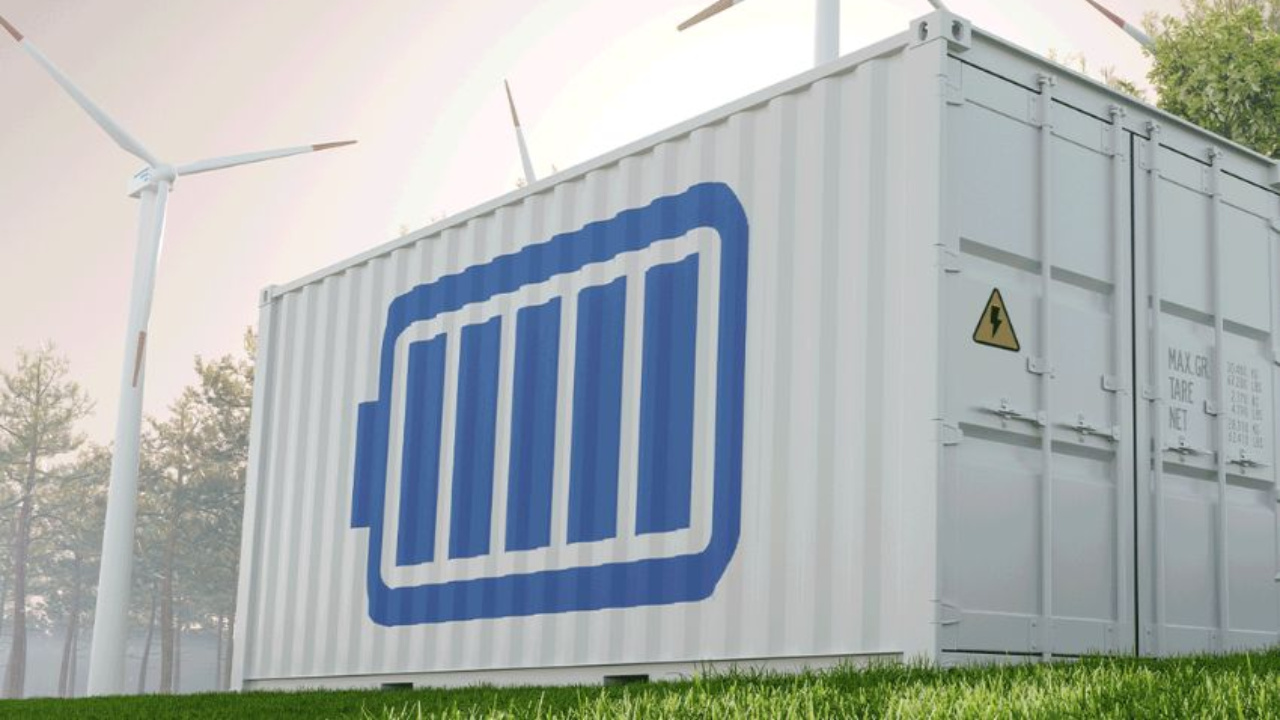
A Report by PSR Reveals That Taxation and Regulatory Uncertainties Are Delaying the Advance of Energy Storage in Brazil, Increasing Costs and Dissuading Investments. The Study Advocates Tax Incentives and New Remuneration Models to Unlock the Sector.
While several countries accelerate their investments in energy storage to ensure stability and flexibility for the electricity system, Brazil still faces serious barriers to enable this market. A study by consulting firm PSR indicates that the high tax burden and lack of regulatory clarity are among the main obstacles to the development of this technology in the country.
The research, titled “Acceleration of the Brazilian Energy Transition – Comprehensive Meta-Analysis of Energy Storage in Brazil”, shows that the average costs of implementing storage systems increase by up to 76% after taxes are applied. This data is concerning, especially at a time when the country is trying to expand the use of renewable sources, such as solar and wind, which require greater balancing capacity in the electricity grid.
“Although solar and wind assets have received tax incentives in the past, current rates may act as a disincentive to investments in batteries in Brazil,” highlighted PSR.
-
In a historic decision, Aneel regulates the use of batteries in the Brazilian electrical system and lays the groundwork for large-scale energy storage, reducing waste, enhancing energy security, and attracting new billion-dollar projects.

-
Europe tests solar barriers on roads and the project could generate 25 MWh per km per year.

-
Government expands the Luz para Todos program to bring electricity to isolated communities in the Legal Amazon.
-
While Belo Monte progressed slowly in Brazil, China is building in Tibet 5 cascade hydropower plants on the Yarlung Tsangpo that will generate 3 times the energy of the Three Gorges.

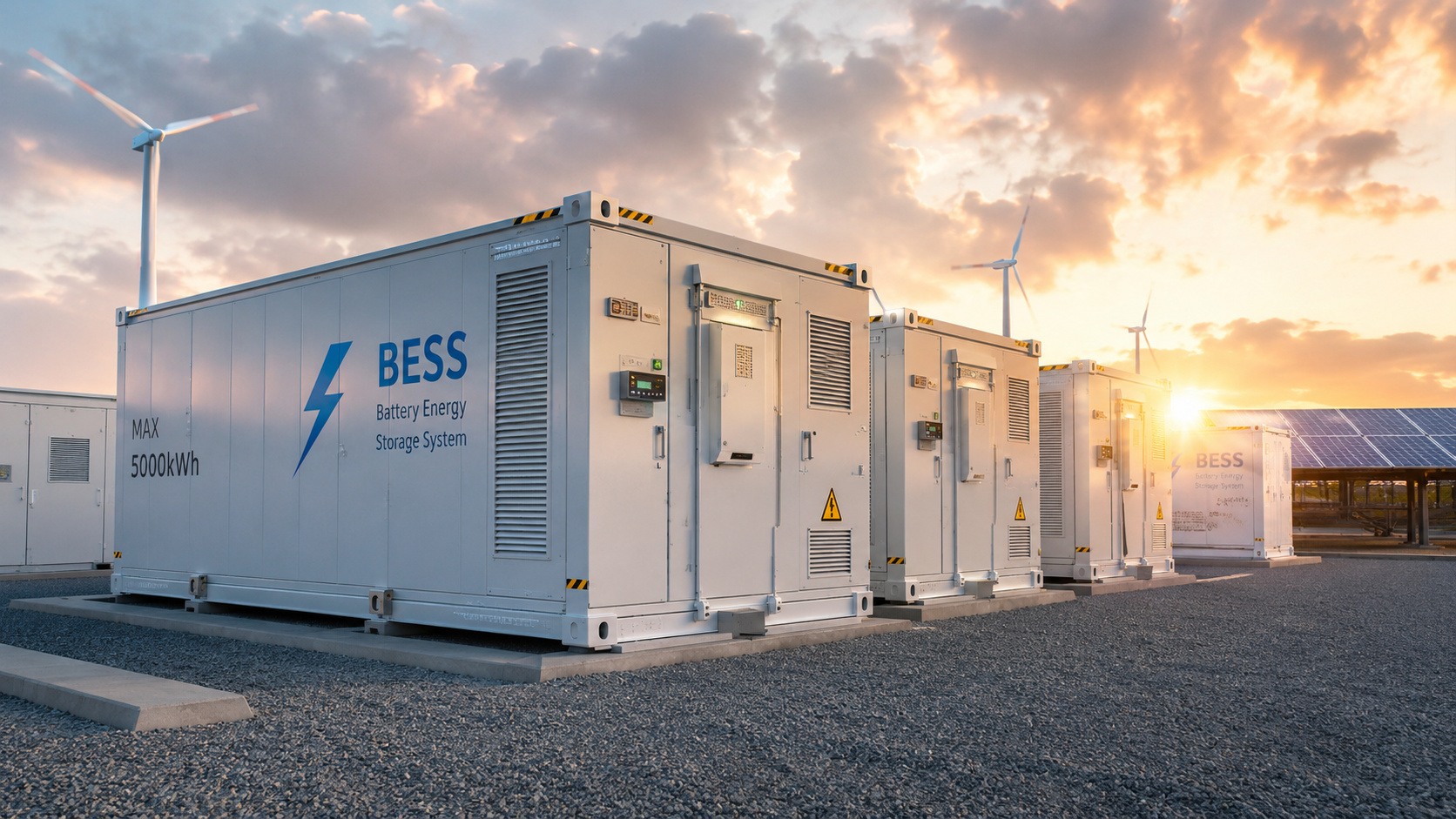


Lack of Specific Incentives Dissuades the Sector
Brazil has the Special Incentives Regime for the Development of Infrastructure (REIDI), created by Law No. 11.488/2007, which reduces taxation on infrastructure projects. However, energy storage is not yet explicitly covered by this mechanism.
According to the study, a legal update would be necessary to include batteries and pumped storage plants among the projects eligible for the regime. Additionally, any proposal seeking to join REIDI must be approved by the National Electric Energy Agency (ANEEL), a bureaucratic and time-consuming process that ultimately represents another obstacle to the advancement of investments.
PSR points out that without equivalent incentives granted to other renewable sources, the country risks losing strategic opportunities for technological and industrial development in this field.
Price Arbitrage: Potential Limited by the Current Structure
One of the most promising uses of storage systems is price arbitrage, meaning buying energy when the cost is low and selling it when the price rises. This practice, common in mature markets like the United States and Europe, is still not very viable in Brazil.
According to PSR, for a battery system to be economically sustainable in the country, an average daily price difference of between US$ 72 and US$ 152 per MWh would be necessary, for four hours a day, over 15 years. Pumped storage plants would require differences between US$ 65 and US$ 161 per MWh, with eight hours of daily operation and a lifespan of 40 years.
However, the Brazilian market still exhibits low granularity in hourly price formation, significantly reducing arbitrage opportunities. In 2025, the spot price of energy is set between US$ 10.24/MWh and US$ 269.50/MWh, values that do not guarantee the expected return for large-scale projects.
Revenue Stacking: An Alternative to Enable New Projects
With arbitrage alone unable to justify investments, PSR advocates that the country adopt a revenue stacking model. This strategy would allow storage systems to receive compensation from various sources, such as ancillary services, capacity mechanisms, and support for the operation of the electricity system.
Among these services are voltage control, frequency, and black start—restarting electrical systems in case of blackout. Currently, most of these functions are performed by thermoelectric and hydropower plants.
The creation of “regulatory sandboxes,” which serve as testing grounds for new business models, is seen as progress but still insufficient. The study cites, for example, the reactive power support project, whose remuneration for 2025 was set at US$ 1.72/Mvar-h. There are also forecasts for opening sandboxes for secondary frequency control and black start, with fixed compensations of US$ 11,735 and US$ 8,801 per year, respectively.
PSR Warns: Flexibility Is Essential for the Country’s Energy Future
With the increasing penetration of solar and wind sources, the Brazilian electricity system needs more flexibility to ensure security and stability. In this context, energy storage emerges as a key element for balancing supply and demand.
“Brazil has great potential to develop the storage market, but this depends on adjustments to tax policy, regulatory improvements, and the creation of new remuneration models,” concludes the study.
Without structural changes, the country risks falling behind in the race for energy transition, precisely at a time when the world is moving towards a cleaner, more resilient, and decentralized grid.





Be the first to react!