






 Portuguese
  Spanish
  3 min of reading
  0 comments


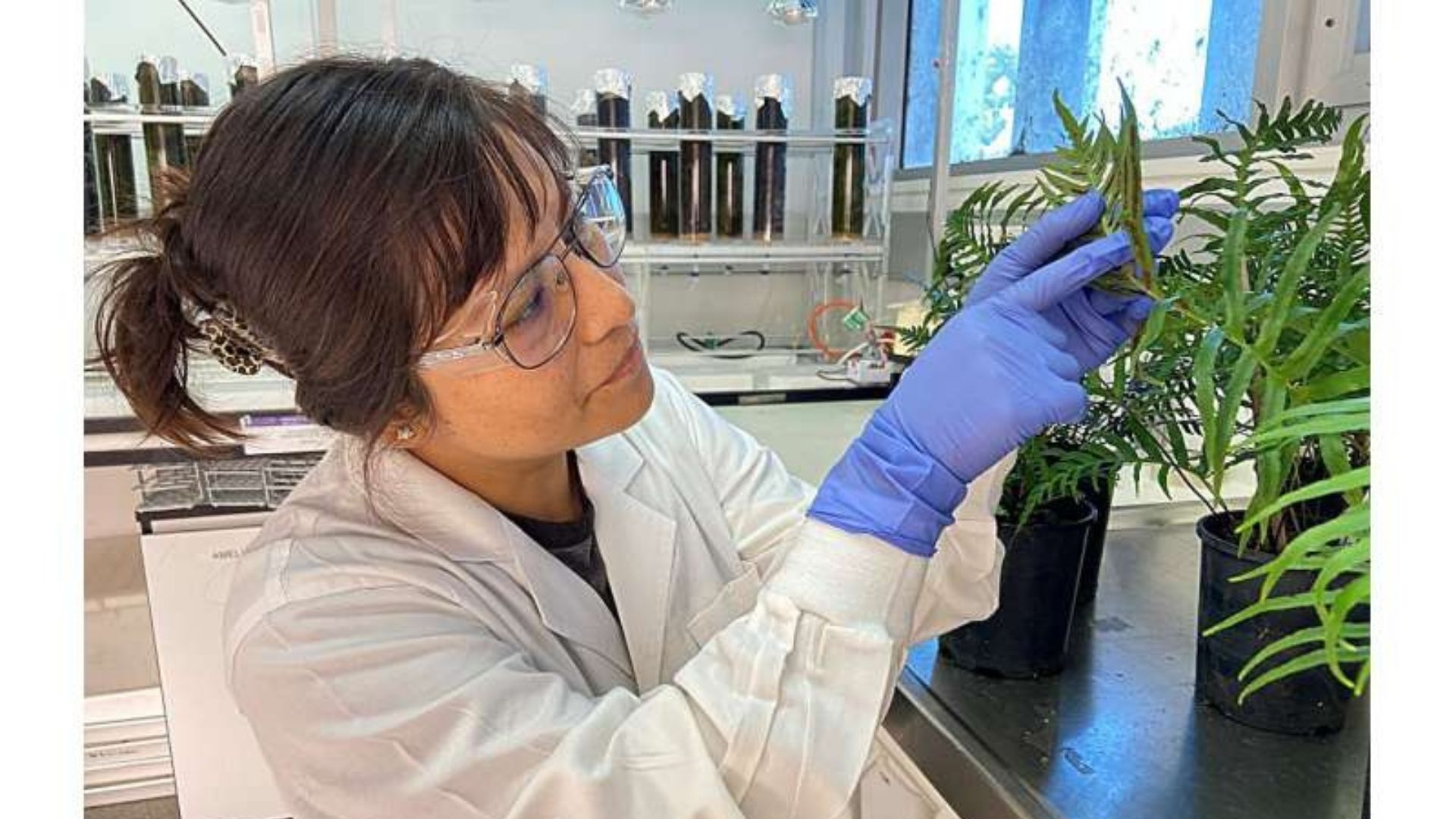
Plants from the brassica family act as natural bioextractors, recovering valuable metals from polluted areas for use in electronic components.
Scientists have identified that common plants such as kale, cabbage, and broccoli can act as bioextractors of thallium, a rare and highly valuable metal for the semiconductor and optical technologies industry.
These plants can grow in soils considered toxic due to the presence of this metal, absorbing it in their leaves at concentrations much higher than those found in the environment. The discovery suggests a new approach to the remediation of contaminated soils, where agriculture is used to recover critical materials that would otherwise be wasted or pose public health risks.
The process of phytoextraction of thallium
The phenomenon occurs through a biological process called phytoextraction, in which the roots of the plants suck up the metal present in the soil along with other nutrients. In the specific case of plants such as kale, cabbage, and broccoli, the metabolic system of these species not only tolerates thallium but efficiently accumulates it in their edible tissues (although, under these conditions, they become unsuitable for consumption).
-
Helicopter Drops 180 Tons of Sand and Gravel on Swedish River to Revive Ecosystem Damaged by Decades of Exploitation

-
Brazilian Company Launches Retro Smartphone with 48 MP Camera, T9 Keyboard, and Privacy Features for Social Media-Free Use

-
Self-Taught Chinese Farmer Builds 5-Ton Submarine from Scrap, Launches It in Anhui River
-
Invisible Induction Technology Enables Wireless Power for Blenders, Coffee Makers, and Air Fryers, Reducing Countertop Cables





This metal is essential in the manufacturing of high-precision lenses, infrared sensors, and radiation detection equipment, but its extraction by conventional mining methods is complex and expensive.
By harvesting these metal-rich plants, researchers can process the biomass to recover thallium in its pure form. This plant-based mining method allows the metal to be recycled into the technological production chain, reducing dependence on traditional underground mines.
The efficiency demonstrated by kale, cabbage, and broccoli in capturing this specific resource has surprised experts, as the concentration accumulated in the leaves is high enough to make extraction economically viable on an industrial scale.
Soil recovery and industrial benefits
The use of this technique offers a dual solution to the problem of environmental contamination in former mining areas or industrial hubs. While cleaning the land of hazardous substances, kale, cabbage, and broccoli generate a renewable source of raw material for the high-tech sector.
Thallium is considered a critical metal due to its scarcity and strategic importance in advanced electronic components. Without the intervention of these plants, the metal would remain in the soil as a persistent pollutant, threatening groundwater and local ecosystems.
The study details that the time required for complete decontamination of an area depends on planting density and climatic conditions that favor vegetative growth. Cultivating kale, cabbage, and broccoli in affected soils allows large areas of land to be revitalized in a passive and sustainable manner. After extracting the metal from the biomass, the ashes resulting from the process may still contain other useful minerals, maximizing the utilization of biologically extracted resources.
Perspectives for the mineral circular economy
The transition to an economy based on plant mining now depends on the development of infrastructures that connect the agricultural sector to the technological one.
Researchers believe that the use of kale, cabbage, and broccoli for this purpose will be especially useful in countries that have soils naturally rich in rare metals but suffer from industrial pollution. The ability of these brassicas to act as “metal vacuums” represents a fundamental step towards the intelligent management of toxic waste on a global scale.
Future research aims to investigate whether other genetic varieties of kale, cabbage, and broccoli can be optimized to further increase thallium absorption rates. The expectation is that soon, phytoextraction farms will operate around industrial zones, serving as biological protective barriers and centers for the production of strategic metals.
The innovative use of these plants proves that biology can offer efficient and low-impact solutions to the challenges of modern materials engineering.
Click here to access the study.





-

-

2 people reacted to this.