






 Portuguese
  Spanish
  3 min of reading
  0 comments


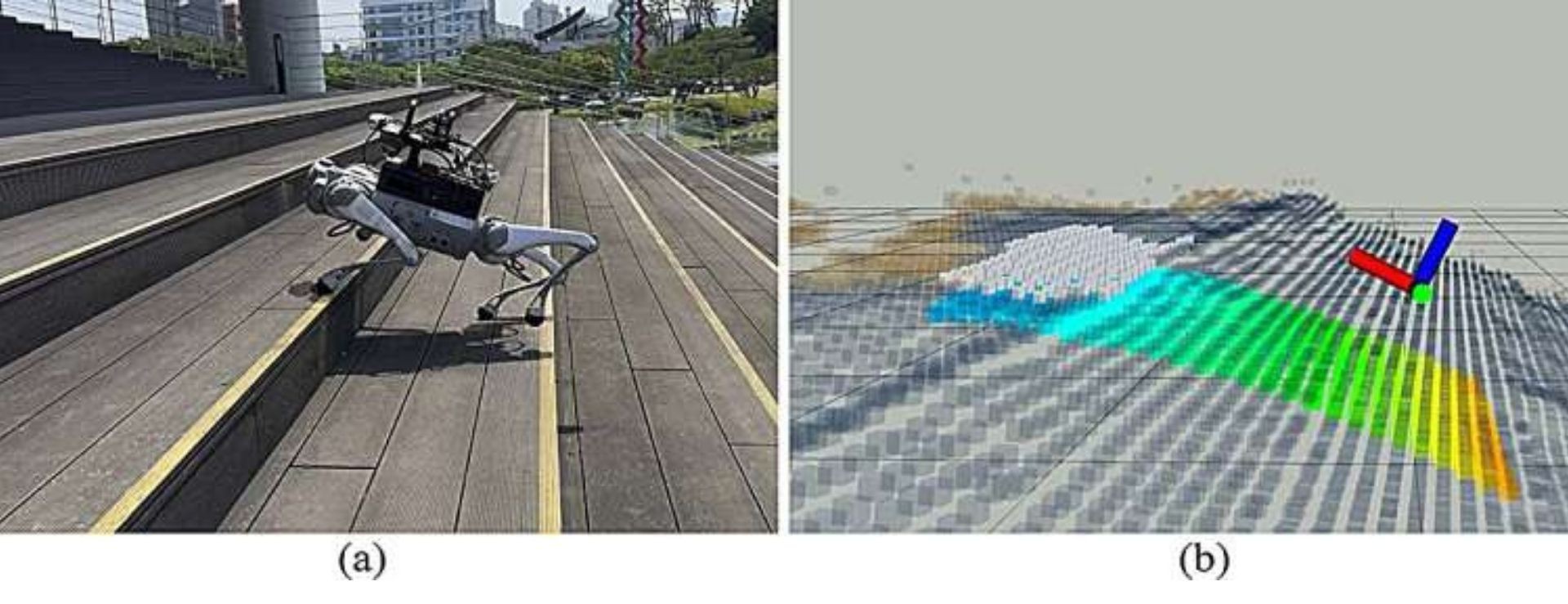
The integration of predictive artificial intelligence and advanced mechanics allows machines to operate independently in high-complexity environments.
A new robotic system is redefining logistics automation standards by demonstrating the ability to identify environmental risks in real time.
The robot detects danger through an integrated set of sensors and artificial intelligence algorithms that continuously map the terrain. This technology enables the machine to recognize threats such as unstable surfaces, steep slopes, or moving obstacles even before approaching them. The accuracy in data collection ensures that the integrity of the transported load is maintained throughout the journey.
Unlike conventional systems that follow pre-programmed and rigid routes, this model evaluates dynamic variables to make immediate decisions. When the robot detects danger, it processes alternative detours without the need for human intervention or constant remote supervision.
-
Helicopter Drops 180 Tons of Sand and Gravel on Swedish River to Revive Ecosystem Damaged by Decades of Exploitation

-
Brazilian Company Launches Retro Smartphone with 48 MP Camera, T9 Keyboard, and Privacy Features for Social Media-Free Use

-
Self-Taught Chinese Farmer Builds 5-Ton Submarine from Scrap, Launches It in Anhui River
-
Invisible Induction Technology Enables Wireless Power for Blenders, Coffee Makers, and Air Fryers, Reducing Countertop Cables




This autonomy is crucial for operations in high-risk industrial environments or hard-to-reach locations, where agility in responding to unforeseen events is a determining factor for mission success.
Strategic planning and route decision-making
The device’s autonomous navigation capability goes beyond simple detection, encompassing a logical cost-benefit analysis for each movement. The system decides its route based on energy efficiency and minimizing physical impacts, ensuring that the chosen path is as safe and fast as possible.
If the original route presents high risks, the robot detects danger and instantly recalculates an alternative trajectory. This adaptive behavior simulates human reasoning in solving complex spatial problems.
The onboard intelligence uses neural networks to learn from each interaction in the environment, improving its decision-making over time. The fact that the robot detects danger predictively drastically reduces the number of collisions and unplanned stops on production lines or in warehouses. The system’s connectivity also allows multiple robots to share information about the state of the routes, creating a network of collective intelligence that optimizes the transportation flow throughout the operational unit.
Overcoming obstacles and transporting loads
In addition to planning intelligent routes, the robot’s mechanical design was engineered to face physical challenges that would hinder the progress of common machines.
It overcomes obstacles through an active suspension system and adaptable traction, allowing it to traverse debris, steps, and uneven terrain. Even in adverse conditions, the robot detects danger in the ground structure and adjusts its center of gravity to avoid tipping over. This physical robustness is complemented by a reinforced structure capable of supporting heavy loads with stability.
Transporting materials in dynamic environments requires the machine to maintain fluid movement regardless of the barriers encountered. Whenever the robot detects danger in a narrow or obstructed passage, it uses its actuators to maneuver with millimeter precision.
The success of this technology signals a new era for autonomous logistics, where safety and the ability to overcome physical obstacles go hand in hand. The versatility of the equipment makes it ideal for sectors ranging from construction to disaster response.
Click here to access the study





-

1 person reacted to this.